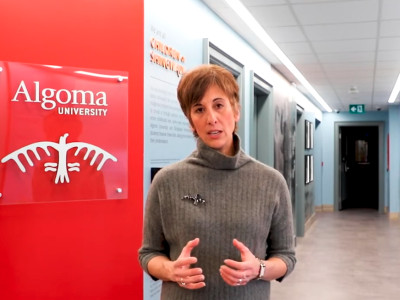
The union representing faculty at Algoma University says it has lost confidence in president Asima Vezina.
A push to prioritize revenue over student success, with the reckless expansion of international admissions at its under-funded Brampton campus, has led to a breakdown in communication between professors and university leadership as Vezina has hurt the education experience of students, the union claims.

Over the past decade, Brampton has fallen behind as neighbouring municipalities shifted investments into sustainability. Across Ontario, transportation makes up one of the largest sources of greenhouse gases—the electrification of vehicles is essential to reach emissions reductions targets.
A study presented to Brampton council shows the city needs to transition to an electric transit fleet, but after years of budget freezes under Patrick Brown, funding this shift will be difficult for the cash-strapped municipality.
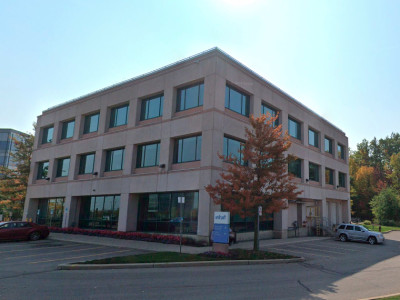
A series of confidential reports presented to regional council during closed session meetings in February and March alluded to work underway on securing another location to help house the growing number of asylum claimants in Peel where the shelter system was already operating far beyond capacity.
On June 13th, the Region revealed it will be leasing a facility in Mississauga, but there are few details on what services will be provided or when the site will become operational.

Separate letters from the federal and provincial Housing Ministers presented to Region of Peel council Thursday reveal disturbing behaviour by Doug Ford’s PC government which continues to put developer interests over public priorities in the middle of a crippling housing crisis.
While the PCs and Justin Trudeau’s Liberals appear to have since resolved issues around funding allocations to municipalities, it is the latest example of the Premier’s efforts to help developers dictate the type of housing that will be built.

A case bringing together 15 young people from across Canada, against the federal government for its failure to properly act on the climate crisis, is moving forward with an amended statement of claim.
Environmental law experts believe that using courts around the world is the best strategy to hold governments and corporations accountable for the destruction of our planet and force them to act.

After two blistering reports on foreign temporary workers in Canada, stakeholders, including agri-business lobby groups on one side and advocates for the fair treatment of workers on the other, are anxiously awaiting an overhaul of the broken system by the federal government.
Latest Episode


As four public information meetings, on 12 contentious zoning proposals by the mayor to trigger the doubling of Caledon’s population, have concluded, residents are slowly squeezing out important details from Town staff about the viability of the massive, surprise plan.
While the community is now demanding the rushed process start over and follow all safeguards of proper planning, the Mayor has refused to concede. Even Caledon’s senior planner has suggested aspects of the bylaws are questionable.

Without any direct notice, B&B owners across the city were stunned to find thousands of dollars in fines for operating their business after a new bylaw that requires certain conditions meant to control irresponsible short-term rental operations.
Residents are fine with the new rules but are fighting back against the draconian enforcement, determined to get their money back and their businesses reopened.

It was no surprise to councillors but they were still disturbed when a report to the Region of Peel recently revealed deep inequities in the way provincial tax dollars are used for critical social services. Mayor-elect Carolyn Parrish says Wednesday’s decision was the start of what will be a top priority for her, as Mississauga continues to face widespread pressures related to the lack of affordability.

A veteran with all the scars and victories accumulated across five decades in political life, Carolyn Parrish promises to be the leader that will fight for Mississauga’s future at a critical time in its history. She vows to use her trademark no-nonsense style to advocate for her city, as it transforms from its suburban past into an urban identity. Fair share funding long denied to the country’s seventh largest city, for critical needs such as housing and social services, will be her immediate priority.

The city’s elected officials used procedural tactics to avoid a decision on one of the largest development proposals in the history of Niagara Falls. More changes to Provincial planning legislation may preclude residents from being able to appeal the controversial development application to the Ontario Land Tribunal, which will likely render the final verdict on the proposed construction of 1,344 new homes.

Tens of millions of public dollars are allocated here, critical decisions on everything from Niagara’s future planning, the way people move across their communities to how its leaders accommodate demographic changes are debated here; but many residents seldom see the inner workings of the Region’s Standing Committee, whose elected members represent the needs and desires of their constituents.

As the region adapts to life post-pandemic, the local public health unit is grappling with a significant backlog in routine measures such as immunizations. With increasing threats of communicable diseases globally, and more chances for spread through a rebound in travel activities, the need to meet the growing demand for immunizations is critical, in the face of misinformation and increased risks. More and more Peel students do not have one or more required vaccinations.
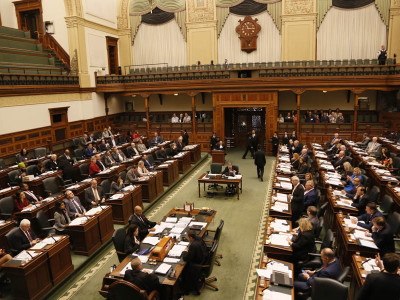
Advocates and survivors are demanding the PC government stop delaying and officially declare intimate partner violence an epidemic in Ontario.
The move comes following the murder of a 58-year-old mother by her 25-year-old son in a Mississauga hotel room.

The last polls ahead of Monday’s Mississauga mayoral election show Carolyn Parrish has lost most of her lead, with current councillors Dipika Damerla, Alvin Tedjo and Stephen Dasko all making up significant ground on the veteran Mississauga politician.
Things began to turn when some opponents began negative campaigns following early polls that showed Parrish had a wide lead. It appears the tactic is working. With such a close race, candidates who can motivate large numbers of supporters to get out and vote Monday, could have a chance.

In the latest of a series of disruption and turmoil at Peel District School Board, Trustee Kathy McDonald is alleging the board’s Chair, David Green, physically assaulted her in May 2023 while attending an event for work.
McDonald, who has for years supported Black and other communities fighting to hold the PDSB accountable in the face of systemic discrimination she helped uncover, is now requesting a peace bond from the court to protect her from Green.

While Toronto just committed to a human rights approach when dealing with people in encampments and other forms of shelter, and the Region of Peel just backed a similar strategy that is humane, placing our fellow residents at the centre of any response to the crisis they are coping with, the City of Brampton, led by Patrick Brown and one of his key council allies, Rowena Santos, is doing the opposite.

Cyber crime, violence against women and auto thefts are part of the complex world of policing in the 21st century. Issues around eroding mental health also have to be dealt with by frontline officers, who lack training for such calls. How will Mississauga’s next mayor help set a modern public safety agenda while reining in police budgets that have become unsustainable?
To help voters ahead of the June 10th by-election The Pointer is publishing a series on the five biggest issues facing residents.
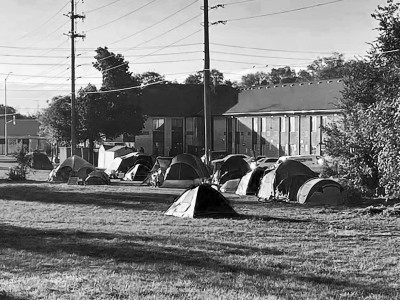
Staff and elected officials are addressing a crisis that has been worsening in Peel for decades as local responses to affordable housing have been largely ignored. A recent report to regional council laid out strategies to support those who are unhoused.
Makeshift tent encampments continue to pop up across Brampton and Mississauga while emergency shelters remain overwhelmed.

The Region’s Diversity, Equity and Inclusion Advisory Committee grapples with its mandate and desire to deal with Anti-Palestinian racism… but not before having its meeting virtually hijacked. Meanwhile, Regional Council revisits its controversial January 25th meeting, behind closed doors.

It is estimated that $600 billion is required across Canada to provide the infrastructure needed to support new home construction in cities mandated by provinces and Ottawa. This comes as the price of building materials and labour costs steadily increase.
Mississauga’s next mayor also has to fund the hundreds of millions needed to transition the transit system to a cleaner, greener operation, while finding a billion dollars to operate the soon to be launched Hurontario Street LRT.
To help Mississauga voters ahead of the June 10th mayoral by-election The Pointer is publishing a series on five pressing issues identified by residents.

A new generation of Mississaugans eschew the car and much of the city’s suburban past.
The Hurontario LRT and GO Transit expansion are critical projects Mississauga’s next mayor must build on. Moving the city and its people in modern ways will support aspirations of becoming a major urban destination for residents and private-sector investment.
To keep voters in Mississauga informed ahead of the mayoral by-election The Pointer is publishing a series on the five most pressing issues highlighted by residents.

Following the May 23 mayoral debate hosted by Food Banks Mississauga, the organization’s CEO Meghan Nicholls told The Pointer the city’s next leader needs to explain ‘how’ local government will help residents with affordability.
According to the latest polls frontrunner Carolyn Parrish is still in the lead but her main opponents have made gains.
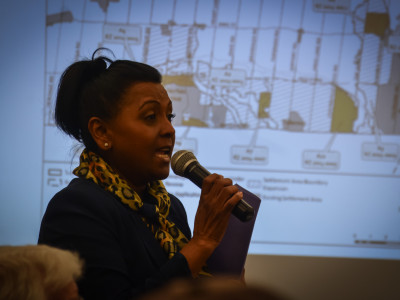
After removing her 12 zoning bylaws from the April 30th council agenda, the Mayor of Caledon promised four public information meetings to get community feedback on her snap decision to force the construction of 35,000 new homes which would double the size of the rural municipality.
The first two meetings featured blanket presentations by Town staff while residents continue to voice opposition over the surprise developer-driven plan.

The Lyons Narrows development, which would go a long way toward the City of Niagara Falls meeting housing and population targets, has been met with public opposition.
With a possible fight ahead at the Ontario Land Tribunal, staff point to a lack of justification by the applicant.

As Brampton’s population continues to increase over the next decade, so will the need to create new parks and recreation spaces. The City’s new Parks and Recreation Master Plan illustrates Brampton’s lackluster track record, meanwhile Brown’s numerous promises, like most of his misleading claims, to add features like a world class cricket facility have drowned in a series of budget freezes forced by a mayor who instead spends lavishly on questionable practices funded by taxpayers.
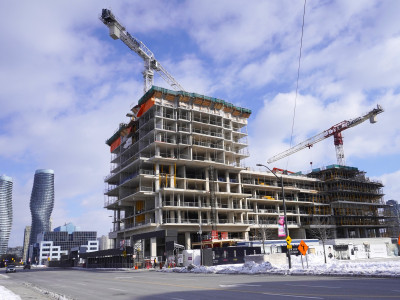
In an effort to curb the housing crisis and promote more affordable rentals across the city, Mississauga’s planning and development committee approved the City’s latest strategy to jumpstart affordability. The Affordable Rental Housing Community Improvement Plan will provide incentives to developers for higher density rental projects and affordable rental units in Mississauga’s lower-density neighbourhoods.
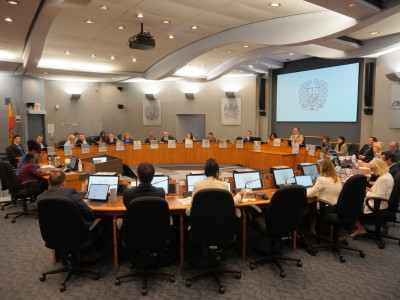
In 2018, Peel became one of the first municipalities in the country to approve a strategy to address human sex trafficking after evidence clearly showed the region was becoming the Canadian epicentre of this heinous crime.
The Region of Peel is creating a framework for compensating survivors who assist officials with expertise, using their lived experience of trafficking—which is often ignored by organizations and institutions.

Devastating floods and crippling ice storms that hit Mississauga in recent years were just the tip of the iceberg. From stormwater systems and distressed roads, to poor air quality and polluted watersheds, the impact of climate change is a multi-billion dollar problem facing the city. But on the campaign trail, few mayoral candidates have made it a priority.
To keep Mississauga residents informed ahead of the June 10th mayoral by-election The Pointer is publishing a series on five pressing issues facing the city’s next leader.
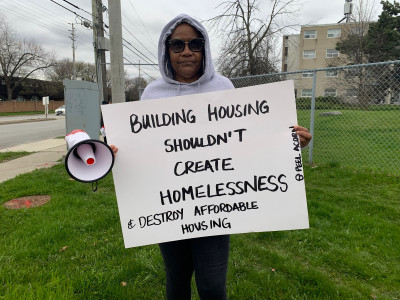
Tenants of 507 Balmoral Drive and Peel ACORN organizers gathered outside the building recently to rally against a possible “demoviction”. The tenants rights group says one of the remaining affordable housing properties left in Brampton could join others that no longer provide desperately needed apartments in the city.

Food Banks Mississauga is hosting a debate May 23 to find out how the city’s next mayor plans to solve problems linked to the lack of affordability across the country’s seventh largest municipality, which has demanded fair share funding from higher levels of government for decades.

Environmental groups have criticized governments for allowing the fossil fuel industry to claim the use of carbon capture and storage technology is justification for the continued burning of fossil fuels. Experts say its potential benefits are miniscule.
University of Ottawa professor Handan Tezel says while carbon capture is viable, and increasingly becoming cheaper, it should not distract governments from investing in the best solutions.

The PC government is moving ahead with its controversial Bradford Bypass highway through the provincially significant Holland Marsh, despite omitting key studies and refusing to consider any alternatives.
The provincial government needs to reimburse Peel taxpayers approximately $4.2 million for costs including $1.5 million for the Transition Board’s work up to March 15th and $2.7 million spent by the Region in its scramble to shut down regional government before Ford pulled the plug, wasting millions of taxpayer dollars.
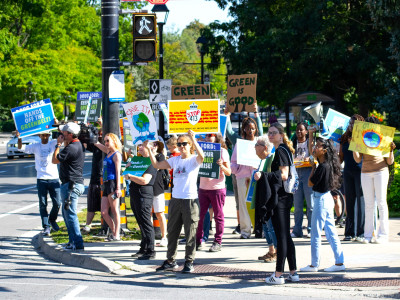
Peel’s Community Climate Council has launched a new resource, the Climate Hub, a database of resources to educate the community on environmental and climate change issues specific to the Region. In its infancy, the library has already garnered a lot of buzz for helping access vital information and creating community engagement.

To keep residents of Mississauga informed ahead of the upcoming mayoral by-election The Pointer is publishing a series on the five most pressing issues voters have identified.
With the city built out, the dilemma for the next mayor is how to balance the history of and demand for traditional family housing in Mississauga, with the reality of an affordability crisis best solved by building a better mix of home types. How can Mississauga have it all: the suburban appeal of larger homes and more space; alongside much more dense, complete communities that are better for our environment and more conducive to lifestyles that eschew the car and nesting inside homes that are no longer affordable?

On May 3 the Crown Attorney revealed the charges against Marino Cader, the Peel Children’s Aid Society’s former director of finance who allegedly defrauded the organization, were being withdrawn. The 18-month limit for an accused to be tried within a reasonable time had expired. Peel Police failed to gather and deliver documents in the case in a timely manner, leaving numerous questions about widespread financial mismanagement within the public organization unanswered, after multiple investigations by the union, the province and The Pointer exposed alarming conduct.
While the criminal charges have been dropped due to police incompetence, allegations of widespread financial fraud by the former CEO made in a civil claim filed by the former finance director, have yet to be proven.
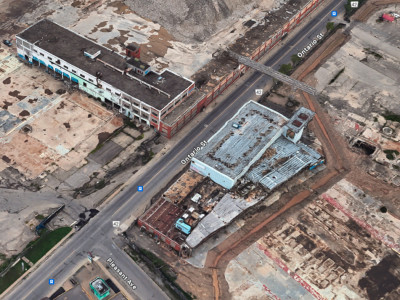
Pointing to changing market conditions, the developer that purchased the former GM site has halted work on the contaminated lands where future residents will move in.
Efforts by the municipality to revive the Ontario Street corridor have also been paused due to the developer’s sudden decision, citing financial concerns as the cause for delaying required studies, including an environmental assessment of the property, where toxic industrial chemicals were used for decades.
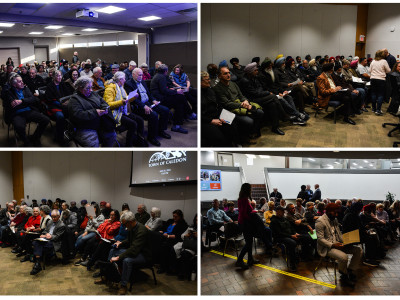
“Knowledge is power,” Caledon Mayor Annette Groves said, vowing to provide Caledon residents with all the information they need to understand her widely panned development proposal to facilitate the construction of 35,000 units in the town.
Despite this promise, which came after hundreds of angry residents filled Town Hall in protest, the Mayor, CAO and the Town have repeatedly failed to answer critical questions.
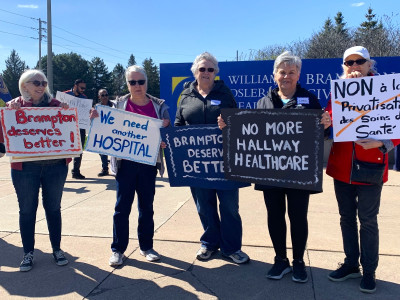
The ongoing erosion of public healthcare under the PC government, which continues to mix private delivery models with the universal system of care, was highlighted by those who demonstrated at Brampton’s lone hospital. The lack of frontline capacity to serve the rapidly growing city was also a focus.
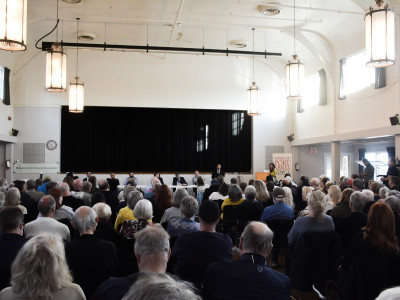
Mississauga mayoral candidate and sitting Councillor Dipika Damerla came under fire this week for vowing to cancel the city’s Bloor Street bike lane project if she wins the by-election, despite almost a year of work and substantial funding that has already been invested since the plan was approved.
Residents had their first chance to hear directly from candidates at public events this week, as a new poll showed frontrunner Carolyn Parrish has increased her lead over the field.

A 600-square-foot unit for $800,000; $2.5 million for a 1,600-square-foot unit.
The pre-construction cost of a Lakeview Village condo is out of reach for 80 percent of Peel residents, but the PC government is trying to rush construction claiming a lack of supply is the reason for the current housing crisis. The 16,000 units are being expedited while condo sales across the GTA have crashed. The high prices raise questions about who will benefit from the project being aggressively pushed by the PCs who issued a surprise MZO last year doubling the size of Lakeview Village.
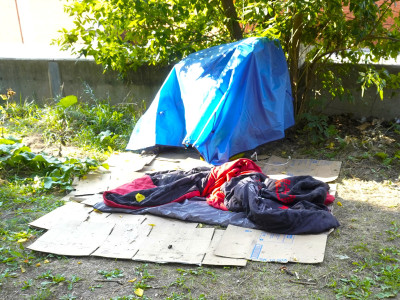
Brampton Councillor Rowena Santos and Mayor Patrick Brown have repeatedly complained about the lack of help from higher levels of government, while pushing budget freezes at City Hall and failing to fund housing support at the Region of Peel. The pair brought forward a successful motion at the Region in March passing the responsibility to Ottawa, despite jurisdiction over housing and shelter support lying at the local level of government in Ontario.
As encampments spread across the city regional staff are hosting a public information session Thursday to address the spread of makeshift shelters popping up across Brampton.

Armagh House, an organization that offers the only transitional housing in the Region of Peel for women and children seeking shelter to escape violence in the home, was recently awarded funding through the federal Housing Accelerator Fund. While the PC government has finally agreed to support an NDP motion to declare intimate partner violence an epidemic in Ontario, it continues to ignore the need for financial support that would help save lives.
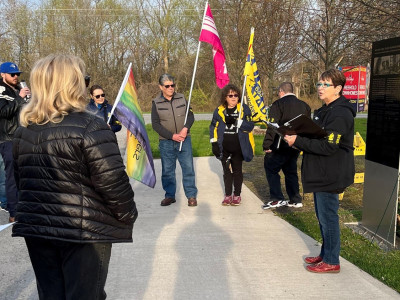
Ceremonies were held across Niagara to mark the United Nations’ World Day for Safety and Health at Work, or as it is more widely known in Canada, the National Day of Mourning.
Memorial services take place nationwide every year on April 28th to remember and honour those lives lost or injured as a result of their employment.
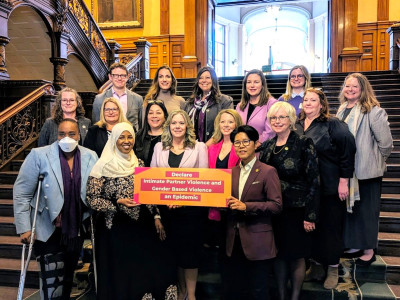
The PC government made the surprise move of supporting an NDP private-member’s bill to declare intimate partner violence an epidemic in Ontario—something it has repeatedly refused to do. But instead of approving the bill, it has been referred to the justice committee for study ahead of an official declaration. It has some worried that the PC support was just a delay tactic that could continue to leave women and gender-diverse individuals at risk across Ontario.
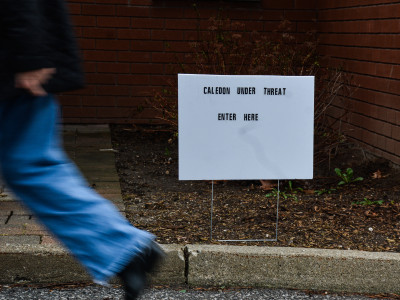
After promising to listen to residents, and despite blunt communications from the provincial and regional governments that highlight her plan’s non-conformity with overriding policies, Annette Groves launched a web page Friday that suggests she does not care what others think—the Mayor is determined to give developers what they want: unchecked access to land for the construction of 35,000 new homes.

Facer Street, a historic St. Catharines community, is set to be transformed by the twinning of the Garden City Skyway, and maybe not for the better.
Residents are collaborating to ensure they are involved in the project process and that any changes as a result of the massive infrastructure project will be positive for the community.
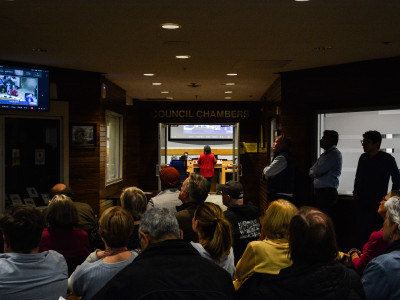
Nathan Hyde, the Town’s top bureaucrat—hired by Annette Groves who hand-picked him using her Strong Mayor powers in Caledon—has not explained how a secretive scheme to push through the largest development plan in the municipality’s history was put together.
Their disturbing conduct has been described as “anti-democratic” by residents demanding the ill-advised plan, which would create billions of dollars in value for developers, be scrapped. The PC government has criticized what Hyde and Groves have done, raising concerns over the lack of conformity to overriding provincial and regional policies.

As the mayoral and Ward 5 by-elections approaches to fill the two vacant seats on Mississauga City Council, two candidate debates will be held May 6 and 7 to give residents a chance to ask candidates questions on the most pressing issues facing their city. Resident engagement during this final month ahead of the by-election will be critical as recent elections have been dampened by historically low voter levels.