
Anatomy of an Upset: Lori Lococo defeats Jim Diodati to become Mayor of Niagara Falls
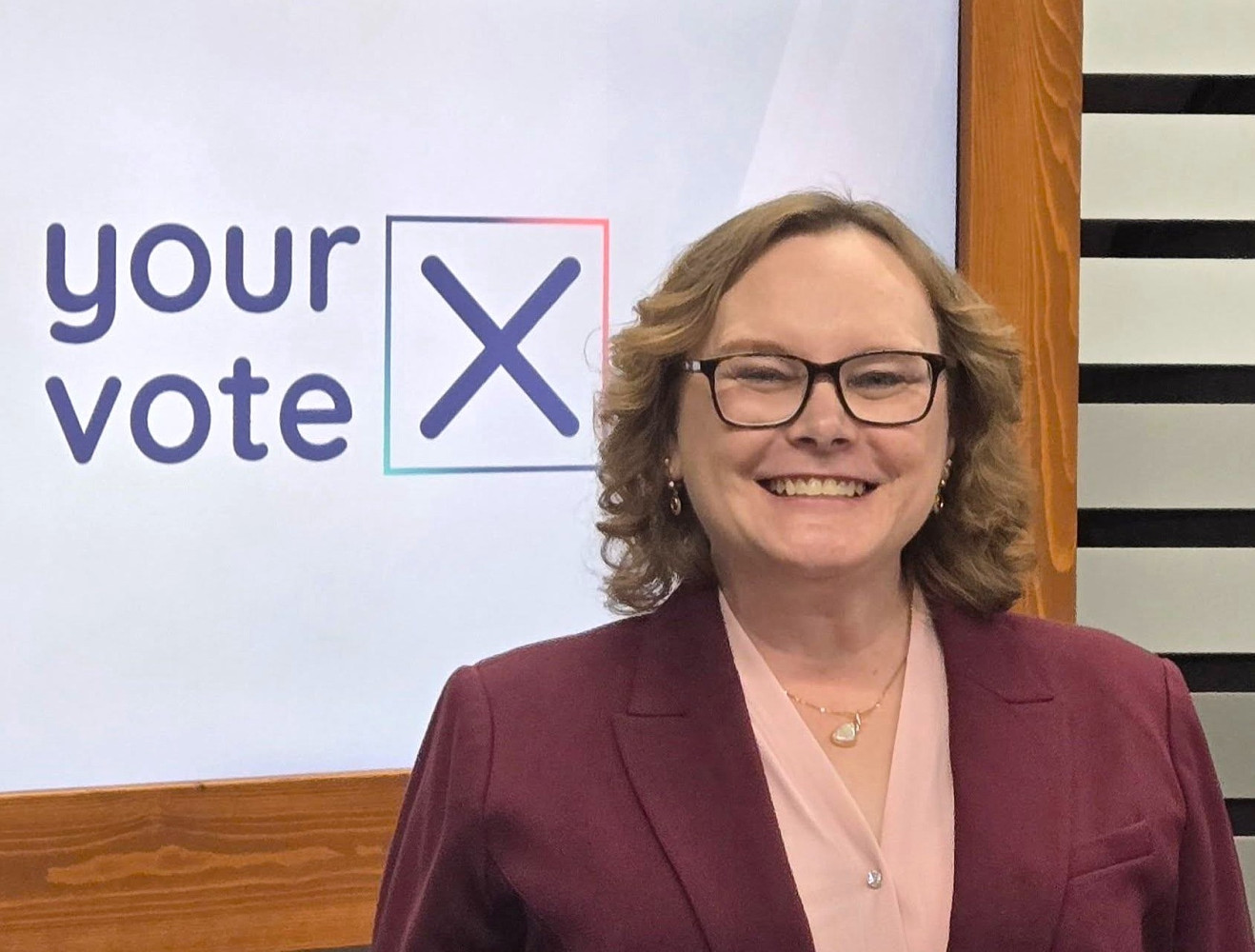
In arguably the biggest upset of the night in Niagara politics, two-term city councillor Lori Lococo defeated the seemingly unbeatable four-term incumbent Jim Diodati for the position of Mayor of Niagara Falls.
Lococo finished with 51.45 percent of the vote to Diodati’s 41.73 percent, thwarting the incumbent’s bid to become the longest-serving mayor in Niagara Falls history. Lococo made history by becoming the first female to hold the mayor’s seat in Niagara Falls. Voter turnout was 34.2 percent, up from 27.5 percent in 2022.
When asked by The Pointer what was the decisive factor in her victory, Lococo replied, “All of these people. The volunteers. So many people behind me that brought their time, their skills, their effort, their support, their words of encouragement. That's why I'm here because of this whole team of people.” Lococo also gave special credit to her 25-year-old campaign manager, Carter Yacyshyn.
The result would have been hard to predict on May 1 when nominations for the municipal election opened. On that first day, Diodati filed for re-election, while Lococo dispelled any rumours that she might aspire to the mayor’s chair by filing for her third term on council.
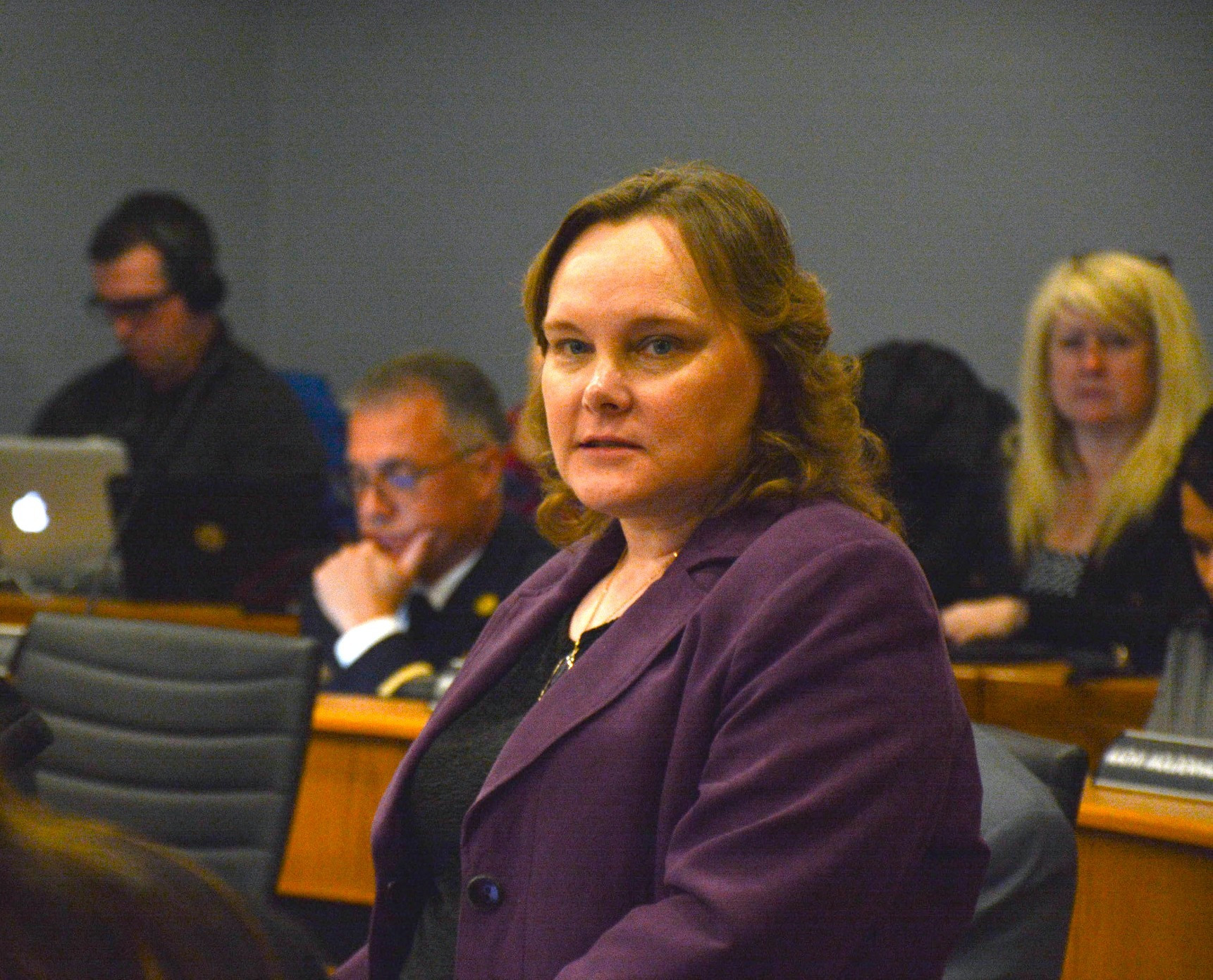
Lori Lococo was consistently the only voice in the Niagara Falls council chamber calling for accountability and transparency for taxpayers, as she was repeatedly shut down by outgoing mayor Jim Diodati, who controlled the other councillors. (Joel Wittnebel/The Pointer)
Based on her strong showing in the 2022 election, where she finished second in the at-large councillor election system and had increased her vote total by 3,000 votes, Lococo looked like a good bet for re-election; however, she would have been facing what would have likely been another four years as a lone voice on council. During the term, her motions were often not approved or even seconded by her council colleagues, who dutifully supported Diodati.
Early in the nomination period, events led her to reconsider her decision. Most notably, the impacts of the Province’s Destination Niagara Strategy.
Released in December 2025, the strategy promised to double tourism in Niagara Falls to 25 million visitors a year. While tourism is the lifeblood of the Niagara Falls economy, locals often feel their concerns are given short shrift as politicians focus on the needs of those who flock to the community for its natural beauty and various attractions, instead of the residents who live here permanently.


According to the province, “Niagara’s $3 billion tourism industry is a key driver of the regional economy and supports 40,000 jobs and a wide range of businesses. The region attracts more than 13 million tourists each year and its industry represents a six percent share of the region’s GDP.” (Alexis Wright/The Pointer)
As the public learned more about the strategy, what was even more concerning to many was the proposal for an “observation wheel” in pristine Queen Victoria Park.
Diodati, a staunch supporter of Premier Doug Ford, had lauded the Destination Niagara strategy and did not explicitly come out against the observation wheel proposal. It was not until a couple of hours before a town hall meeting hosted by Niagara Falls MPP Wayne Gates, which saw 1,200 residents attend in opposition to the Ferris wheel proposal, that Diodati announced: “There won’t be a second Ferris wheel in Queen Victoria Park.”
In a campaign video, Diodati would take sole credit for stopping the Ferris wheel, neglecting to mention the galvanized public opposition to the proposal or the efforts of the local member of Provincial Parliament.
In August, when asked by The Pointer if there was a failure of municipal leadership on the issue, Lococo responded diplomatically: “I don't know if he (Diodati) led on the issues, but I think there was certainly an opportunity to ask more questions, to bring up the residents’ concerns.”
While not in her nature to make rash decisions, Lococo sensed there had been “a lot of changes in the community” and a growing sentiment that residents were not being heard.
After seeking out the opinions of “trusted friends, confidants and mentors”, Lococo decided to make the switch, filing to run for mayor the day before nominations closed.
Her sense that residents of Niagara Falls wanted something different after 16 years of Mayor Diodati was borne out in one of her campaign taglines—“Time for Change”; she also called for greater transparency at City Hall and vowed to listen to residents’ concerns, which resonated with the electorate.
Diodati may have sensed that change was in the air. Early in the campaign, he announced he was “asking for one final term to get the job done”, having made it clear that he wanted to preside over the ribbon-cutting when the South Niagara Hospital opens in Niagara Falls, slated for 2028.
Despite his election success, going into this year’s election Diodati had been criticized for his support of municipal amalgamation, cozying up to the Premier in the last Provincial election, his council’s heavy-handed approach to Integrity Commissioner complaints, and for calling police on peaceful advocates inside council chambers.
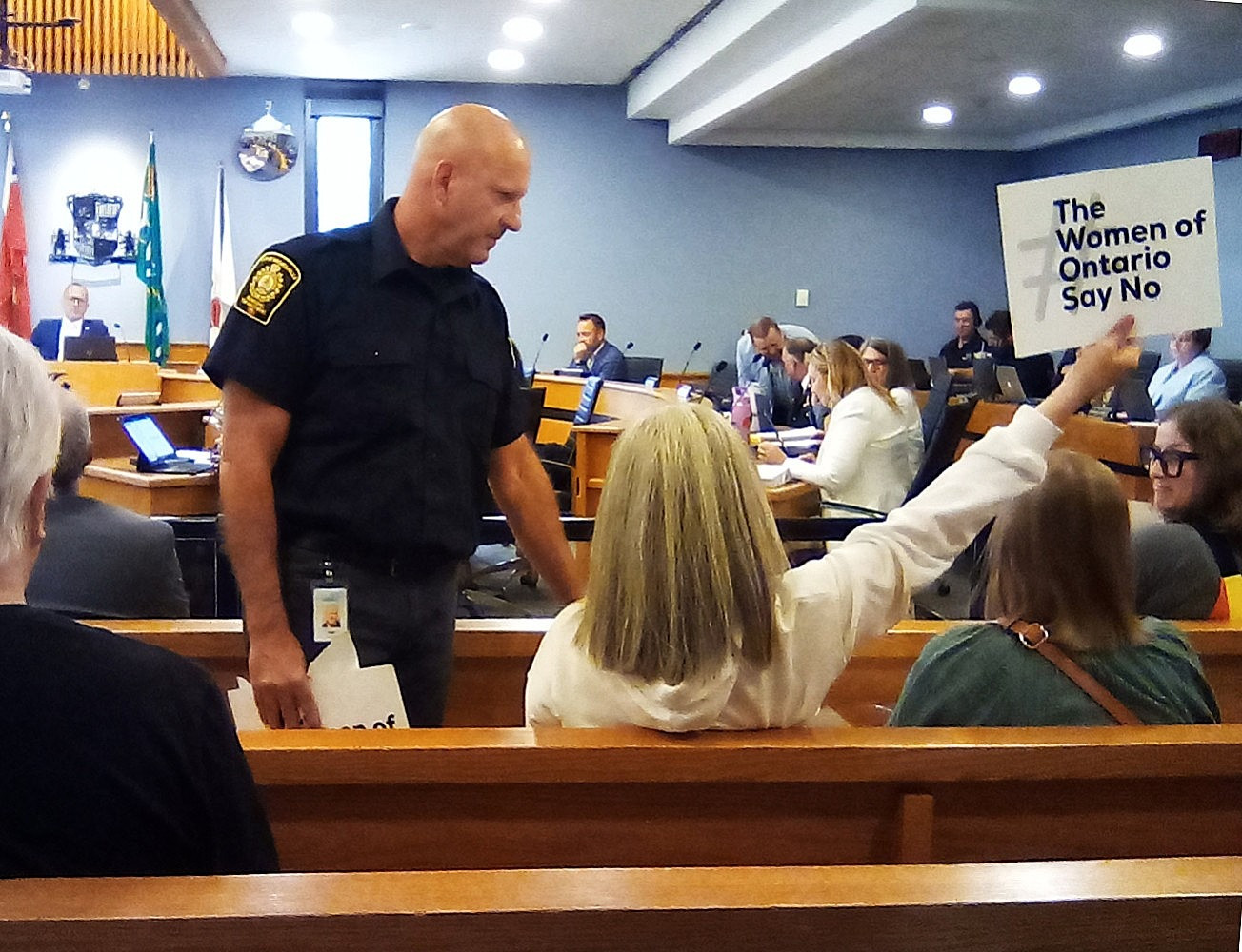
Under Jim Diodati’s leadership women were removed from the Niagara Falls council chamber and arrested before being released after they tried to advocate for stricter rules to clamp down on bad behaviour by municipal politicians. (Ed Smith/The Pointer)
As extensively reported by The Pointer’s Ed Smith, Diodati’s treatment of women who sought to delegate inside the chamber regarding proposed provincial legislation to introduce harsher rules around the behaviour of municipal politicians, drew a widespread backlash.
He used heavy-handed tactics as the head of council to block the women from delegating. His disturbing conduct was seen by many women as a flagrant example of bullying by an elected official, after he denied their efforts to speak, claiming an ongoing sexual assault case against Councillor Mike Strange prevented any discussion that could potentially bleed into his case, which he claimed was not allowed.
Diodati then turned around and allowed Strange to use the council chamber to defend himself against the charge of intimate partner violence, which he was eventually found not guilty of.
Strange and Diodati appeared to have colluded in a disturbing effort to get a local social club to block out the women from the council chamber, in an effort to bully them while showing support for Strange.
Diodati’s questionable tactics and lack of transparency started to catch up with him.
After claims about the benefits of the new University of Niagara Falls, which he aggressively pushed for years with little information to support his repeated promotion of the project, Diodati went silent when the university finally opened and failed to deliver the economic development he had promised.
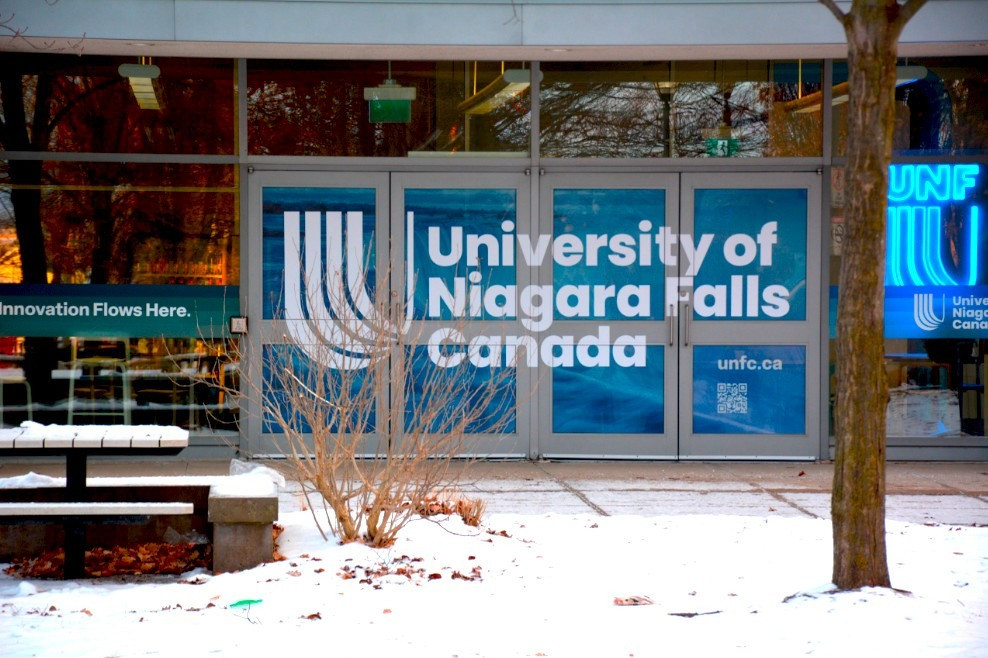
Jim Diodati has made claims about the success of the new University of Niagara Falls without providing evidence of its performance. (Joel Wittnebel/The Pointer)
Another controversial project he pushed, using $8 million of taxpayer money from local and federal government coffers, has also come under fire. The “Niagara Falls Innovation Hub” was supposed to catalyze investment and spur economic growth in Niagara Falls, Diodati promised.
Lococo tried doggedly for years to get information about the Hub, the people connected to Diodati who benefited and financial statements to show whether the local economy was actually getting the gains he claimed. She was repeatedly thwarted by Diodati and his council allies.
In December of 2024, Lococo once again requested financial information from the Innovation Hub in order to better inform council’s decision making for the 2025 budget discussions.
“As councillors…there should be more financial information available to us, our ROI (return on investment) and what the businesses are bringing in,” Lococo told The Pointer at the time. “Since it was confirmed that the Innovation Hub is now owned and controlled by the City, I suggested that we re-evaluate the programs to know what is coming out of it and that we should know a little more. Additional information would be appreciated, such as where the benefits are, where the numbers are and what we are doing.”
Lococo was again blocked from getting the answers she sought.
It remains unclear how the Innovation Hub came to be owned and controlled by the City of Niagara Falls, after it was pitched years ago as a completely independent enterprise, with aggressive support from Diodati since its inception. He has never explained how The Hub went from an independent, external entity that received funding from City Hall, to an enterprise now owned by the municipality.
An aggressive campaigner, who advertised extensively and churned out videos on an almost daily basis during this year’s election, with a month to go before voting day, Diodati took aim at Lococo in the last weeks of the campaign, sensing her momentum after years of being the lone voice inside the council chamber who demanded accountability for taxpayers.
In a slickly produced video, he did not refer to Lococo by name but just as his “opponent”. He made various dubious allegations against Lococo, the most egregious was claiming Lococo voted against council’s purchase of extra land to build the new hospital. The vote on the purchase of land happened a year-and-a-half before Lococo was even on council.
Despite this fact, the false information was repeated by a third-party advertiser, under the banner Concerned Citizens for the Future of Niagara Falls, using attack-style advertisements.
As previously reported by The Pointer, early in the campaign Diodati had used an official City advertisement that was on restaurant placemats. Viewers, via an added QR code, were directed to his campaign website, contrary to the municipality’s Use of Corporate Resources for Elections Purposes policy.
While the City’s policy does not preclude a mayor from “performing their duties”, a stream of announcements by Diodati seemed to be strategically timed for the election period. Long-gestating projects like the extension of Thorold Stone Road from the Gale Centre to the City’s downtown were deemed closer to fruition in social media posts; the City’s communications staff invited media to a “special announcement” regarding the residential hospice and a decade-old property-standard eyesore, the dormant vacant parking structure at the corner of Dunn Street and Stanley Avenue, was affixed with a placard advertising a “coming soon” redevelopment.
At the end of the day, it may have just been voter fatigue. Diodati’s “politainment” style, which often had him doing videos unrelated to municipal business, might not have resonated with the older, voting demographic of Niagara Falls.
Or it could have been his non-transparent, heavy-handed leadership after four terms as mayor that turned voters off, and drew them to the only voice on council who consistently stood up to the mayor on behalf of the constituents who pay the bills.
When the votes started coming in on election night, the first poll gave Lococo a slight lead; at one point, Diodati inched ahead but after a sizable swing back to Lococo, the voting percentages remained consistent thereafter.
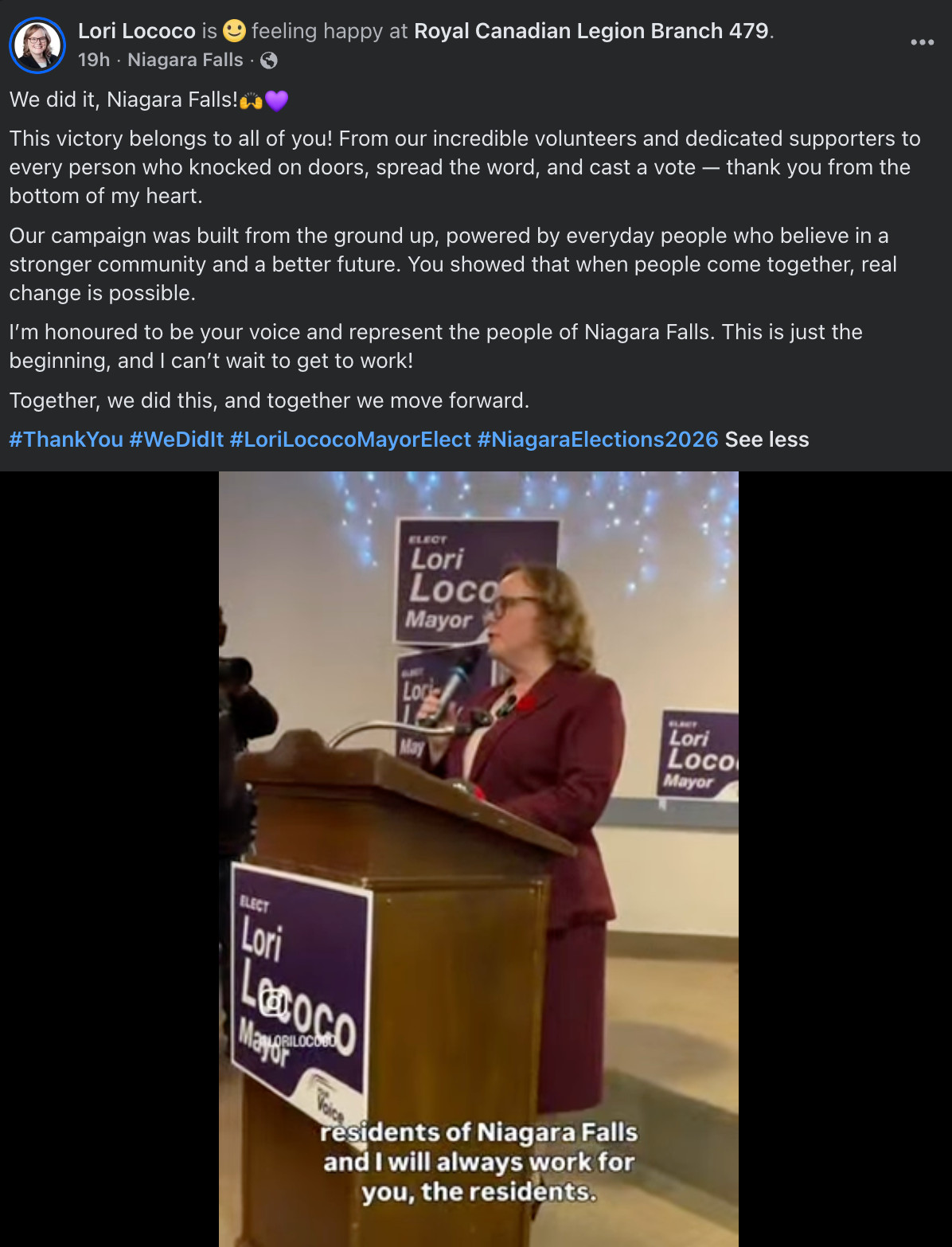
In her victory speech, Lori Lococo promised to listen to and work for the residents of Niagara Falls — with a “main focus” of making life more affordable across the municipality. (Lori Lococo/Facebook)
Now the hard work will begin.
Lococo told The Pointer how a municipal administration under her charge would be different: “I will bring a new style of leadership and a new way of doing things at City Hall with positive collaboration, diverse opinions from councillors and the community. I want people to feel that their voice matters, that we're here to serve them,” she announced.
With Lococo running for mayor and long-time councillors Victor Pietrangelo and Vince Kerrio not seeking re-election, the council had three openings. The voters returned incumbents Tony Baldinelli, Ruth-Ann Nieuwesteeg, Mona Patel, Chris Dabrowski and Mike Strange.
With the elimination of directly elected Regional councillors, two former City councillors, Kim Craitor and Joyce Morocco, are back.
The one truly new face around the horseshoe will be Fred Audibert, a retired Niagara Falls firefighter, who was personally endorsed by Wayne Gates. Audibert topped all council vote-getters by more than 2,500 votes.
The likely first task will be the municipal budget. Lococo has campaigned on zero-based budgeting, in which all expenses must be justified. When she raised it in the past, Diodati responded with a shrug, “either we raise taxes, or we cut services”, ignoring any need to scrutinize departmental budgets and find waste, including excessive labour costs that might be driving taxes higher.
On the greater transparency promise, there have been a number of City initiatives over the past number of years that have been opaque and lacking in fulsome public disclosure: the university, the partnership and proposed development at 4500 Park Street, the dissolution of the Downtown BIA, the hospice and the Innovation Hub.
When interviewed by The Pointer in August, Lococo expressed her desire for greater reporting on expenditures like the latter project. “Twelve million has gone into the Innovation Hub and $700,000 annually from the municipality’s OLG funds, but what return are we getting?” she noted.
Lococo will also inherit an outcome that had been promoted by her predecessor, a Regional council populated only by Niagara’s mayors.
“It is not a model that many residents want, but it is the model that we will have. I will work with the chair and the other 11 mayors to ensure that Niagara Falls residents will be heard,” she said during her election night speech.
As for who will be the Regional Chair, after his defeat several Diodati supporters floated the notion that the vanquished mayor could preside over Regional council...and Lococo.
At a media scrum on the day the Provincial Legislature resumed, Minister of Municipal Affairs & Housing Rob Flack dismissed the notion of a defeated mayoral candidate being appointed if they had not applied for the Regional Chair’s position.
Email: [email protected]
At a time when vital public information is needed by everyone, The Pointer has taken down our paywall on all stories to ensure every resident of Brampton, Mississauga and Niagara has access to the facts. For those who are able, we encourage you to consider a subscription. This will help us report on important public interest issues the community needs to know about now more than ever. You can register for a 30-day free trial HERE. Thereafter, The Pointer will charge $10 a month and you can cancel any time right on the website. Thank you
Submit a correction about this story

