
‘A race to the bottom’: Ottawa’s proposed species-at-risk policy will weaken wildlife protection for profit
Ottawa may be taking a page from Ontario’s playbook on protecting species at risk, with proposed changes to its permitting process that critics warn could make it easier to push through harmful projects while facing fewer safeguards — “saving time and money at the expense of biodiversity”.
On October 5, an email landed in FLAP Canada’s BirdSafe Buildings coordinator Brendon Samuels’ inbox: the federal government was proposing a new framework for how federal departments should assess applications for agreements and permits under Sections 73 and 74 of the Species at Risk Act (SARA).
For more than two decades, the Species at Risk Act (SARA) has been preventing “wildlife species in Canada from disappearing”, supporting the recovery of those that are already extirpated (no longer found in the wild in Canada), endangered or threatened, and managing species of special concern to prevent them from becoming endangered or threatened.
The Act also recognizes that some activities may still need to proceed even when they affect a protected species.
Sections 73 and 74 determine how certain activities that would otherwise violate the Act’s protections, including harming listed species, damaging their residences or destroying critical habitat, proceed if specific legal conditions are met.
Any proponent seeking to carry out an activity that could violate SARA’s prohibitions must first obtain a permit from the competent federal minister (either the Minister of Fisheries, Oceans and the Canadian Coast Guard for aquatic species or the Minister of the Environment for all other species, with Parks Canada overseeing activities within federal protected heritage areas) allowing the minister to assess whether the legal test is met and impose conditions to minimize harm.
Under the existing legislation, permits can only be issued when an activity meets one of three purposes: scientific research relating to the conservation of the species, an activity that benefits the species or is required to enhance its chances of survival in the wild, or an activity in which affecting the species is incidental to carrying out the activity.
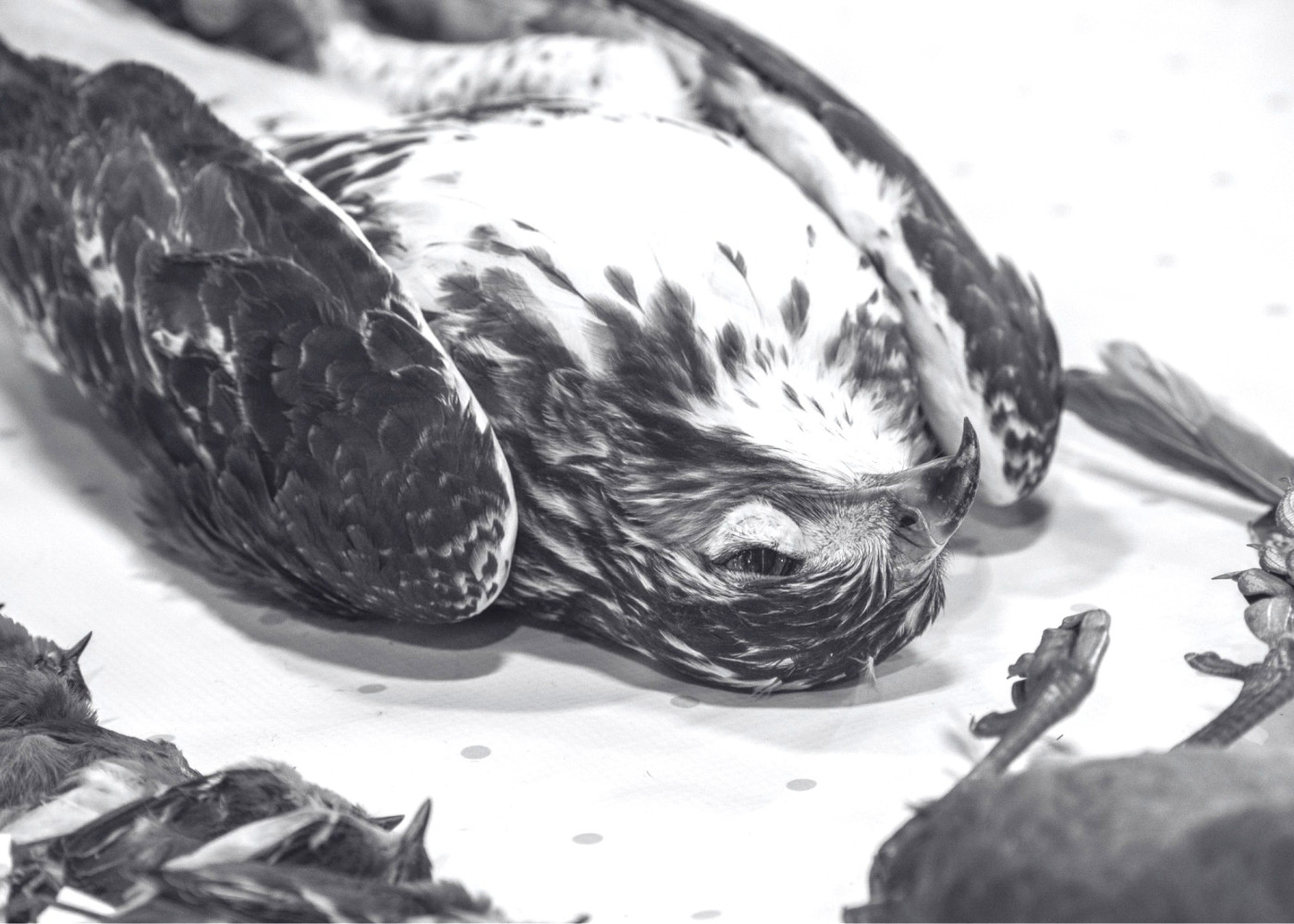
An “incidental take” is the unintentional harming, killing, harassing, or capturing of a protected species as a secondary consequence of an activity (like construction, infrastructure development or other land-altering projects) that is otherwise legal.
The proposed policy provides federal officials with guidance on how to interpret those provisions and assess applications.
“This doesn’t seem too serious. It’s just an adjustment to a policy. They’re not changing the law,” Samuels thought initially.
But conversations with colleagues, legal experts and a deeper dive into the proposed amendments led him to reconsider.
The Species At Risk Act requires three legal preconditions or tests to be met before a permit can be issued: all reasonable alternatives that would reduce impacts on the species must be considered, all feasible measures to minimize those impacts must be taken, and the activity must not jeopardize the survival or recovery of the species.
Although SARA’s legal requirements take precedence over any contradictory policy, critics worry the proposed policy could weaken how those requirements are interpreted and applied by federal departments and decision-makers overseeing permits in practice.
“It looks like part of a broader effort by the [Mark] Carney government to change laws and regulations and policies — all to weaken protection for species at risk and other wildlife to let proponents build harmful projects with fewer safeguards, so that proponents can save time and money at the expense of biodiversity,” Ecojustice Staff Lawyer Dyna Tuytel told The Pointer.
She identified the addition of a “new significance test” into the “jeopardy test” as the “first big problem” in the proposed federal policy.
While SARA prohibits permits for activities that would jeopardize a species’ survival or recovery, Tuytel argued the proposed policy introduces an additional threshold by requiring harm to make survival or recovery “significantly more difficult”.
It could allow projects to move forward even when a species is already facing imminent threats to its survival, as long as the additional harm is not deemed significant enough. Tuytel believes such an approach is unlikely to be “precautionary” and runs counter to SARA’s purpose of “preventing species extinction and providing further recovery”.
She also identified the language as being “vague and subjective”.
“It’s not clear how much closer to extinction a project has to push a species to be making survival significantly more difficult,” she noted.
In May, the government released two discussion papers to give cabinet ministers “limited” power to exempt specific major projects from SARA’s “jeopardy test” — “only if it’s in the public interest and if the proponent has made all reasonable efforts to avoid or reduce impacts on at-risk species”.
The proposal triggered intense backlash during the summer consultation period, prompting Ottawa to abandon the planned exemptions, which were ultimately left out of Bill C-39, officially titled the Building Canada Strong Act.
The omnibus bill, tabled just days after Carney picked West Coast Oil Pipeline as the first national interest project despite its impacts on the Endangered Southern Resident Killer Whales, proposes to create mechanisms to designate “Regions of National Interest” to speed up the approval and construction of major infrastructure projects like pipelines, mines, highways, ports, and nuclear facilities.
Bill C-39 builds on the foundations laid by Bill C-5, dubbed the One Canadian Economy Act, that introduced a “one project, one review” approach to major projects and created the Major Projects Office.
Tuytel noted the Building Canada Act already gives Cabinet the flexibility to waive SARA requirements for national interest projects; Bill C-39 expands those powers to entire regions while allowing the responsible minister to change SARA permit conditions even after they are issued.
“It seems like the government doesn’t want to undermine SAR [species at risk] directly but is making all these efforts to do it indirectly,” she observed.
The concern is especially acute for species already facing habitat loss, population decline and other pressures.
Tuytel argued the policy doesn’t adequately account for the combined impacts of past, present and anticipated future threats to a species including historical hunting, ongoing logging and industrial activity and the accelerating effects of climate change—pressures that shape a species’ current population, habitat conditions and prospects for recovery, all of which are essential to understanding how a project could affect its survival.
“Officials will assess the residual impacts of the activity after all reasonable alternatives have been considered and all feasible measures have been taken to minimize impacts on the species, its critical habitat, or the residences of its individuals,” the policy states.
“[They] will then determine whether those residual impacts would make the survival or recovery of the wildlife species significantly more difficult.”
Tuytel described the danger of assessing individual impacts in isolation as a form of “death by 1,000 cuts”.
“I’ve been thinking of it like trying to decide whether a proposed activity is the straw that will break the camel’s back, but ignoring the other straws,” she said.
How will these policies, if implemented, look in play provincially?
Under the Memorandum of Understanding signed between Ottawa and Ontario for Highway 413, the Ministry of Transportation was required to assess the effects of the 400-series highway corridor on species habitats, particularly the “endangered” Redside Dace, an endangered minnow known for its bold red stripe, if it was to obtain the necessary permits from the Department of Fisheries and Oceans (DFO).
DFO experts “pushed back” against MTO, advocating there is “likely enough information available” to complete a comprehensive jeopardy assessment and that not all data gaps can be resolved through detailed design work alone.
Tuytel said some of the species affected by the proposed Highway 413 would still require a federal permit under the Species at Risk Act.
“But it might really water down how the federal departments are applying the test and result in decisions that are less protective of those species at risk,” she added.
For FLAP Canada’s Brendon Samuels, who has dedicated more than six years to bird safety and window collision research, the concern stems from how the proposed changes under Sections 73 and 74 of SARA could harm migratory birds and extend the scope for authorizing the incidental killing.
The policy explicitly includes activities where “affecting the species is incidental to carrying out the activity” as one of the purposes for which a SARA permit can be issued.
Samuels argues it is in “direct contravention” of Section 5(1) of the Migratory Birds Regulations (MBRs), 2022, which prohibits killing, injuring or harming legally protected Migratory birds, or destroying nests. The regulations were established under the Migratory Birds Convention Act (MBCA), which implements the treaty signed by the United States and Canada on August 16, 1916.

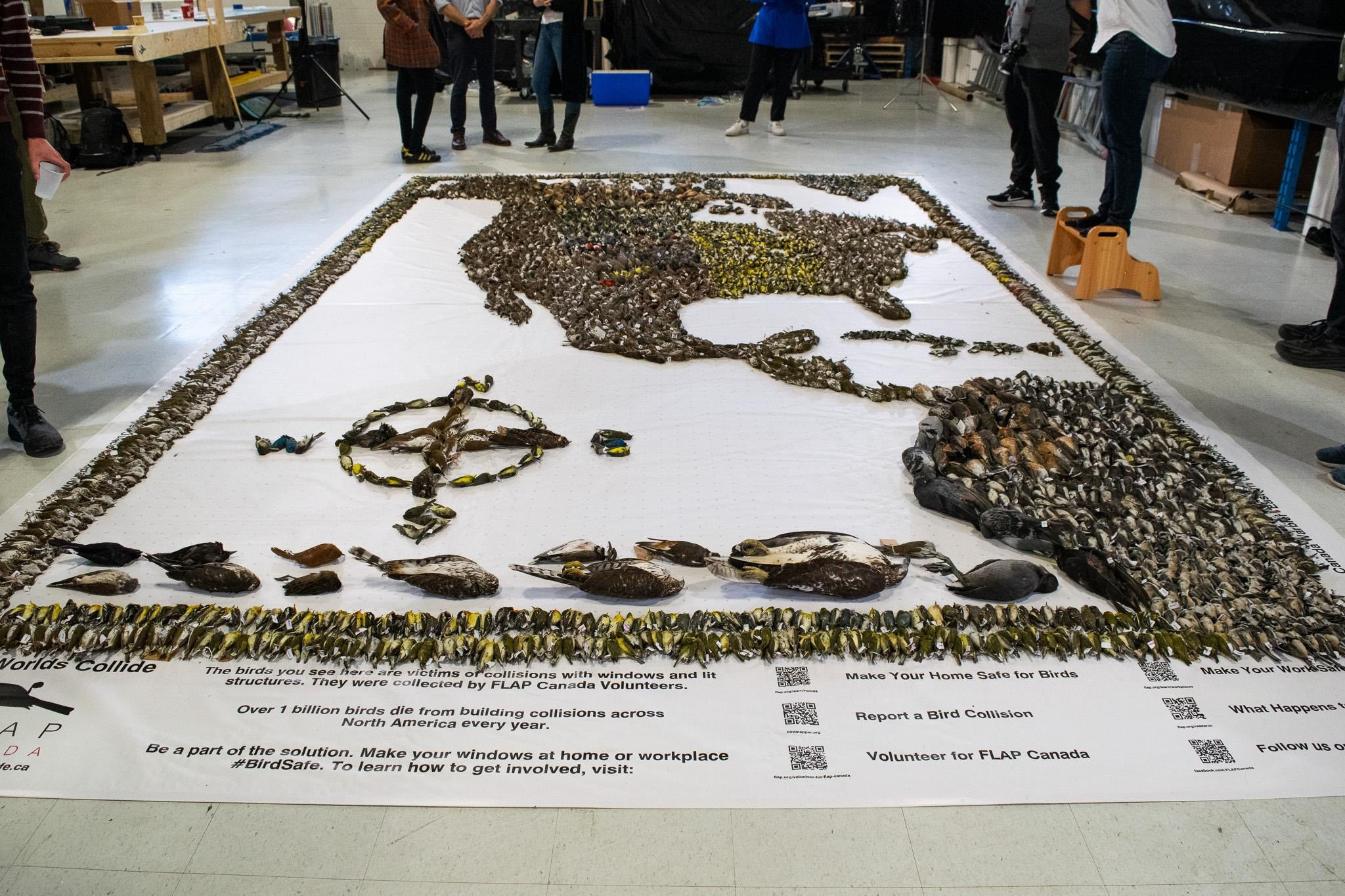
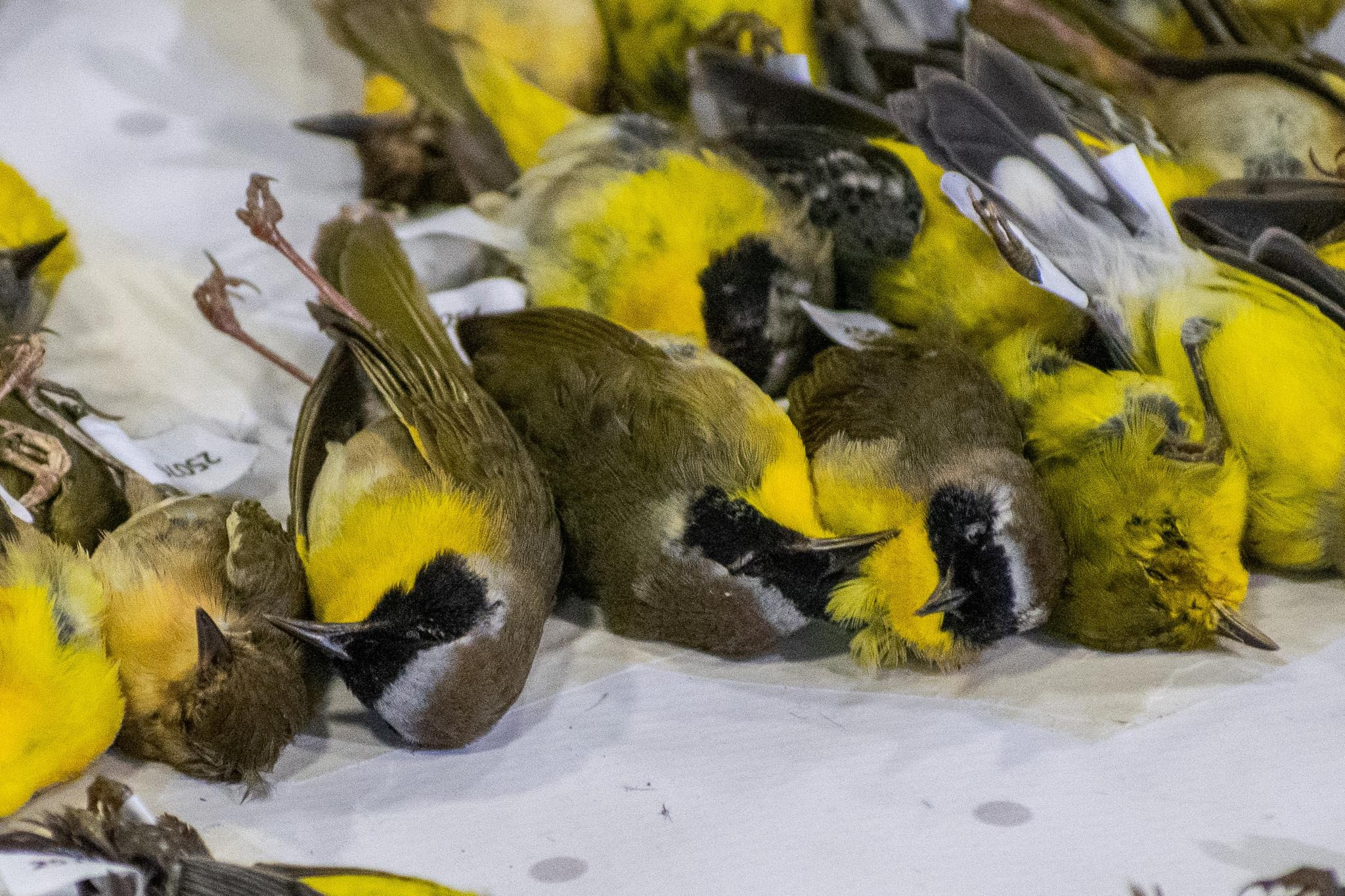
Brendon Samuels, BirdSafe Buildings coordinator for FLAP Canada, at FLAP’s 2026 annual bird layout.
(Alexis Wright/The Pointer)
“The government seems to be putting the cart before the horse a little bit with this,” he told The Pointer.
“Permits may authorize take under certain strict conditions, but there are currently no legal mechanisms to lift these prohibitions or permit activities that cause incidental take of individual Migratory birds or their nests.”
He has been closely monitoring the federal government’s ongoing work on changes to the Migratory Birds Regulations that could establish a system for authorizing incidental take and allow activities that kill individual birds or destroy their nests under certain conditions. The regulatory proposal on “migratory bird welfare” is expected to be published in winter 2027 for a 30-day public comment period.
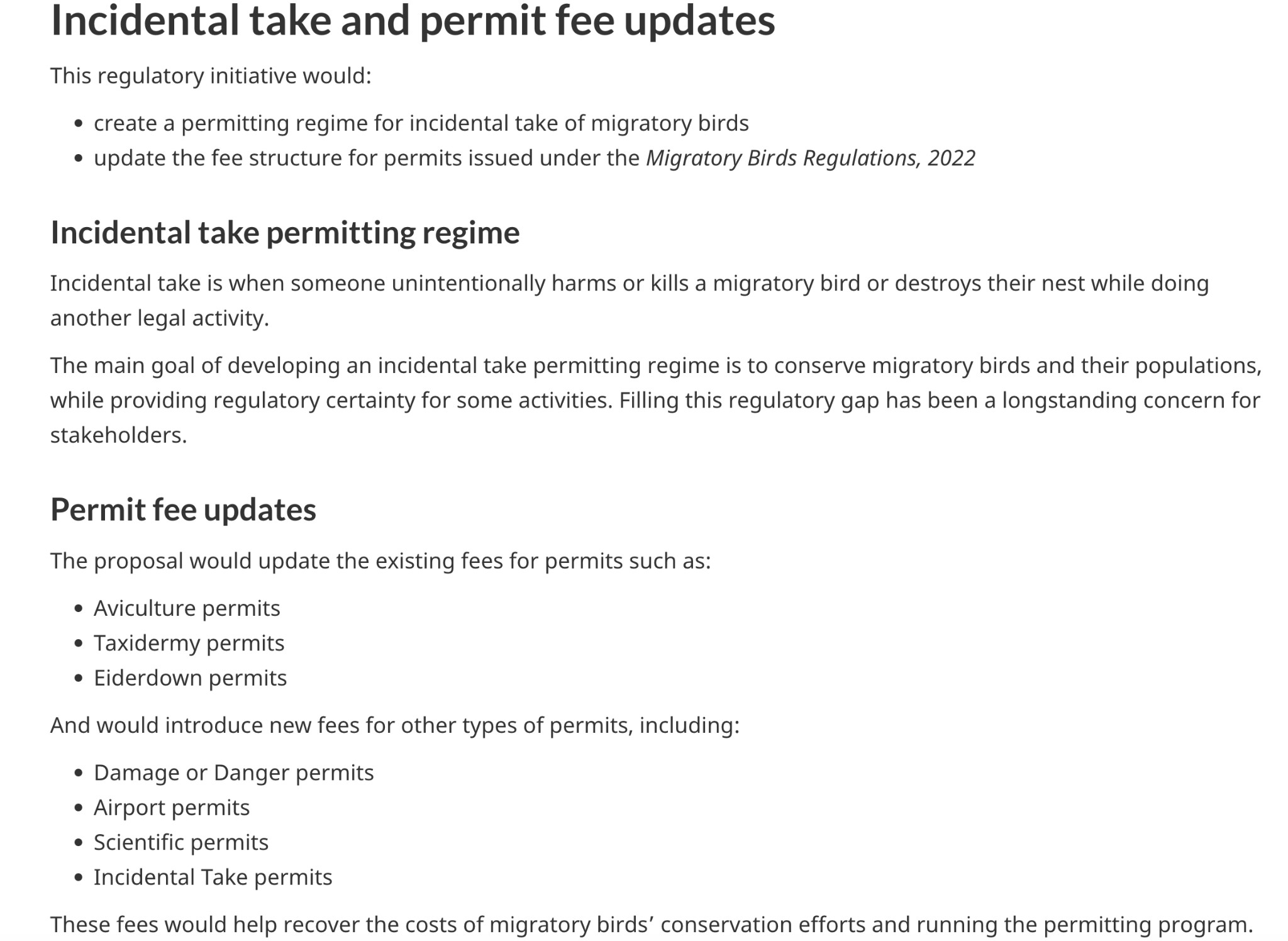
The federal government is developing a new permitting regime that would allow activities to unintentionally kill or harm migratory birds, or destroy their nests while carrying out otherwise lawful work, with the proposed system intended to provide regulatory certainty for industries while supporting bird conservation. The draft regulations are expected to be published for public comment no earlier than 2027. (Government of Canada)
Samuels has observed that the existing prohibitions have encouraged industries to adopt practices to avoid harming birds, since companies could face prosecution if they failed to exercise “due diligence” to prevent harm.
“The ‘regulatory uncertainty’ created by these prohibitions meant that industries concerned about prosecution were incentivized to use best practices to minimize harm,” he said.
“Federal charges, fines and court challenges did occur, particularly in some sectors, and third-party prosecutions were also possible.”
Samuels warns that a broad permitting system could “significantly” weaken protections, “since a permitting system that is so wide in scope may need to be carried out with limited government oversight” as well as scientific capacity to assess the cumulative impacts of widespread bird mortality and nest destruction.
On May 25, the Standing Senate Committee on Energy, the Environment and Natural Resources wrote a letter to environment minister Julie Dabrusin highlighting its concerns about the federal government’s support for Canada’s species-at-risk assessment system, warning that “insufficient” resources are slowing the identification and protection of vulnerable wildlife.
Testimonies from the Committee on the Status of Endangered Wildlife in Canada (COSEWIC) and the federal environment watchdog noted funding pressures were limiting COSEWIC’s ability to complete assessments and reassessments promptly, delaying implementation of the SARA itself.
COSEWIC’s assessments are conducted by experts in the field, who review available scientific information and recommend whether a species should be classified as endangered, threatened or of special concern. Those recommendations are then submitted to the federal environment minister, who makes the final decision on whether to list a species under SARA.
“Based on the department’s target of 60 assessments and reassessments per year at the time of the audit, it would take over a century to assess all species that are potentially at risk,” COSEWIC chair David S. Lee said.
“It is cheaper in the long run to protect and identify species before they get too endangered or their populations diminish.”
However, Environment and Climate Change Canada (ECCC) itself is facing a $1.3 billion reduction in funding as part of a planned 15 percent departmental budget cut ($63 million in 2025–26), with up to 15 percent of its workforce to be laid off in the coming years.
ECCC had already reduced the number of species status assessments and reassessments it planned to support annually from 80 in 2021–22 to 75 in 2022–23 and to 60 in 2023–24.
“In all cases, these targets were not met,” a new federal report emphasized.
“The backlog of species needing reassessment will grow from 389 to 574 by the end of 2030 at the current target.
“If species are not reassessed within the ten‑year time frame required under the Species at Risk Act, Canadians and parliamentarians may not know whether a species’ status has improved, remained the same, or declined and whether recovery actions for a species may need to change or funding be reallocated to other species in need.”
Samuels fears the latest wave of proposed amendments could create more avenues for industries to avoid legal consequences for harming wildlife.
Unlike other terrestrial species at risk, migratory birds receive federal protections across all lands in Canada, not just federal lands. This gives the federal government an important role in overseeing activities that could harm migratory birds, including projects on non-federal lands, even after the Supreme Court ruled in 2023 that much of the federal impact assessment regime intrudes on provincial jurisdiction.
Federal prosecutions and third-party legal challenges involving migratory birds such as Ecojustice v. Cadillac Fairview and Western Canada Wilderness Committee v. Canada (Environment and Climate Change) have been possible on non-federal lands because the prohibitions under the Migratory Birds Regulations apply across Canada.
If incidental take is authorized or brought under a permitting system, Samuels cautions that pursuing similar prosecutions and legal challenges on non-federal lands could become considerably more difficult, except in cases where the Governor in Council has issued a SARA protection order — which he called “a rare event”.
“The birds are already being killed. We need to figure out how we turn off the hose and reduce that suffering as much as possible,” Samuels said.
“And we’re just having tools removed from our tool chest because I think they are posing a threat to economic interests, or at least that’s the perception.”
But that’s not where the troubles end for migratory birds in Canada.
If a building is killing Canada warblers, conservation advocates can currently report the prohibited harm to the Canadian Wildlife Service or Environment and Climate Change Canada, since the species is protected under SARA as well as the Migratory Birds Regulations.
Under Section 97 of SARA, an individual convicted of an offence involving a protected species faces a maximum fine of $50,000, up to one year in prison, or both if prosecuted by summary conviction. If prosecuted by indictment, the maximum fine rises to $250,000, with a possible prison term of up to five years, or both.
For corporations, the maximum fines are $300,000 on summary conviction and $1 million on indictment.
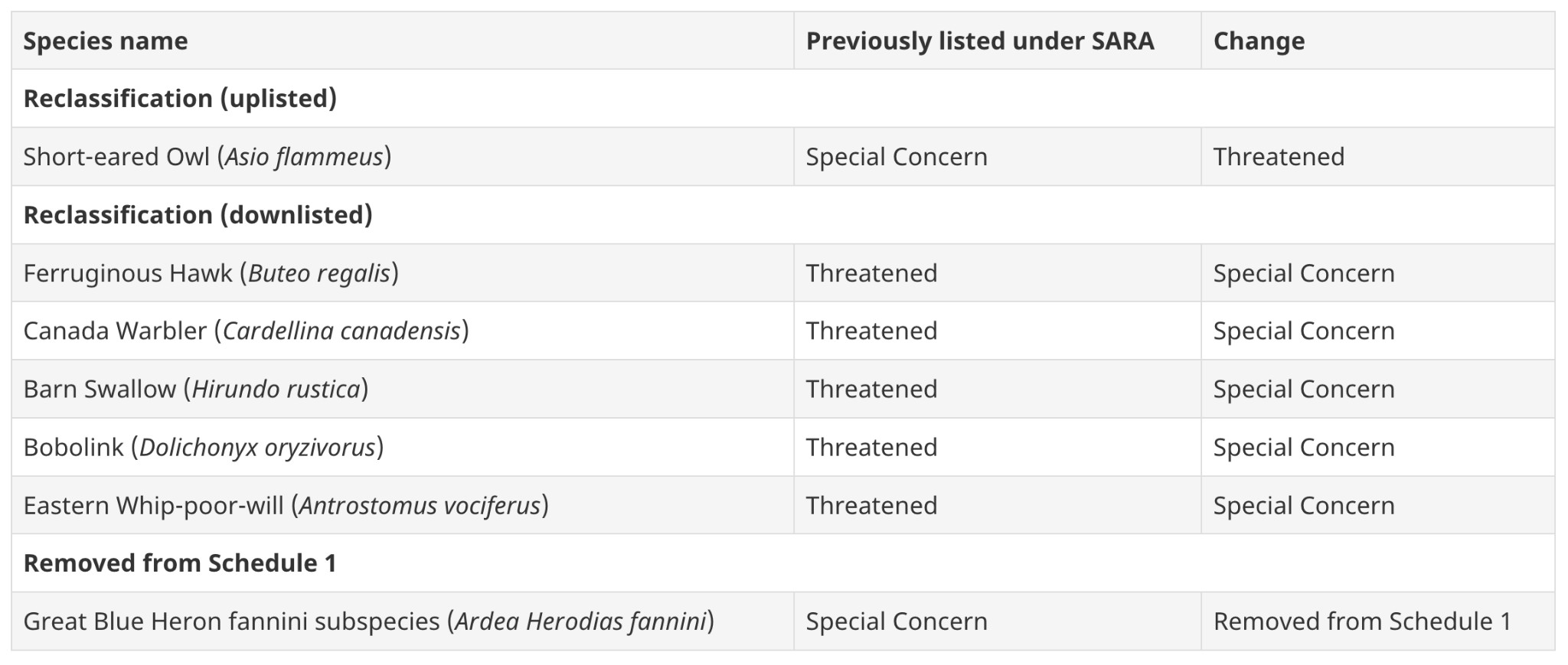
Five species were downgraded from Threatened to species of Special Concern. (Government of Canada)
However, with the Canada warbler’s status recently downgraded from threatened to special concern alongside four other species, the additional prohibitions against killing or harming the species and the associated SARA penalties no longer apply.
Samuels estimates that fines could drop to a few hundred dollars. However, the exact number has not yet been provided by the federal government.
COSEWIC experts noted that the Canada warbler’s status was updated after recent data “showed slowed long-term declines and recent population increases, especially in key regions like Quebec and Ontario”.
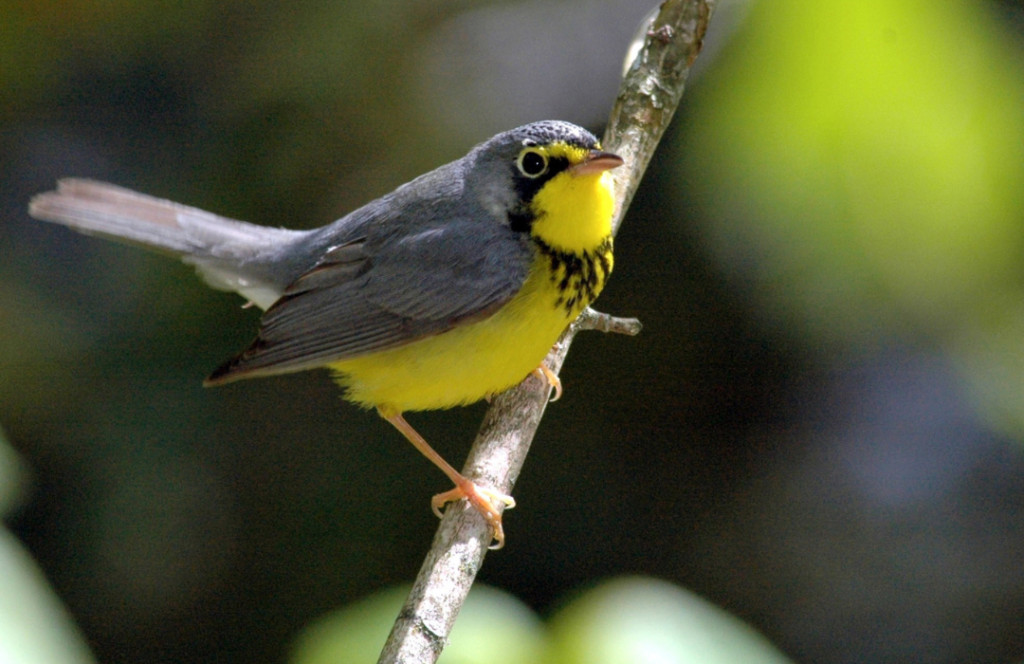
The Canada warbler, affectionately called the "Necklace warbler" for the black, bead-like streaks across its breast, is a tiny migratory songbird that travels over 3,000 miles from South American Andean forests to breed in Canada, where nearly 80 percent of the global population arrives late in spring and departs early in fall. (Nature Canada)
A 2020 COSEWIC report on the Canada warbler, which designated the species as Special Concern, cautioned that while its population rebounded 46 percent between 2009 and 2019, habitat loss on its wintering grounds in the Andes and ongoing threats during migration and in Canada mean the species remains vulnerable if protections are not maintained.
In line with the report, one First Nation “opposed the downlisting, noting that in light of the unpredictability surrounding climate change impacts, they oppose downgrading the status of any species at risk”, the government said.
Tuytel explained that when a species is downgraded from threatened to special concern, it is no longer entitled to a recovery strategy or action plan and its critical habitat no longer has to be identified.
The prohibitions against killing, harming, harassing or capturing individual members of the species, or destroying its critical habitat, also no longer apply. As a result, species listed as special concern lose many of the protections automatically afforded to threatened or endangered species.
However, some federal requirements remain when projects or activities that could affect these species are approved. Section 73 permit requirements still apply, as do Sections 79 and 77, which are triggered by federal impact assessments and certain other authorizations under federal legislation, respectively; they require authorities to consider the effects of proposed projects on SARA-listed species and identify measures to avoid or mitigate those impacts.
Since the proposed policy is guidance rather than binding law, Tuytel says SARA and its regulations must prevail legally if there is a conflict between the Act and the policy.
“But in practice, the policy might change how departments implement SARA and weaken it,” she explained.
“And then the only way to really get at that would be a legal challenge, which is the most inefficient and resource-intensive way.”
Samuels is wary of the long-lasting, dangerous impact the policy changes could have in Ontario, which has “seen the erosion of provincial environmental protections” at unprecedented levels.
“If we're going to take that argument at face value, the province is saying we're going to get out of the business of protecting these animals and leave it up to the federal government,” Samuels said.
“Now you have the federal government advancing an agenda that is very much aligned with the province's and trying to support economic development and major projects.
“It's a race to the bottom.”
While Canadians can still legally challenge a permit issued under the Species at Risk Act, Tuytel said the process is arduous because there is no requirement for public consultation or advance notification when a permit is being considered, and information about permits is not always made available promptly after they are issued.
The only requirement is for the government to post an explanation on the online SARA registry outlining why a permit was granted, which is “often done belatedly”.
The permits are not publicly available as well and must generally be obtained through an access-to-information request, making it difficult for members of the public to find out what decisions have been made in time to challenge them.
“That’s because the test is meant to be more science-focused and not about socioeconomic considerations,” she added.
“But we’re seeing with this policy that the government is sort of inserting more and more socio-economic considerations in some of the changes. So I think there’s a bit of a tension between that and the lack of public information and input.”
Samuels agrees the Carney government has a “pattern” of not effectively communicating the “downstream effects” of the changes they wish to make.
“How do you consult the public when you require an ecology and law background to be able to read what the government puts out,” he said.
“This is not a mandate that this government was elected on, and yet this is all being sold to us as though it is supporting the public interest.
“The government says they are protecting the environment at the same time as they’re making these changes…it’s really unclear to me how this actually benefits the conservation of these animals.”
The public comment period for the proposed Policy on Agreements and Permits under Sections 73 and 74 of the Species at Risk Act by Environment and Climate Change Canada runs through November 17.
Email: [email protected]
At a time when vital public information is needed by everyone, The Pointer has taken down our paywall on all stories to ensure every resident of Brampton, Mississauga and Niagara has access to the facts. For those who are able, we encourage you to consider a subscription. This will help us report on important public interest issues the community needs to know about now more than ever. You can register for a 30-day free trial HERE. Thereafter, The Pointer will charge $10 a month and you can cancel any time right on the website. Thank you
Submit a correction about this story

