
‘Always left in dark’: Federal funding delays are holding back species conservation
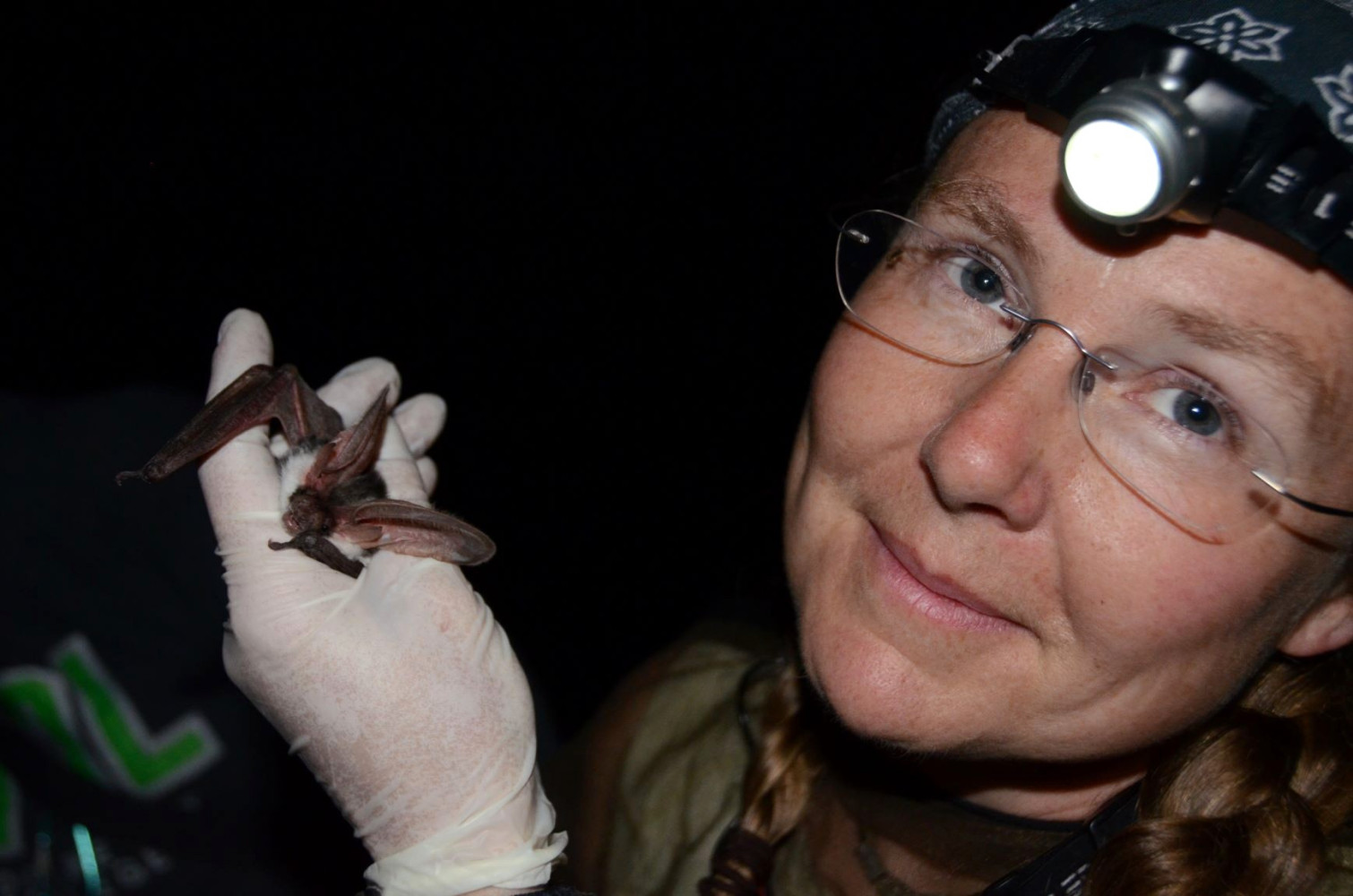
Bat biologist Cori Lausen was an undergraduate student at the University of Calgary in the 1990s when she decided to become a voice for bats, “underdogs of the biodiversity world” that were feared by many and protected by few. But saving them required more than courage and scientific expertise; she would also have to navigate the federal government's bureaucratic “game” — out of sync with nature’s calendar — to secure funding for that work.
The second-largest order of mammals with more than 1,500 species, bats have been on Earth for more than 50 million years, serving as ecological powerhouses vital to planetary health.
Every year, they provide billions of dollars in natural pest control, saving crops and reducing pesticide use. Some nectar-feeding bats pollinate over 450 commercially important plants including agave (used to make tequila) and bananas while fruit bats help regenerate rainforests by dispersing up to 95 percent of seeds.
“They also break all the rules. They're completely opposite of what we expect from a small mammal,” Lausen told The Pointer.
“Most people think of them just as flying mice but mice have short lifespans and they produce tons of young. And then on the opposite end of the spectrum are bats who can live for decades while producing only one pup a year.”
Globally, 25 bat species are critically endangered or face imminent risk of extinction, 87 are endangered while 110 species are vulnerable, according to the International Union for Conservation of Nature (IUCN). In Canada, eight of the 18 bat species are at risk of extinction. However, there is no data for 236 bat species, signalling the need for more conservation attention.
Together, the reasons make a strong case for why both conservation work and the funding that sustains it are critical.
On July 21, Lausen, Director of Bat Conservation at Wildlife Conservation Society of Canada, got an email confirming that her organization had received funding through Environment and Climate Change Canada’s “longest running” Species at Risk Habitat Stewardship Program (HSP), part of Ottawa’s commitment to support initiatives protecting species at risk and their habitats.
The news brought relief. She had spent months awaiting a word on her HSP application, submitted in the fall.
But the funding arrived “a little too late” after the season, when much of the fieldwork needed to protect bats had already passed.
“Spring is when everything is critical for bats,” Lausen noted.
“Unlike other mammals, bats do not have a fixed gestation period.”
When temperatures drop or insects become scarce, they can lower their body temperatures to conserve energy, slowing their pregnancies—making spring fieldwork essential to studying what bats need for successful reproduction.
It is also the season when researchers can detect white-nose syndrome (WNS), a deadly disease that has devastated bat populations. It is believed to be caused by the fungus Pseudogymnoascus destructans (Pd); WNS creates a fuzzy white growth on the muzzle, wings and ears of infected bats. The fungus damages the skin on their wings, causing hibernating bats to burn through their limited energy reserves before food becomes available in spring.
Since its discovery in 2006, WNS is estimated to have killed more than six million bats.
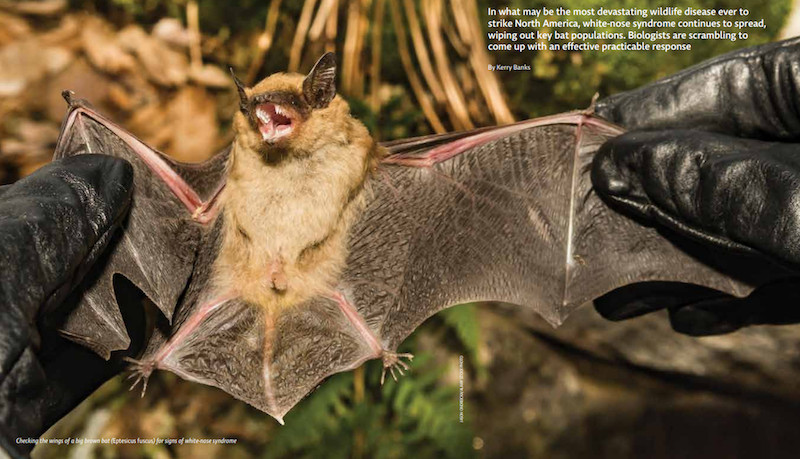
In March, white-nose syndrome had been detected in the Rocky Mountains of Alberta for the first time since first confirmed in the province in 2024.
(Wildlife Conservation Society of Canada)
“So, the federal funding has been a real frustration because so many times they give us the money way too late and then it has to be spent by the end of March,” Lausen said.
“We are really not helping the bats like we could.”
Why end of March?
The federal government’s fiscal year ends on March 31, requiring the awarded funds to be spent by then with no exceptions.
On March 6, ECCC marked the 25th anniversary of the HSP that had invested “more than $241 million in over 3,800 conservation projects that protect and recover species at risk and their habitats, helping Canada advance its biodiversity and conservation priorities” since 2000.
“I am inspired by the efforts of environmental groups and communities across the country to protect habitats and vulnerable species,” federal environment minister Julie Dabrusin said in a statement.
“By working together, we can make even greater strides to safeguard the natural spaces we all depend on.”
The announcement included 31 HSP-funded projects for the 2025–26 funding cycle, representing up to $5.2 million in support—a decline from the previous year, when the program awarded more than $5.8 million to 103 projects supporting the recovery of terrestrial species at risk.
It also gave recipients less than a month or “approximately the lifespan of a mayfly to complete their work”.
But Lausen had learnt the lesson by then.
Since 2008, she has spent every year applying for grants and funding opportunities to protect the only mammals capable of flying. The lack of money was not the only hurdle; after two decades of watching conservation windows close while researchers waited for federal funding decisions, Lausen decided she could no longer stay quiet.
“I just decided to speak up because change doesn't happen unless someone speaks up,” she told The Pointer.
“People have told me they're scared to speak up because you're speaking up against a funder.”
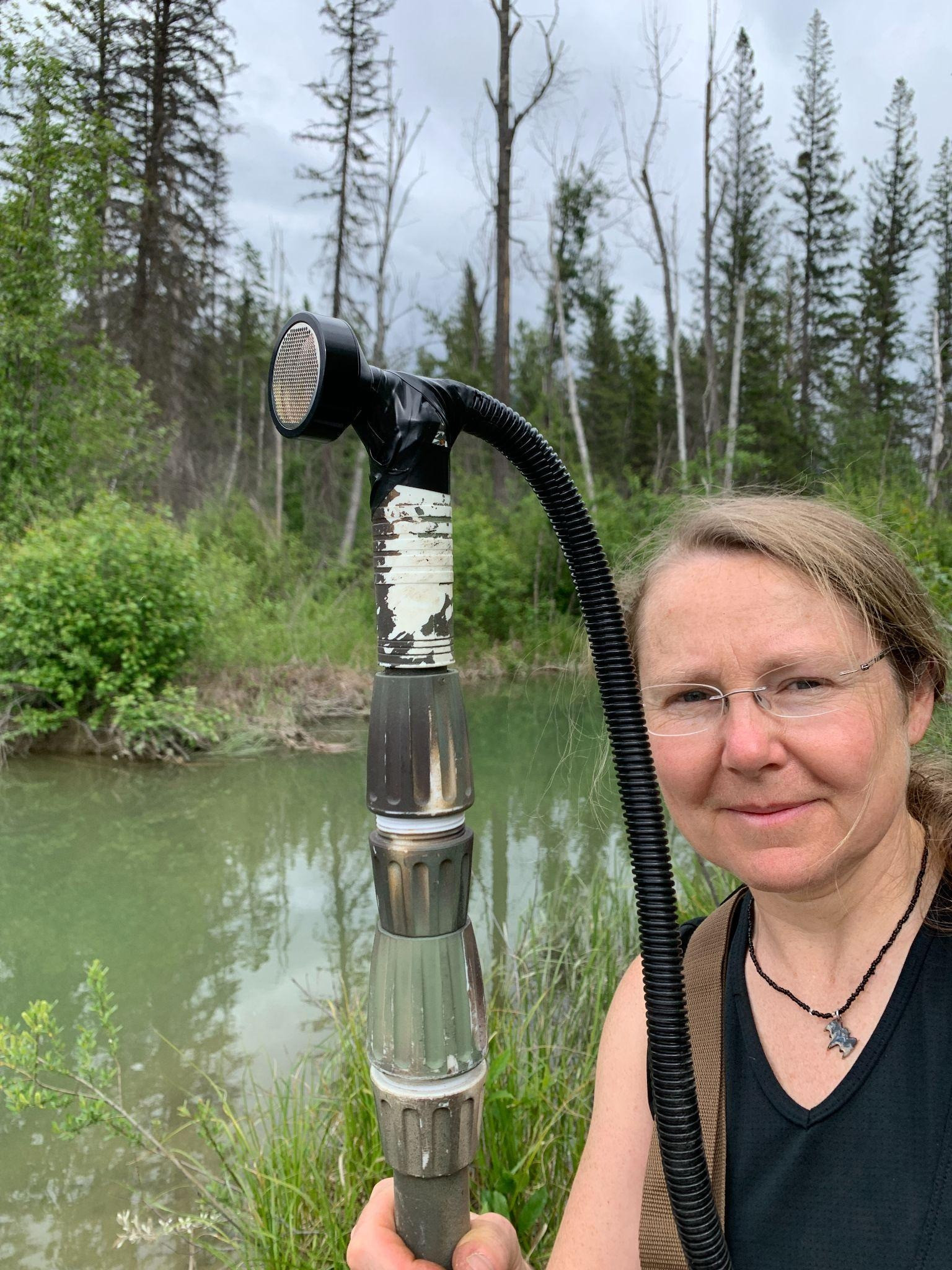
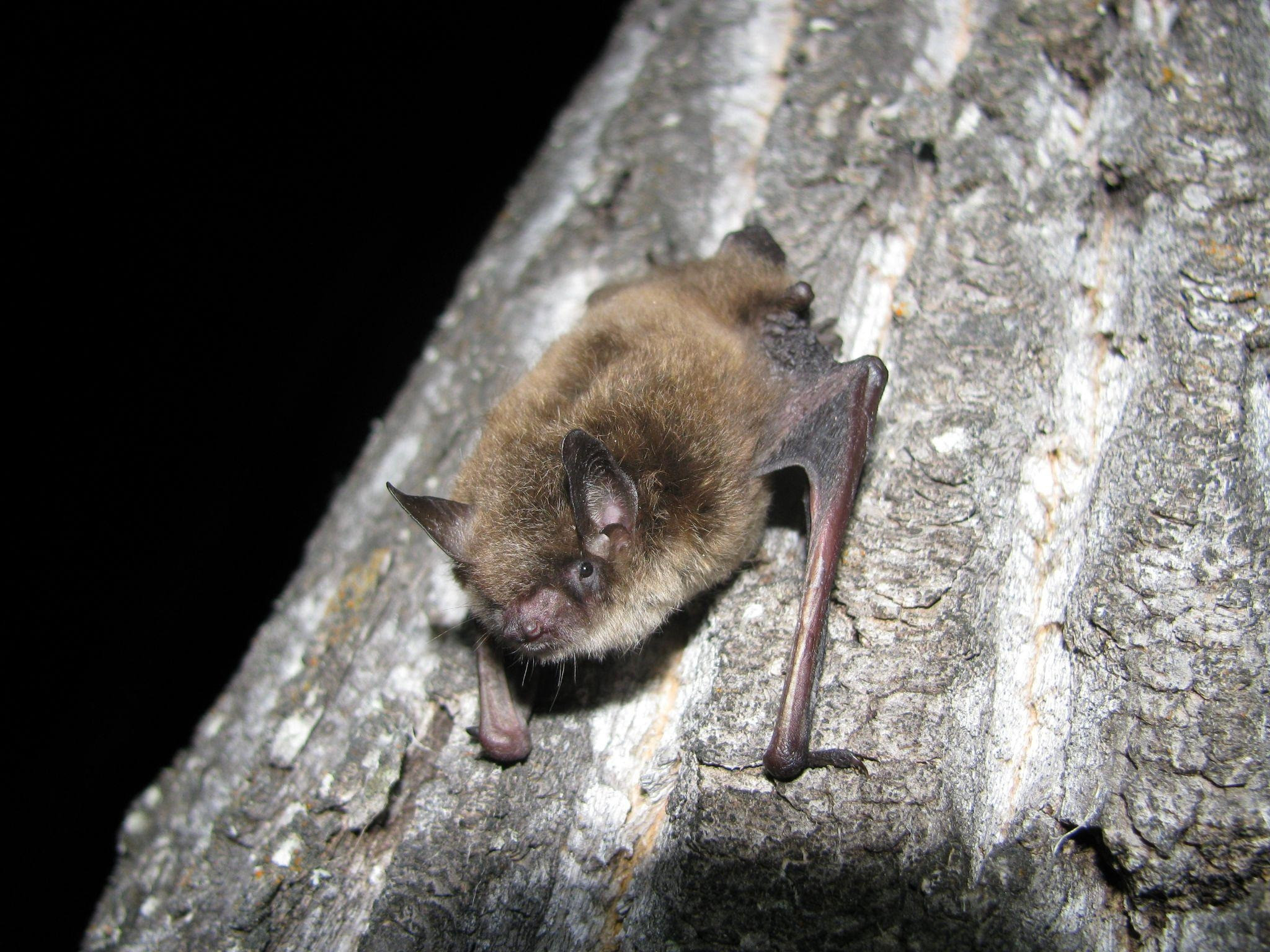
“Delayed decisions, changing priorities, and resource constraints too often leave conservation efforts arriving after the season that matters most, or cramped into unrealistic timelines,” Cori Lausen wrote in a heartfelt letter addressed to Canada’s wildlife on June 25. “Species at Risk, please know this: Canadians care about you…Hang in there. Just until the federal government gets its paperwork sorted. We can’t lose hope - maybe next year will be the year the federal government gets it together and comes to your rescue.”
(First Photo: Supplied/ M. Proctor, Second Photo: little brown myotis by Cory Olson)
Unlike many other funders, which follow predictable timelines by opening applications in the fall and announcing decisions by early spring, the federal program’s process is far less certain. Applicants do not know when calls for proposals will open, when decisions will be made or whether they have been successful until months after their field season has passed.
“We can't depend on a typical call for proposals from the federal government. It's completely random,” Lausen shared.
“So, we also can't really prepare well…and just hope that our team has capacity to pull that application together because we don't know when it's coming.
“Most funders will tell you what their timeline is; the federal government never does and so, sometimes you can wait well over a year to hear.”
Waiting comes with days and nights of debilitating questions: is the government just late or did the organization not get the grant?
“We’re always left in the dark,” Lausen added.
“We just need a more rigid timeline that we can depend on. More importantly, they need to not wait so long to tell us because typically, by the time they do, it’s already into the summer — sometimes even the fall. Then it’s too late. We either can’t do the work or we have to change what we planned on doing.”
Lausen, therefore, learnt to anticipate delays and adjust proposals accordingly by shifting fieldwork out of the first year of a project and applying for multi-year funding to ensure work can begin the following spring.
For her latest proposal, she intentionally limited what she planned to accomplish in the first year, expecting the funding decision would arrive too late for meaningful fieldwork.
“This is the game that we play,” Lausen said.
“I had to know ahead of time. I know not to put in spring work for year one and many, many people sadly don’t.”
One Indigenous partner she worked with applied for a one-year project but did not receive a decision until September. The organization had to turn down the funding because it could no longer complete the work it had planned.
“If you’re in the system long enough, you will start to know how to play that game. But one shouldn’t have to,” she noted, disheartened.
But the solution is not complicated. Ideally, successful applicants should be notified in the first week of April — also the start of the federal fiscal year.
“The money doesn’t necessarily have to arrive in our bank account by the beginning of April,” Lausen added.
“But we do need to hear that we’ve been successful so that we can mobilize, hire people, purchase supplies and get ready to go into the field.”
As long as researchers know the funding is coming, the federal government could complete the paperwork afterward while ensuring the funding cycle is in harmony with the seasonal realities of conservation work.
Lausen emphasized her criticism is not directed at the regional representatives who administer the Habitat Stewardship Program and work closely with conservation groups and do their best to support projects once funding is approved. The problem lies higher in the system, where decisions about funding timelines are made.
However, ECCC itself is facing a $1.3 billion reduction in funding as part of a planned 15 percent departmental budget cut ($63 million in 2025–26), with up to 15 percent of its workforce to be laid off in the coming years.
ECCC had already reduced the number of species status assessments and reassessments it planned to support annually from 80 in 2021–22 to 75 in 2022–23 and to 60 in 2023–24.
“In all cases, these targets were not met,” a new federal report emphasized.
“The backlog of species needing reassessment will grow from 389 to 574 by the end of 2030 at the current target.
“If species are not reassessed within the ten-year time frame required under the Species at Risk Act, Canadians and parliamentarians may not know whether a species’ status has improved, remained the same, or declined and whether recovery actions for a species may need to change or funding be reallocated to other species in need.”
On May 25, the Standing Senate Committee on Energy, the Environment and Natural Resources wrote a letter to Dabrusin highlighting its concerns about the federal government’s support for Canada’s species-at-risk assessment system, warning that “insufficient” resources are slowing the identification and protection of vulnerable wildlife.
Testimonies from the Committee on the Status of Endangered Wildlife in Canada (COSEWIC) and the federal environment watchdog noted funding pressures were limiting COSEWIC’s ability to complete assessments and reassessments promptly, delaying implementation of the Species at Risk Act (SARA) itself.
COSEWIC’s assessments are conducted by experts in the field, who review available scientific information and recommend whether a species should be classified as endangered, threatened or of special concern. Those recommendations are then submitted to the federal environment minister, who makes the final decision on whether to list a species under SARA.
But its budget declined from $1.8 million in 2023–24 to $1.6 million in 2024–25, forcing the organization to scale back activities including specialist subcommittee meetings that support species assessments.
“Based on the department’s target of 60 assessments and reassessments per year at the time of the audit, it would take over a century to assess all species that are potentially at risk,” COSEWIC chair David S. Lee said.
“It is cheaper in the long run to protect and identify species before they get too endangered or their populations diminish.”
Three bat species (the silver-haired bat, hoary bat and eastern red bat) were assessed by COSEWIC as endangered and recommended for listing under SARA in 2023 but “the species are still in limbo, still on the minister’s desk” for official listing under SARA.
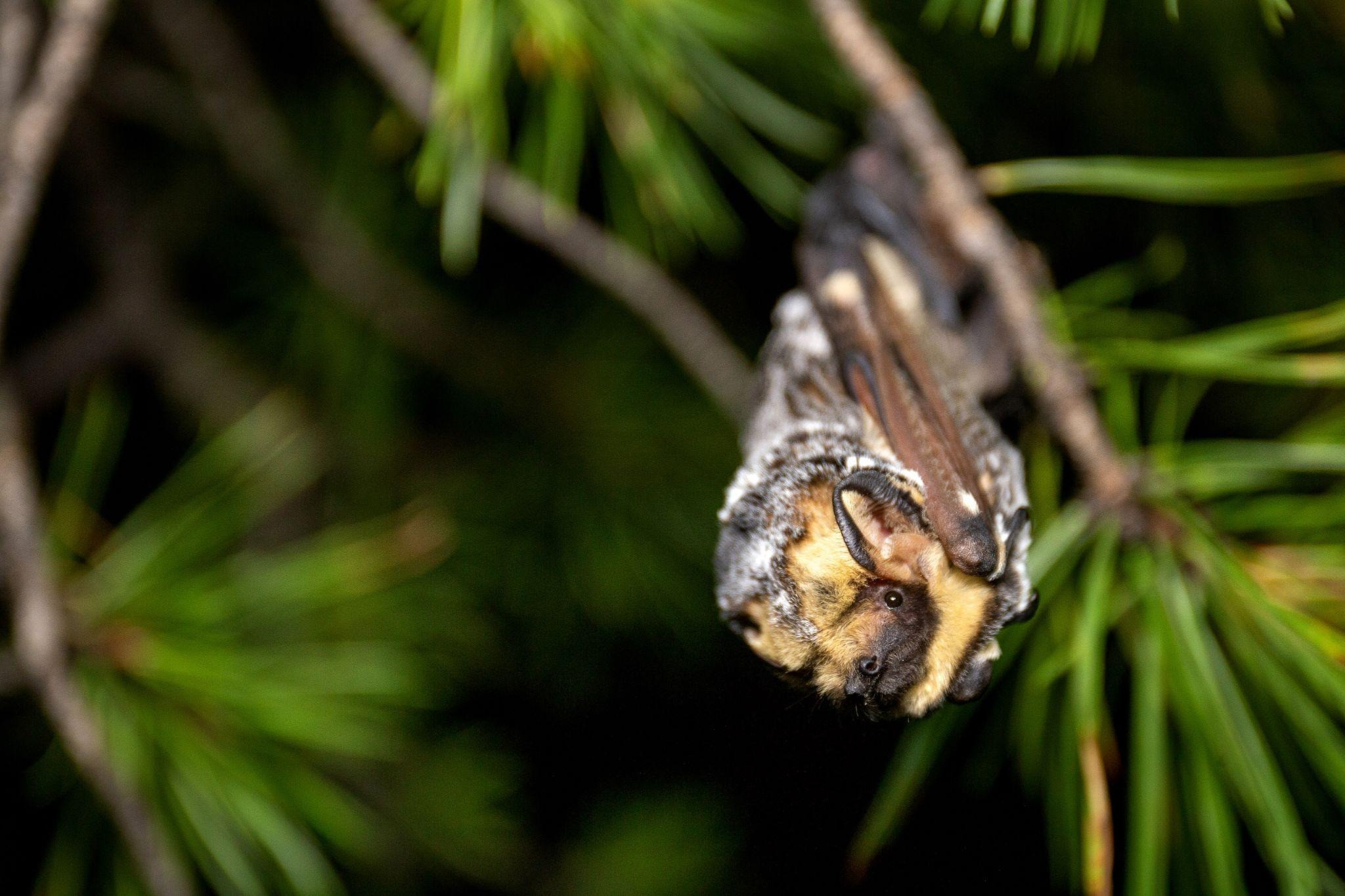
“The hoary bat is a migratory bat species, which means instead of spending winter months hibernating in large colonies, this solitary bat migrates to warm winter habitats. Summers are spent concealed in the foliage of mature deciduous and coniferous trees, typically near the edge of a clearing. Their distinct grey-white coloration (for which the bat is named for), and furred tail membrane are prime adaptations for this habitat”, Bat Conservation International’s Director of Conservation Science, Winifred Frick, explained.
(Supplied/Jason Headley)
The three species are especially vulnerable due to deaths caused by wind turbines. While wind energy is considered a key part of Canada’s transition away from fossil fuels, Lausen argued the industry has operated “unregulated”.
“There’s a solution. The bat community has been saying it for almost 20 years now,” she added.
“All they have to do is not have the wind turbines spin and generate electricity during the migration season at night. And here's the catch: at low wind speeds! — that's when bats migrate. That's when you don't make a lot of electricity, anyway. So it's kind of a win-win.”
Since those measures remain voluntary, millions of bats continue to die at wind farms with the hoary bat, in particular, experiencing such severe declines that some researchers fear it may have been eliminated from certain areas where wind turbines have operated for years.
“Wind energy is supposed to be green…and it could have been green this whole time if they just followed the recommendations,” Lausen said.
Email: [email protected]
At a time when vital public information is needed by everyone, The Pointer has taken down our paywall on all stories to ensure every resident of Brampton, Mississauga and Niagara has access to the facts. For those who are able, we encourage you to consider a subscription. This will help us report on important public interest issues the community needs to know about now more than ever. You can register for a 30-day free trial HERE. Thereafter, The Pointer will charge $10 a month and you can cancel any time right on the website. Thank you
Submit a correction about this story

