
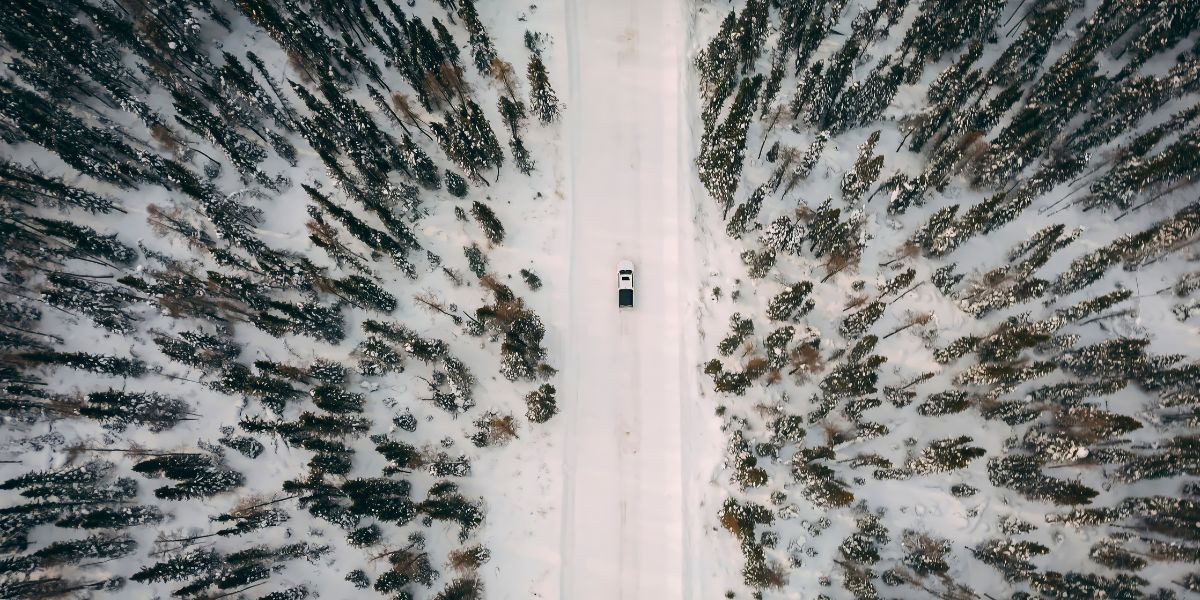
Attawapiskat group taking feds to court over Ring of Fire road that will cause irreversible harm to environment and Indigenous way of life
“We're not protesters. We're protectors.”
That’s what Michel Koostachin, founder of grassroots group, the Friends of the Attawapiskat River, declared as he launched the first legal challenge against a Ring of Fire access road, days after the federal government approved the project in the “public interest” despite its own impact assessment warning it would cause “irreversible” harm to the environment and Indigenous ways of life.
On June 25, the Province broke ground on one of three road projects that would together create a major access corridor into the mineral-rich Ring of Fire: the 107-kilometre all-season Webequie Supply Road aims to connect Webequie Airport to the McFaulds Lake area, linking the community to mineral exploration and potential future mining development in the Ring of Fire.
Provincial officials suggested it could also eventually become part of a larger transportation network connecting the region to Ontario’s highway system since Webequie First Nation is only accessible by air or a seasonal winter road. This is a reality for many First Nations in Ontario, and can cause significant issues, like the supply chain crisis in Neskantaga First Nation during this summer’s wildfires.
The Doug Ford government has touted the Ring of Fire’s promise of more than 70,000 jobs turning Ontario into a critical minerals superpower, adding $22 billion to the province’s economy over the next 30 years.
That same day, federal environment minister Julie Dabrusin issued a decision statement for the Webequie Supply Road Project, determining that the project's “public interest” benefits outweigh its “potential adverse effects”, after considering the statutory factors and mitigation conditions.
“The Government of Canada is committed to ensuring proposals like this move forward in a way that is sustainable and protects the environment and Indigenous rights,” a statement by the minister noted.
“[It] is committed to working with Indigenous communities in a manner that advances reconciliation, respects the rights and cultures of Indigenous Peoples, and ensures the inclusion of Indigenous Knowledge in assessments.”
Dabrusin’s decision came just six days after the Impact Assessment Agency of Canada (IAAC) concluded its six-year-long assessment, which began in February 2020 and saw 16 Indigenous communities participate.
The final Impact Assessment Report, released June 19, identified “positive effects on employment and the economy as well as community well-being, economic reconciliation and self-determination for Webequie First Nation”.
But it also highlighted a range of residual and cumulative effects including the increase in greenhouse gas emissions; contamination and loss of peatlands; degradation and loss of habitat for fish, migratory birds as well as species at risk such as caribou and wolverine; and disruption to traditional activities and culturally significant sites.
The project may also “increase physical and sexual violence towards Indigenous women and girls, and raise the risk of human trafficking” due to the influx of workers, “increased risk of illegal or prohibited substances entering
the community, concerns regarding public and road safety”.
The Pointer reached out to Minister Dabrusin’s office for a statement but did not receive a response.
On July 23, Legal Advocates for Nature’s Defence (LAND) filed a Federal Court application on behalf of Friends of the Attawapiskat River asking the court to quash the June 25 decision of Minister Dabrusin and declare the decision invalid. It also asks for an injunction suspending the five-year period in which the project can begin while the judicial review proceeds.
LAND founder Kerrie Blaise explained that the case is not asking the Federal Court to decide whether mining in the Ring of Fire is economically beneficial. Instead, it argues the environment minister’s decision is “inherently unreasonable and fundamentally flawed” as it “fails to account for the rights set out in the UN Declaration on the Rights of Indigenous Peoples, and negative impacts to climate, biodiversity and sustainability”.
“Accepting that a project can be in the public interest despite recognized irreversible impacts, especially in a place which is among the most critical for climate mitigation and the safeguarding of endangered species, sets a very dangerous precedent, not just for other proposed Ring of Fire projects, but projects the government is proposing to ‘fast track’ on the same basis,” Blaise said.
This is the second legal challenge brought forward by Attawapiskat residents. On December 8, LAND submitted a request for leave to intervene in the Ontario Superior Court of Justice on behalf of Koostachin and youth applicant Ramon Kataquapit, highlighting the impacts of the Doug Ford government’s Bill 5 on Indigenous communities, lands and waters, particularly in Treaty 9 territory.
The proposed road located in Treaty 9 territory is set to cut through the Hudson-James Bay Lowlands, a vast landscape of interconnected peatlands, rivers and lakes — “a place of profound cultural and ecological significance, grounding the Friends’ ongoing relationships to their ancestors and all their relations”.
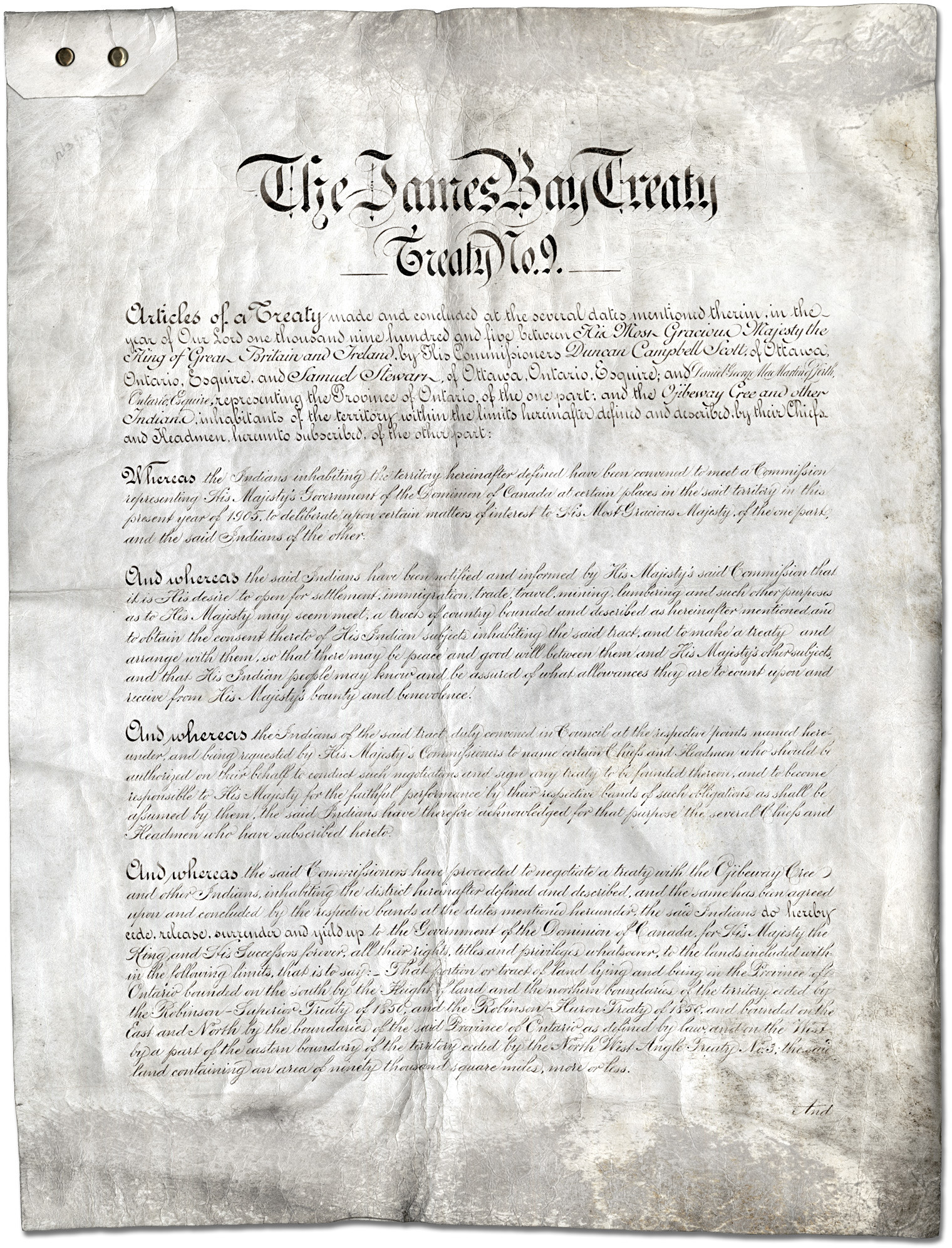
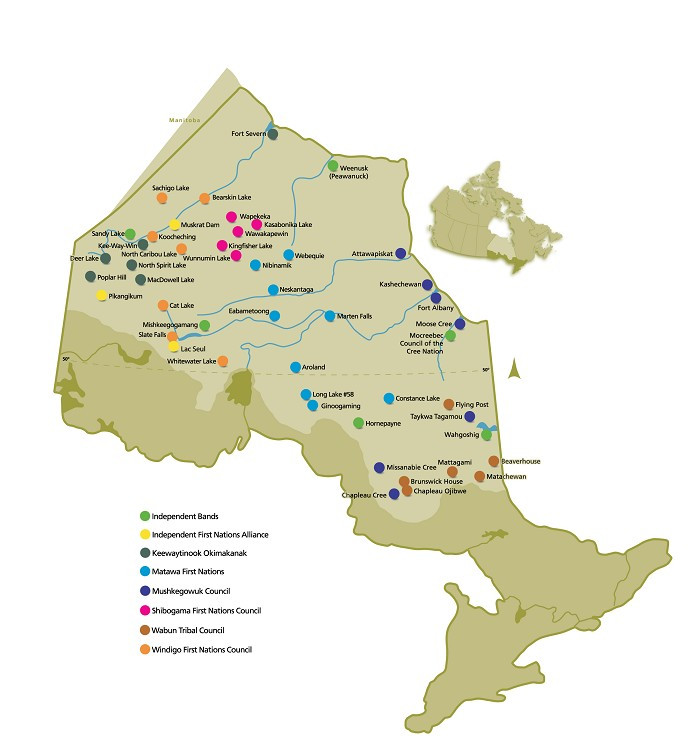
Treaty 9, also known as the James Bay Treaty, is a post-Confederation agreement signed between 1905 and 1906. “Treaty 9 encompasses some two-thirds of Ontario’s landmass, and includes the Hudson-James Bay Lowlands and the Attawapiskat, Kapiskau, Ekwan, Opinnagau, Albany and Winisk Rivers and their watersheds. This region is a place of profound cultural and ecological significance, grounding the Friends’ ongoing relationships to their ancestors and all their relations. The undisturbed, interconnected peatlands and watersheds serve as a globally significant and vital carbon store and refuge for wildlife,” the Federal Court application noted.
(First: Government of Canada, Second: Matawa First Nation)
The region contains “last-of-their-kind peatlands (muskegs)”, pristine rivers and lakes and interconnected watersheds that provide carbon sequestration and climate-change mitigation while supporting the health, culture and rights of Swampy Cree and Omushkego peoples.
“The construction of the road would also have an impact on carbon sinks, notably on peatlands. It is assumed that the floating road design will slow or stop peatland decomposition which may result in GHG emission reductions, but will also result in a removal of a carbon sink,” the report noted.
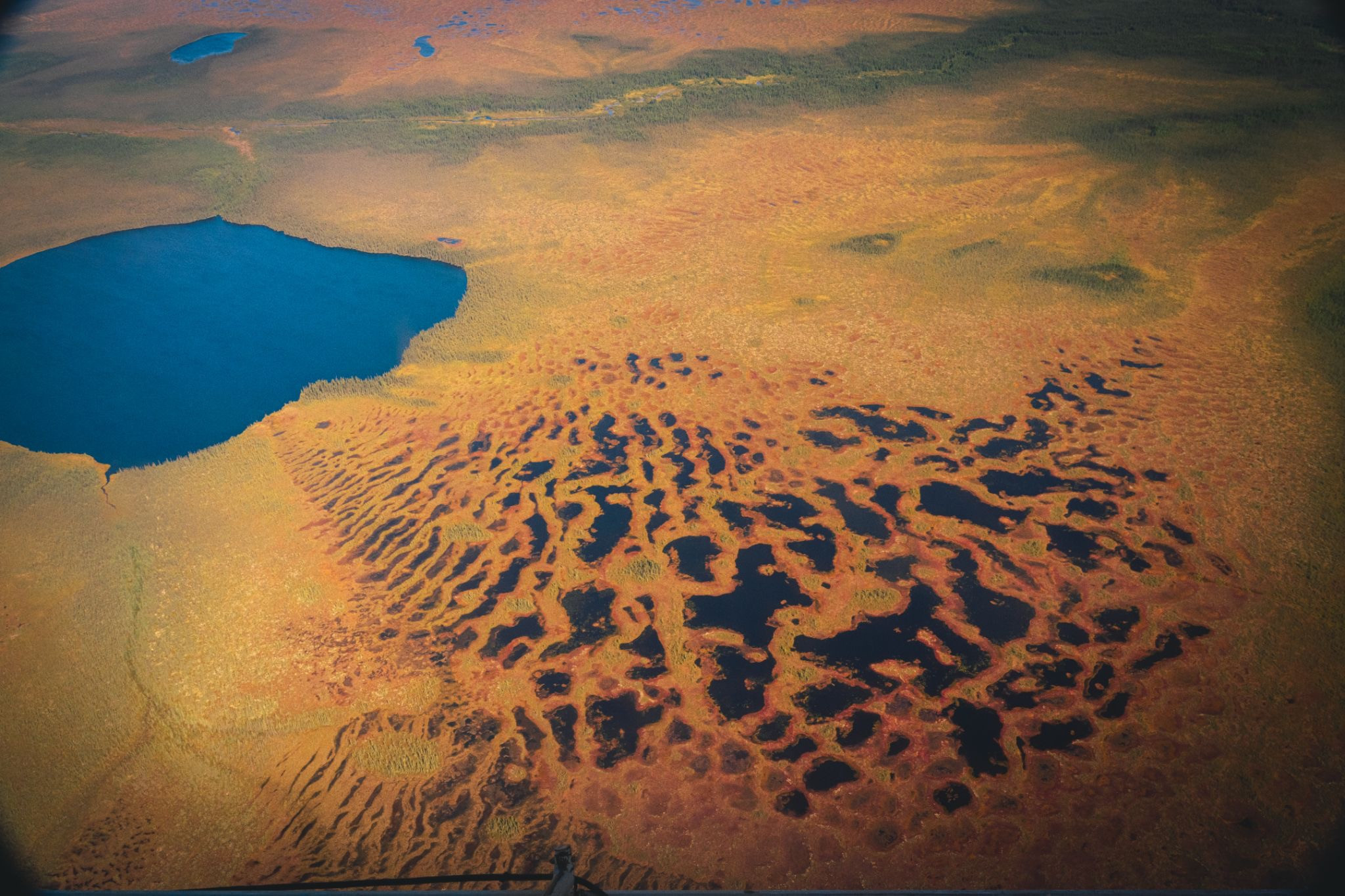
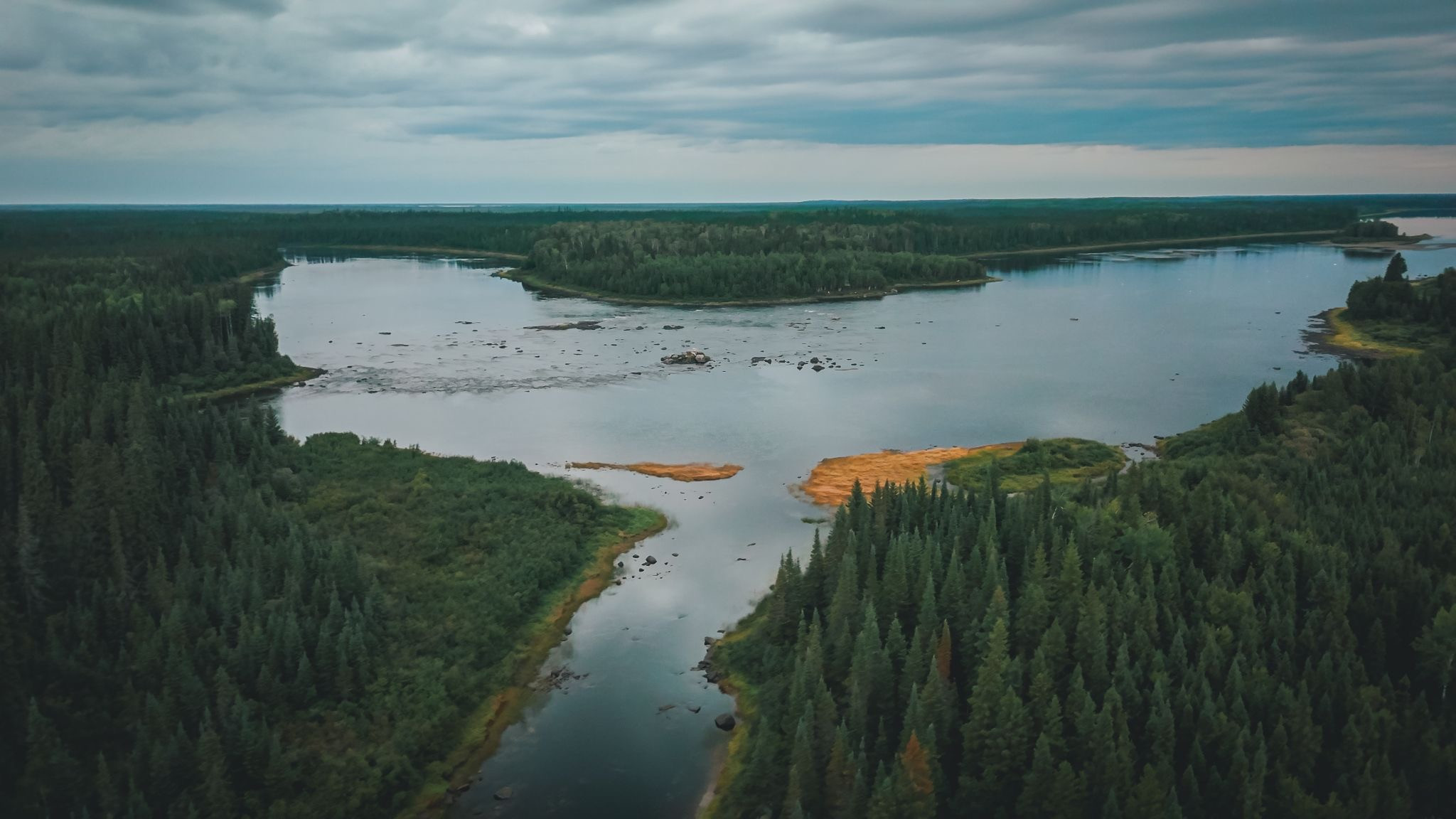
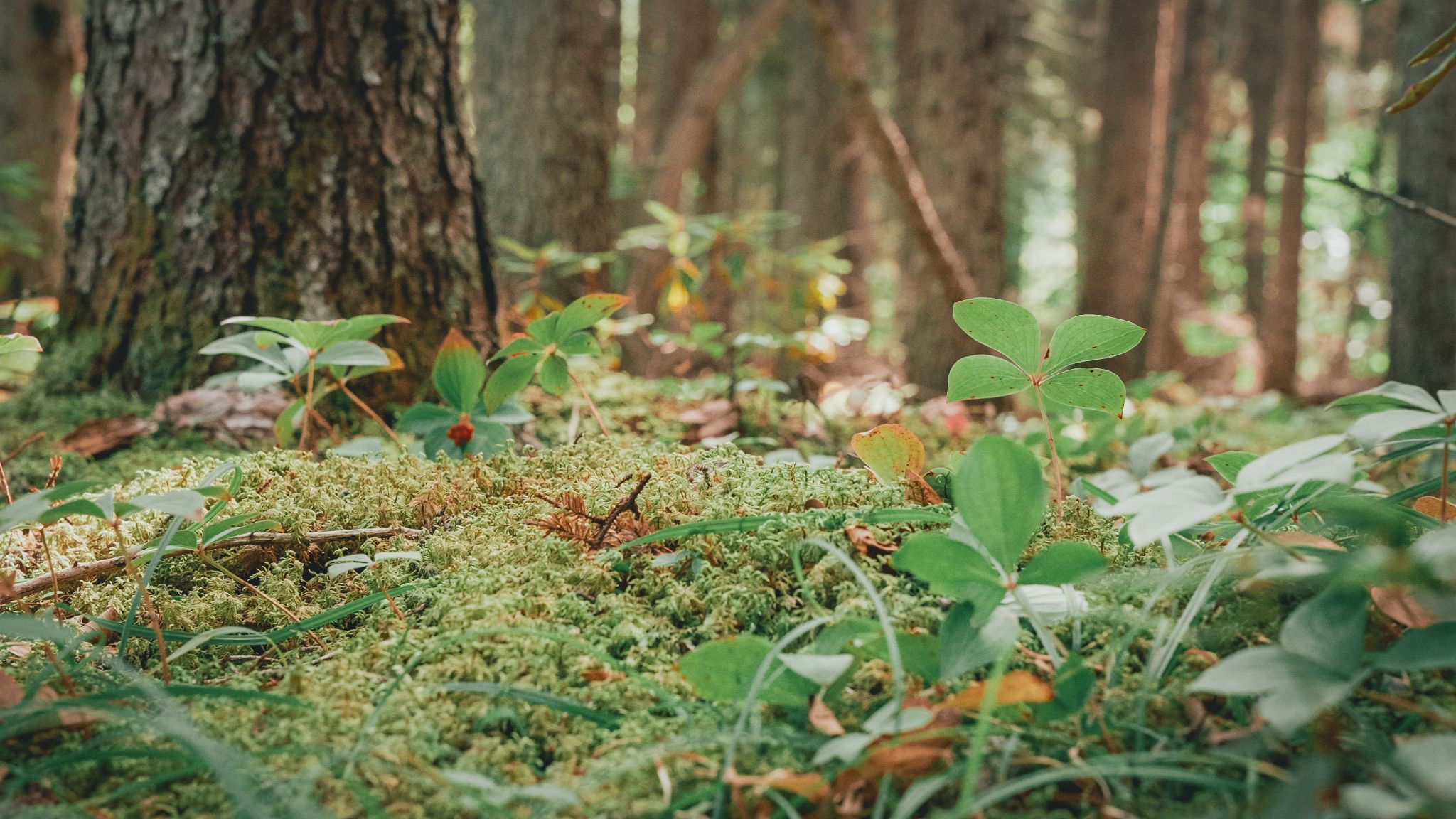
The Attawapiskat River peatlands are part of the last remaining intact peatlands in the world. The expansive river supports not only communities living around it but several species whose habitats are now at risk due to the PC government’s Bill 5.
(Supplied: Eleven North Visuals)
The IAAC found that the Webequie Supply Road would be a net source of greenhouse gas emissions, generating up to 55,925 tonnes of carbon dioxide (44,699 tonnes of carbon dioxide annually during construction and 11,226 tonnes annually during operations) with residual emissions expected to continue beyond 2050, despite the project’s emissions being relatively small in national terms.
It would thereby impact Canada's domestic and international legal obligations, including Canada’s Strategic Assessment of Climate Change and the Kunming-Montreal Global Biodiversity Framework—even if Prime Minister Mark Carney conceded that Canada won’t be able to meet its legislated 2030 and 2035 emissions targets and will instead experience a rise in emissions.
“The Minister selectively considered the extent to which the Project contributes to sustainability per section 63(c) by singling out potential economic benefits while ignoring the Report’s findings of significant and irreversible adverse effects,” the application noted. “Thereby failing to account for intergenerational equity and the net balance of environmental, social, and economic factors inherent in the definition of sustainability.”
But the promise of economic prosperity brings back memories of the past for those who call Attawapiskat First Nation home, a community accessible only by air or the James Bay Winter Road, even after welcoming mining extraction in the past.
In the summer of 2005, Attawapiskat members voted on an Impact Benefit Agreement (IBA) with De Beers for the company’s Victor Diamond Mine, an open-pit mine located approximately 90 kilometres west of the community: 85.5 percent voted in favour of the mine.
“I was one of the people that voted no but still went to work at De Beers and with different contractors to see how it was being run, operated, managed by this company,” Koostachin told The Pointer.
The multinational corporation’s annual revenue from diamond production at its Victor Mine was about $400 million at the time, out of which the First Nation received about $2 million annually in royalties—roughly 0.5 percent of the mine’s revenue.
“Mostly the jobs that we received at De Beers were janitorial or custodial positions. We didn’t get any managerial positions; not because of our work ethic, because we’re the original people of this land,” Koostachin said.
In 2019, after extracting over eight million carats of white diamonds from Ontario’s first and only diamond mine, De Beers closed production. Two months later, Attawapiskat declared a state of emergency over water contamination. By 2021, the company pleaded guilty to failing to report mercury pollution at the Victor Mine, paying a nominal $100 fine and agreeing to donate $50,000 to charity.
On May 26, Koostachin sat in a committee hearing on Bill 5, after spending more than $1,000 on a one-way trip to Queen’s Park to share an honest admission of the false prosperity promised to communities when provincial leaders push development projects.
“What’s going to happen now? Companies are coming in, promising prosperity. I don’t believe in it because I’m still suffering from your version of prosperity,” he said.
On June 5, Bill 5, dubbed the Protect Ontario by Unleashing our Economy Act, became law, bypassing Indigenous and environmental concerns raised during the committee meetings and at the provincial legislature despite multiple First Nations Chiefs warning that “Indigenous rights are not red tape”.
When Koostachin heard the news, he knew what was coming next.
In 2014, he first heard of the roads to Ring of Fire and a fear set in.
“What's going to happen to our traditional territory, our waterways, where we travel, fish, hunt, the wildlife?”
As he spoke with elders and young people in his community, he soon realized the conversation needed to travel beyond Attawapiskat and started travelling to neighbouring First Nations communities including Peawanuck, Kashechewan, Fort Albany and Moose Factory to bring that conversation into classrooms.
When he asked students in Fort Albany what was close to Attawapiskat, they responded, “De Beer, the Diamond Mine”.
Many had never heard of the Ring of Fire or understood what a new mine and road network upriver could mean for the watershed.
Koostachin told them about the potential for contamination downstream, explaining that their communities live within the same watershed and that what happens upriver does not stay upriver—an impact that will be borne by the region’s wildlife as well.
“We are the Water People; the water gives us life, and
we take care of the water in return,” he said.
It is one of the major recommendations that the Friends of the Attawapiskat River made in their submission to the IAAC in January 2020 during the consultation period.
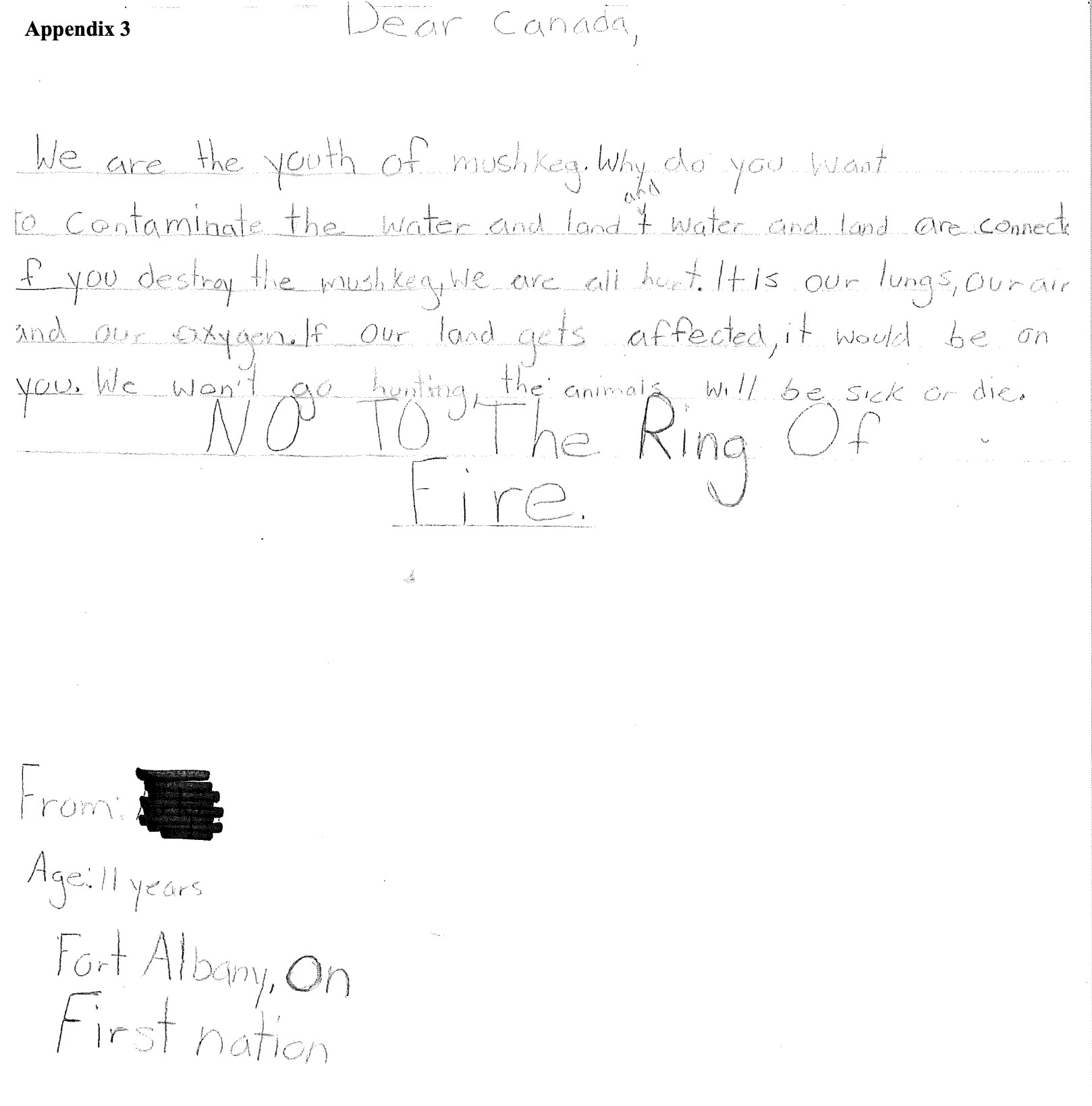
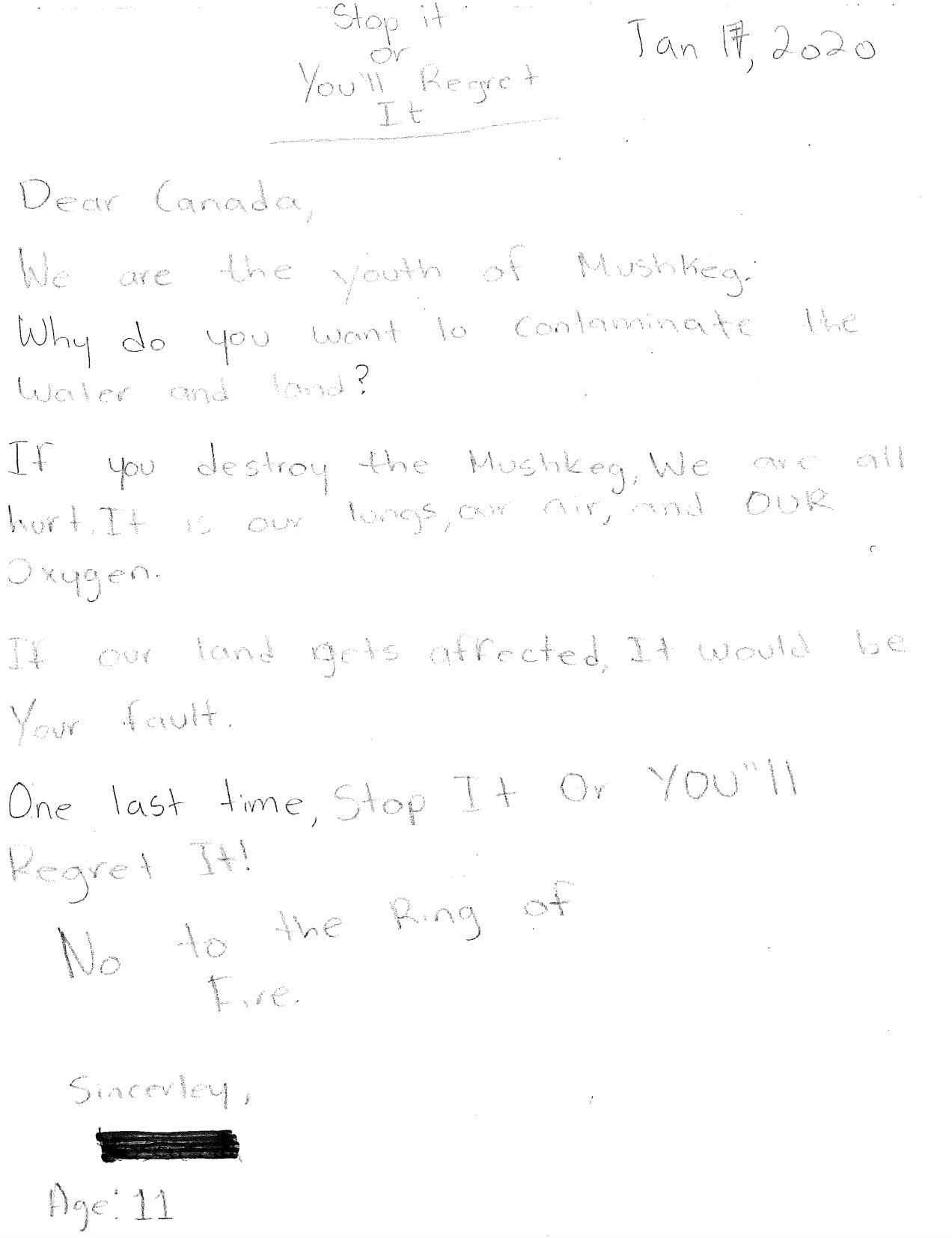
Many 11-year-old students wrote letters to the federal government opposing the Ring of Fire as part of a submission to the Impact Assessment Agency of Canada in 2020. One such letter was titled, ‘Stop it or You’ll Regret it’.
(Supplied)
Downstream Indigenous communities and rights-holders could disproportionately carry the environmental, health, cultural and social burdens associated with development while the economic benefits are distributed elsewhere—that can be attributed to “environmental racism”.
The Friends of the Attawapiskat River “participated in good faith throughout the IA process” to ensure the federal agency was “aware of their serious concerns about the project and procedural deficiencies, including: adverse impacts overlooked caused by project splitting”.
The Webequie Supply Road is currently being assessed separately from the proposed Northern Road Link and the Marten Falls Community Access Road—that treatment fails to capture their collective role in opening the Ring of Fire to industrial development.
“The development of this project would transform the lands and waters in an otherwise pristine region, through the construction of additional roads, mineral exploration including line cutting and borehole drilling, the construction of transmission lines and other linear infrastructure, and mining activities associated with the proposed Black Thor, Black Label, Big Daddy and Eagle’s Nest mines, among others,” the application noted.
Koostachin says a road that functions as an access point to a much larger industrial landscape should not be evaluated as though its consequences end at the edge of the roadbed.
The 2020 submissions also called for the federal assessment to be paused until a broader Ring of Fire Regional Assessment was completed, which would provide information about current and future conditions in the region and support future planning and decision-making.
The federal assessment emphasized the Regional Assessment was still underway when the Webequie Supply Road assessment was completed.
But Koostachin contends a regional assessment could address precisely the cumulative effects that individual project assessments struggle to capture.
“The federal government has a duty towards the First Nations under the treaty our people signed,” he said.
“Creator gave us natural laws so that we could live by them…we still hunt, trap and fish; we still go up the river. We go out in the bay. We go by the seasons. We harvest medicines. We harvest the four-legged—the moose. We still do that today. We still travel on the land. So we teach our young people to live off the land and live in harmony with nature.”
The IAAC is aware of the judicial review with the Federal Court regarding the decision.
“The Government of Canada is currently reviewing this application and cannot comment on the specifics of the litigation. IAAC will respect and cooperate with directions from the Court,” a statement shared with The Pointer noted.
Blaise expects the legal timeline to be uncertain as the parties await case management, where the court will determine the next steps including when evidence and affidavits must be filed and whether cross-examinations will be required.
“Once you have your hearing, the judge has a choice whether to render a decision in that moment or to follow up in writing. So again, you're waiting on their decision,” she added.
Email: [email protected]
At a time when vital public information is needed by everyone, The Pointer has taken down our paywall on all stories to ensure every resident of Brampton, Mississauga and Niagara has access to the facts. For those who are able, we encourage you to consider a subscription. This will help us report on important public interest issues the community needs to know about now more than ever. You can register for a 30-day free trial HERE. Thereafter, The Pointer will charge $10 a month and you can cancel any time right on the website. Thank you
Submit a correction about this story

