
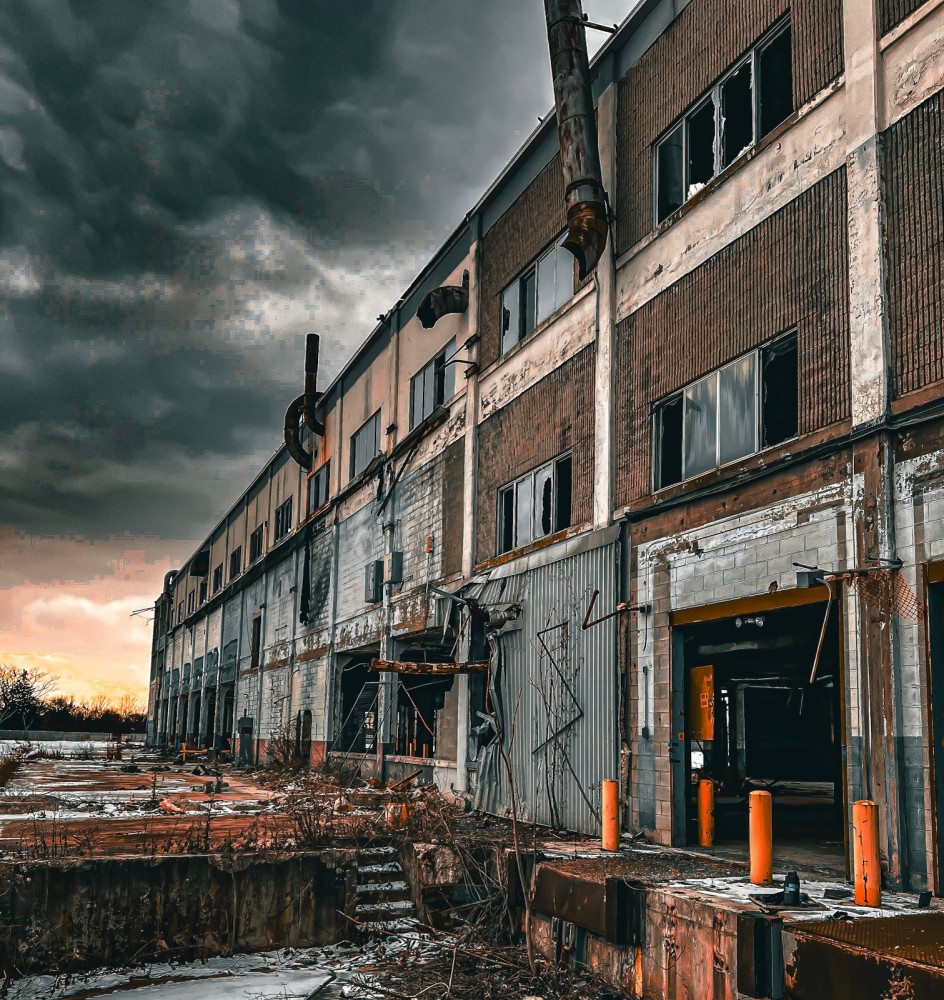
After Mayor Mat Siscoe admitted cost is a ‘fear’, he continues to mislead residents about lack of clean-up on contaminated GM site
“I live in fear of the idea that we’re going to wind up with liability in this situation that forces us to cover the cost. And, frankly, the City can’t afford a nine digit remediation bill on that site, and I don’t think anybody would want to see what happens to their property taxes.”
The jaw-dropping admission by St. Catharines Mayor Mat Siscoe was made during a town hall meeting two weeks ago.
At another town hall a week later, his admission, effectively acknowledging that the possible cost to clean up the contaminated former General Motors site is a bigger concern than the health and safety of his residents, left those in attendance doubting the political will to finally clean up the sprawling property next to downtown.
The town hall meeting on April 22 at the Russell Avenue Community Centre became a pointed confrontation over one of St. Catharines’ most enduring and emotionally charged local issues: the contaminated former General Motors site on Ontario Street.
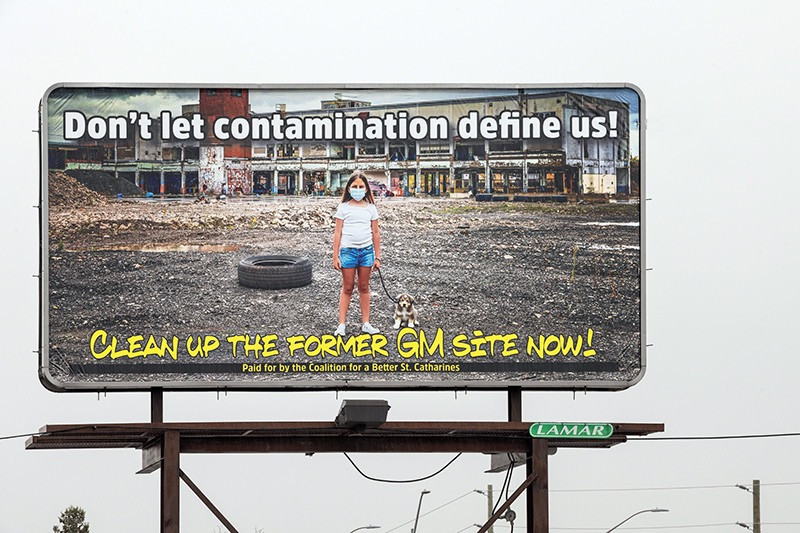
A billboard erected near the former GM site by the Coalition for a Better St. Catharines.
(Ed Smith/The Pointer files)
“We live about two blocks or so from the old GM plant. We have neighbours who have lived here for decades and many are apathetic towards the site because nothing has been done,” resident Joshua Graham told the elected officials in attendance. “That isn’t how people should feel about their community and elected officials. Just because this neighbourhood isn’t the wealthiest in St. Catharines doesn’t mean we should be treated like second-class citizens, we deserve elected officials who have their constituents best interests at heart.”
While Siscoe recently voiced his “fear” of liability costs related to cleaning up the toxic site, he has failed to voice any such fear about the legal and financial liability the City and its taxpayers would face if the failure to act results in widespread cancer cases in the area, or the death of a child who enters a site riddled with potential danger.
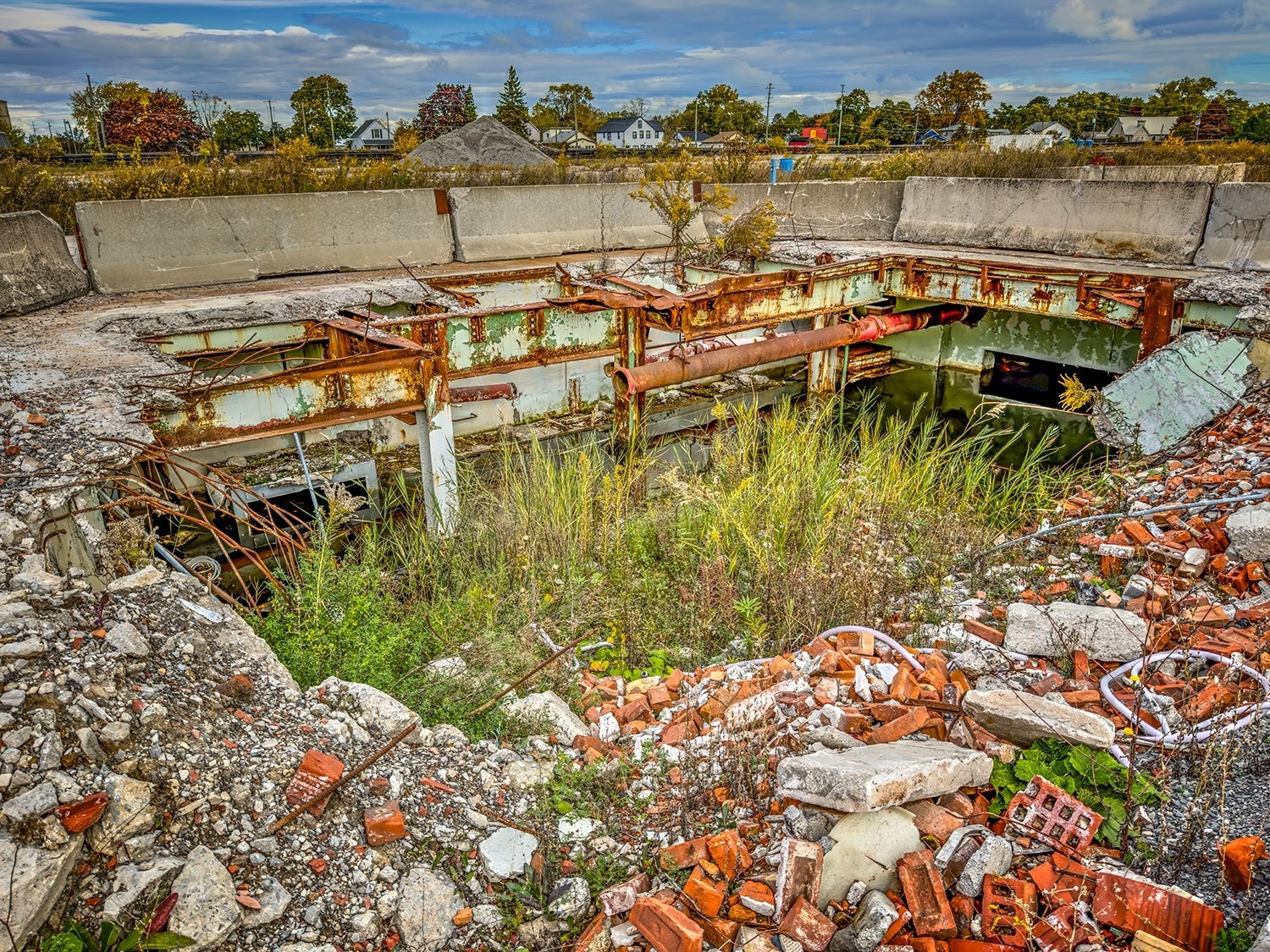

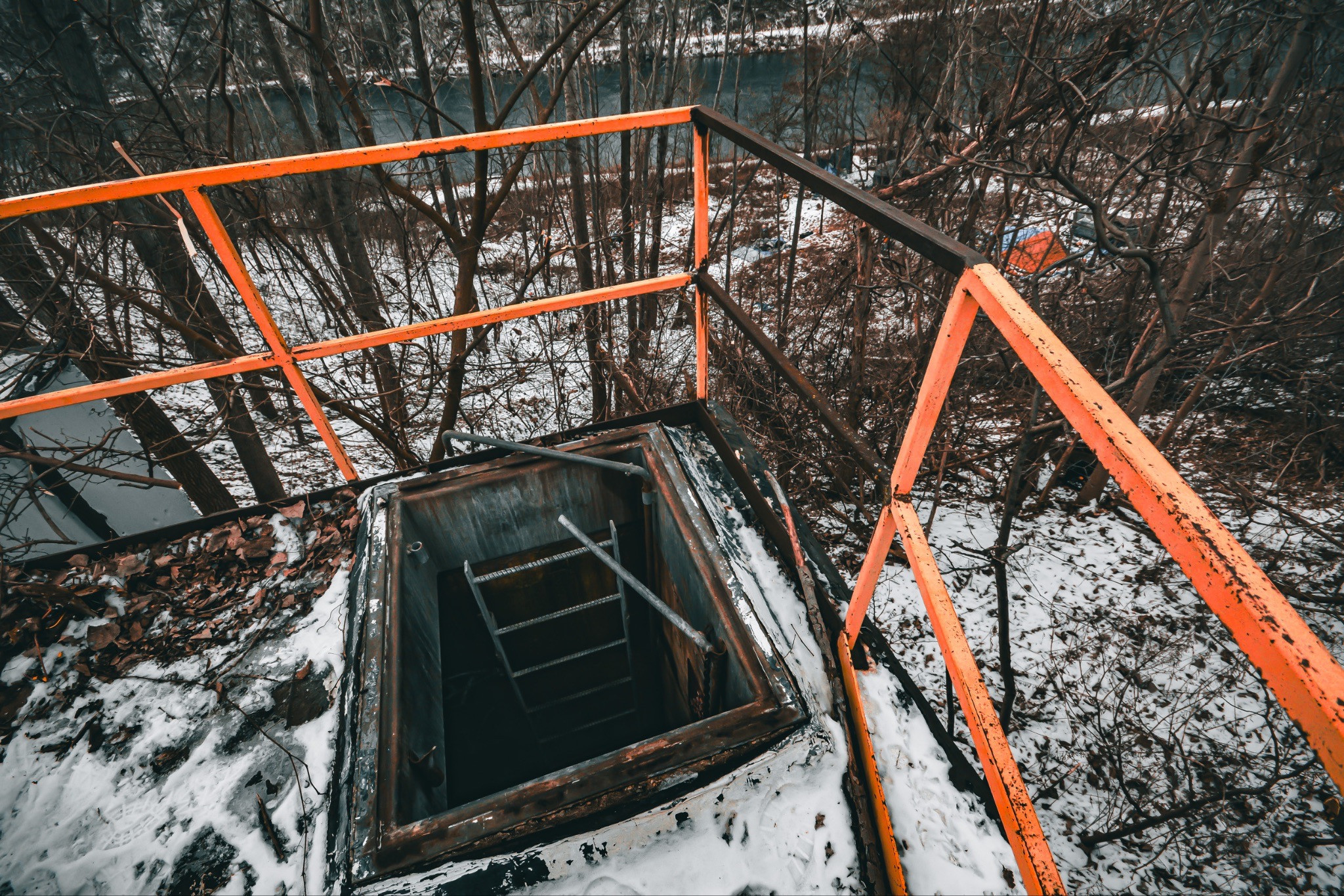
Collapsed concrete and exposed underground tunnels beneath the former General Motors site.
(Submitted/Joel Wittnebel/The Pointer files)
Mayor Siscoe, joined by ward councillors Caleb Ratzlaff, Robin McPherson, Kevin Townsend and Mark Stevens, opened the two-hour meeting to questions from residents of the St. Patrick’s and St. George’s wards. They were allowed to ask questions about any local issues concerning them—and topics varied, from council members listing the three accomplishments they were most proud of over the last term, to snow removal.
But one issue dominated the night: the former GM site on Ontario Street.
The partially demolished industrial property that has sat as a visible blight on the community for more than a decade continues to draw scrutiny. Issues include:
-
Contamination: An investigation by The Pointer uncovered documents detailing toxins found on the site at levels sometimes 1,100 times above allowable limits. A system meant to filter toxins on a portion of the property was found not to be operating last year, which the City admitted it was not aware of; the municipality and provincial government refuse to say what action is being taken to remedy the situation.
-
Dangerous structures: While Council has pushed to have the property owner remove the catwalk spanning Ontario Street, no steps have been taken to finish the demolition of the old buildings on the site, which are visibly crumbling. This is especially concerning as access to the dangerous former industrial property is open to anyone due to unsecured or collapsed fencing.
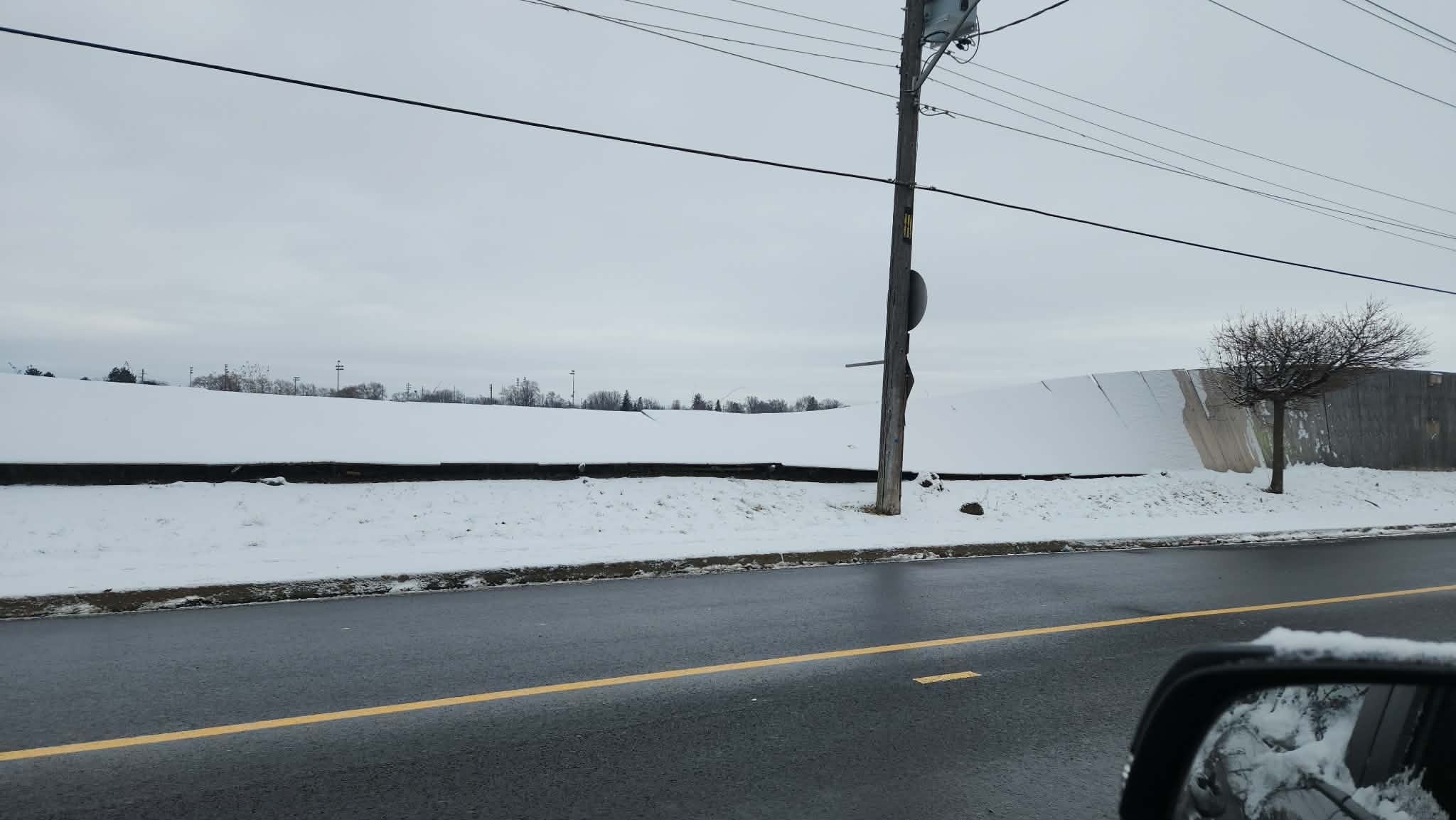
A portion of the fence surrounding the GM site blown over earlier this year.
(Submitted)
-
Health concerns: Studies have concluded those living next to industrial brownfield sites face heightened risks of numerous cancers and other diseases. For many residents in the area, this is a persistent worry, especially in the summer months when dust blows from the site onto their properties or adjacent Twelve Mile Creek, which can easily carry toxins downstream.
Over the course of the evening another issue about the contaminated site emerged.
For many locals, the perception is City Hall is not being completely honest when it comes to public messaging on the GM site. Some believe City officials, councillors and Mayor Siscoe are feeding them incomplete, misleading, or selectively framed information about what has actually been done to address the site.
At a town hall meeting in October Mayor Siscoe misled those in attendance when he claimed the City’s ability to force a clean-up on the site is “limited”. Municipal property standards bylaws and the Ontario Building Code provide the City far-reaching ability to force a clean-up of a site like the GM property if it poses a danger to the public. There is no question the GM site is a threat to anyone who walks onto it with open manholes, exposed underground passageways that have a strong chemical odour and the crumbling buildings.
During the recent town hall, the sharpest exchange of the night came when Graham directly challenged the mayor.
“You’re not doing anything, and that’s the issue,” Graham said. “Nothing is happening.”
Mayor Siscoe pushed back.
“That’s not true, but that’s fine. You’re welcome to your opinion, but that’s absolutely not true, because the filtration system that’s on site now, that was pushed for by council, that was demanded by council and it is now stopping infiltration of any contamination in the creek. That’s a thing we actually did. That’s not nothing.”
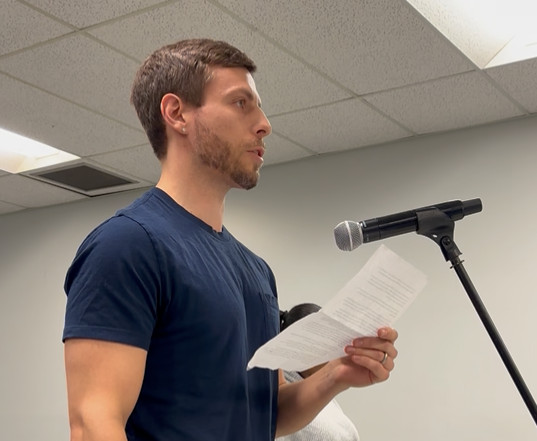
St. Catharines resident Joshua Graham challenged Mayor Mat Siscoe and council’s lack of action on the contaminated GM site.
(Submitted)
The mayor’s response does not align with the documented record of the filtration system. It was installed following intervention by the Ministry of Environment, Conservation and Parks (MECP) after hazardous contaminants, including PCBs, were detected migrating off-site through stormwater runoff. That contaminated run-off was only discovered after persistent advocacy by residents and local organizations compelled the MECP to undertake testing. The City has been widely criticized for its “hands off” approach to the site as a whole.
The mayor also failed to mention that the system is currently under investigation by the MECP after reporting by The Pointer revealed it was not functioning. Initial testing by the property owner found that the stormwater it was meant to be filtering was free of PCBs. But questions have been raised by experts who spoke with The Pointer about the accuracy of those results.
For Joshua and Lola Graham, last week’s town hall allowed the airing of concerns that have been building since they moved into the neighbourhood from Toronto in late 2022.
In an interview with The Pointer, the couple said they relocated to St. Catharines to be closer to family and continue building their future together.
When they purchased their home, located roughly two blocks from the former GM site, they knew it had once been an industrial facility but they were not aware of the extent of the environmental concerns.
“We thought that if there were things of concern with the site it would have been clear and obvious, but it wasn’t at the time, and it still isn’t.”
Since moving in, they say much of what they have learned about the site has come not from City Hall or the Province, but from investigative reporting and conversations with other residents.
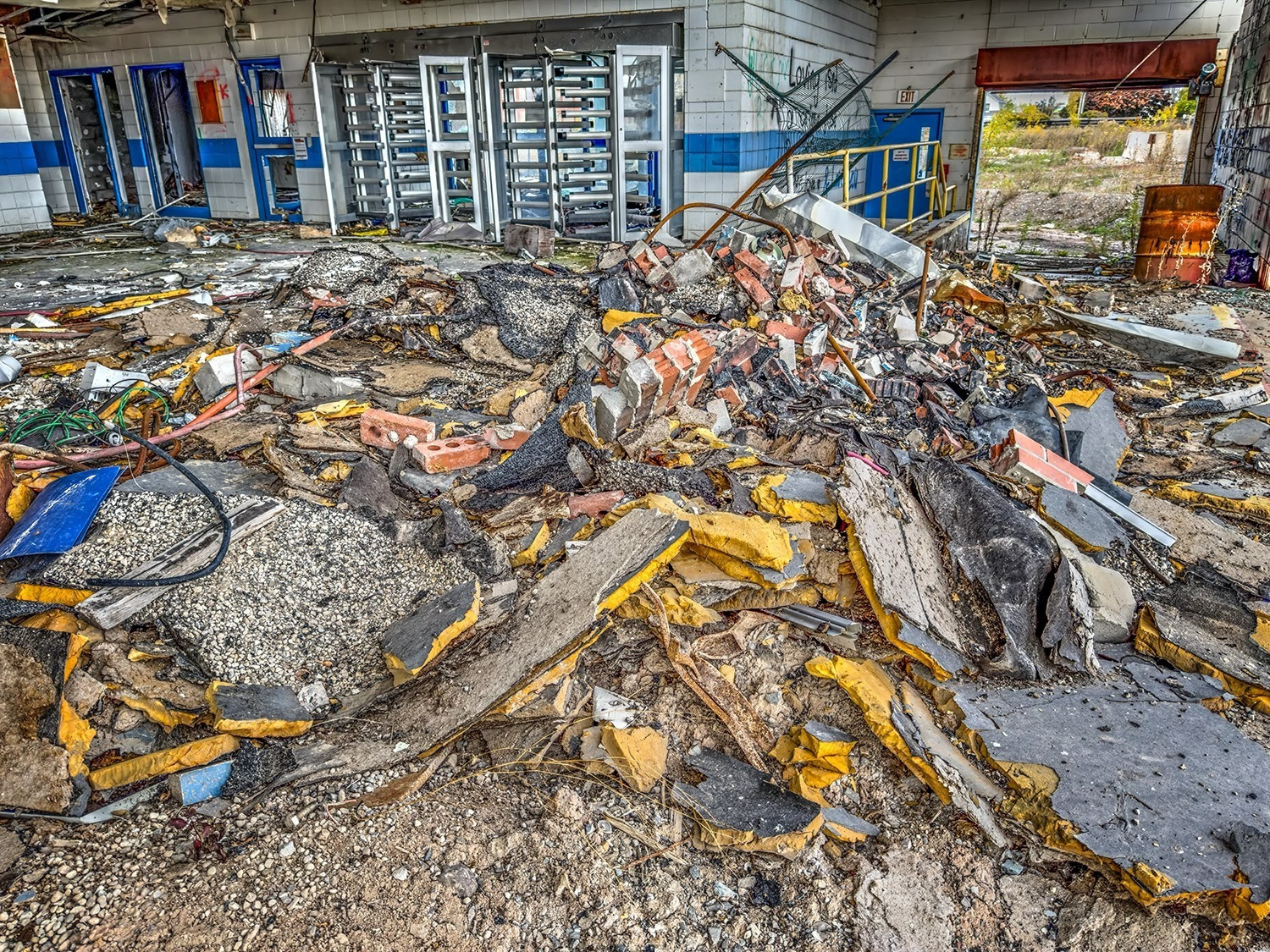
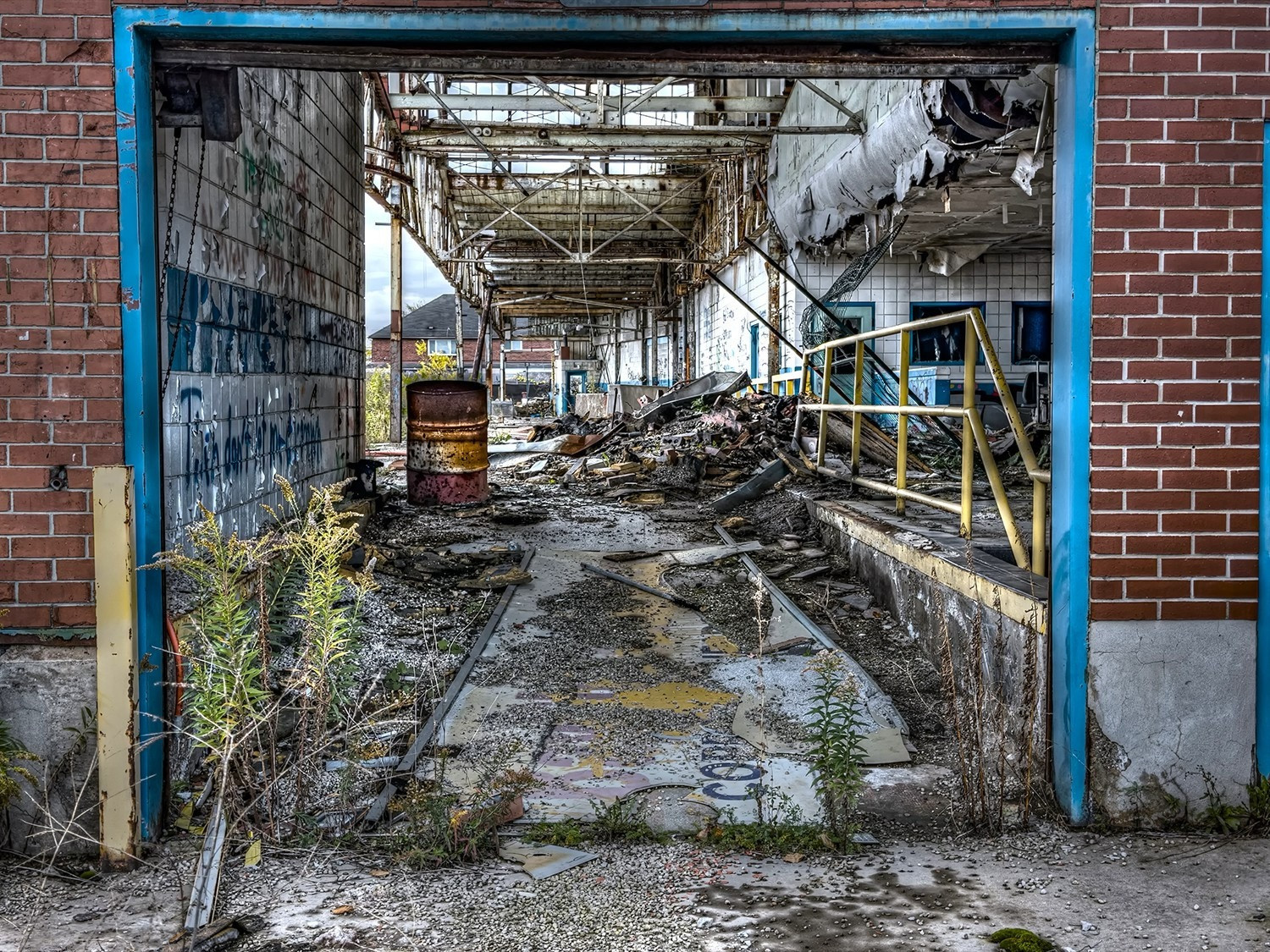
Piles of debris, rusting metal barrels containing unknown substances, and crumbling brick cover the former General Motors property.
(Submitted)
For Joshua, the issue is also personal. He lives with Lynch Syndrome, a genetic condition that places him at a heightened risk for certain cancers.
“This has raised our concerns around the old GM site,” he said.
He first attended a town hall on March 30 to hear how the mayor would respond to questions about the site.
He left with more questions than answers.
“The more I learned, the more I felt misled and unsatisfied with the mayor’s answers,” he said. “I wanted accountability, action and honesty about the old GM site.”
That frustration led him to sign up as a speaker for last week’s meeting.
His comments were amplified by his partner, Lola.
“We showed up at the town hall because we believe we have a collective responsibility to care about the health and wellbeing of our fellow St. Catharines citizens, to create safe conditions for future generations, and to protect the environment, all of which are at risk if the GM site stays as is. Wishing for and wanting change won't prevent harm; that takes concrete action,” she said.
The Grahams also pointed out that at the town hall the mayor spoke many times about protecting children by not allowing encampments near schools: “Yet he continues to sit on his hands and has done nothing for years to protect the children in this community, and the negative impacts to their wellbeing living next to contaminated land.”
Grant Higginson was another resident who attended and delegated at the town hall. Contacted by The Pointer following the meeting, he said his decision to speak was driven by growing frustration over what he sees as a lack of leadership from council.
“I’m tired of watching residents do the work council was elected to do,” he said. “Almost everything the public knows about that property has come from citizens, FOI filings, and journalism done at real personal cost. Delegating is the least I can do when others have already done so much more.”
Like other residents who attended, Higginson said he left the meeting frustrated.
“I was not at all satisfied with what I heard,” he said. “The answers were rehearsed enough that you could feel they’d been delivered many times before. When I pressed for the factual basis, the mayor had no response.”
He also took issue with what he described as repeated references to unnamed legal and development advice being used to justify continued inaction.
“Council keeps invoking unnamed lawyers and developers as the reason nothing can move forward, but the public never sees the advice, never hears the names, and never sees a single document backing any of it,” Higginson said. “Residents are being asked to accept inaction on faith.”
A recent investigation by The Pointer revealed a murky corporate structure behind the GM site’s ownership.
Higginson said he attended the meeting hoping to contribute possible solutions and open dialogue, but left feeling that political will is what’s missing.
“Council keeps suggesting this file is somebody else’s responsibility, but residents can see who is actually doing the work. Our provincial representatives have shown up. At the council table, we’ve seen the opposite, a refusal to be transparent, a refusal to evaluate options seriously, and a clear preference for the status quo over any path that involves discomfort.”
Residents are no longer willing to accept what they view as repeated reassurances without action, he said.
“Residents have heard enough hollow promises about this site to last a generation. The pressure must remain, through action, the public record, and the questions council keeps trying not to answer, and that’s what I plan to keep doing.”
Residents also pointed to another repeated claim by Mayor Siscoe, his “fear” of liability and a potentially large clean-up bill, part of what they perceive as a familiar pattern.
For many in the neighbourhood, his statements about liability and the potential financial cost of remediation have become a flashpoint, an admission that he does not care as much about his constituents’ well being.
Some have voiced confusion that he does not have the same “fear” about the risks of doing nothing about exposure to toxic chemicals or dangerous conditions anyone can encounter when easily accessing the site.
Residents also argue that the mayor’s comments conflate two very different legal responsibilities.
The costly component of the site is the subsurface contamination and soil remediation, which falls under provincial environmental oversight and MECP jurisdiction. That is not the same as municipal bylaw enforcement of dangerous buildings and surface-level hazards.
Under the City’s property standards and vacant building bylaws, St. Catharines has clear legal authority to issue compliance orders requiring the property owner to remove unsafe structures and hazardous rubble, close access points and address visible dangers at the surface level.
The City has exercised these powers at other major sites in recent years, but not at the Ontario Street property.
Following the fire that destroyed the Welland House property, the City issued cleanup and compliance orders requiring the removal of dangerous debris and rubble. A similar process occurred at the former YMCA building when people broke windows and doors to gain access, creating a significant public safety risk.
In both cases, the City moved quickly and issued orders compelling the owner to undertake the necessary work.
If the owner failed to comply, the City retained the legal right to complete the work itself and place a priority lien on the property.
Residents say this is precisely what makes the mayor’s nine-digit liability warning so troubling: he appears to be purposely misleading residents.
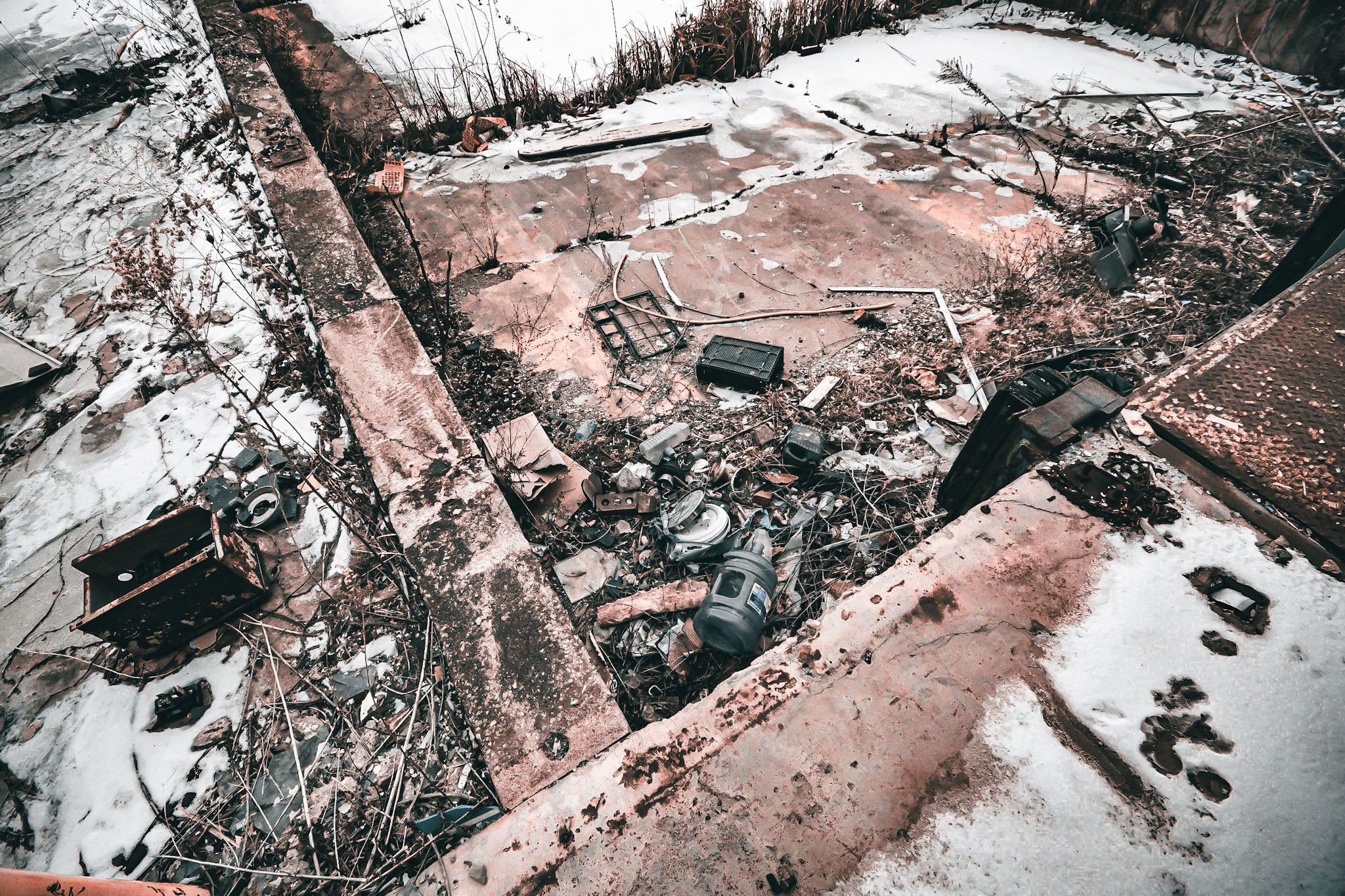
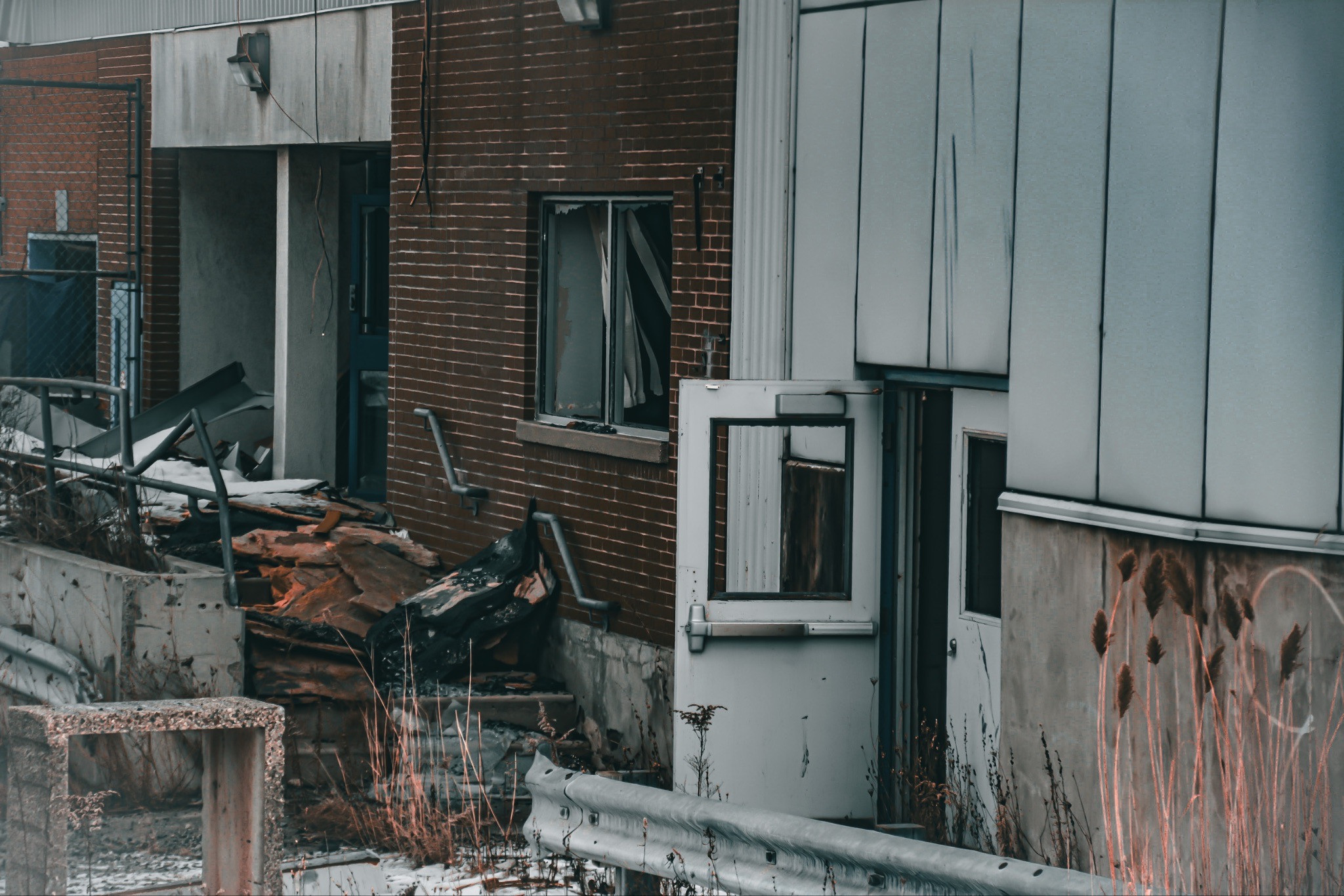

Debris, open pits, garbage, exposed manholes, easy access points to abandoned underground industrial passageways and unsecured entrances can all be remedied through the City’s property standards and vacant buildings bylaws. To date, Council has failed to take any action.
(Joel Wittnebel/The Pointer files)
Another point of contention at the town hall involved concerns about air quality and dust blowing from the site. After Graham described watching dust lift from the large gravel pile on the property and drift over the surrounding neighbourhood, the mayor sought to reassure residents, claiming air sampling had been conducted and the air had been found to be clean.
Air sampling was conducted on the site by the MECP, but that was six years ago during the summer of 2020, and over a limited three-month period.
At that time, the sampling found no asbestos in the air. However, the physical condition of the site has changed significantly since then, and a limited snapshot taken six years ago may not reflect present-day conditions. Since that air test was conducted the site has continued to deteriorate and materials have been exposed to the elements since the testing. Exposed materials have weathered under years of wind, rain, snow, freeze-thaw cycles and ongoing structural breakdown.
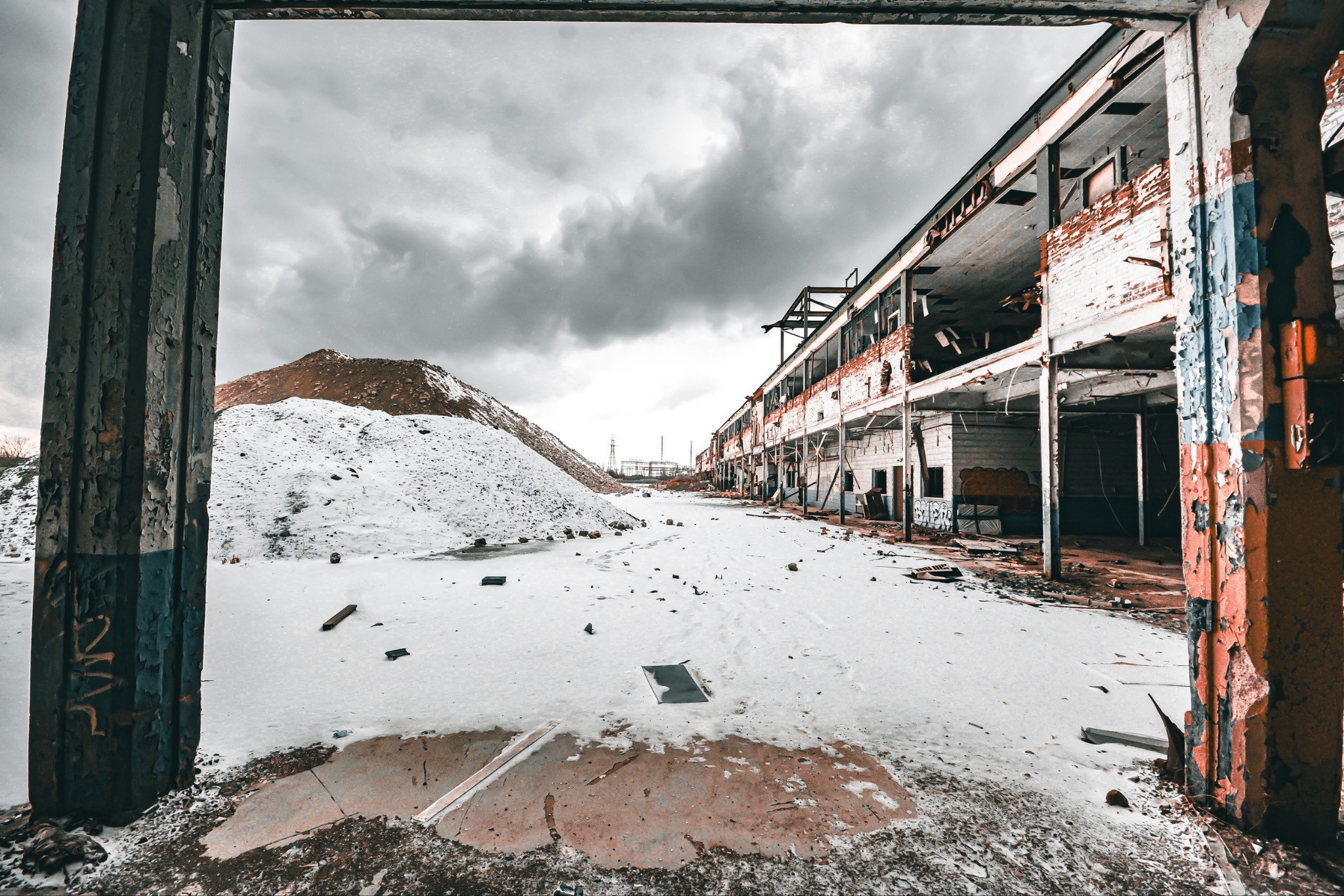
The large gravel pits, seen here, often have dust blown from them over nearby neighbourhoods on hot, dry days.
(Joel Wittnebel/The Pointer files)
The conditions on the site today are not the same as they were in 2020. Residents argued that citing six-year-old data without acknowledging the dramatically changed conditions amounts to yet another half-truth.
Residents explained their concern is not the existence of historical testing, but the lack of sustained monitoring and the public reporting of tests conducted under a range of oversight to ensure known substances and toxins do not pose an immediate public health risk.
Along with unsubstantiated claims about the filtration system and liability issues by the mayor and ward councillors, residents say there is a pattern of selective information and empty reassurances.
With the next municipal election approaching in October, the future of the former GM site is one of the most politically sensitive issues in the city.
The coming election will be the third since Mat Siscoe vowed in 2018 to leave “no stone unturned” to get the site cleaned and made safe.
“Pointing to past progress is not the same as current and future action. Our neighbourhood deserves a timely step-by-step plan with contingencies in place to ensure the GM site is properly taken care of,” Lola Graham said.
The Pointer reached out to Mayor Siscoe for comment. He did not respond.
Email: [email protected]
At a time when vital public information is needed by everyone, The Pointer has taken down our paywall on all stories to ensure every resident of Brampton, Mississauga and Niagara has access to the facts. For those who are able, we encourage you to consider a subscription. This will help us report on important public interest issues the community needs to know about now more than ever. You can register for a 30-day free trial HERE. Thereafter, The Pointer will charge $10 a month and you can cancel any time right on the website. Thank you
Submit a correction about this story

