
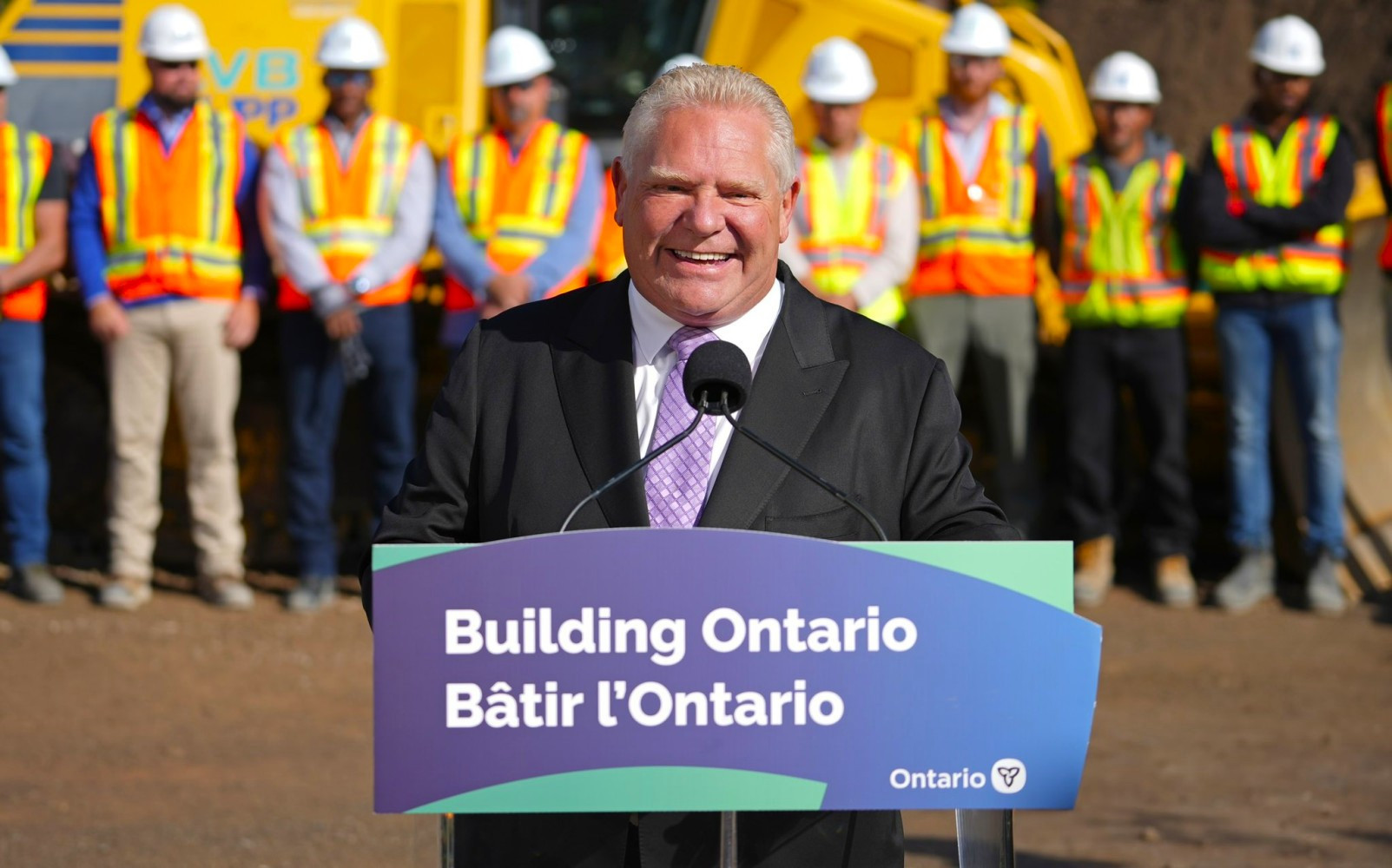
A ‘highway to hell’: Developer driven 413 will have devastating environmental impacts, internal report admits
A recent PC government report on the controversial Highway 413 project, pushed by Doug Ford and Ontario’s powerful residential development industry, acknowledges devastating environmental consequences including threats to at-risk species and the likely destruction of sensitive ecosystems.
Experts and advocates say the report, despite its findings, completely ignores established science, eschews best practices for protecting the environment and brushes aside the destructive ripple effect the highway will have across Ontario.
This is being done to justify the most ecologically damaging route.
Ontarians were given five weeks to review and respond to the lengthy technical analysis detailing the impact on protected species and hundreds of hectares of natural land. The proposed highway will carve up portions of the Greenbelt, irreversibly destroy large swaths of the province’s most pristine and fertile farmland and alter or contaminate 107 streams, rivers and watercourses.
The project could cost Ontarians as much as $18 billion—this is an estimate; the PCs refuse to share the cost of the highway. The province is already nearing half a trillion dollars in debt.
On December 1, when the PCs made the much-awaited 1,700 pages (including appendices) of the draft Environmental Impact Assessment Report (EIAR) public, grassroots group ecoCaledon joined others in scouring through the environmental impacts of the contentious highway proposal which could drastically alter Caledon’s natural landscape, already under pressure from development and council decisions.
EcoCaledon co-chair Lucrezia Chiappetta criticized the PC government for releasing such a lengthy, complex document when the majority of people were occupied with family and other commitments during the holidays. Even with her planning background, she struggled to understand the draft.
“Who was working out of our provincial representatives during that time? Yet, we were expected to read and comment. If we had had questions during that time, would there have been anybody to answer them? I don't think so. It's hard enough to get questions at any time of the year.”
Chiappetta and her fellow ecoCaledon members had questions about why the EIAR retained the Province’s preferred route for Highway 413 despite issues raised during the consultation period.
How was the assessment affected by the fact that it was prepared before the passage of Bill 5, which weakened Ontario’s Endangered Species Act?
What steps has the project taken to apply the first best-practice principle, avoiding impacts to Species at Risk (SARs) and their habitats?
To what extent will the project respect possible decisions by Environment and Climate Change Canada (ECCC), or the Department of Fisheries and Oceans (DFO) to refuse permits, authorizations or approvals that would allow the project to proceed beyond what is ecologically sound for species at risk?
Despite the timing, it was important for members of ecoCaledon to submit a response, especially after witnessing their mayor, Annette Groves—elected in 2022 on a pro-environment platform critical of Highway 413— stand side-by-side with Ford to announce the beginning of early works for the highway on August 27 last year. The Premier and his transportation minister, Brampton MPP Prabmeet Sarkaria, made a string of misleading statements.
When asked how that made them feel, Chiappetta and her fellow co-secretary of ecoCaledon Betty de Groot respond in unison.
“Disappointed.”
Together, they stayed up all night putting their thoughts together to send in their submission on January 6, the final day of the consultation period.
“It seems to be a recurring story with this government; they have an agenda, and they're just going at it full steam ahead without really wanting to hear from the rest of us,” Chiappetta said.
The cancellation of Highway 413 (previously called the GTA West Highway) on February 9, 2018 by the former Liberal government, was called a “game changer” — a sign of “growing provincial recognition that building complete communities rather than highway-led planning is better for our health, our shared climate and our wallet.”
It reflected that Ontarians’ voice was heard, “and that when we work together, we can defend our farms, forests and watersheds,” former professional planner Susan Lloyd Swail said in a statement.
Eleven days prior, Progressive Conservative candidate Doug Ford had entered the race to become Ontario’s 26th premier, with development and highway building being a key campaign focal point.
By June 7, Ford had won that race, taking 76 of 124 seats in the Legislative Assembly of Ontario, overtaking both NDP leader Andrea Horwath and incumbent Liberal premier Kathleen Wynne.
Five months later, he formally revived the Highway 413 project.
De Groot got “curious”, wondering why the new provincial government was bringing back a project that, as found by an expert advisory panel report (which was quietly removed by the PCs from the Ontario government website), would only save commuters 30 seconds and would eventually lead to even worse congestion.
The province claims it would save commuters up to 30 minutes each way during rush hours.
The Highway 413 project website attempts to debunk the widely cited 30-second figure, which comes from a 2017 study averaging travel times across the entire Greater Golden Horseshoe, including areas far from the proposed route.
“If we used average regional time savings to decide whether to build highway and transit projects we’d never build any of them,” the website claims.
The PCs’ 30-minute time-savings is similarly criticized.
A 2023 study found the Province’s logic assumes “free flow of traffic on the 413” which is “unlikely to occur in the real-world, as induced demand from new drivers will rapidly fill up the 413.”
FOI documents obtained by The Trillium show the PCs are aware the 413 will not end gridlock. The internal MTO documents reveal that commuters across the GTA will face crushing travel times by 2041, even if the 413 and the other highway projects proposed by the PCs are constructed.
It took six years for the Ministry of Transportation (MTO) to release the draft EIAR after the Environmental Assessment (EA) for the highway had resumed on June 9, 2019 to understand the growing transportation needs in the GTA West corridor through York, Peel and Halton Regions.
In that time, the highway’s projected cost has also reportedly ballooned from roughly $5 billion to $14-18 billion, according to Environmental Defence’s Transit Over Traffic report, even as the PCs have kept the price tag a secret so far.
"A detailed construction budget will be developed as the project advances into Detail Design and the route is refined," MTO officials said in September 2024.
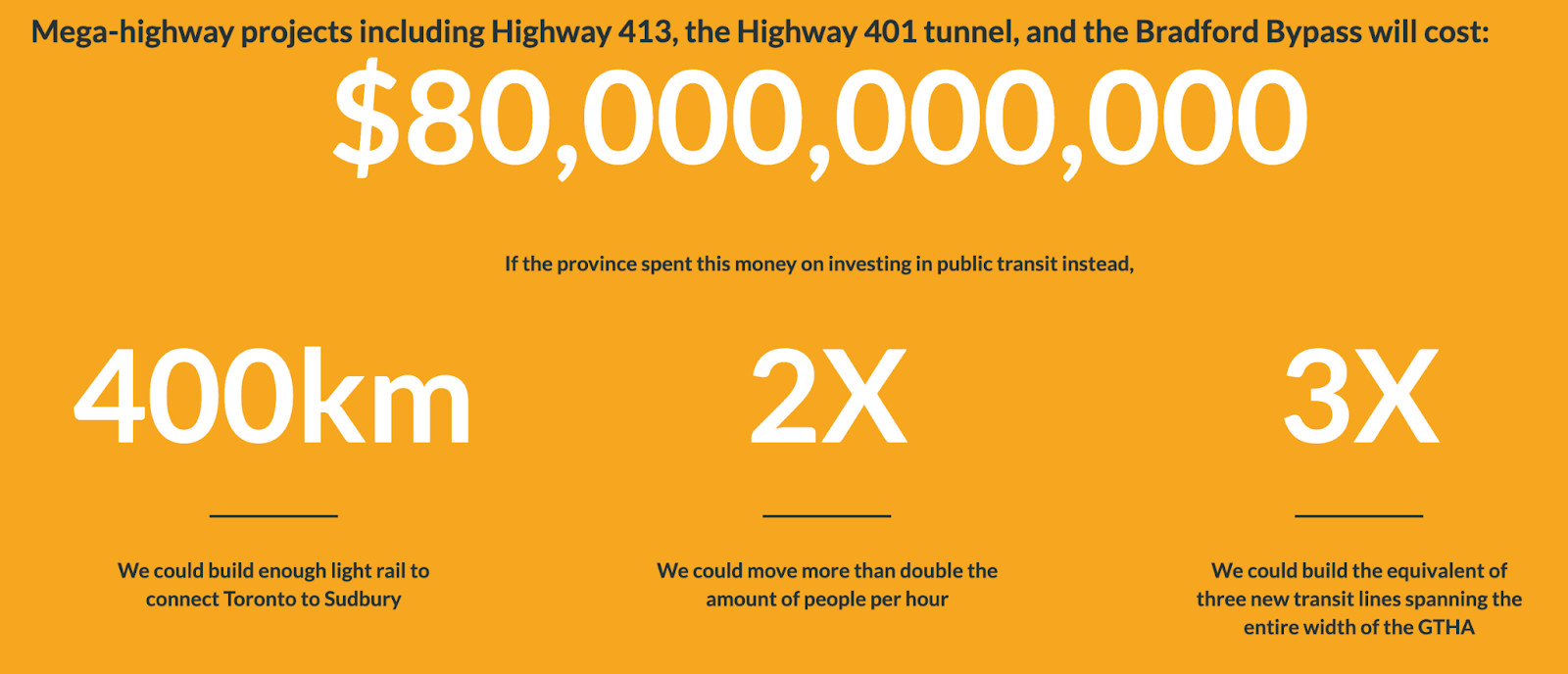
A new report by Environmental Defence and Transport Action Ontario shows that instead of spending $80 billion on mega-highways like Highway 413, the province could build 400 kilometres of rapid transit, doubling transit service and moving more than twice as many commuters per hour while also reducing gridlock, curbing urban sprawl and protecting the environment.
(Environmental Defence)
Not only did MTO fail to release that information but critics have pointed out the EIAR proves that the Province turned a blind eye to public feedback by sticking to one of the “most ecologically destructive routes” for the 52-kilometre transportation corridor, despite its own consultants warning this could raise the risk of federal environmental permits being denied and “undermine the credibility” of the project.
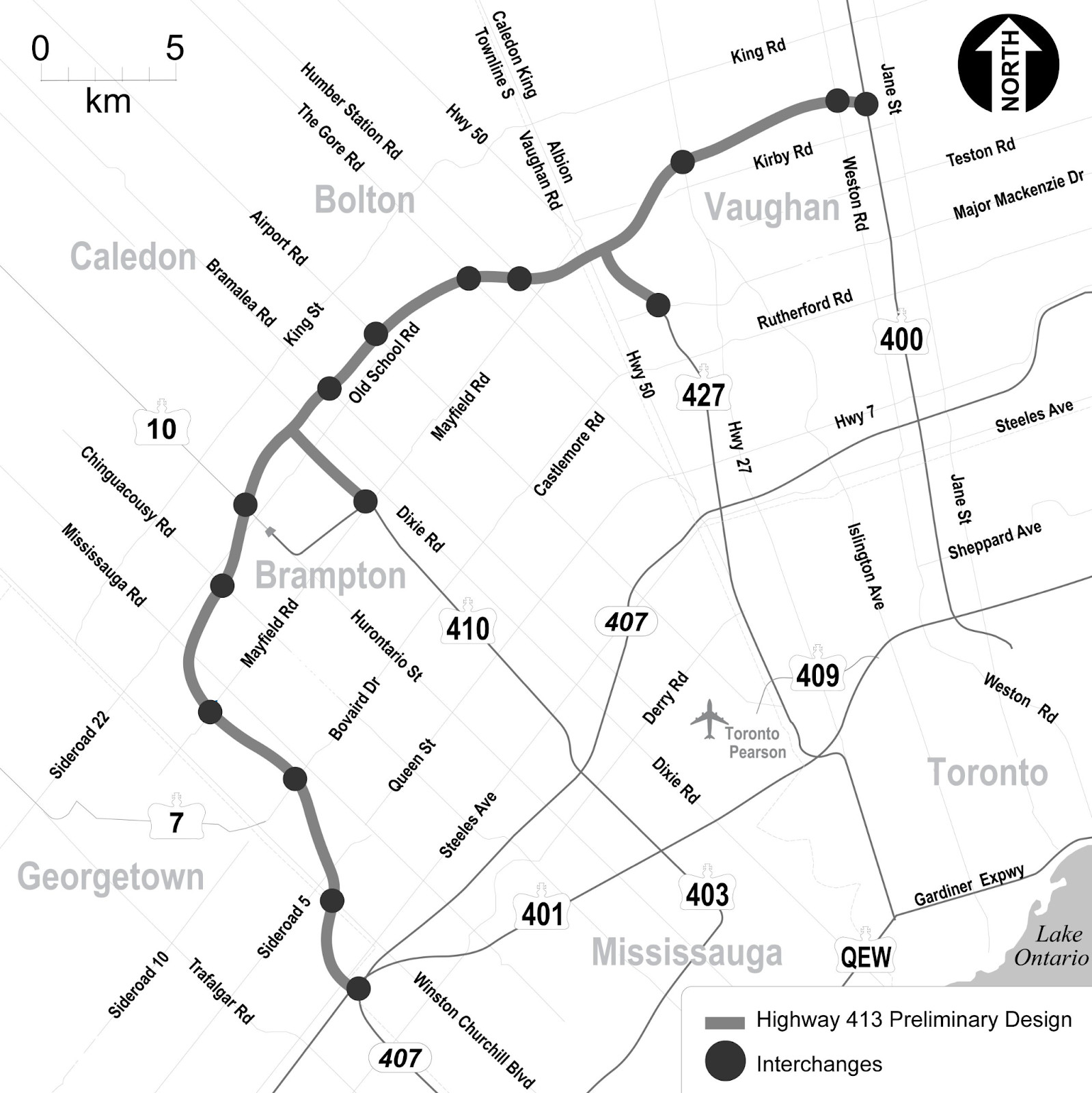
Highway 413 is planned as a 52-kilometre (km) highway corridor, part of a larger 59-km infrastructure project that includes extensions to highways 410 and 427, connecting Highway 400 to the Highway 401/407 interchange in the Greater Toronto Area.
(Highway 413/Government of Ontario)
Members of ecoCaledon noted Highway 413’s chosen route “threatens irreversible harm” to Ontario’s “climate goals, ecological integrity and biodiversity, agricultural and Indigenous heritage, and public health.”
“While the Ontario government promotes this project as a congestion-relief measure, mounting scientific evidence reveals it as a shortsighted mis-investment that exacerbates the very crises it purports to address: gridlock and surprisingly, climate change,” the group wrote in its submission to the MTO.
Ontario Nature’s Conservation Policy and Campaigns Director Tony Morris noted that while the report leaves little doubt about the scale of ecological harm, “the problem is the government is pushing ahead regardless”.
The selected alignment would negatively impact an array of species inching closer to extinction. A previous investigation by The Pointer found 29 provincially and federally protected species along the corridor including Redside Dace, Western Chorus Frog and Rapids Clubtail dragonfly. It will also directly destroy roughly 300 hectares of forests, wetlands and other natural ecosystems and affect an additional 500 hectares of surrounding natural areas.
Upon closer look, Morris realized the draft EIAR explained many aspects of the areas affected due to Highway 413 construction as “already highly fragmented and degraded” which appears to be the Province downplaying the “anticipated impacts” on those ecosystems and the species that rely on them for survival.
“Past environmental degradation does not justify further damage,” he wrote in his submission to the Province.
The draft report highlighted impacts across four major watersheds including Sixteen Mile Creek, Credit River, Etobicoke Creek and the Humber River along with 12 subwatersheds and more than 100 watercourses within the highway corridor.
At least 107 watercourses in the study area were also identified, more than half of which support direct or seasonal fish habitat including waterways of ongoing cultural and subsistence importance to Indigenous communities.
The province recognized four aquatic species at risk, including the endangered Redside Dace, whose critical habitat would be affected at 27 watercourse crossings, and the American Eel, confirmed within the Credit River watershed along the proposed route. Other fish including the Silver Shiner, listed as threatened and the Silver Lamprey, listed as a species of special concern, will also be impacted.
“The coldwater/coolwater thermal regime of these sites is important for Redside Dace and Silver Shiner (directly in Occupied Habitat/Critical Habitat and indirectly through support downstream) and other fish populations in these watercourses,” the EIAR details.
“Alteration to the water temperature, such as by untreated stormwater or highway surface runoff without suitable thermal mitigation measures, poses a potential impact to Redside Dace, Silver Shiner, and the fish community generally in these watercourses.”
On the same page, the EIAR concedes that “mitigation measures alone” will not fully compensate for the loss of ecological function, a rare admission that the highway will cause permanent damage.


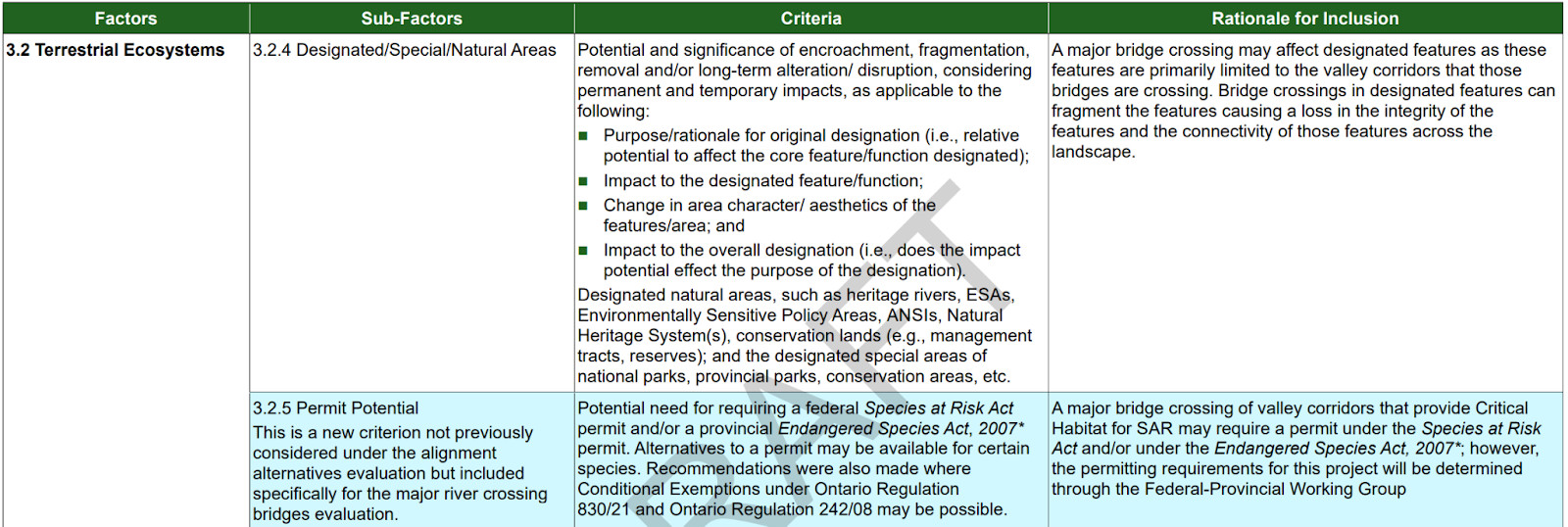
The Environmental Impact Assessment Report includes several instances where the project intends to seek permits, approvals, or authorizations from the Ministry of the Environment, Conservation and Parks (MECP), Environment and Climate Change Canada (ECCC) or the Department of Fisheries and Oceans Canada (DFO).
(Highway 413/Government of Ontario)
University of Toronto biological sciences professor and expert on the Redside Dace Nicholas Mandrak agreed unequivocally: “There are no proven measures for mitigating impacts that would be associated with the construction and presence of the proposed highway along this route.”
The EIAR acknowledged stormwater runoff could alter water temperature and quality but fell short of detailing what that runoff will contain or how it will be managed.
Environmental Defence Associate Director Mike Marcolongo noted there are no details about the composition of runoff expected from the highway, which he said would include heavy metals from brake and tire wear, hydrocarbons, microplastics, de-icing salts and other toxic pollutants that would inevitably enter waterways at more than 50 creek and river crossings.
“If you don’t identify what’s in that discharge, that toxic soup, you can’t design appropriate mitigation,” he told The Pointer.
“It's [the EIAR] not based on science. It's not based on a strong environmental lens. It's really a failure to pursue the least harmful route.”
Although the province frames mitigation as a solution, the draft report provides little detail on what these mitigation measures would actually entail.
The bigger problem for Marcolongo is that the EIAR exposed MTO’s refusal to apply the most basic scientific framework used in environmental planning — avoidance.
“They went straight to mitigation and offsetting. There’s no scientific rationale for that,” he said, noting the internationally recognized mitigation hierarchy prioritizes avoidance, then minimization, on-site remediation and only finally offsetting as a last resort.
“You avoid first, then minimize, then remediate. They skipped the first step entirely.”
Marcolongo pointed to the province treating “relocation” of species like the Western Chorus Frog, an endangered amphibian whose last remaining critical habitat aligns with the highway, as a “viable option” when there is no proven record of successful relocation.
Critics worry there is a disconnect between the Province’s approach and the loss of species in a world increasingly attacking their homes through climate change.
“These species are indicators of healthy systems. If they disappear, that points to cascading ecological impacts well beyond the highway corridor,” Morris warned.
Provincial officials noted that the document was prepared before the passage of Bill 5, Protect Ontario by Unleashing our Economy Act, which replaced the Endangered Species Act with the watered-down Species Conservation Act. Experts cautioned the bill would lead to an “environmental slaughterfest”.
Does that mean many of the reports conclusions might be irrelevant or unenforceable?
“Not really,” Marcolongo said, noting the legislative shift fundamentally alters who is responsible for protecting species affected by Highway 413.
“The province has essentially said that if species are protected federally, fish, migratory birds, Ontario has no responsibility,” he emphasized. “That puts the entire onus on the federal government…Now Canadians will be watching to see whether the federal government actually steps in.”
In 2021, the federal government stepped in after determining the highway could cause adverse effects on federally protected species at risk and raised concerns related to Indigenous rights and heritage, prompting Ottawa to designate the highway for a federal impact assessment which was ultimately denied in November 2024 after a Memorandum of Understanding (MOU) was signed leading to the creation of a federal-provincial working group in April 2024. Since then, however, the PCs have not publicly provided any new or substantive information through that process, leaving key federal concerns unresolved and federal officials of the working group frustrated.
Marcolongo called the move “very disturbing,” adding it signals Ontario is no longer interested in developing or updating recovery strategies for species at risk—something they were legally mandated to complete for decades.
The project’s proposed habitat offsetting is deeply flawed, relying largely on lands already controlled by the ministry, including cloverleaf interchanges, rather than securing or restoring equivalent critical habitat elsewhere.
“Planting trees on a cloverleaf (interchange) is not a substitute for destroying endangered species habitat,” Marcolongo said.
De Groot added the proposal to plant landscaping to “mitigate urban sprawl” ignores that the highway itself drives sprawl.
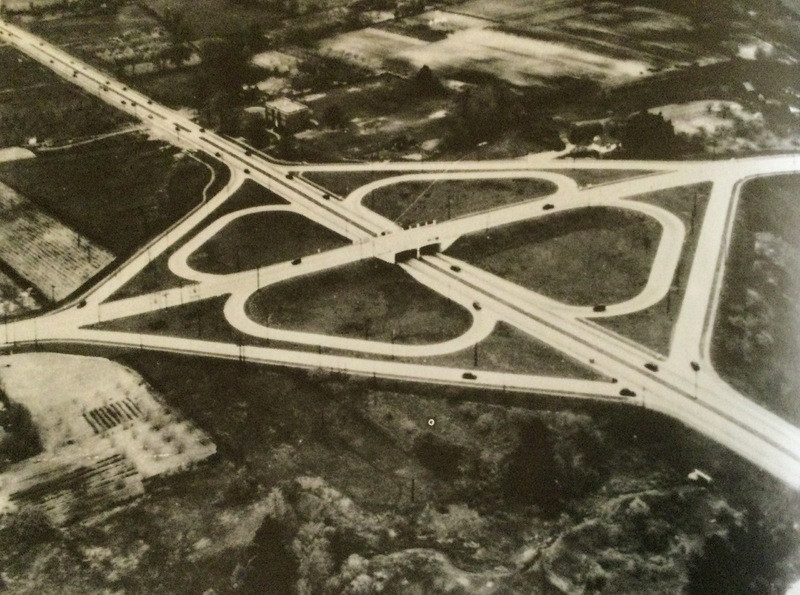
The cloverleaf interchange, a looping highway design meant to keep traffic moving without lights but notorious for dangerous weaving conflicts (specific to merging and diverging), dates back in Canada to the QEW and Hurontario, first built in 1937 and reconstructed in 1962, the same underpass slated to carry Mississauga’s LRT.
Criticizing the ministry for ruling out lower-impact bridge designs (cable-stayed and through-arch bridges) at major crossings including the Humber and Credit rivers explicitly citing cost as the reason, Marcolongo said “if cost is your starting point, rather than environmental protection, then we’re already in trouble.”
Both Marcolongo and Morris raised concerns about the absence of cumulative effects analysis, a result of the project’s exemption from the federal Impact Assessment Act in December 2024.
Without cumulative assessment, the EIAR avoids examining downstream flooding risks associated with paving hundreds of hectares of land in watershed headwaters, a glaring omission amid worsening climate-driven flood events across Ontario which costed the province close to $1 billion in insured losses in July 2024 alone.
For years, the PC government has been reluctant to study any cumulative effects of its poor planning decisions.
“From a climate resilience perspective, it makes no sense…Hardening that much land without assessing downstream flooding is irresponsible,” Morris said.
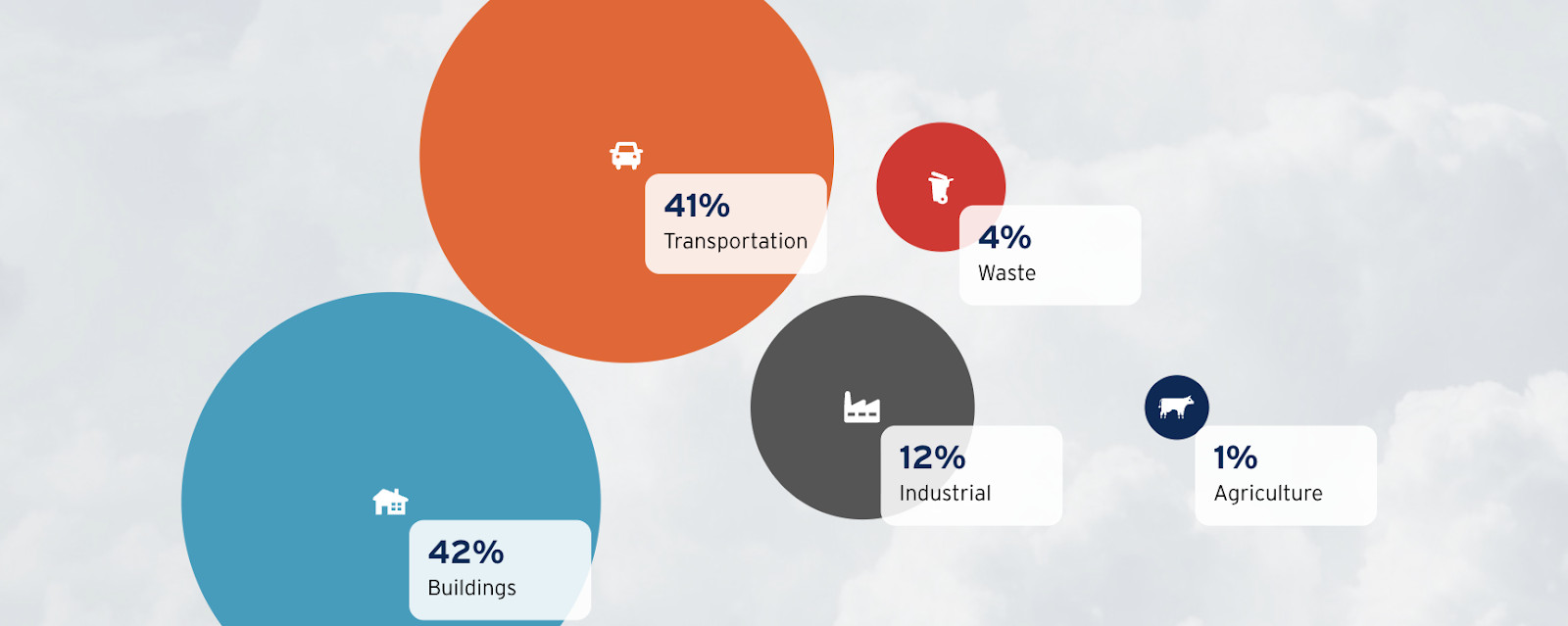
Transportation currently accounts for 37 percent of emissions in the Greater Toronto and Hamilton Area (GTHA) and 41 percent in Peel Region, making it the second-largest source of emissions in the region. However, it continues to be the single largest contributor in both Caledon and Brampton: transportation emissions fell the most in Caledon (down four percent) and Mississauga (down one percent), while Brampton saw a slight increase of 0.4 percent. These findings make it all the more important for Brampton to meet its Mobility Plan and Active Transportation Master Plan targets.
(2024 Carbon Emissions Inventory Report/The Atmospheric Fund)
The Province claimed that a single project cannot be reliably studied to determine its contribution to climate change, which Chiappetta called “disputable” especially when transportation is the second largest source of emissions in the Greater Toronto and Hamilton Area (GTHA).
A 2021 report by Environmental Defence, in collaboration with Eunomia Research & Consulting, estimated if Highway 413 is built, vehicles using the highway could emit up to 17.4 million tonnes of greenhouse gases by 2050, equivalent to more pollution than the entire City of Toronto produced in 2018, causing over $1 billion in damages from air pollution, all in the same year Canada aims to reach net-zero emissions.
“We now are in a limbo state, where neither provincial nor federal policies are in place to continue to incentivize EV uptake, therefore reducing GHG emission estimates between the 2040 outlook and the 2050 outlook are not justifiable at this time,” Chiappetta noted.
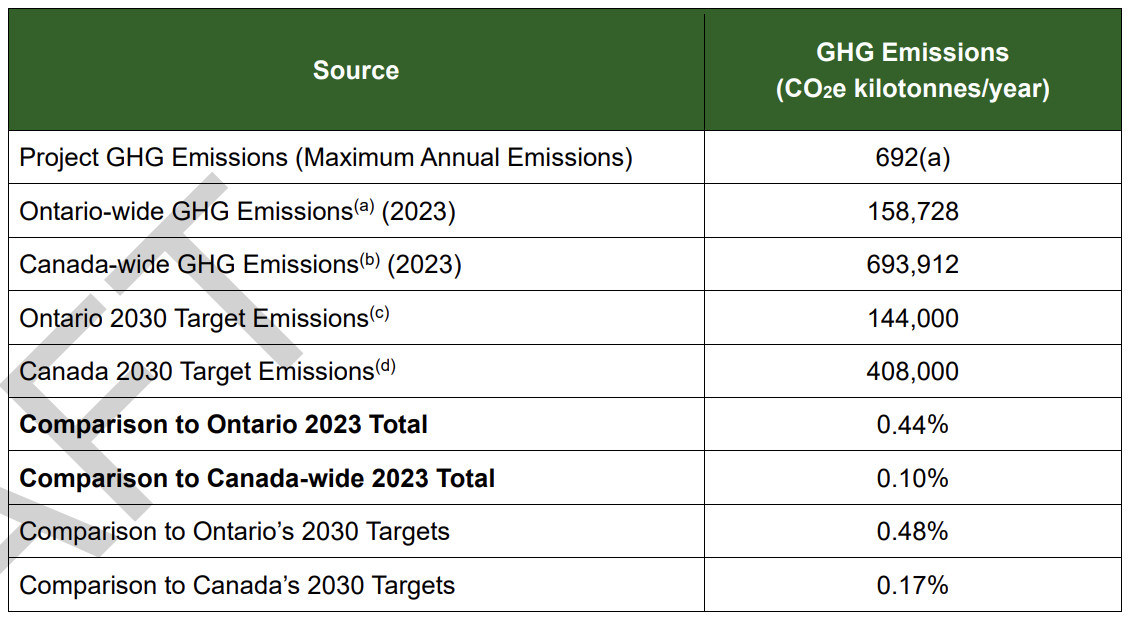
According to the draft EIAR, Highway 413 will have minimal impact relative to broader climate goals of both Ontario and Canada. The conclusion is criticized by advocates and experts.
(Highway 413/Government of Ontario)
The draft compares the highway’s operational emissions to Ontario and Canada’s emissions reduction targets and concludes the project would contribute only 0.44 percent and 0.17 percent respectively.
For De Groot, this is “problematic” for two reasons.
On November 6, as Ontario’s finance minister Peter Bethlenfalvy unveiled the 2025 Fall Economic Statement, he announced the PC government is repealing sections 3-5 of the 2018 Cap and Trade Cancellation Act, which requires the province to set emissions reduction targets, develop a climate change plan and report on progress toward those goals.
She noted this moratorium on calculating the province’s GHG contributions means these figures will not be subject to rigorous review to ensure targets are met.
Second, rather than pursuing a commuter or transit option that could reduce emissions, the project chooses one that ultimately adds to them. De Groot argued that both the Province’s decision to avoid calculating its contributions and its tendency, across nearly all priority projects, to accelerate emissions is “ultimately shameful.”
Despite repeated claims that Highway 413 is essential to economic growth and congestion relief, critics question whether the benefits justify the environmental cost, particularly given mounting evidence that highway expansion does not reduce congestion in the long term.
But that’s a fact the PC government has refused to accept. On December 9 in Caledon, as the Ontario government announced a Request for Proposals to design an extension of Highway 410 to connect with the future Highway 413, Brampton North Member of Provincial Parliament and Minister of Citizenship and Multiculturalism Graham McGregor dismissed the concept entirely.
“You see bypass highways in communities around Ontario. All of a sudden, we had a highway proposed to go around Brampon and everybody had a problem with it,” McGregor said during a press conference. “Imagine if we listened to those naysayers and we didn't invest in new highway construction. Frankly, there are politicians that are in office today that don't even believe in building new roads across Ontario. They hide behind academic buzzwords like induced demand.”
Induced demand is not simply a “buzzword” but an indisputable fact proven by countless scientific studies and past experience.
In The Power Broker, biographer Robert Caro documented how New York’s mid-20th century highway building program, led by American urban planner Robert Moses, consistently failed to deliver lasting congestion relief.
Caro documented that planners “could hardly avoid the conclusion that ‘traffic generation’ was no longer a theory but a proven fact: the more highways were built to alleviate congestion, the more automobiles would pour onto them and congest them and thus force the building of more highways – which would generate more traffic and become congested in their turn in an inexorably widening spiral that contained the most awesome implications for the future of New York and of all urban areas.”


Artificial lights can disorient hatchling sea turtles, leading them away from the ocean and often to their death. They can also disrupt migratory birds that navigate by moonlight and starlight, causing them to wander off course, collide with illuminated buildings and miss critical seasonal cues for breeding and foraging.
(Top: Blair Witherington/Dark Sky, Bottom: Alexis Wright/The Pointer)
Chiappetta said the province failed to address the broader social and health impacts of the project, noting that light pollution will harm humans, wildlife and species at risk and mental health considerations are limited to noise mitigation, ignoring stress from congestion, inadequate transit and climate anxiety.
Despite Ottawa urging the Ford government to better consult the Six Nations and Mississaugas of the Credit in 2022, Morris noted the draft EIAR has been cataloguing MTO’s consultation history with First Nations since 2012 without actually acting on it under their Duty to Consult.
“Without accommodation, consultation acts as a box-checking exercise,” he said, adding that MTO’s claim to seek opportunities to develop accommodation measures that reflect input from Indigenous communities as appropriate “lacks credibility” given the ministry’s history.
The province allowed early works of Highway 413 to begin before completing consultation by the powers vested under Bill 212, Reducing Gridlock, Saving You Time Act, passed in November 2024.
Indigenous communities were already excluded from the federal-provincial working group and Bill 212 further allowed the province to determine how consultation happens, potentially limiting the ability of communities to influence project decisions.
The legislation also reduced public participation by limiting it to commenting on the draft EIAR and addenda.
On December 2, Auditor General Shelley Spence criticized the Ford government for a persistent pattern of making decisions before consultations were complete, offering minimal support to help the public engage in environmental processes, despite requirements under the Environmental Bill of Rights to notify Ontarians, consider their feedback and launch investigations when warranted.
Spence emphasized that since taking office, the PCs have “been taking actions that had rarely or never been taken” since the EBR was first introduced in 1993.
That’s eight years of Ontarians voices unheard by a provincial leader who was caught on hidden camera promising a room full of developers he would open up a “big chunk” of the Greenbelt if they helped him win.
Ford tried to fulfill that promise in 2023 with the land swaps, set to benefit nine developers, that later sparked public backlash, and an ongoing Royal Canadian Mounted Police (RCMP) investigation.
Could it be possible the same developers might be benefiting from the proposal of Highway 413?
A 2021 investigation by The Star and National Observer found eight of Ontario’s most powerful developers stand to profit massively from the proposed Highway 413. It also revealed that several developers employ former PC politicians or party officials as lobbyists, donated hundreds of thousands to the party and Ontario Proud, and have benefited from fast-tracked minister’s zoning orders (MZOs) allowing developments near the highway to proceed with minimal environmental scrutiny.
But one name that popped up in both cases is the DeGasperis family, founders of construction and real estate businesses, ConDrain and TACC Group.
“It’s certainly concerning. Moving forward with Highway 413 through the Greenbelt signals that Greenbelt protections remain vulnerable to infrastructure and development pressures,” Morris said, noting environmental groups like Ontario Nature have repeatedly raised policy gaps in the existing Greenbelt plan, which is yet to have its ten-year-review which was slated for February 2025.
“Even if the highway is eventually built, the lands near the Greenbelt won’t be open to urban development but the damage to the Greenbelt’s integrity would already be done…It’s unclear who this highway is actually for, especially when far more cost-effective options exist that could genuinely reduce congestion.”
He believes the “fight for the Greenbelt isn’t over,” especially after multiple polls show a strong majority of Ontarians oppose new highways paving over Greenbelt lands, with 74 percent agreeing the Greenbelt is “no place for new highways” and 81 percent siding with farmers’ opposition to Highway 413.
While the people of the province seem to be united on the issue, the local leaders are divided.
In early 2019, after Brampton Mayor Patrick Brown successfully persuaded the Ford government to reinstate a previously cancelled express GO train, he became the only mayor in the Region of Peel to support Highway 413, despite the route cutting through the city’s smart-growth community project, Heritage Heights.
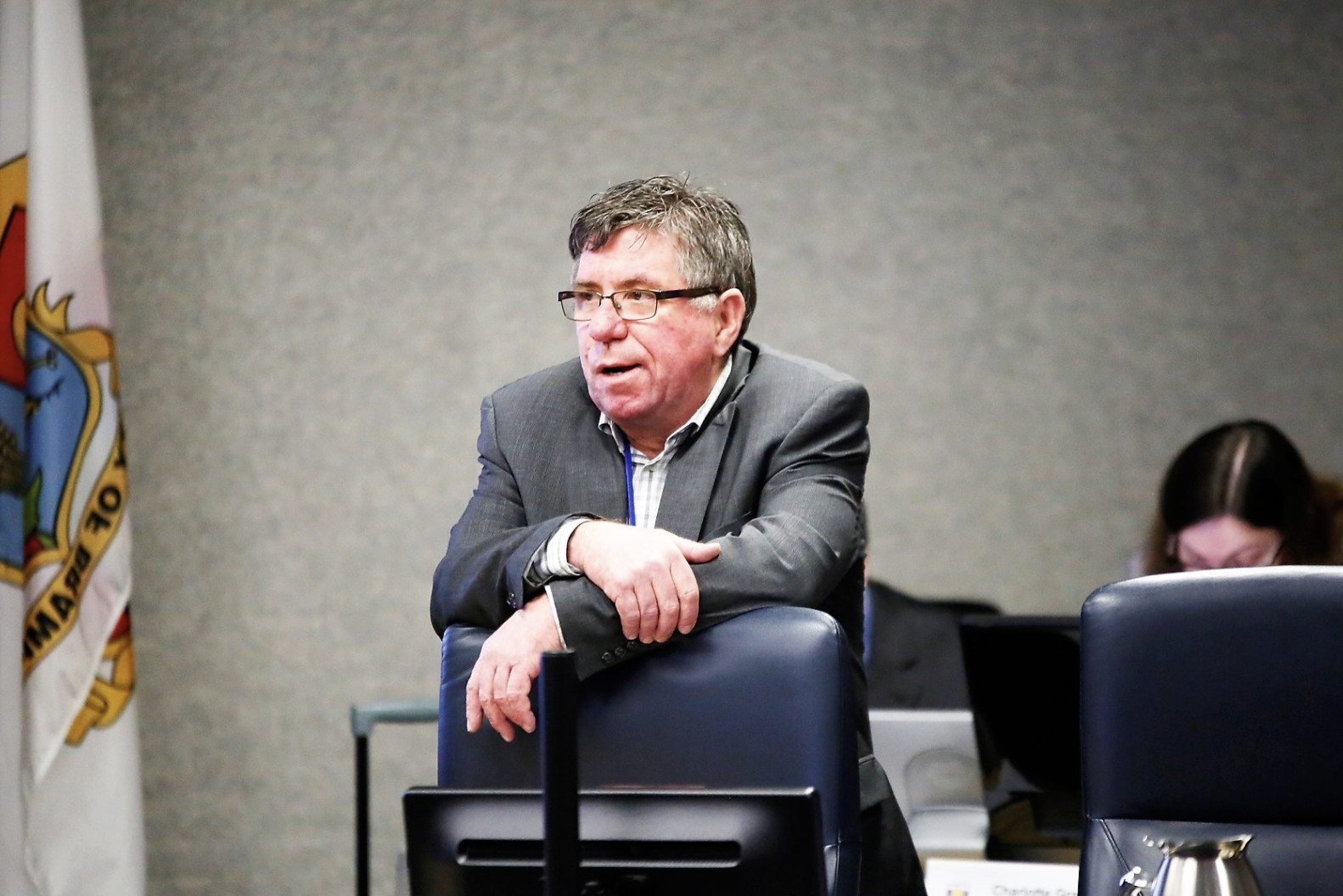
On January 26, 2022, former Wards 2 and 6 councillor Doug Whillans put a motion forward to reconsider Brampton’s support for Highway 413 and oppose it in its “entirety”. The motion was defeated 6-5 with Mayor Patrick Brown being among the six members of council opposing Whillans’ motion.
(The Pointer files)
At a Mississauga Council meeting in November 2021, Mississauga Mayor Carolyn Parrish, then a councillor, noted that while former Caledon Mayor Allan Thompson supported the highway for its local benefits, “the world benefits” more from avoiding the additional emissions that another highway would create.
It was in this political climate that Groves had entered the mayoral race in Caledon and won in 2022. Previously one of the highway’s most staunch critics, she changed her stance, making residents like de Groot feel “betrayed”.
“We were getting one thing and we got kind of the opposite,” de Groot added.
Environmental Defence, Ontario Nature and ecoCaledon are now asking the Province to revise the Environmental Impact Assessment Report, and take the necessary actions to ensure a plan that centers a sustainable future for Ontarians, not a “highway to hell”.
Email: [email protected]
At a time when vital public information is needed by everyone, The Pointer has taken down our paywall on all stories to ensure every resident of Brampton, Mississauga and Niagara has access to the facts. For those who are able, we encourage you to consider a subscription. This will help us report on important public interest issues the community needs to know about now more than ever. You can register for a 30-day free trial HERE. Thereafter, The Pointer will charge $10 a month and you can cancel any time right on the website. Thank you
Submit a correction about this story

