
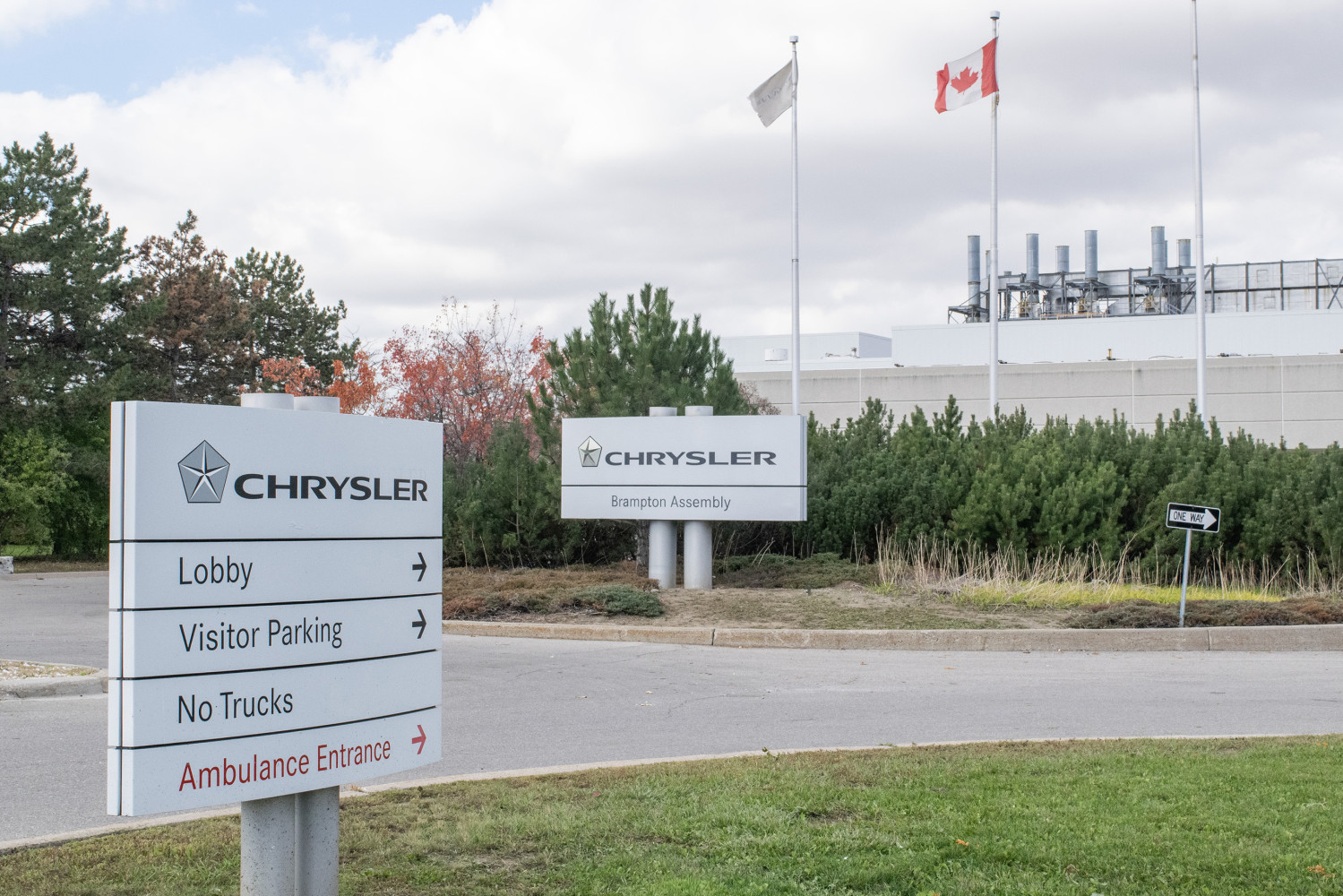
Roshel acquires Stellantis plant for undisclosed amount: Thousands of Brampton workers could be out of a job
Roshel, a Brampton-based company specializing in the design and manufacture of armoured vehicles, has officially acquired the Brampton Stellantis plant.
In a press release on November 9, both Stellantis and Roshel announced they arrived at an “Asset Purchase Agreement under which Roshel will acquire the Brampton Assembly Plant and associated equipment from Stellantis.”
The press release does not state the amount of the purchase. More importantly, it does not say what happens to the thousands of unionized workers who were laid off by the giant Netherlands-based auto manufacturer which owns brands such as Chrysler, Jeep, Fiat, Dodge and many others.
The release also states both companies are “establishing a strategic cooperation framework to explore future collaboration opportunities across vehicle technologies and related services in the defense industry.”
The announcement also states that it will pave the road for the Brampton plant to return to industrial use, including support for the continued growth of the Canadian defence manufacturer; and creating potential new joint business opportunities for the two companies.
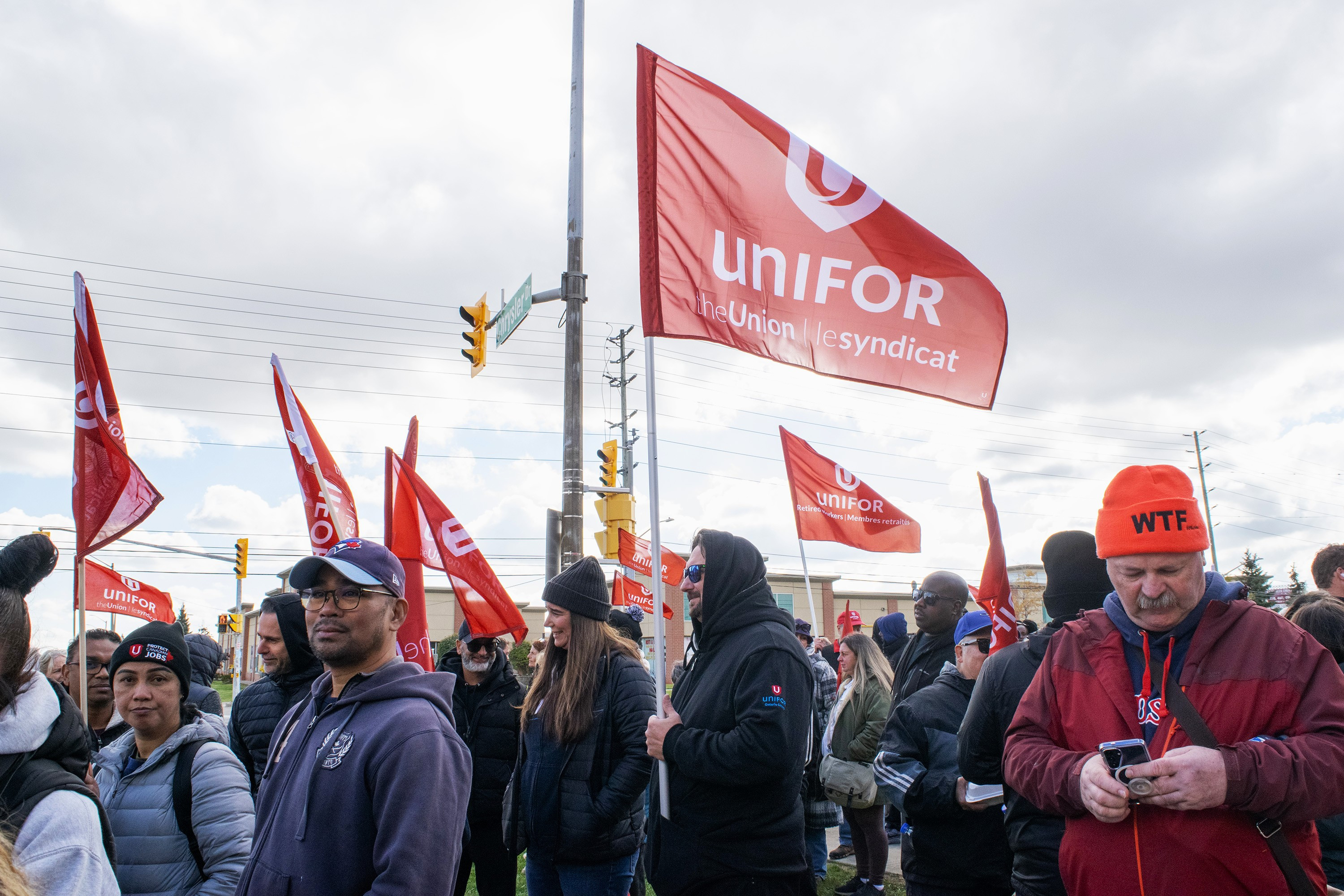
Brampton Unifor members who worked at the Stellantis plant rallied last year in support of keeping the giant auto-manufacturing assembly plant open. (Alexis Wright/The Pointer)
As for the roughly 2,300 unionized Stellantis workers represented by Unifor who were still attached to the Brampton facility, they had been laid off since the plant was originally idled for a retooling to make way for the production of the Jeep Compass, and then was shuttered when Stellantis moved that production south of the border to Illinois under tariff threats by the U.S. government.
Their future is now even more bleak.
Antonio Filosa, Stellantis CEO, stated, “After three years of paid layoff, we remain committed to working with Unifor on a fair resolution.”
Roman Shimonov, founder and CEO of Roshel says the purchase will “drive local economic growth, and bring much-needed manufacturing space and jobs to the Toronto area.”
The release also acknowledges the laid-off workers and says the company is “prepared to engage with Unifor to negotiate a settlement to assist union represented employees.”
The transaction is set to close at the end of 2026.
The new announcement Monday comes after Unifor claimed on Friday, November 9, that the plant has been sold.
In a video posted on Facebook Thursday, November 5, president of Unifor Local 1285, Vito Beato, also echoed that Stellantis was about to officially sell the giant assembly plant on Williams Parkway, where cars had been made for more than four decades.
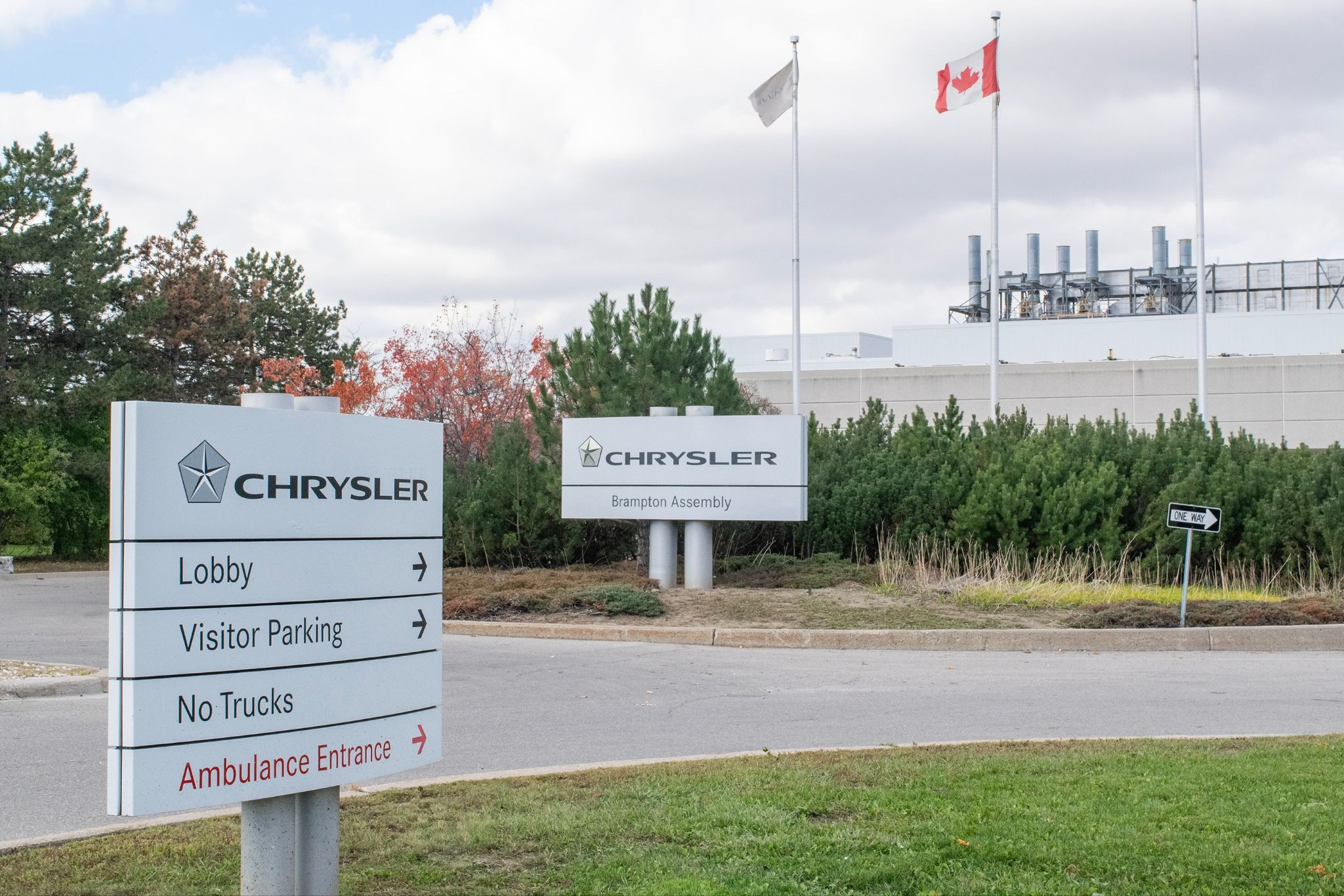
The Chrysler/Stellantis assembly plant in Brampton where cars have been manufactured since 1986. (The Pointer files)
Beato said the union wrote a letter for both the federal and provincial governments to “break through the weeds on this and keep [our] Brampton Assembly plant alive.”
The letter written by National president of Unifor Lana Payne called for “an urgent four-party meeting to discuss the future of the Brampton Assembly plant.”
The letter says the union’s main goal was to “preserve Stellantis’ manufacturing footprint in Canada,” and that the union is against the closure and sale of the plant. It also said Unifor had not been privy to discussions between Stellantis executives and the Canadian government, and so far those discussions have not brought out an “acceptable solution for the Brampton Assembly Plant.”
Payne said the meeting would be a good opportunity for all parties to discuss a “shared solution for the Brampton Assembly Plant”, rather than having separate talks.
“We know that the company has violated our contract,” Beato said. “We know they violated the contract with the provincial and federal governments as well and their commitments and the commitments to us.”
Beato also pointed out the recent U.S. midterm elections that handed control of Congress to the Democrats, calling it a positive indication “to build cars in Brampton and put [us] in that right position when things do change.”
Beato also thanked Unifor members for voting 97.3 percent in favour of a strike mandate on October 19.
All the efforts to salvage a contract and the auto manufacturing plant in Brampton failed.
The writing was on the wall for two months.
The Canadian armoured vehicle manufacturer Roshel announced an MOU with Stellantis on Sept 11, the day the union paused bargaining. Beato told members at the time in a Facebook video that no third party should be involved during the bargaining process, while the Unifor workers hoping to sign a contract with Stellantis were caught in a “completely unnecessary trade war,” and that income protection options were being explored.
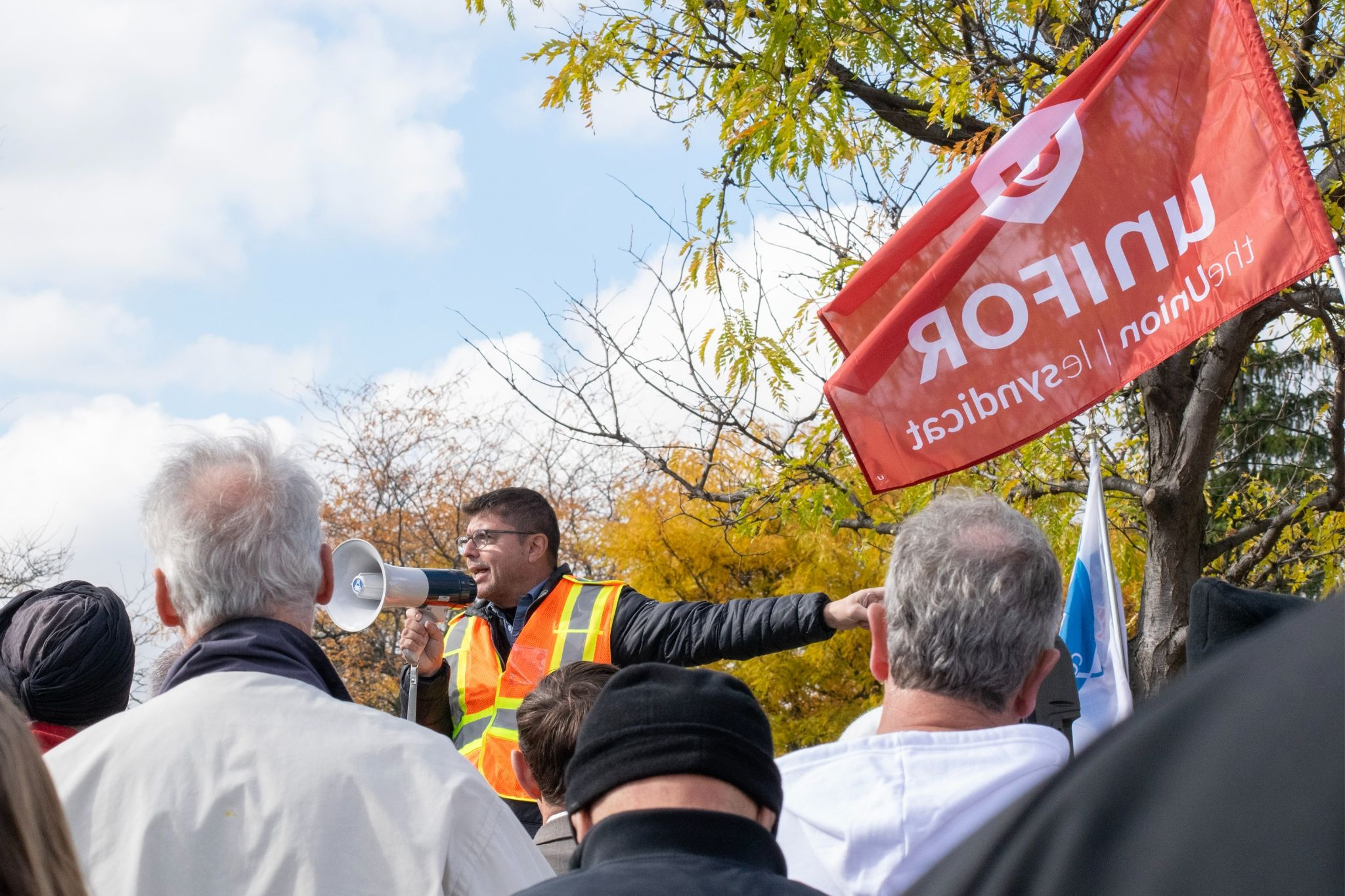
Unifor Local 1285 president Vito Beato thanked union members for their support for a strike, and said it would be one of the biggest fights the union has ever had. On Monday, the members lost that fight. (Alexis Wright/The Pointer)
Head of Canada Communications for Stellantis, LouAnn Gosselin, said in a previous statement that the company is “committed to bargaining in good faith,” and wanted to arrive at “a negotiated agreement that recognizes the contributions of our employees while supporting the long-term competitiveness of [our] Canadian operations.”
Beato earlier described the anxiety and stress the workers have been through for the past three years.
“This is all about Brampton and we're at the epicenter right now,” he said a few weeks ago, calling the struggle to keep the plant operational the “biggest fight [we’ve] ever had.”
Previously, Stellantis and Unifor entered negotiations on Sept 1, with the old contract covering about 2,300 still-employed Brampton workers set to expire September 20. Stellantis North America’s President Trevor Longley pledged good-faith talks and a deal that would keep Canadian operations “competitive.”
Payne called the potential sale a “gut punch,” and suspected the buyer was not an automaker. By that time, no closure notice, buyer or sale agreement had been announced. This was when Canada and the U.S. were in trade talks, which broke off amid the U.S. threat to raise the 25 percent automobile tariff to 50 percent in January.
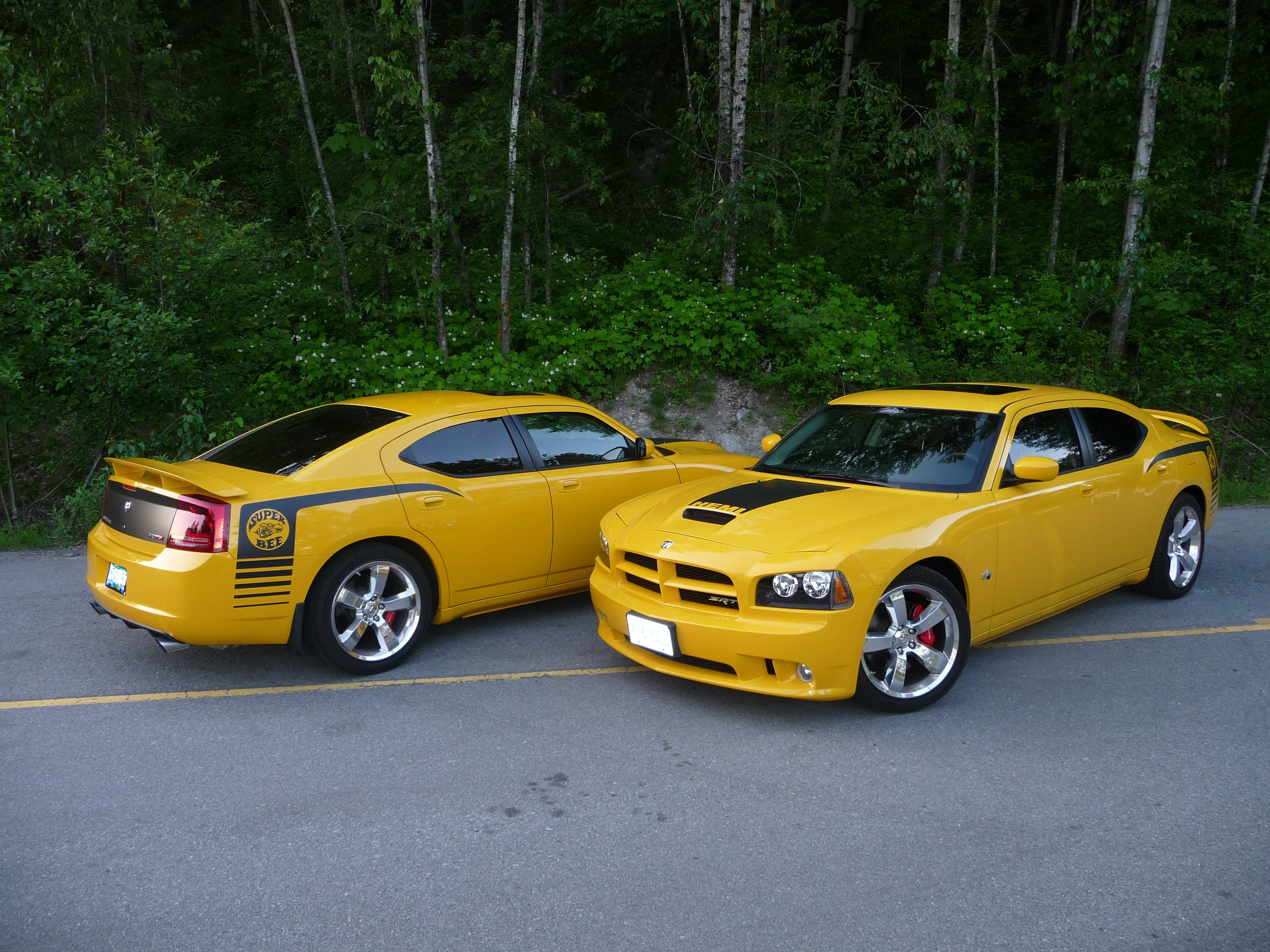
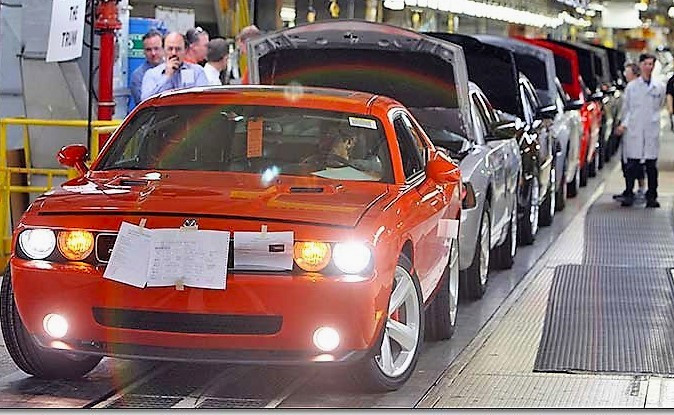
The Dodge Charger, top, and the Challenger, bottom, were made in Brampton. Poor sales of the muscle cars which were mostly exported to the U.S. led to the discontinuation of the Challenger in 2023, and a smaller-engine version of the Charger is now made at the Windsor Stellantis plant. (Flickr/Stellantis)
Stellantis had informed Unifor on August 12 it would open sale talks with another company, which Payne described on August 14 as a “lose-lose” scenario.
Longley had previously told Beato during a February 12 meeting that Stellantis would have closed the Brampton plant already if it were going to.
Beato was also critical of the Mark Carney Liberal government’s decision to import 49,000 Chinese EVs, going up to 70,000 eventually, saying it “sold the auto industry out.” Payne called it a “hard pill” for autoworkers.
Now, the sale of the plant is the ultimate poison pill for 2,300 workers and their families across Brampton and the surrounding area.
Email: [email protected]
At a time when vital public information is needed by everyone, The Pointer has taken down our paywall on all stories to ensure every resident of Brampton, Mississauga and Niagara has access to the facts. For those who are able, we encourage you to consider a subscription. This will help us report on important public interest issues the community needs to know about now more than ever. You can register for a 30-day free trial HERE. Thereafter, The Pointer will charge $10 a month and you can cancel any time right on the website. Thank you
Submit a correction about this story

