
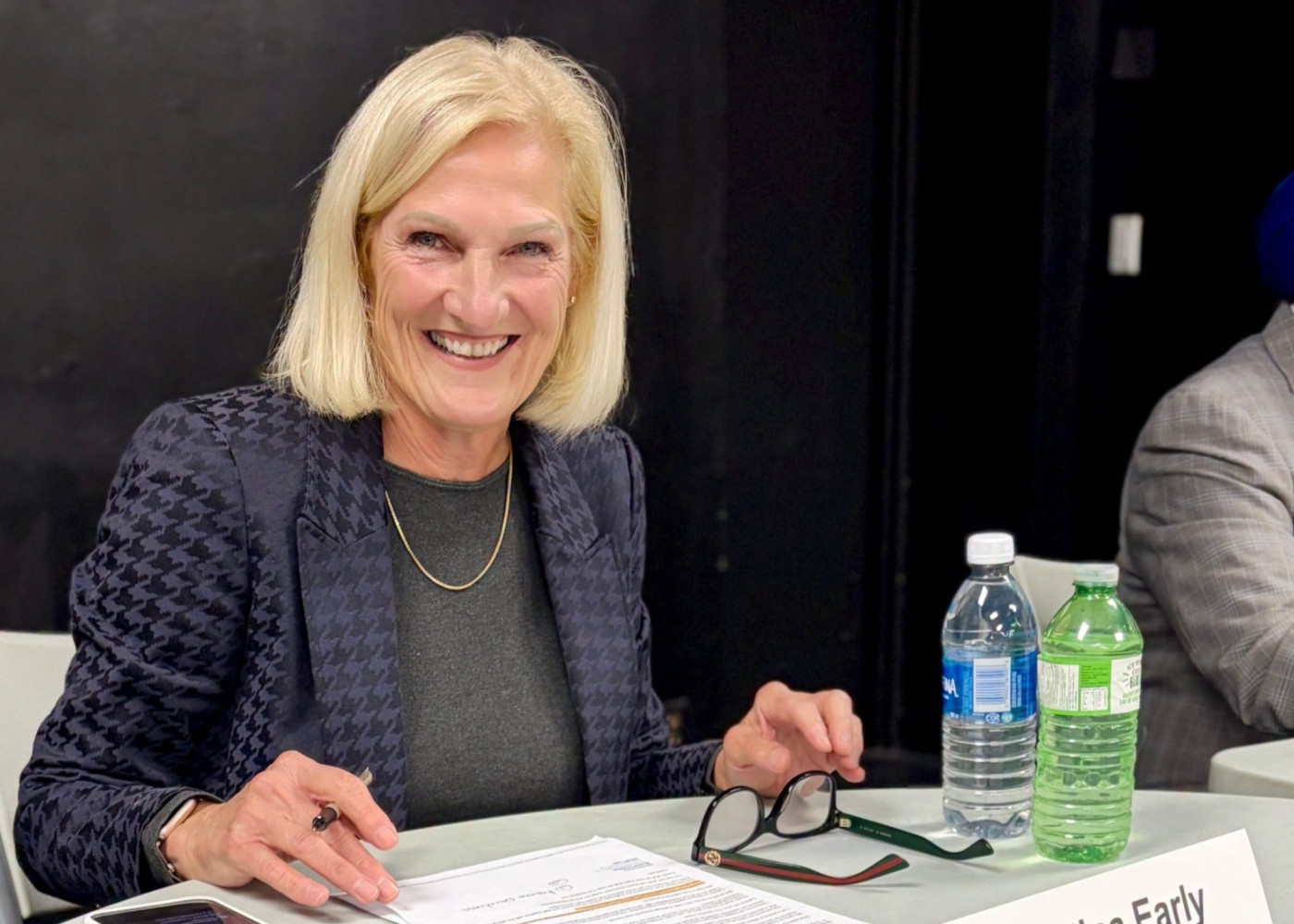
Mayor-elect Christina Early believes Caledon ‘can grow without losing what makes it special’
Caledon is a special place; it is a town where hundreds of residents can pack a council chamber, armed with research, resolve and raw emotion, to force their elected officials to listen; where farmers tend lush fields day after day, and a retired local can become one of Canada’s most closely studied voices on aggregate policy; it is where an entire community rallies when hardship strikes, yet finds itself divided when municipal elections arrive.
After four years of controversial growth decisions under former Mayor Annette Groves’ administration that left residents perplexed over whose interests Caledon’s elected officials were really serving, the choice of who would steer the town into its next chapter came down to whom they trusted to protect a community they fear is slipping away.
Late Monday night, 34.2 percent of eligible voters delivered their verdict: they wanted Christina Early in the mayor’s chair, representing Caledon at a pivotal moment when predaceous developers set their sights on the rural town under the banner of the province’s housing targets.
When results began trickling in shortly after 10 p.m. following extended voting hours, former Regional Councillor for Wards 4, 5 and 6 Mario Russo seemed to be leading.
However, shortly after 10:30 p.m., the tide turned: Early secured a decisive victory with 8,828 votes (59.9 percent) — 26.3 percent more than Russo’s 4,959 votes.
A longtime councillor and Caledon resident for over 20 years, who opposed the previous council’s controversial rezoning of approximately 5,000 acres of land for 35,000 new homes, Early campaigned on better growth planning, infrastructure and fiscal accountability, transportation and truck traffic solutions, and protecting Caledon’s rural character.
She prides herself on voting against “premature development in Bolton’s North Hill” — a proposal for 29-storey high-rises at 12599 and 12563 Highway 50. The sites fall within the Bolton Major Transit Station Area, where the Town’s planning framework permits buildings of that height around a future GO station. In October 2025, she had advocated for the Town to engage in stronger outreach through direct mail notifications to corporate offices.
However, she has stopped short of promising to reverse the 2024 rezoning decisions, saying the Town could not “simply reverse” approvals already made for the 12 parcels of land.
“I’m not anti-development,” Early said, promising to ‘Protect & Build’.
“What I am, though, is a collaborative force with the developers to say this is what we need for a community and this is what you need for your business platform. There has to be a give and take on both sides and people have to be involved because these are our taxpayers that are coming in.”
As she inherits a town struggling to balance growth with the protection of its farmland, natural spaces and rural character, Early says her first 100 days as mayor will focus on the financial pressures facing Caledon, restoring basic municipal services and rebuilding a more collaborative council.
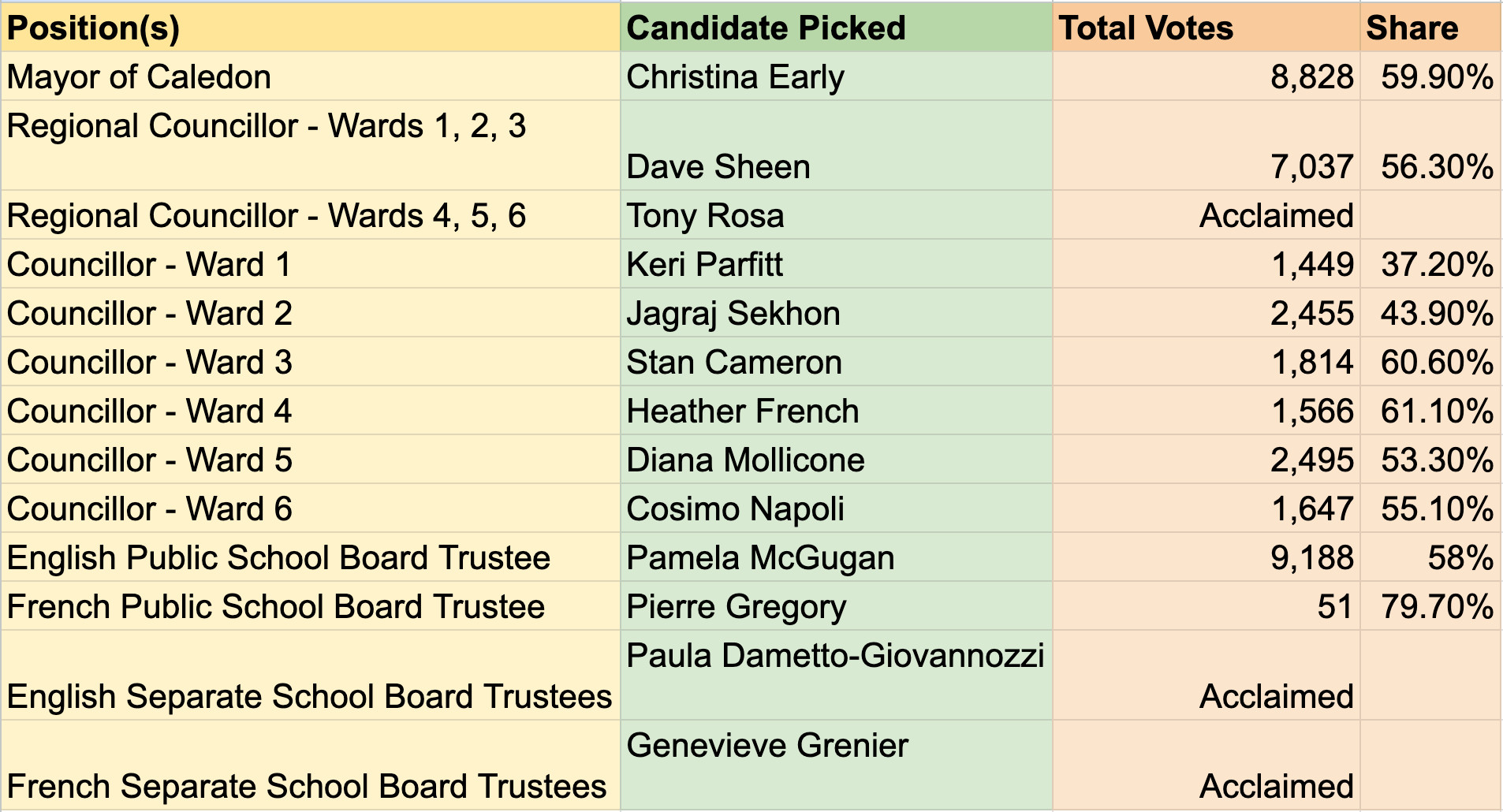
Mayoral-elect Christina Early will have a mix of familiar and new faces on council to work with for the next four years. “Council needs to sit down together like we used to do, and create a work plan with our senior team and our staff base to make sure that we have the strategy that we are working towards for the next four years,” Early said. (Information: Town of Caledon, Sheet: Anushka Yadav/The Pointer)
“We need to make sure that there’s a respect for all nine council members, and we need to make sure that council is working together for the betterment of the residents, not for politics, but moving forward files that need to be moved forward for our residents,” Early said.
Among the financial and operational priorities she wants to tackle within the two months are preparing for the downloading of regional roads, which she estimates could cost Caledon between $30 million and $50 million, as well as additional waste-management expenses, a $33-million courthouse and the reconstruction of two municipal yards.
“Council needs to make sure that we find a way to fund that cost. We do not want that on the back of a taxpayer,” she said.
She also plans to address residents’ concerns regarding “basic service levels” including road maintenance, snow removal, park cleanup and grass cutting.
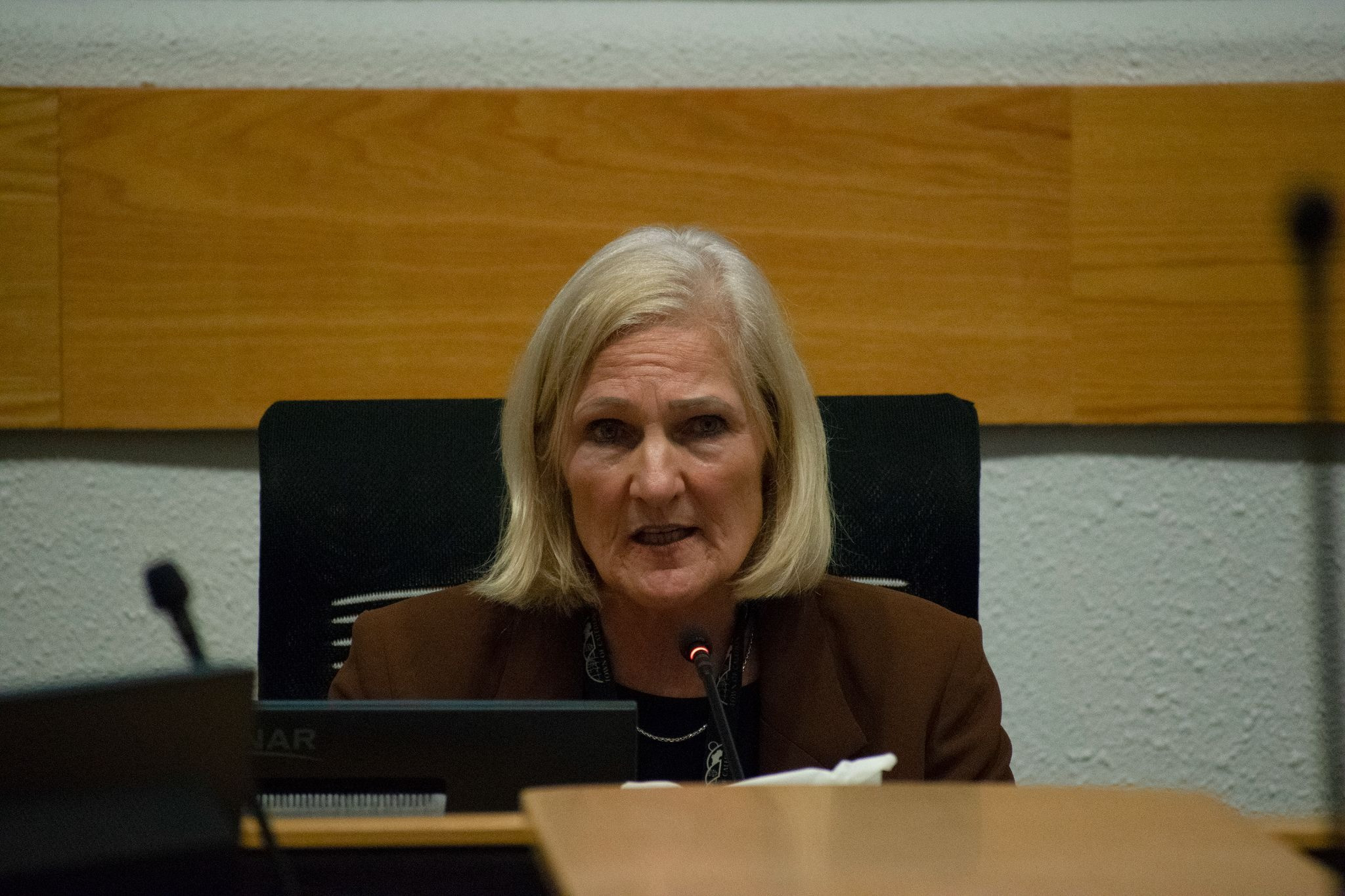
Christina Early was first elected to Caledon council in 2018 as Ward 2 councillor. In 2022, she was re-elected as Regional Councillor of Wards 1, 2, and 3. (Alexis Wright/The Pointer)
Beyond housing, the megalith of a proposed blasting quarry is top of mind for many residents in Caledon, particularly in Ward 1, who fear it could threaten groundwater, worsen existing vibrations and compound the impacts of heavy truck traffic from aggregate operations.
Before being elected, Early reiterated she opposes the CBM quarry, which plans to extract up to 2.5 million tonnes of limestone, sand and gravel annually. She pledged to scrutinize environmental and groundwater studies, pursue available planning and legal challenges, and press the province for stronger aggregate protections and greater municipal authority.
How that opposition will look in council chambers remains to be seen. Will it match the stronger protections she brought to Town Hall in April against noise and vibration associated with industrial operations, aggregate extraction and blasting? Or will it look like her 2020 vote supporting an expansion of the James Dick/Erin pit that doubled the existing pit in Erin and eventually encroached into Caledon?
“I would ensure the Town takes a strong and active position, supported by sound technical and environmental evidence. That includes using the planning and legal tools available to challenge the proposal, scrutinizing groundwater and blasting studies, and ensuring residents have a meaningful voice throughout the approval process,” she told The Pointer.
“We must also continue pressing the province for stronger aggregate protections and greater municipal authority over decisions that have lasting consequences for our communities.”
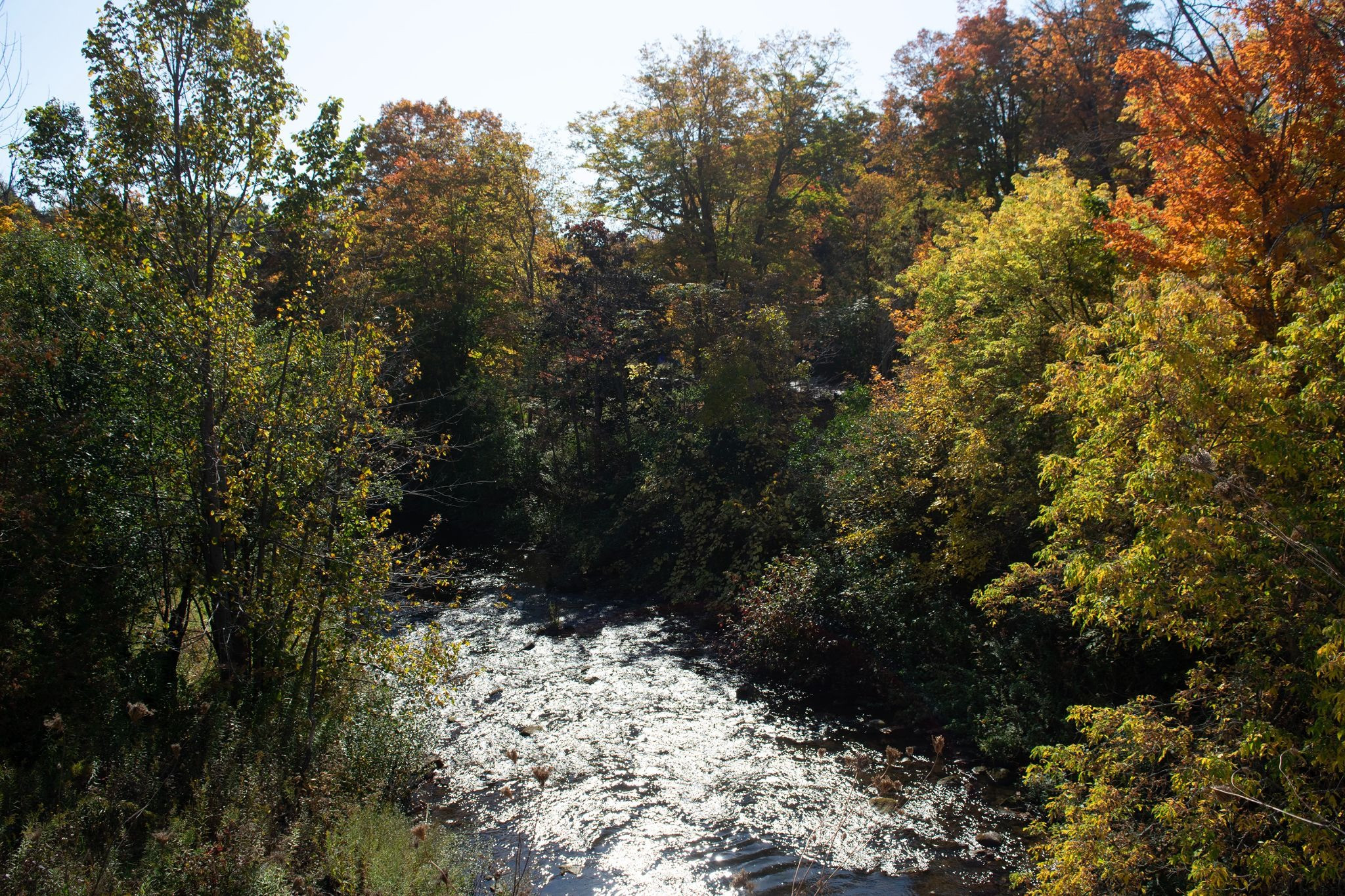
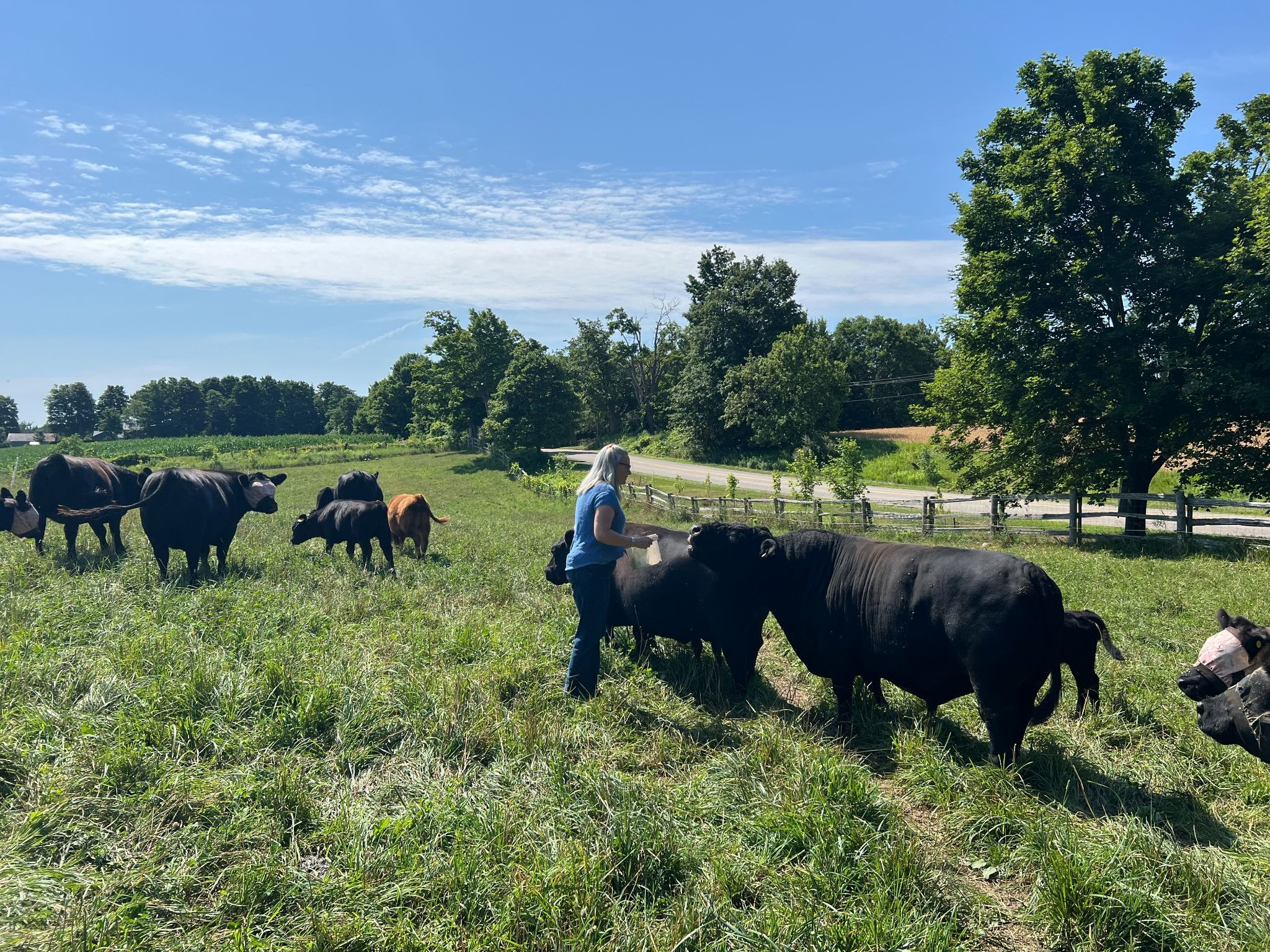
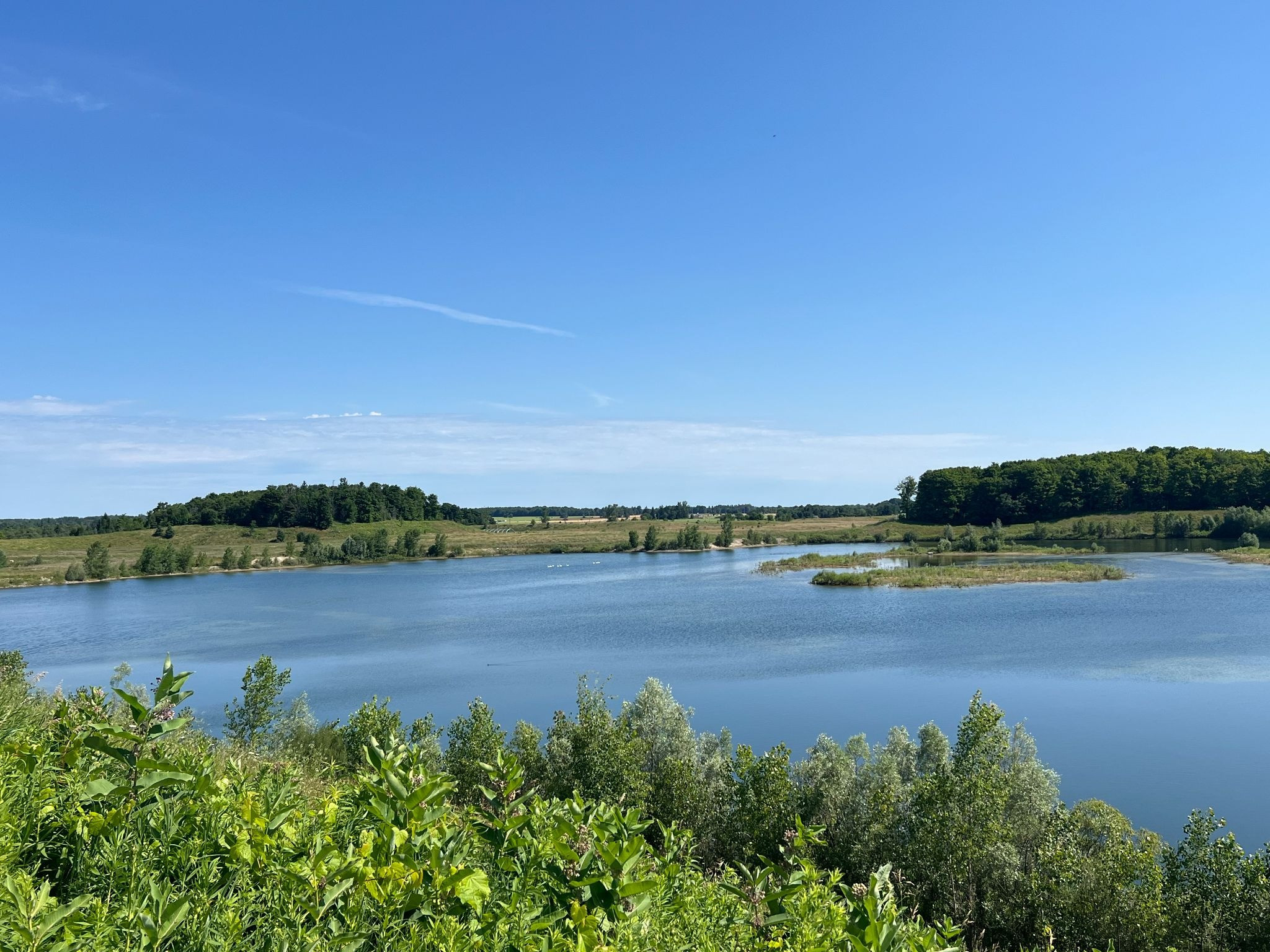
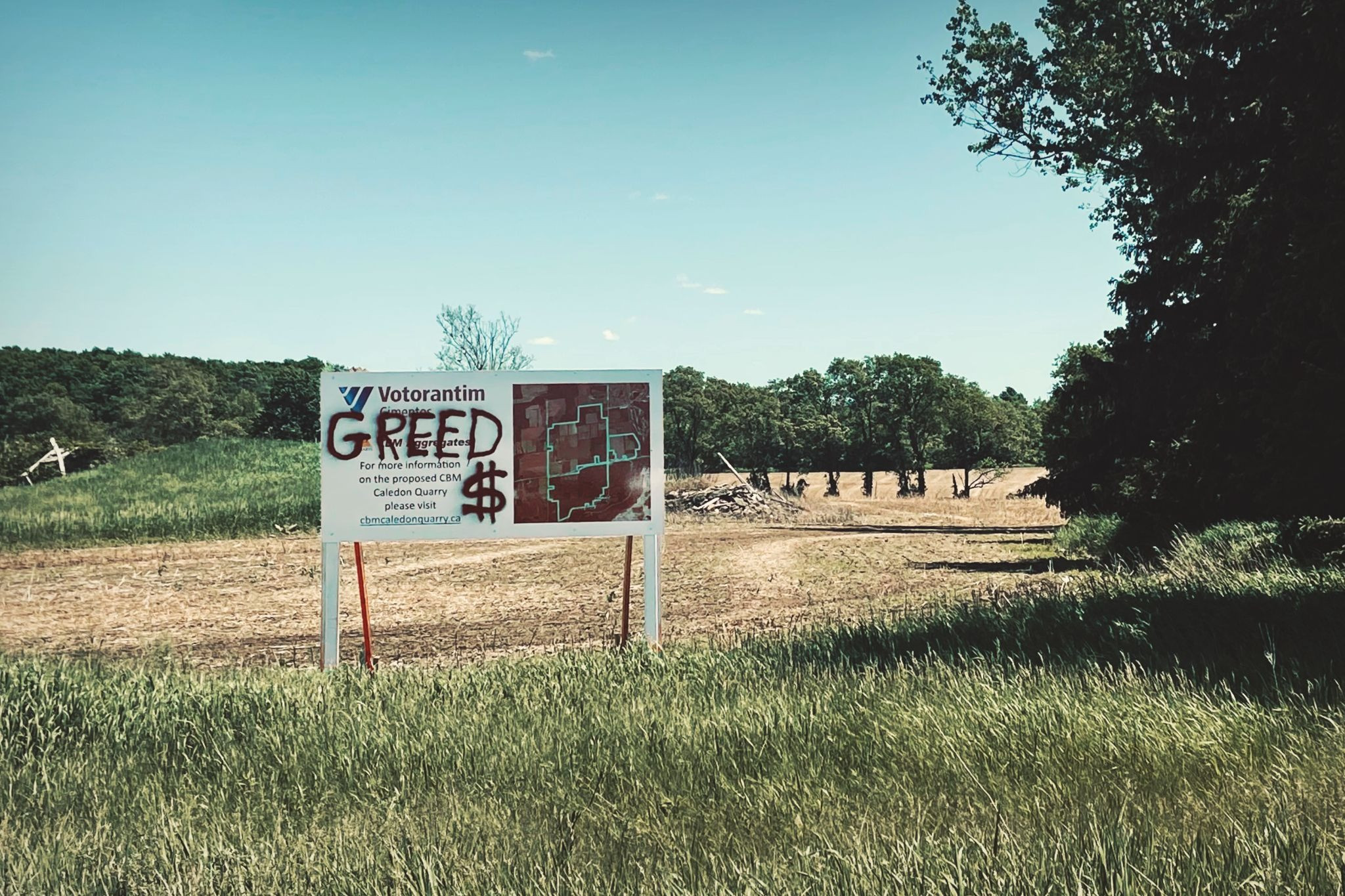
Home to the Credit River, Caledon is a quaint town with a population of over 76,000 residents. It faces multifaceted threats like quarry expansion, road safety, farmland encroachment and developer-driven sprawl. (The Pointer files)
However, this summer, the province scrapped Caledon’s Official Plan Amendment 1 (OPA 1) and four years of the critical, evidence-based work the Town of Caledon undertook on gravel policy. At a July Town Hall, resident Debra Wilson urged council to fight back against the “heavy-handed, unilateral provincial action”.
“Caledon has a responsibility to protect its water, natural environment, and residents. I will continue to stand with the community and advocate for those protections at every opportunity,” Early pledged.
Early also opposed a 2025 council motion brought forward by Groves on behalf of developer Nick Cortellucci to dump fill into Swan Lake, a 44-acre groundwater-fed lake on Greenbelt land. Newly elected Ward 1 Councillor Keri Parfitt spearheaded a well-informed movement at the time to bring forward the worries residents had regarding risks to their well water and the environment.
“I continue to oppose the dumping of construction fill into Swan Lake. As mayor, I would work to protect the lake using the legal and regulatory tools available to the Town, while ensuring residents are fully informed and involved in decisions affecting their community,” Early said.
She was also the only mayoral candidate to declare that her recent campaign was not funded by developers, unlike the 2022 municipal elections when nearly half of her donors were connected to the development and construction industry.
Campaign contributions, however, do not establish that a candidate acts in the interests of donors but the figures provide important context in a municipality where development decisions have generated a long list of questions about political influence.
Early’s record also includes a 2023 vote against a motion seeking to disavow former mayor Allan Thompson over a provincial zoning order for a 502-acre warehouse development. She also opposed a separate motion seeking records of communications surrounding ministerial zoning orders.
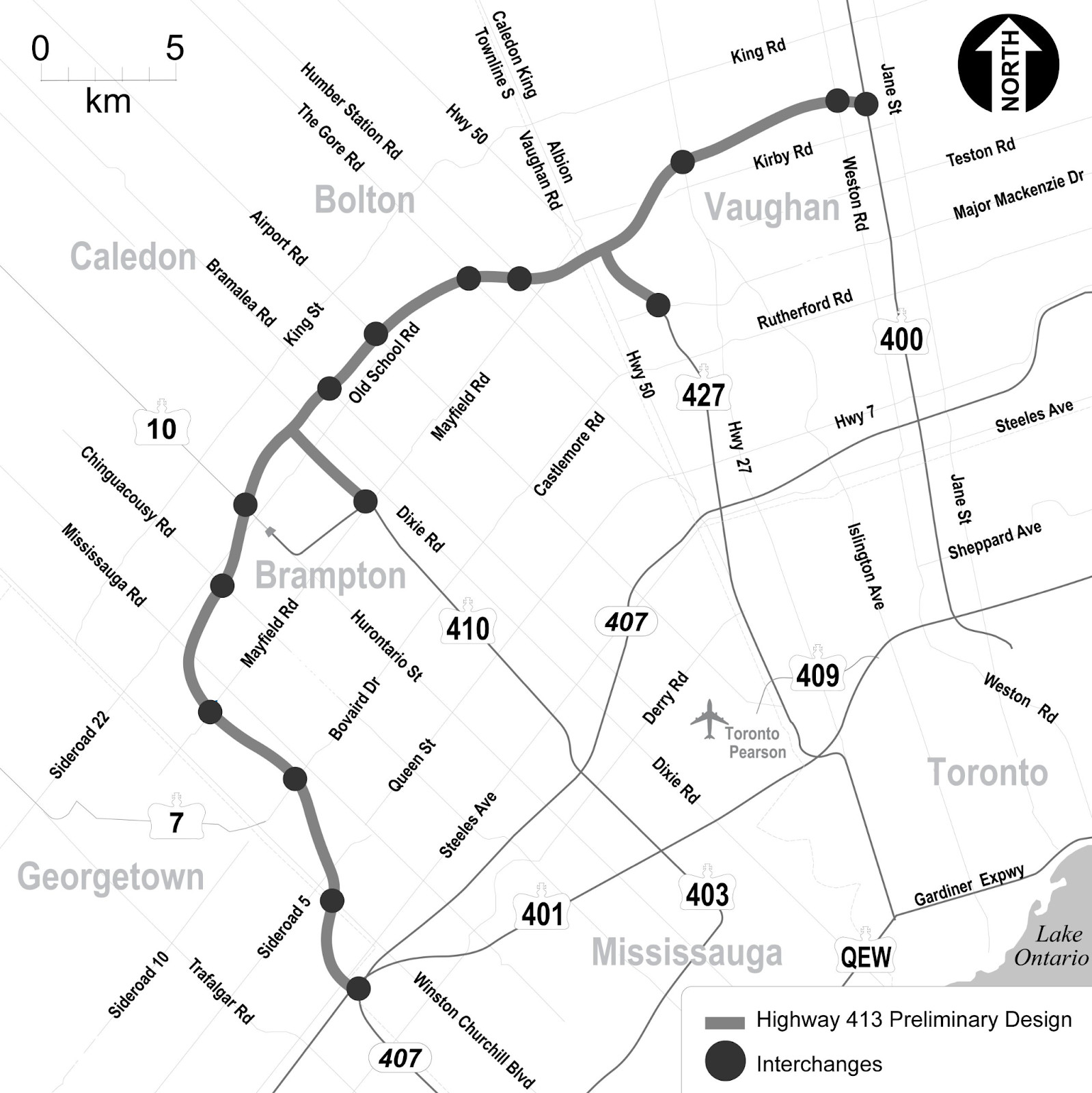
Highway 413 is planned as a 52-kilometre (km) highway corridor, part of a larger 59-km infrastructure project that includes extensions to highways 410 and 427, connecting Highway 400 to the Highway 401/407 interchange in the Greater Toronto Area. (Highway 413/Government of Ontario)
The scrutiny has extended to Early’s recusal from decisions pertaining to Highway 413 — after she fast-tracked the environmental assessment for the developer-driven “highway to hell” contended to multiply the value of thousands of acres purchased by prominent land speculators.
“My family home is located on a 100-year-old family farm that will one day be expropriated by the Ontario government to build Highway 413,” she said.
“For that reason, I will not take a public position on the merits of Highway 413.”
Members of ecoCaledon say Highway 413’s chosen route “threatens irreversible harm” to Ontario’s “climate goals, ecological integrity and biodiversity, agricultural and Indigenous heritage, and public health.”
“While the Ontario government promotes this project as a congestion-relief measure, mounting scientific evidence reveals it as a shortsighted mis-investment that exacerbates the very crises it purports to address: gridlock and surprisingly, climate change,” the group wrote in its submission to the MTO.
For residents who have spent years fighting to protect Caledon’s farmland, groundwater and its charm, the 2026 municipal election offered an opportunity for change.
But the challenge facing Early is no longer simply to oppose decisions made by her predecessor; it is to show that Caledon can accommodate growth without allowing development pressures to determine the future of the community.
“Democracy is not simply a box we check every four years. It means you need to listen. It means transparency, and it means respecting the people who elected you, even when it’s inconvenient,” Early said.
“...I will never take that trust [of residents] for granted. I know where I stand; I stand with residents. I stand with families who built this town, and with the families building their lives here today. And I believe Caledon can grow without losing what makes it special.”
Email: [email protected]
At a time when vital public information is needed by everyone, The Pointer has taken down our paywall on all stories to ensure every resident of Brampton, Mississauga and Niagara has access to the facts. For those who are able, we encourage you to consider a subscription. This will help us report on important public interest issues the community needs to know about now more than ever. You can register for a 30-day free trial HERE. Thereafter, The Pointer will charge $10 a month and you can cancel any time right on the website. Thank you
Submit a correction about this story

