
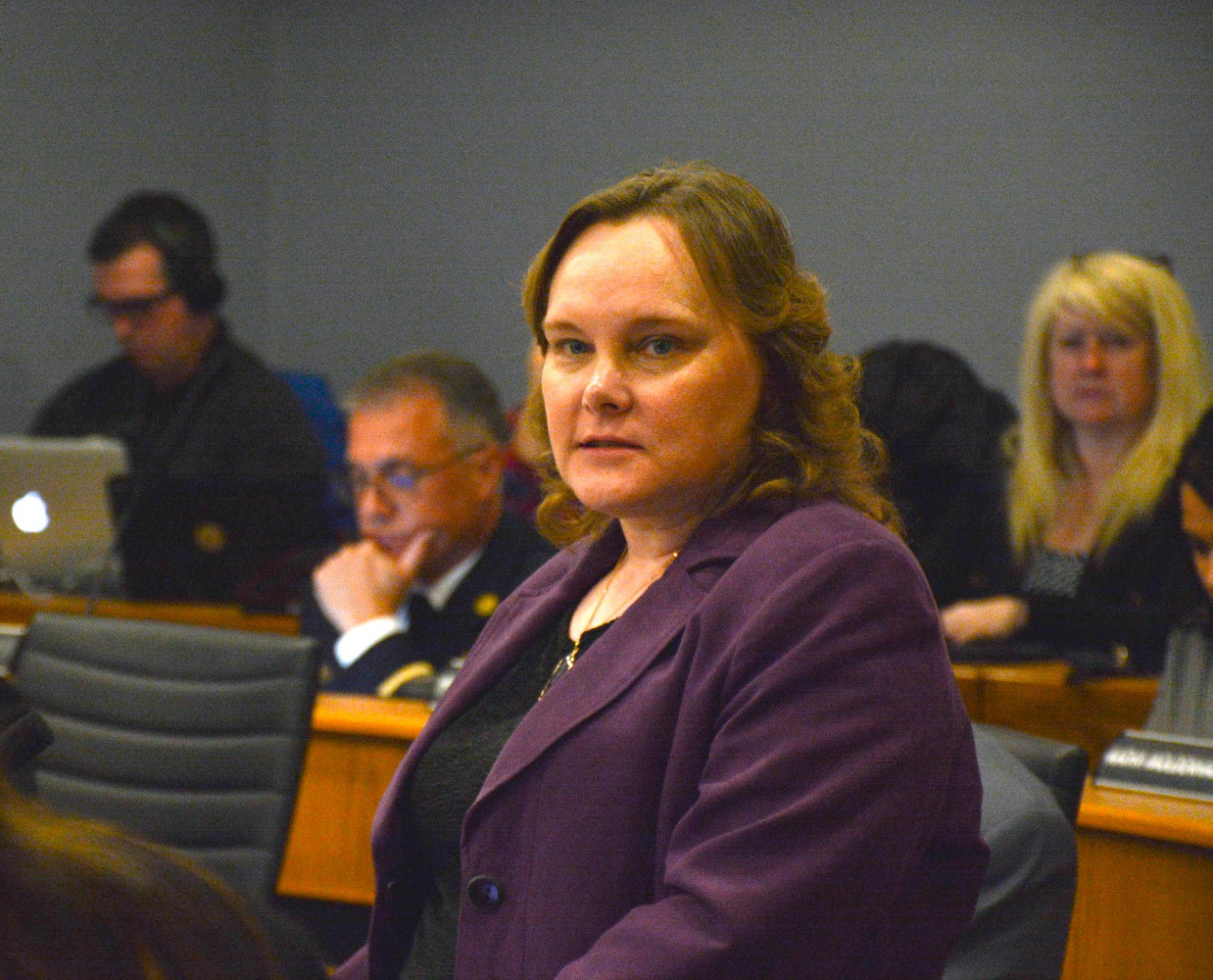
Three Cities, Four Women: A First for Niagara’s Mayoral Races?
Four women, Ann-Marie Zammit in St. Catharines, Lori Lococo in Niagara Falls, Natshia Bergen and April Jeffs in Welland, have taken on the challenge of winning a mayoral seat against male incumbents or other male candidates.
For the first time in memory, there is a possibility that women may occupy the mayor’s chair in Niagara’s three largest cities, an unusual concentration of female candidates in races that have historically been dominated by men.
While there does not appear to have been a time in Niagara’s history when women have been better represented in local politics, that does not mean we have reached gender parity. Although none of the four candidates has made gender a central tenet of her campaign, the unusual prospect of four women competing for mayoral seats at the highest level of local politics is nonetheless noteworthy.
Looking beyond Niagara, women remain underrepresented in political office at every level internationally. According to statistics gathered by the United Nations, as of January 2026, women held 27.5 percent of seats in national parliaments, a significant increase from 11 percent in 1995, but still well short of parity and far below what would be expected in a political system where representation reflected the population more fairly. Representation is somewhat higher at the local level, where women hold about 35.5 percent of elected positions in local governments worldwide, but that figure too remains considerably below equal representation.
In Canada, the numbers closely mirror the international picture: approximately 30 percent of members of Parliament are women, while women hold roughly 31 percent of municipal positions. These figures have remained largely unchanged for decades, making Niagara’s current political landscape an apparent anomaly within the broader Canadian context.
Of Niagara’s 12 municipalities, only two are currently led by women, Sandra Easton in Lincoln and Cheryl Ganann in West Lincoln, representing just 16.7 percent of the region’s mayors. It is within that obvious imbalance that Niagara’s current female mayoral candidates have chosen to enter the fray.
That imbalance is significant, says Equal Voice Niagara (EVN), which notes that the overall number of women seeking municipal office in Niagara has actually declined compared with previous elections.
EVN is the Niagara chapter of Equal Voice, a national, non-partisan organization dedicated to increasing the representation of women at all levels of government across Canada. Through advocacy, education and mentorship, the organization works to encourage women to run for office, address barriers to political participation and promote a more inclusive and diverse political landscape.
The organization attributes much of that decline to the elimination of the independently elected Regional Councillor positions, which had attracted a number of women candidates.
The picture changes, however, when the focus shifts to the mayoral races. Women are now running for mayor in more Niagara communities, a development Equal Voice Niagara describes as significant.
“It's important for women to see themselves in these leadership positions,” the organization says, adding that communities benefit from having a diversity of candidates to choose from.
That significance is heightened by changes to Niagara's political structure. Beginning with the 2026 municipal election, independently elected Regional Councillors have been eliminated, leaving Niagara's 12 mayors as the elected representatives from each municipality on Regional Council, alongside the provincially appointed Regional Chair. With weighted voting based on population, the mayors will have an even greater role in decisions affecting communities across the region.
For women considering political office, EVN sees municipal politics as presenting both challenges and opportunities. Unlike provincial and federal politics, municipal government is not organized around formal party structures, allowing candidates to campaign and govern without having to adhere to a party line. That can create an opportunity for candidates to focus more directly on the needs and priorities of their communities.
The organization also points to municipal government as an important training ground for future political leaders, providing experience in governance, public policy, collaboration and public service. For women entering politics, that experience can build both the skills and confidence needed to pursue leadership at other levels of government.
There is little doubt that Niagara’s municipal politics has long been dominated by men. St. Catharines and Niagara Falls have never elected a woman as mayor, while Welland has done so only once, when Cindy Forster served as mayor from 2000 to 2003. Against that history, the decision by four women to compete for mayoral office in three of Niagara’s largest municipalities is notable. It is also worth looking beyond the numbers to consider the women who have stepped forward to take on the challenge.
The Pointer reached out to all four female mayoral candidates with a series of questions for this article. Responses were received from Zammit, Lococo and Bergen. Jeffs did not respond to multiple attempts to reach her; therefore, information about her candidacy has been drawn from her campaign website.
The women profiled here are not the only women seeking the mayor’s office in Niagara. Women are also running for mayoral or lord mayor positions in other communities, including Juan Liu in Fort Erie; Veronica Charrois and Michelle Seaborn in Grimsby; Cheryl Keddy-Scott in Lincoln; Bea Kenny in Port Colborne; Andrea Kaiser in Niagara-on-the-Lake; and Cheryl Ganann has been acclaimed to her second term as the Mayor of West Lincoln.
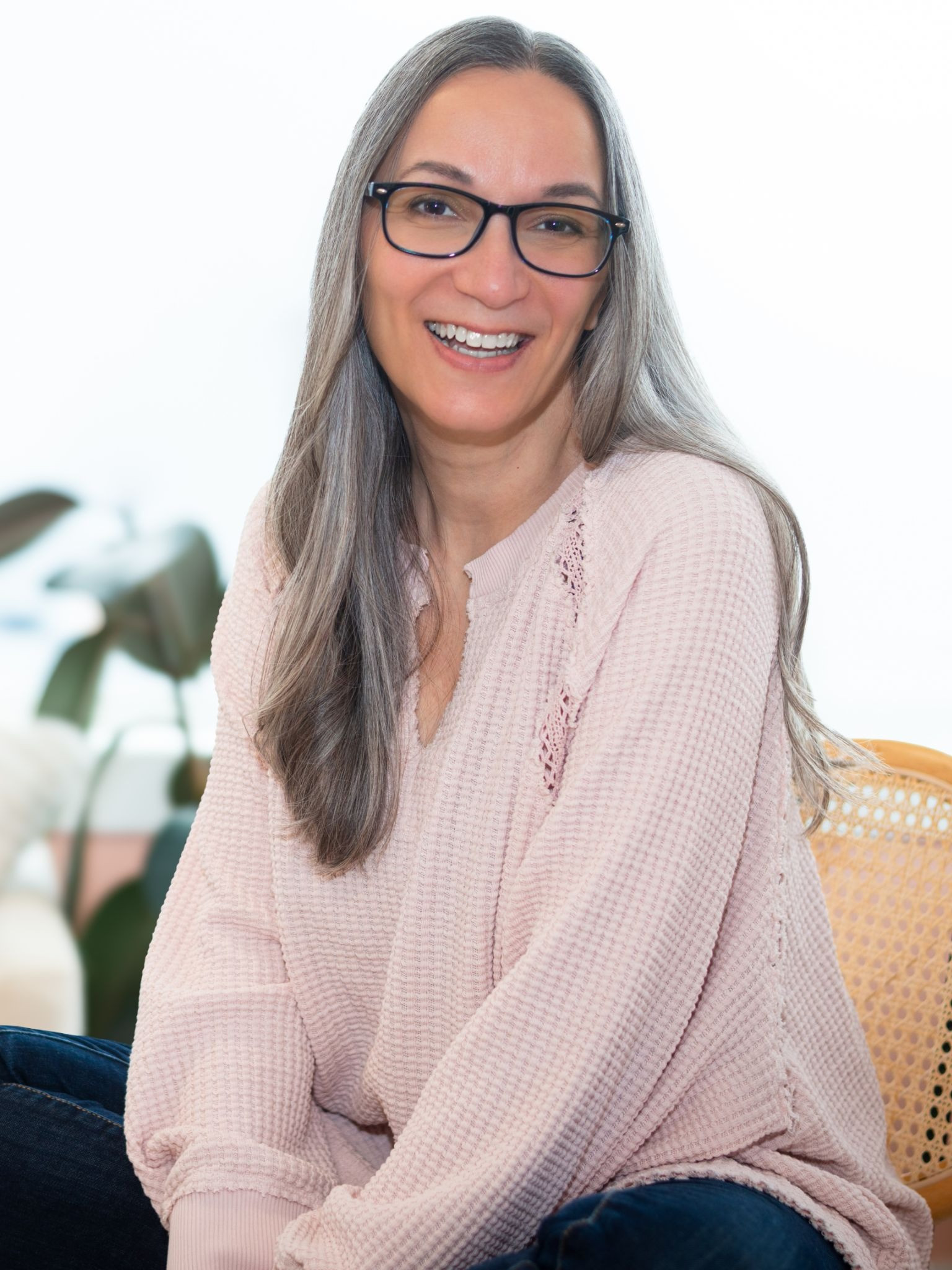
An actor by profession, Ann-Marie Zammit also champions union rights. (Supplied)
St. Catharines: Ann-Marie Zammit seeks a different direction
In St. Catharines, Ann-Marie Zammit is challenging incumbent Mayor and longtime politician Mat Siscoe.
Zammit was born in St. Catharines and returned to the city after spending a decade working in Toronto. She holds a Bachelor of Science from McMaster University and describes a career that has moved through both private- and public-sector work before she pursued professional acting.
Community involvement has been an important part of her biography. She says she spent nine of the 10 years her daughter attended elementary school on the school’s parent council, helping raise more than $100,000 for the school community. She is also involved with the Kiwanis Club of St. Catharines and is currently serving as the Club’s president for the 2026–27 year.
Her decision to run is rooted largely in what she describes as a threat to local governance from the provincial government. With regional councillors being eliminated and the region’s 12 mayors becoming its elected municipal representatives on Regional Council, Zammit argues that choosing who occupies those seats has become increasingly important. She points to the roughly $1-billion regional budget and the influence mayors will have over how it is spent.
“I want someone who will faithfully represent people, and not simply be a yes-person to the Province’s objectives,” Zammit said. She criticized Siscoe as being “squarely in the pocket of the Premier,” and said her lack of confidence in the incumbent’s willingness to represent residents was a key reason she decided to enter the race.
Her campaign is built around what she describes as a need to change the city’s direction. Her two major priorities for a four-year term would be infrastructure and housing. She wants to bring city and regional infrastructure back into good repair and proposes a housing-first approach aimed at moving people experiencing homelessness into stable housing. She has set a campaign goal of having more than 60 percent of that housing-first program completed by the end of a term.
Zammit also sees the mayor’s role at the regional level as increasingly important to achieving those goals. In her questionnaire response, she pointed to the importance of regional partnerships and provincial funding, including potential funding to remediate the former General Motors site. She stressed the need for a multi-stakeholder partnership to clean up the site without placing the financial burden on local taxpayers. She also said she would oppose what she described as the province’s continued downloading of responsibilities onto municipalities.
Although Zammit has not previously held elected office, she does not view that as a disadvantage. She points to her experience as an engaged resident, including regularly attending council meetings and challenging what she describes as questionable motions that have been “strong-mayored into existence”. In her view, entering politics without having previously served on council means she is not beholden to the status quo.
Zammit describes the mayor as more than the chair of council. In her view, the position carries a responsibility to listen to residents and understand how municipal decisions affect their daily lives. Her approach would be accessible and compassionate, with particular attention to residents who feel they are not being heard.
Niagara Falls: Lococo moves from council to the mayoral race
In Niagara Falls, Lori Lococo is making the move from councillor to mayoral candidate.
Lococo first became involved in municipal politics by attending council meetings, educating herself about the role and listening to residents. She finished as first runner-up in the 2014 election and won a council seat in 2018. She has now served eight years on council.
Lococo's professional background includes legal administration, court reporting and work with Statistics Canada. She has also held community leadership roles, including 11 years as a Project Share director and three years as a soup kitchen director.
Her campaign message centres heavily on affordability, spending, transparency and accountability.
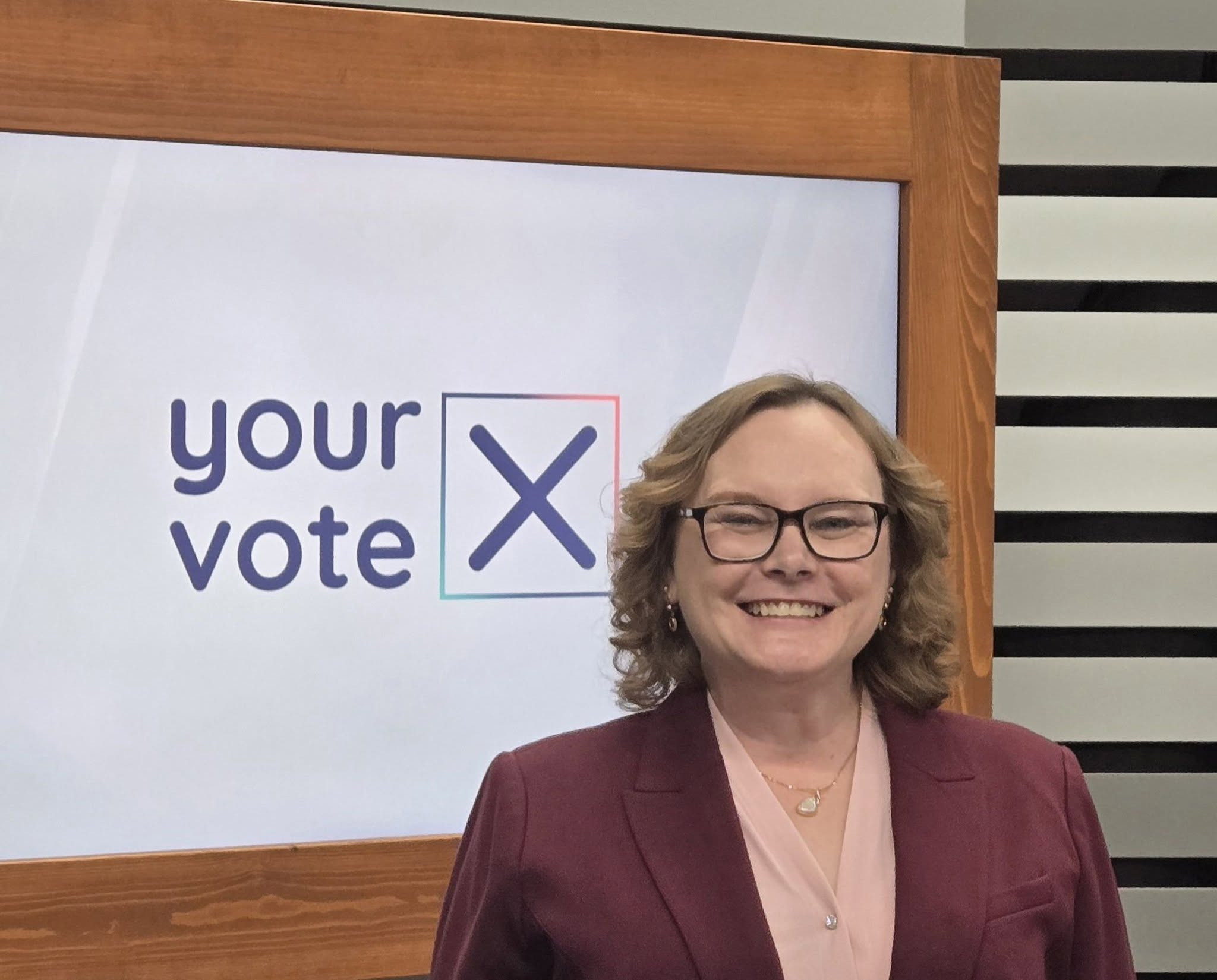
Lori Lococo has spent eight years as city councillor in Niagara Falls; she was first elected to municipal council in 2018 and secured a second term after she got re-elected in 2022. (Lori Lococo/Facebook)
Lococo says municipal taxes have risen substantially during the current term and argues that taxpayers need greater scrutiny of municipal spending. She points to her work introducing zero-based budgeting as an approach she would continue to apply.
Her other major concerns include homelessness, mental health and addiction, development, infrastructure and housing.
She says the city needs to work with the province on responsibilities that municipalities and the region have taken on without sufficient resources. She also argues that development should make greater use of existing infrastructure and brownfield sites rather than relying heavily on urban boundary expansion.
At the regional level, Lococo says the new structure of regional government will make it especially important for elected representatives to ensure residents' concerns are heard. She has also highlighted Niagara's infrastructure repair backlog and the South Niagara Wastewater Treatment Plant as issues with implications for future housing and development.
Lococo describes her leadership style as inclusive. She says residents, councillors and staff should all have opportunities to participate, and she intends to use her training in alternative dispute resolution when council faces difficult disagreements. Her campaign describes her candidacy as a call for a different style of leadership.
Welland: A political newcomer and a political veteran take different paths to the mayor’s office
With the incumbent Mayor Frank Campion not seeking another term, the City of Welland has an open mayoral race with eight certified candidates, including two women, Natashia Bergen and April Jeffs.
Bergen is relatively new to electoral politics, although she says she has followed municipal affairs for years.
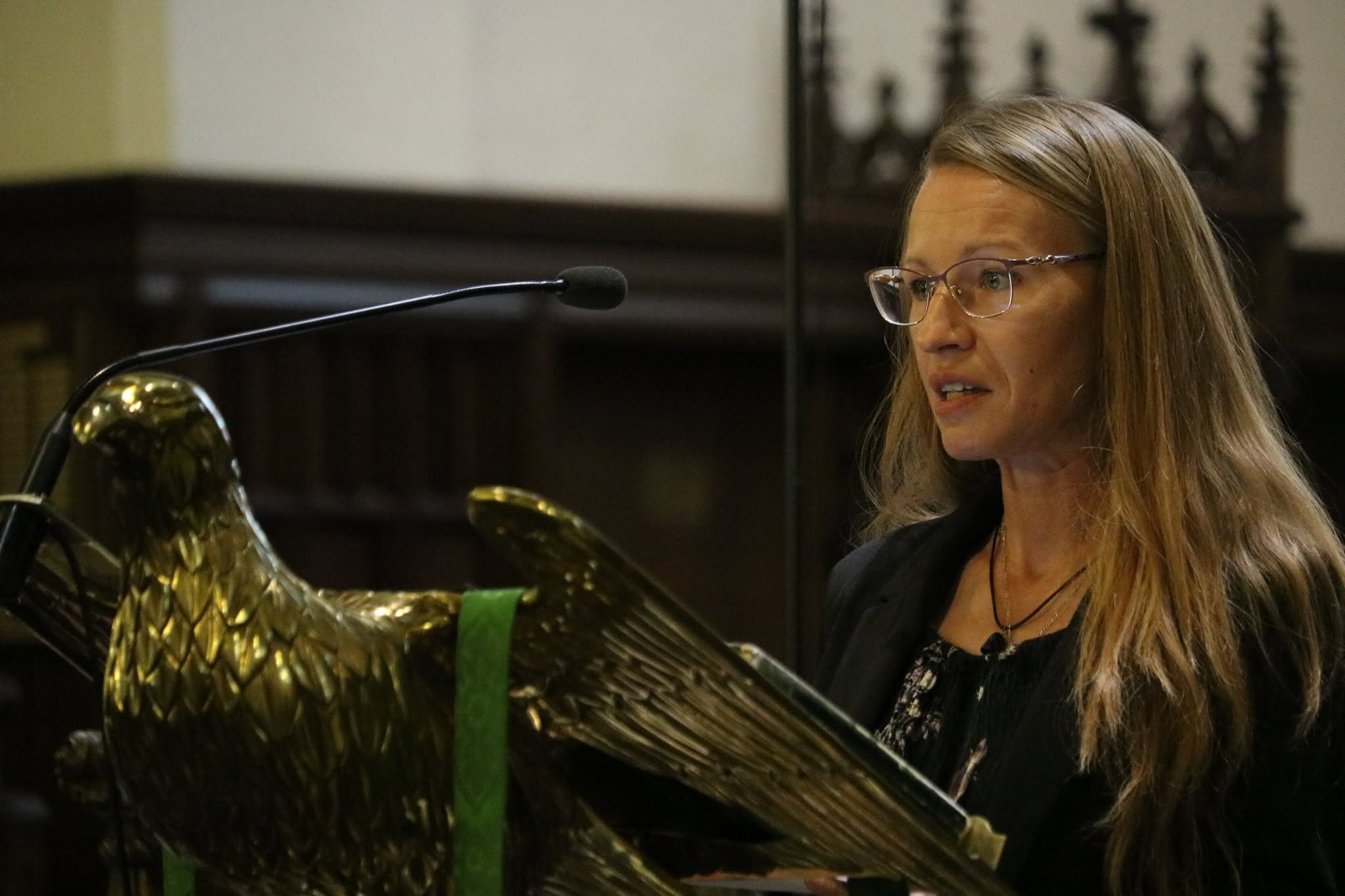
Natashia Bergen says Welland can improve housing affordability by adapting successful models from across Canada including Burnaby, British Columbia’s inclusionary rental bylaw, to increase access to affordable and low-income housing. Bergen also pledges to protect agricultural lands and greenspaces from development that conflicts with Welland’s plans while directing council and staff to identify unused land and buildings for shovel-ready projects. She says brownfield remediation, including at the Mitech site, must be transparent and involve the community. (Natashia Bergen/Facebook)
A Welland resident since 2021, she describes a background that includes agriculture and greenhouse operations, senior care, student transportation, legal administration, advertising and business.
Years of watching council meetings led her to become concerned about how municipal issues were being handled, motivating her to bring transparency, accountability, accessibility and listening to the forefront as part of her campaign.
Bergen's central policy argument is that many of Welland's problems are interconnected. She describes housing as a starting point, arguing that stable housing can contribute to better mental health, improved ability to address addiction and greater community stability.
At the regional level, she says she would press the provincial government on responsibilities she believes have been downloaded to municipalities without adequate resources. She also wants mayors across Niagara to work together more closely.
Bergen's campaign website describes her as a grassroots candidate focused on putting people first.

In May, the Niagara Peninsula Source Protection Authority announced the appointment of April Jeffs as Chair of the Niagara Peninsula Source Protection Committee (SPC) by the Ontario Ministry of the Environment, Conservation and Parks. Jeffs is now running for mayor of Wainfleet. (First Photo: Niagara Peninsula Source Protection Committee, Second Photo: April Jeffs/LinkedIn)
April Jeffs previously served two terms as Mayor of the Township of Wainfleet from 2010 to 2018, and has subsequently held other regional roles, including chair of the Niagara Parks Commission, an appointment made by the provincial government in 2019. Her campaign also highlights her experience as a business owner and her involvement in several community organizations.
Jeffs has served as constituency office manager for Niagara Falls MP Tony Baldinelli with the Conservative Party of Canada, and is currently a senior government relations advisor at Brock University and a commissioner with the Niagara Falls Bridge Commission.
On May 3, the Niagara Peninsula Source Protection Authority announced the appointment of Jeffs as Chair of the Niagara Peninsula Source Protection Committee (SPC) by the Ontario Ministry of the Environment, Conservation and Parks.
All four have mounted serious, focused campaigns. Should any of them prevail on October 26, they would not simply win a mayoral seat; they would become part of a still-developing history of women’s representation in Niagara’s municipal leadership, and help build a legacy that has yet to be fully established.
Email: [email protected]
At a time when vital public information is needed by everyone, The Pointer has taken down our paywall on all stories to ensure every resident of Brampton, Mississauga and Niagara has access to the facts. For those who are able, we encourage you to consider a subscription. This will help us report on important public interest issues the community needs to know about now more than ever. You can register for a 30-day free trial HERE. Thereafter, The Pointer will charge $10 a month and you can cancel any time right on the website. Thank you.
Submit a correction about this story

