

‘Your time is up’: After failed appeal, owners of former GM site in St. Catharines given 120 days to clean up crumbling industrial property
The St. Catharines Property Standards Committee has upheld the City's order for the owners of the former GM site to move forward with cleaning and securing its crumbling industrial buildings on the contaminated site.
The decision last week saw the committee extend the compliance deadline by 120 days to October 23, 2026, after rejecting a request by representatives for the property's lender, Celernus Investment Partners, to adjourn the appeal hearing for two months. Representatives for the owner of the property, whose identity remains uncertain, were not in attendance.
The decision followed a lengthy hearing last Thursday that featured sharply contrasting accounts of the property's condition, the urgency of enforcement and whether the City had provided a reasonable opportunity to respond to the orders issued at the end of May. The committee also heard compelling testimony from former GM employees, union representatives and nearby residents, who described the deteriorating state of the property and voiced longstanding concerns about hazardous materials, public safety and the potential risks posed to the surrounding community.
The appeal was initiated by Celernus Investment Partners, the lender with a financial interest in the property, which asked the committee to delay considering the appeal for two months. Celernus representatives argued that the time was required in order to retain an engineering firm, assess the City's compliance order and prepare a technical response. The property owners themselves were not represented at the hearing and did not file an appeal of the City's orders.
Representing Celernus, lawyer Patrick Maloney told the committee that the complexity of the former GM site placed it outside the scope of routine property standards matters and warranted a two-month adjournment of the appeal hearing. He argued time was needed to retain an engineering firm and complete a proper technical assessment before the lender could respond to the City’s compliance orders.
Maloney added that without the requested delay, his client would be unable to fully exercise its legislated right to respond to the order, which could potentially result in a further appeal to the Superior Court.
He emphasized that Celernus was not seeking an indefinite delay or suggesting that no action be taken on the site, but rather what it considered a reasonable period of time to prepare a technically informed response.
In further support of his position, Maloney repeatedly emphasized that the site is secured and subject to ongoing monitoring, maintenance and security patrols conducted multiple times per day. Similar claims have been made previously by ward councillors and City officials in earlier discussions about the property.
“If you want to get into this property, you’re going to have to make a very good effort to do that,” he said.
A quick walk around the site suggests Maloney is either misleading the public, or has not visited the property in some time as several visible points of entry are easily identified.
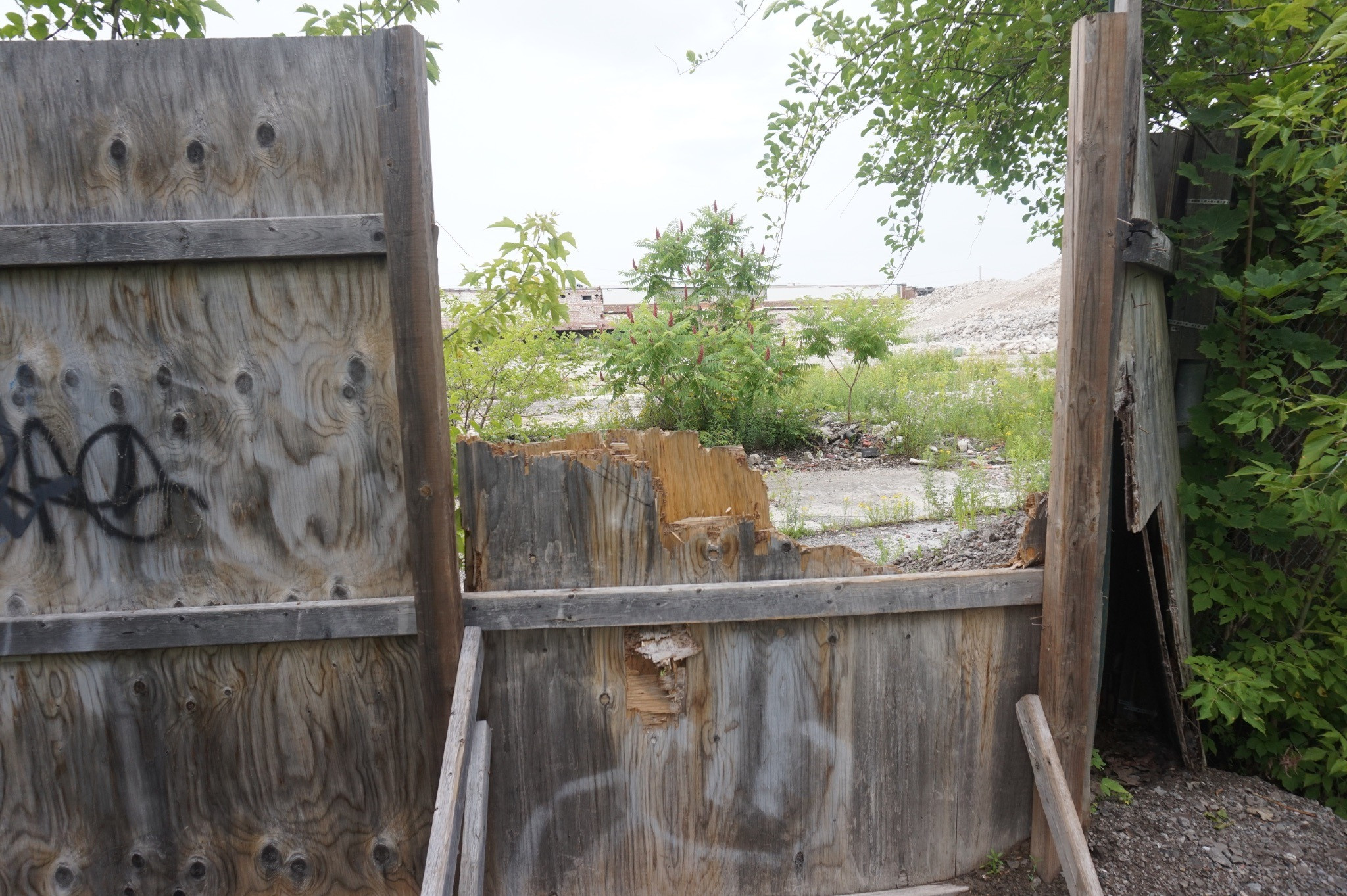
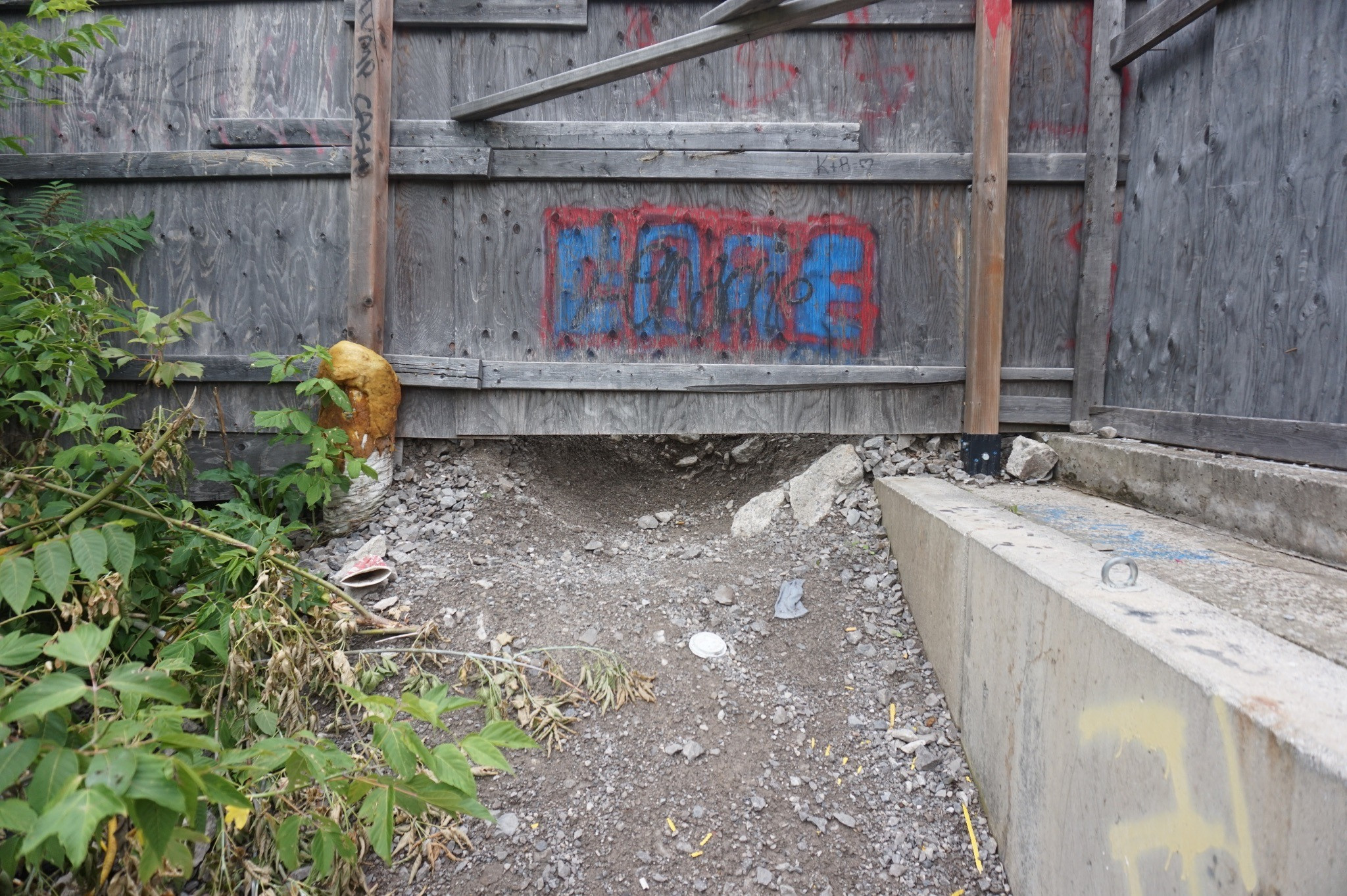
Two entry points to the former General Motors property were easily found by The Pointer’s reporter on Friday last week.
(Ed Smith/The Pointer)
The City’s bylaw enforcement department advanced a position directly opposed to Maloney’s request for a delay.
Manager of Bylaw Enforcement Paul Chudoba told the committee that while staff understood large and complex properties require time to bring them into compliance, enforcement must begin within a reasonable and structured timeline. He made it plain to the adjudication committee that if work on the site was started in good faith time extensions were possible.
Chudoba argued the process could begin immediately and that timelines for compliance could be adjusted based on demonstrated progress on the property and therefore there was no reason for the committee to grant a 60-day delay only to reconvene again.
“We understand there needs to be time to get the order resolved,” he said. “It needs to be resolved within a reasonable timeline.”
Committee Chair, Tom Neale, made public that compliance timelines under the City’s orders are established in accordance with the Ontario Building Code and said he was not satisfied that sufficient grounds had been provided to delay the hearing.
He said there was no reason the matter could not proceed that evening and moved a motion to deny the adjournment request. The committee supported the motion, allowing the hearing to continue.
With the issue of a 60-day delay off the table, the City then presented its case, including testimony from inspectors who defended the 21-day compliance timeline as standard operating procedure applied consistently across files, regardless of complexity. Inspectors emphasized that extensions are available where property owners demonstrate meaningful and intentional progress toward compliance.
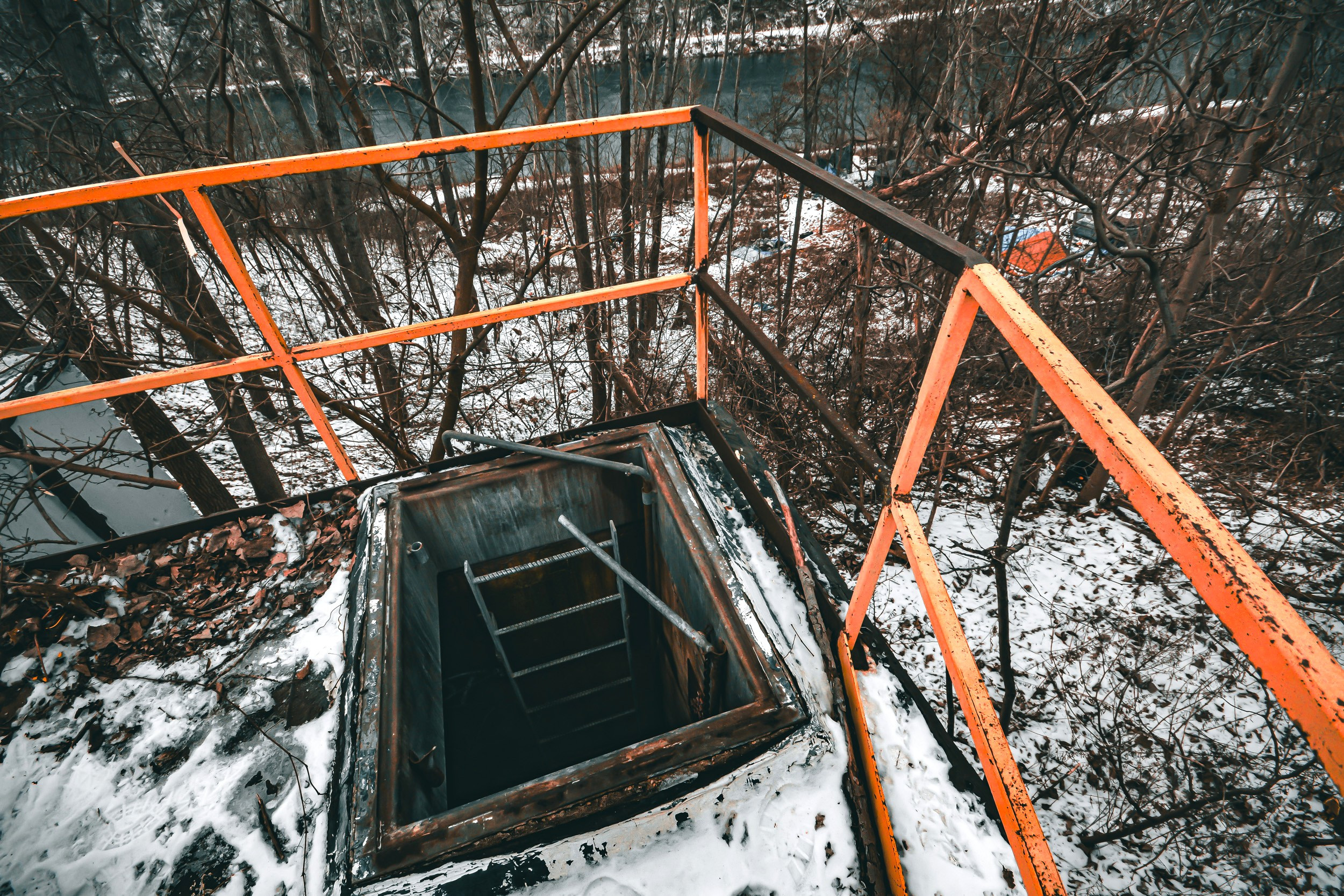
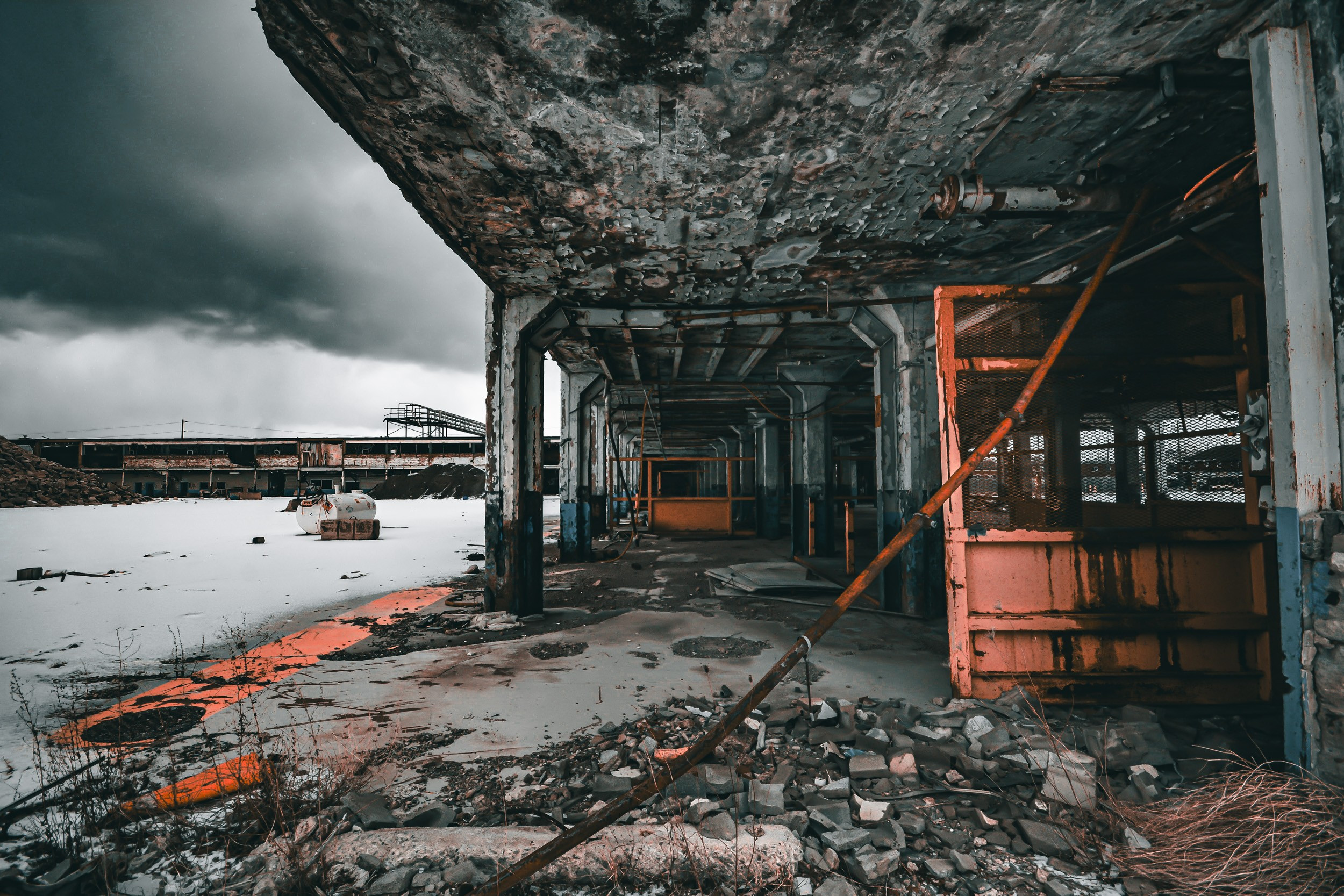
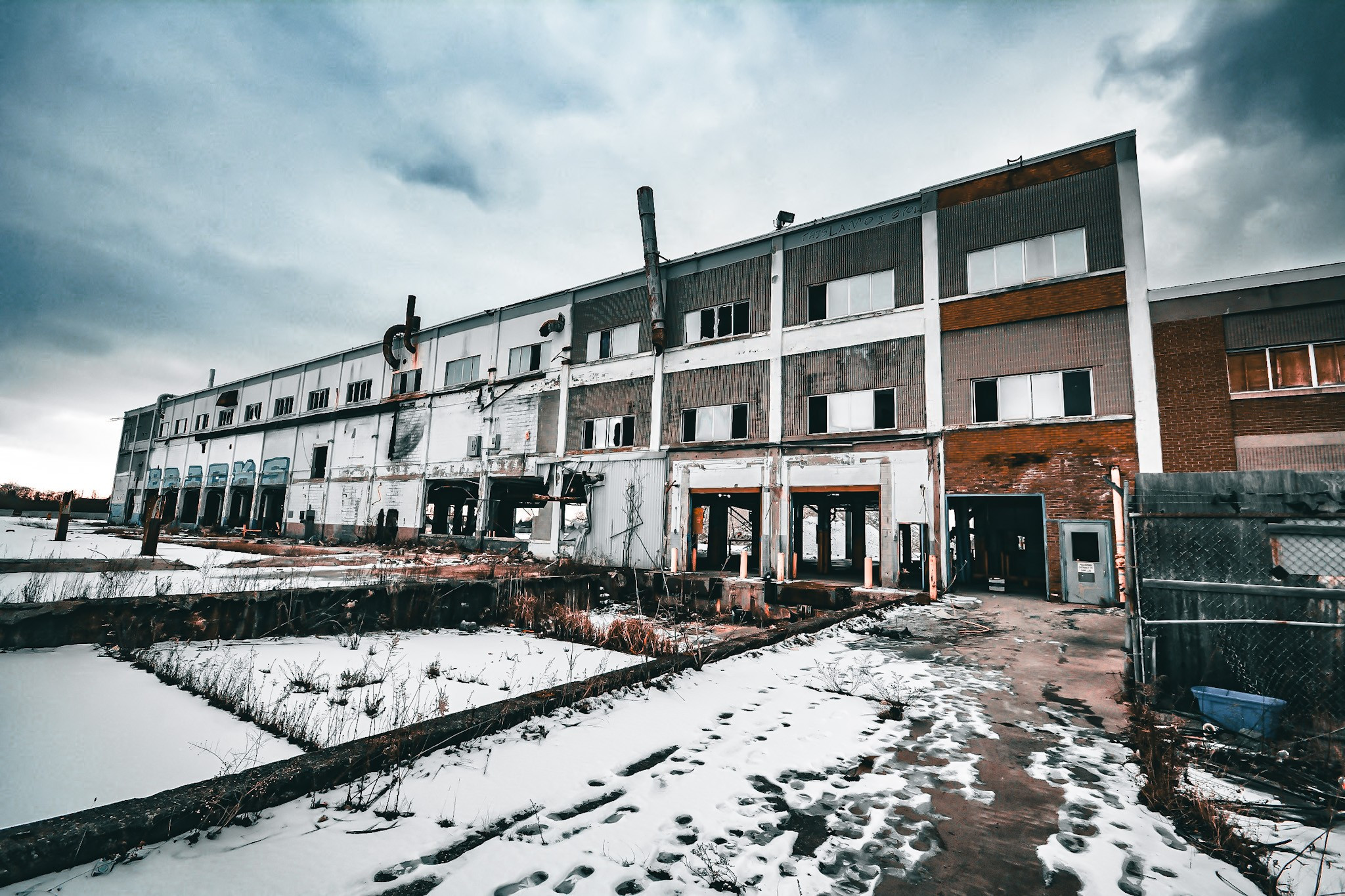
Crumbling buildings, open pits and mounds of potentially contaminated soil cover the 55 acre former GM site right next to downtown St. Catharines.
(The Pointer file photos)
Among the hearing's most significant evidence was the testimony of Bylaw Officer Robert Davis, who inspected the property on May 22.
Davis told the committee that his inspection revealed collapsed and deteriorated roof sections, exposed interior spaces open to the elements, extensive corrosion affecting steel structural components, damaged framing and roof trusses, missing or deteriorated exterior wall assemblies and cladding, and significant accumulations of debris throughout the site.
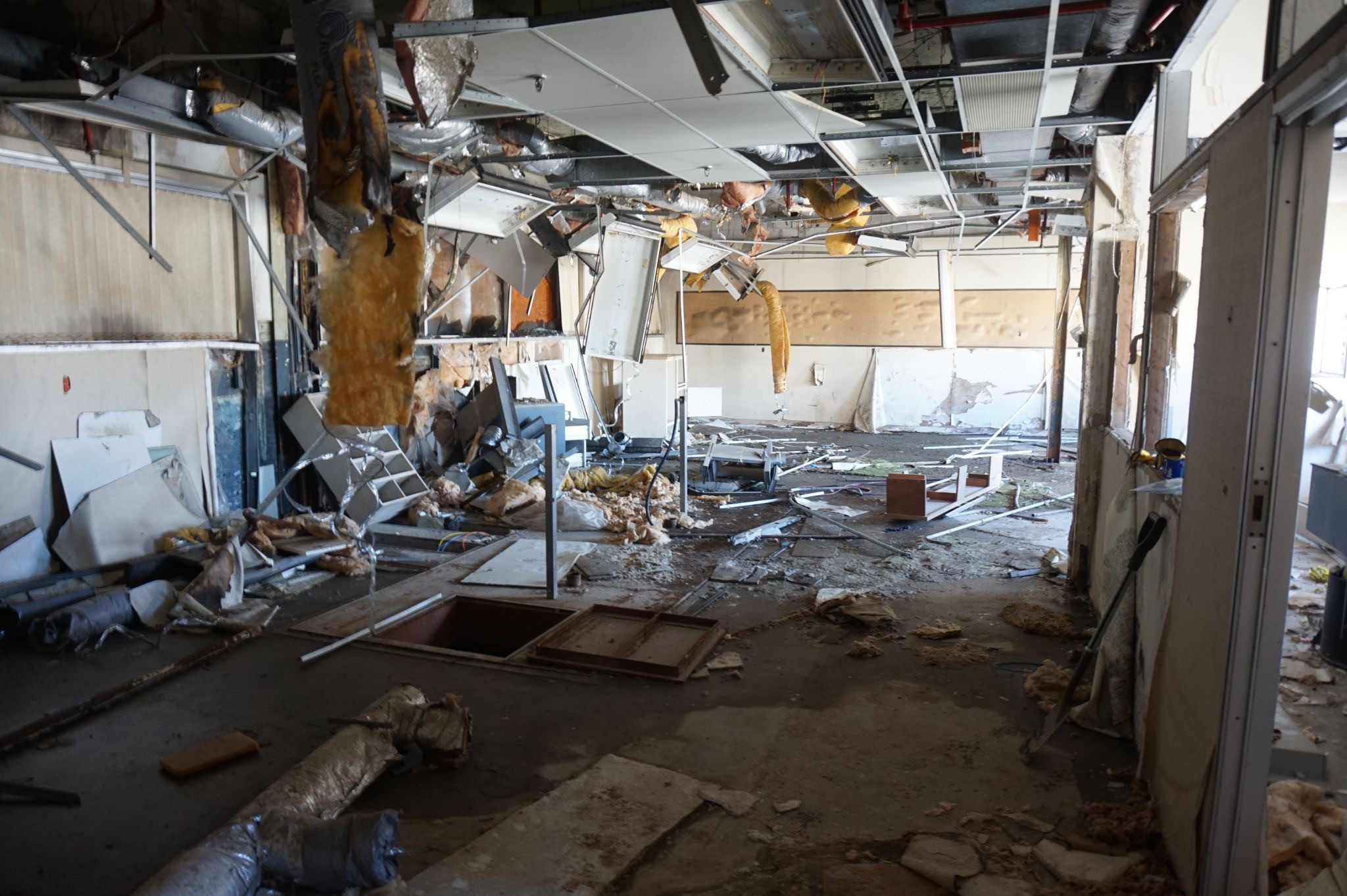
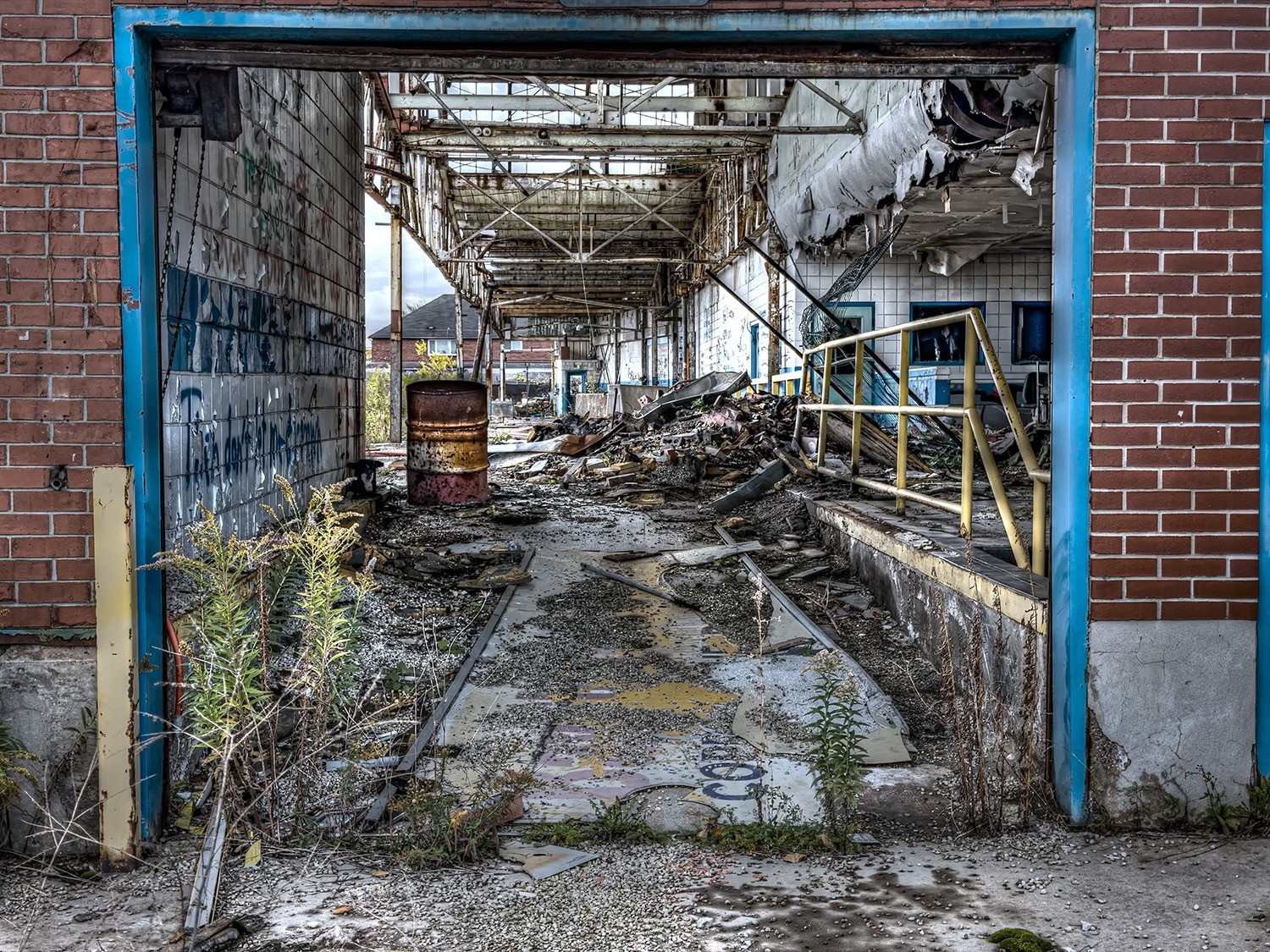
The former GM site in St. Catharines has numerous entry points around the fenceline, despite claims from representatives at the Property Standards Committee last week.
(Top: Ed Smith/The Pointer. Bottom: Submitted)
The inspector also reported cracked and displaced masonry block walls, unsecured openings permitting unauthorized access, partially collapsed interior structural components, failed roof decking and overhead structural assemblies, loose and hanging mechanical, lighting and electrical systems and widespread water infiltration that had accelerated deterioration throughout the property.
When Maloney questioned whether a 21-day compliance period was reasonable for a property as large and complex as the former GM site, Davis maintained that the initial timeline is simply the starting point for enforcement, not necessarily the deadline by which all work must be completed.
“If they do start work, I can definitely schedule multiple inspections, and as long as the work is progressing, I can extend the time,” he testified.
After the City concluded its case, the committee heard from seven members of the public who addressed the appeal. The speakers, including former GM employees, union representatives, and nearby residents, described the deteriorating condition of the property and raised concerns about hazardous materials, immediate physical dangers and the long-term risks the site poses to the surrounding community.
Irene Lowell, a former employee of the long shuttered GM plant, which ceased operation in 2010, described working at the facility during its operational years and witnessing asbestos-related safety measures, linking her experiences to concerns about the current condition of the site.
“Every pipe in that plant was covered so the asbestos wouldn’t come down,” she said. “However, up until the late ’90s, there was nothing there to protect the workers from the asbestos that was on those pipes.”
Lowell said that with those materials now deteriorating, the risks extend beyond the plant’s operational history. An investigation by The Pointer recently uncovered the existence of asbestos in the soil on the property.
“Now that those pipes have broken apart,” she said, “this committee needs to realize and understand that people are dying because of that.”
She added that community concerns remain significant.
“My concerns are really deep,” she said. “We called the area right across from the Haig Bowl ‘Cancer Alley’.”
At times visibly emotional, Lowell urged inspectors to take precautions when accessing the site.
“Don’t go on that site without equipment, full protective equipment,” she said, turning toward bylaw staff seated in the chamber.
She called on the committee to reject the request for delay.
“Please, please deny this request,” she urged. “There is so much going on there.”
Addressing the lender’s request for additional time, she added: “Your time is up. It’s been stagnant for 14 years.”
In his final comments, the chair of the committee referenced evidence indicating that the site continues to be accessed by members of the public. He noted reports of open pits and falling debris, numerous broken windows, non-compliant boarding, and unsecured openings that appear to permit access to the property. He also pointed to what he described as a pattern of ongoing neglect, reflected in a history of property standards orders and legal action related to the site.
Most concerning, he said, were social media videos circulating online that appear to show youth and other urban explorers entering the property, despite the claims that the site is well secured.
Following the comments, the committee moved to confirm the City’s orders “as is,” while extending the compliance deadline to October 23, 2026. The motion was put to a vote and carried 2–1.
(Editor’s Note: Reporter Ed Smith, who is also a resident of St. Catharines, was one of seven members of the public who made presentations to the committee during the hearing based on his in-depth knowledge of the former GM site.)
Email: [email protected]
At a time when vital public information is needed by everyone, The Pointer has taken down our paywall on all stories to ensure every resident of Brampton, Mississauga and Niagara has access to the facts. For those who are able, we encourage you to consider a subscription. This will help us report on important public interest issues the community needs to know about now more than ever. You can register for a 30-day free trial HERE. Thereafter, The Pointer will charge $10 a month and you can cancel any time right on the website. Thank you
Submit a correction about this story

