
Niagara councillor calls for public health investigation after asbestos found in soil at former GM site in St. Catharines
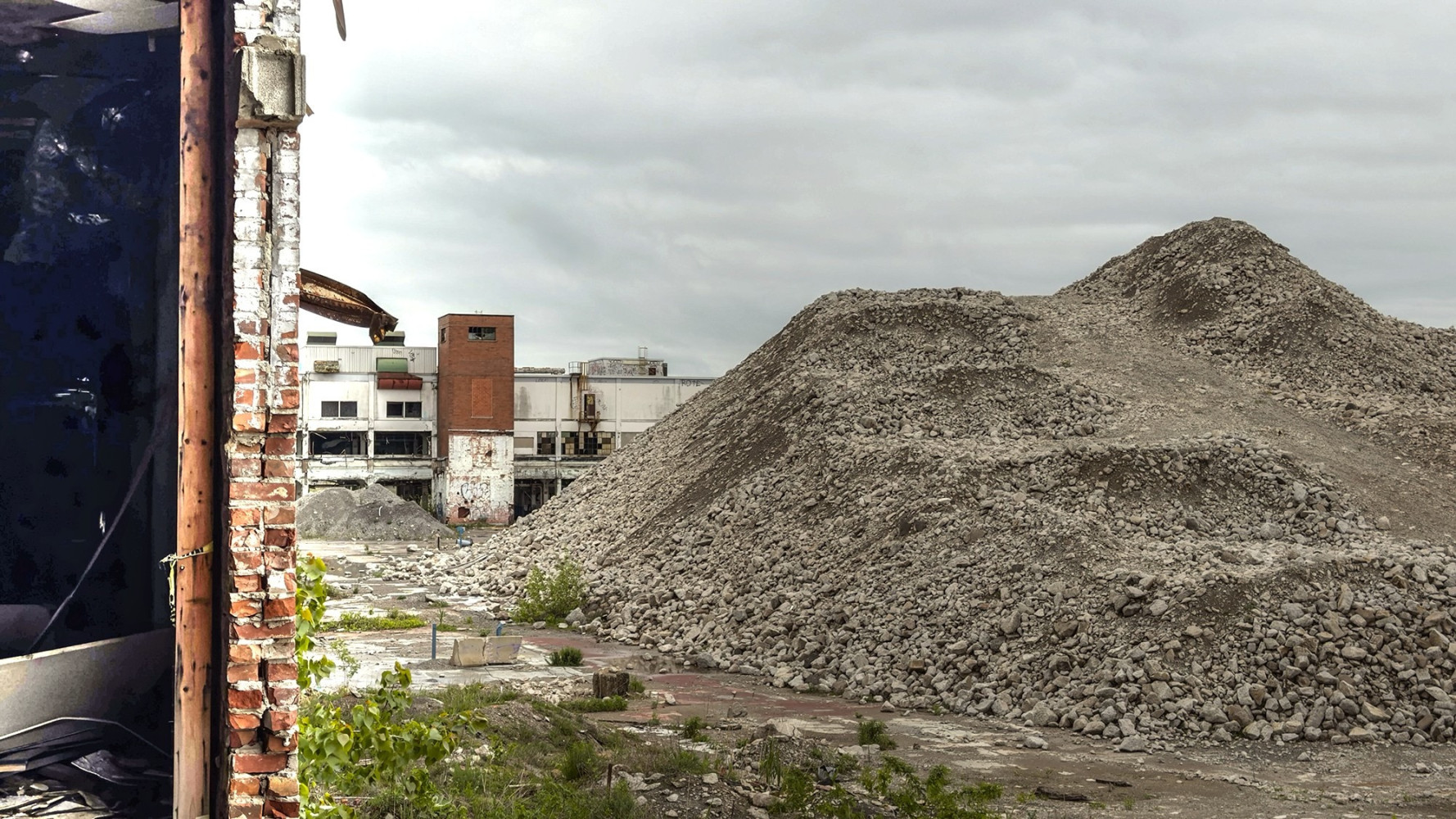
Recent confirmation that soil on the former General Motors property in downtown St. Catharines contains asbestos has intensified concerns surrounding one of Niagara's largest and most controversial brownfield sites and is prompting renewed calls for public health oversight.
As reported by The Pointer, laboratory analysis of soil samples collected from the site confirmed the presence of asbestos at levels above the safe threshold. The finding is of significant concern to nearby residents as asbestos fibres can become airborne when contaminated soil is disturbed or when dust is generated under certain environmental conditions. Residents have repeatedly told The Pointer that during the dry summer months wind picks up large amounts of dust from the site and rains it down on nearby neighbourhoods.
For years, residents, former workers, environmental advocates and occupational health experts warned that asbestos contamination could remain on the sprawling industrial property. Those concerns were frequently met with assurances from elected officials and the Ministry of the Environment, Conservation and Parks (MECP) that asbestos abatement programs had been completed and that environmental monitoring was ongoing. Many residents remained unconvinced that enough was being done to mitigate the danger from the cancer-causing material, arguing that key questions about the extent of contamination had never been fully answered. Previous investigations by The Pointer revealed numerous contaminants were identified in previous environmental assessments of the site, some at levels 1,100 times above safe thresholds.
With laboratory testing confirming the presence of asbestos in soil, those same residents are demanding action.
While City officials have remained largely silent on the discovery, Regional Councillor Haley Bateman has emerged as one of the leading political voices at the local level. Bateman has begun discussions with colleagues on Niagara Region's Public Health Committee and is preparing a motion for debate at the end of June that would formally engage Niagara Region Public Health in the site's cleanup and redevelopment process.
Bateman said she has repeatedly attempted to raise questions about the former GM site with Niagara’s Chief Medical Officer of Health, but has consistently been told that the City of St. Catharines is the lead authority.
In response to questions from The Pointer, Bateman expressed frustration with what she described as the Region's reluctance to engage on the issue.
“This site has yet to be part of any meeting at the Region,” Bateman said. “However, I have taken opportunities, thanks to your investigation and reports, to ask questions of our Chief Medical Officer of Health. Each time, my questions are shut down, always deferring to the City's lead on this issue.”
Bateman said the confirmation of asbestos in the soil reinforces the need for Niagara Region Public Health to become directly involved in monitoring potential impacts on residents.
As a result, she is bringing forward a motion at Regional Council that seeks to formally involve the Region’s public health department in the environmental cleanup and redevelopment process at the former GM site.
The motion describes the property as one of Niagara’s largest redevelopment opportunities and acknowledges that cleanup activities may affect public health through issues including contaminated soil, groundwater, dust, air quality, traffic and other environmental factors.
Among other measures, Bateman is proposing that Public Health review environmental studies and risk assessments, identify potential exposure pathways affecting residents and vulnerable populations, participate in public consultations, and provide ongoing public reporting throughout the cleanup process.
The motion also seeks regular updates to Regional Council and public disclosure of findings and activities through the Niagara Region website.
At its core, the proposal reflects growing concerns that Public Health has played no role to date in addressing the potential health implications of the former GM site and seeks to establish a more active presence throughout the cleanup and redevelopment process.
Bateman appears to have a measure of support among her colleagues.
Responding to questions from The Pointer, Regional Councillor Brian Heit said he was concerned by the findings of the recent investigation by The Pointer and urged that appropriate measures be put in place to protect the public.
“I trust the City will act on these findings to assess what remediation procedures are required to protect everyone’s health and safety.”
Heit says he has made Niagara Region Public Health aware of the findings.
Peter Secord was the only other St. Catharines regional councillor to respond to questions from The Pointer, though he indicated he was still seeking information about the matter.
“I am still trying to get some info from the Region,” Secord said. “I need to do some noodling myself.”
The remaining St. Catharines regional councillors did not respond before publication, including Regional Councillor Mat Siscoe, who also serves as mayor of the city.
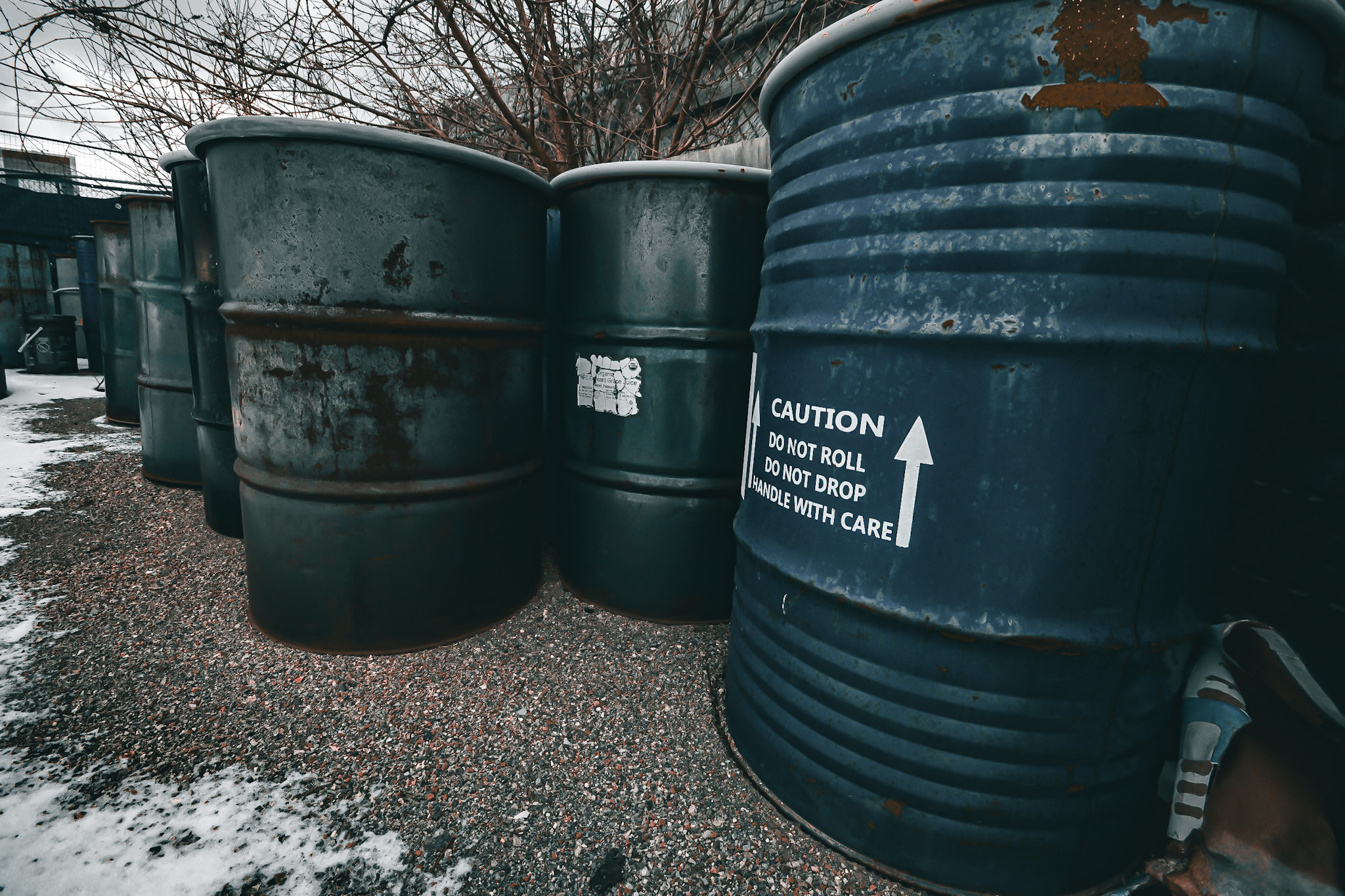
Previous environmental assessments of the former General Motors property have identified contaminants at levels 1,100 times above safe thresholds.
(Joel Wittnebel/The Pointer files)
In a statement to The Pointer, Niagara Region Medical Officer of Health Dr. Mustafa Kasmani acknowledged the significance of the issue and said Public Health is participating in ongoing discussions.
“We understand the importance of this issue and want to reassure the community that we’re taking it seriously,” Kasmani said. “We’re working within the established processes with local and provincial partners to investigate further.”
Kasmani stressed that as public health information or guidance becomes available “we’ll share it clearly and as quickly as possible.”
Niagara Region’s Public Health department includes an Environmental Health division whose responsibilities include investigating public health concerns related to environmental hazards.
The former General Motors property occupies approximately 55 acres on both sides of Ontario Street in downtown St. Catharines. For more than 80 years, from 1929 until its closure in 2010, General Motors used the site as a major manufacturing hub for automotive powertrains and components.
The property's long industrial legacy has been followed by partial demolition, failed redevelopment plans and years of unanswered questions surrounding environmental conditions at the site. Residents have repeatedly expressed frustration with what they view as a lack of transparency from municipal and provincial authorities, while assurances from elected officials have often done little to ease public concerns. Misleading information has repeatedly come from both municipal officials, including Mayor Mat Siscoe, and provincial staffers who have either ignored requests for information from the media and residents, or attempted to downplay serious concerns. This follows a two-year fight by The Pointer with the City of St. Catharines and GM to obtain critical environmental reports about the condition of the site.
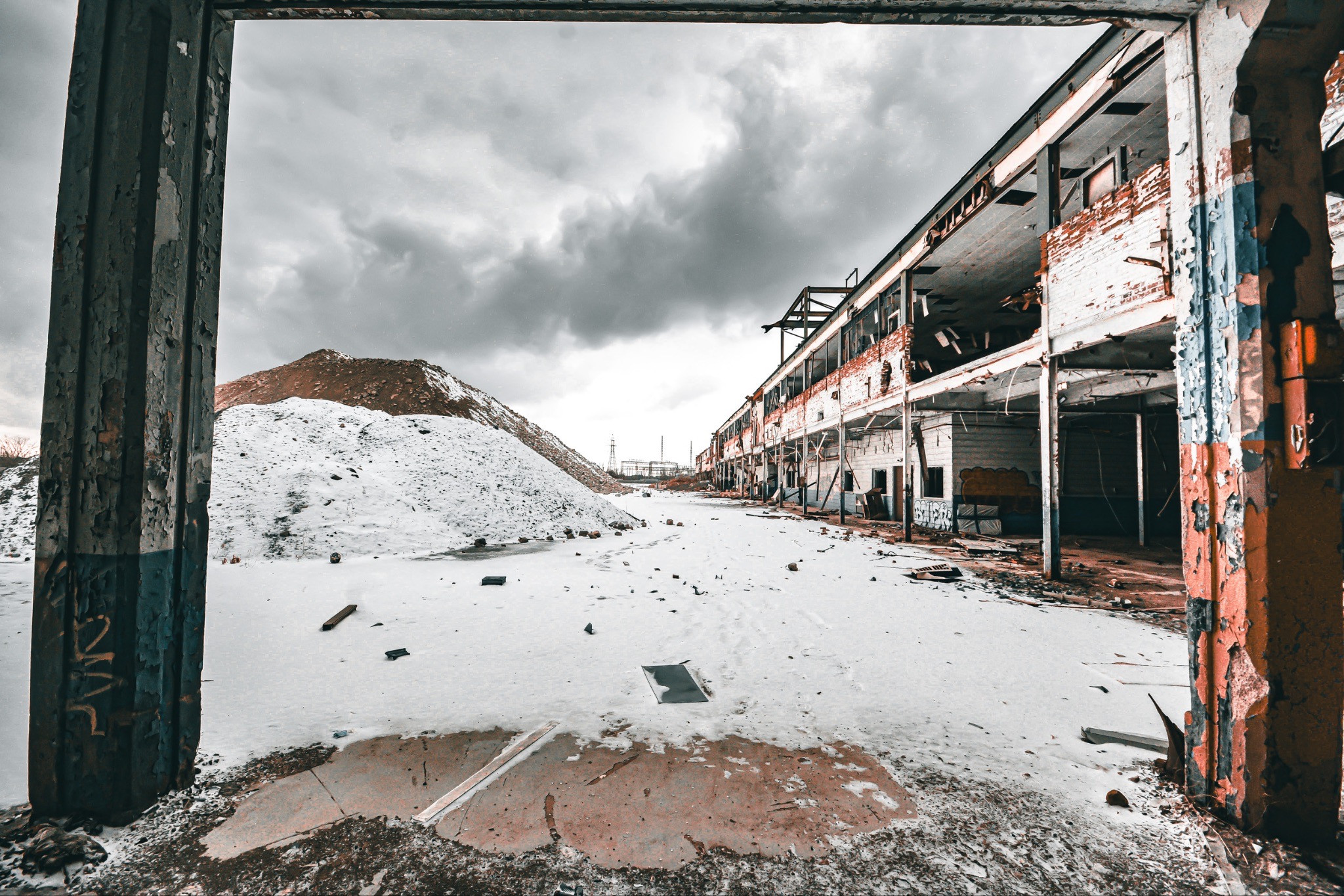
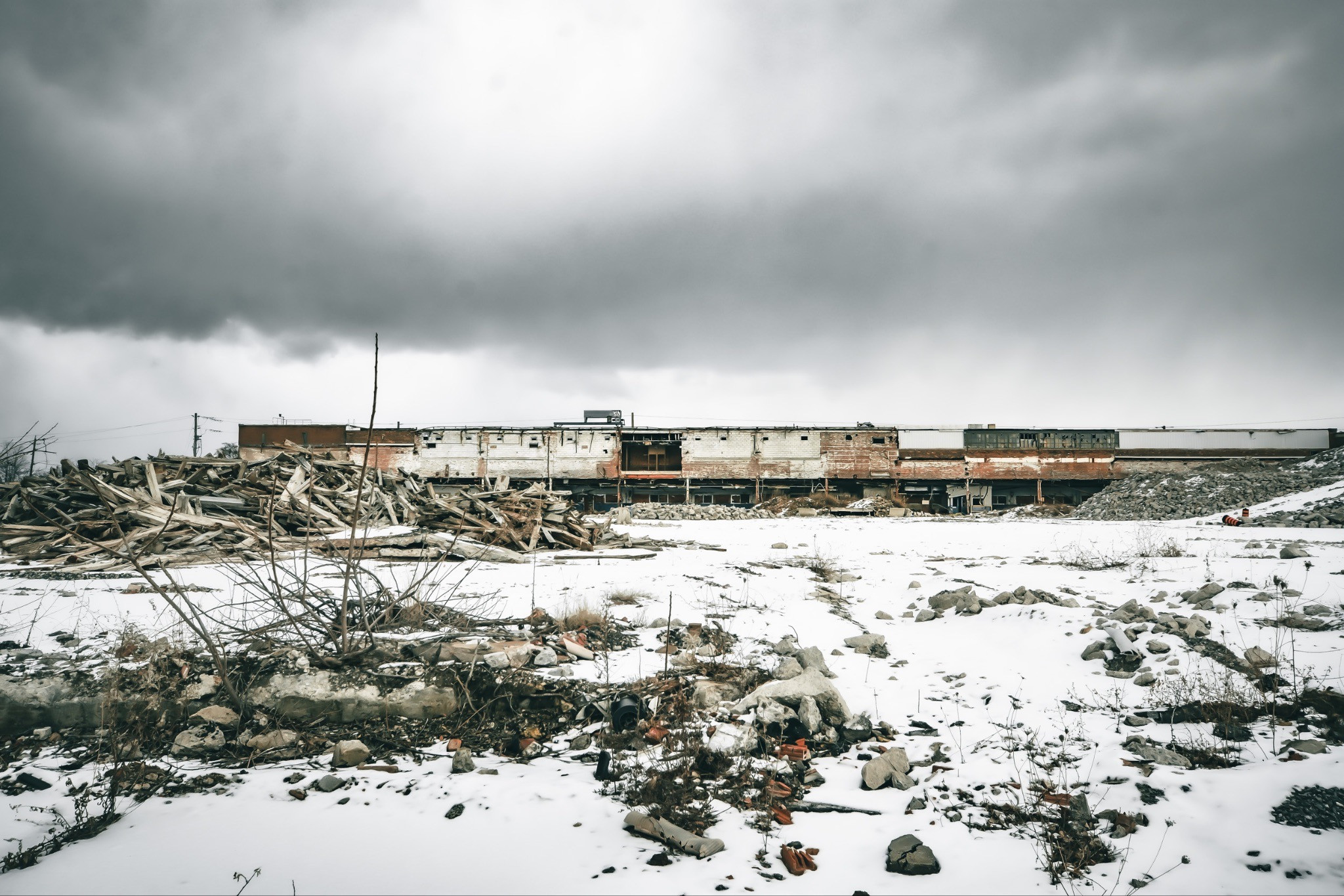
St. Catharines councillors and Mayor Mat Siscoe have failed to take meaningful action to clean up the former General Motors property throughout the current council term.
(Joel Wittnebel/The Pointer files)
While asbestos had previously been identified in building materials at the site, the soil had never been tested, leaving a significant gap in the understanding of the property's environmental condition and limiting the ability of residents and regulators to fully assess potential health risks.
Asbestos becomes most dangerous when fibres are released into the air and inhaled. Hot, dry weather, demolition, excavation and soil disturbance all have the potential to release asbestos fibres into the air if rigorous containment, monitoring and dust-suppression measures are not employed. Confirmation that it exists in high concentration in the soil also raises the possibility that it can easily become airborne and be carried with the wind.
Those concerns are amplified by the property's location. The site is surrounded by established neighbourhoods, schools, businesses and public infrastructure. For years, some residents living near the property have publicly expressed fears that contamination from the site may be affecting their health, fueling calls for greater transparency, more comprehensive testing and stronger oversight of cleanup efforts.
Concerns about asbestos at the site are not new.
In October 2020, a group of citizens and health and safety advocates with extensive experience dealing with asbestos-related illness, issued a public warning to the Coalition for a Better St. Catharines. The Coalition is a grassroots residents' advocacy group that has spent nearly a decade pressing governments and property owners to address environmental, health and safety concerns at the former GM site and secure its clean up.
The letter was authored by Sarnia Mayor Mike Bradley, occupational health specialist Dr. James Brophy, Victims of Chemical Valley chair Sandra Kinart, former GM health and safety representative John Pula and St. Catharines paralegal Bruce Allen.
The group warned of "potential exposure to asbestos at the former GM property" and urged immediate action to ensure any remaining asbestos on the site was identified and safely removed.
"We cannot overstate asbestos' threat to the health of your community," the letter from 2020 cautioned. “Every day, there are people in Sarnia dying of mesothelioma, the incurable disease almost exclusively caused by asbestos.”
The authors pointed to decades of brake manufacturing at the St. Catharines facility, where asbestos-containing materials were routinely used. Six years ago, they argued that asbestos fibres could remain in soil, debris piles and partially demolished structures long after manufacturing operations had ceased. The soil testing completed by The Pointer reveals this is the case on the former GM property.
The letter urged authorities to test surrounding soils for asbestos contamination.
The concerns received significant public attention at the time, but were not acted upon in any substantive way and soil testing for asbestos was not undertaken. Mat Siscoe, who at the time was a councillor for the ward containing the former GM site and now serves as mayor, did not champion calls for asbestos soil testing despite repeated warnings from residents, former workers and occupational health experts. The Pointer contacted Siscoe regarding the recent confirmation of asbestos in the soil, but no response has been received.
Speaking to the media in October 2020, Mayor Bradley said his intention was not to interfere in St. Catharine's politics, but to share lessons learned from Sarnia's experience with industrial contamination and asbestos-related disease.
"I know from my own experience in my own community when you raise this type of issue, there will be pushback," Bradley said at the time. "Perhaps from the government, perhaps from others who are saying just leave it alone. But all that does is postpone to another generation a legacy that was inherited."
Dr. Brophy argued at the time that soil sampling was essential to determine whether asbestos remained on the property.
"If air testing is done when the wind isn't blowing and nothing is disturbing a site, it is unlikely asbestos would be found, but that doesn't mean it isn't there," Brophy told the media at the time.
Brophy urged authorities to conduct bulk sampling of debris and soil to determine whether asbestos contamination existed and, if found, to expand testing into the surrounding community.
His recommendations went unaddressed.
Instead then-mayor Walter Sendzik said the City had been assured by the MECP that licensed contractors had undertaken an asbestos removal program prior to demolition activities.
According to Sendzik, ministry staff confirmed the removal program and reported that site visits by ministry officials and Ministry of Labour personnel had not identified any obvious remaining sources of asbestos insulation.
City officials also noted that air monitoring was being conducted in the area, including testing for asbestos.
Those assurances and monitoring efforts did little to eliminate public concern.
Gwen Kennedy, a spokesperson for the Coalition for a Better St. Catharines, told The Pointer the group has been calling for asbestos testing at the site for years.
“The confirmed presence of asbestos in soil samples at the site validates our worst fears,” Kennedy said. “This is no longer just a matter of neighbourhood deterioration, it is a serious public health concern that could affect many residents. The City can no longer dismiss these concerns and must take immediate action. Asbestos does not break down over time, and continued delay from politicians could have serious consequences.”
Councillor Bateman argues that public health expertise should be brought to bear on the former GM site before problems emerge rather than after risks are formally identified.
Her motion is expected to be debated at an upcoming meeting of Regional Council on June 25th.
The Pointer contacted both the City of St. Catharines and the Ministry of the Environment, Conservation and Parks seeking comment on the confirmed asbestos findings, what remediation measures may now be required, whether additional testing is planned and how the discovery could affect future redevelopment plans for the property.
Neither organization responded before publication.
Email: [email protected]
At a time when vital public information is needed by everyone, The Pointer has taken down our paywall on all stories to ensure every resident of Brampton, Mississauga and Niagara has access to the facts. For those who are able, we encourage you to consider a subscription. This will help us report on important public interest issues the community needs to know about now more than ever. You can register for a 30-day free trial HERE. Thereafter, The Pointer will charge $10 a month and you can cancel any time right on the website. Thank you
Submit a correction about this story

