
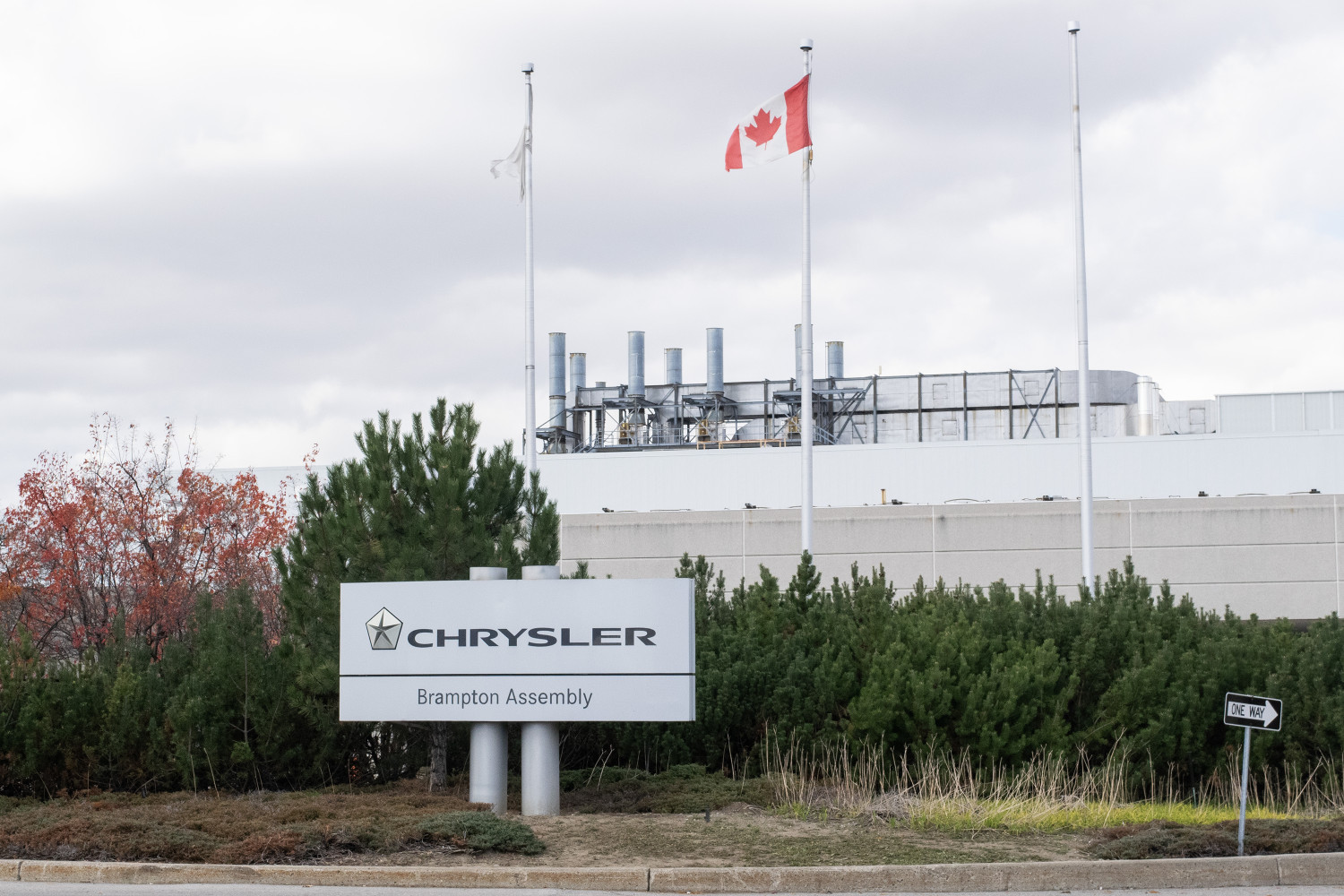
Ottawa rejects Stellantis proposal for Chinese EV assembly in Brampton: no plan for shuttered plant
With Stellantis playing with the idea of assembling mostly pre-built Chinese EVs at its idled plant in Brampton, and the federal government immediately shooting down the plan, union members are wondering if the giant global auto manufacturing consortium has any interest in continuing its own vehicle production at the massive facility.
“It needs to support the local supply chain,” Canada’s Industry Minister Melanie Joly told reporters in Vancouver on Thursday.
“We can’t bring cars in a kit to Canada.”
While calling the proposal “unacceptable” she laid out three conditions any plan must meet: standard labour protections; support for the local auto parts supply chain; and software standards that are compliant with North American trade rules under the Canada-United States-Mexico Agreement (CUSMA).
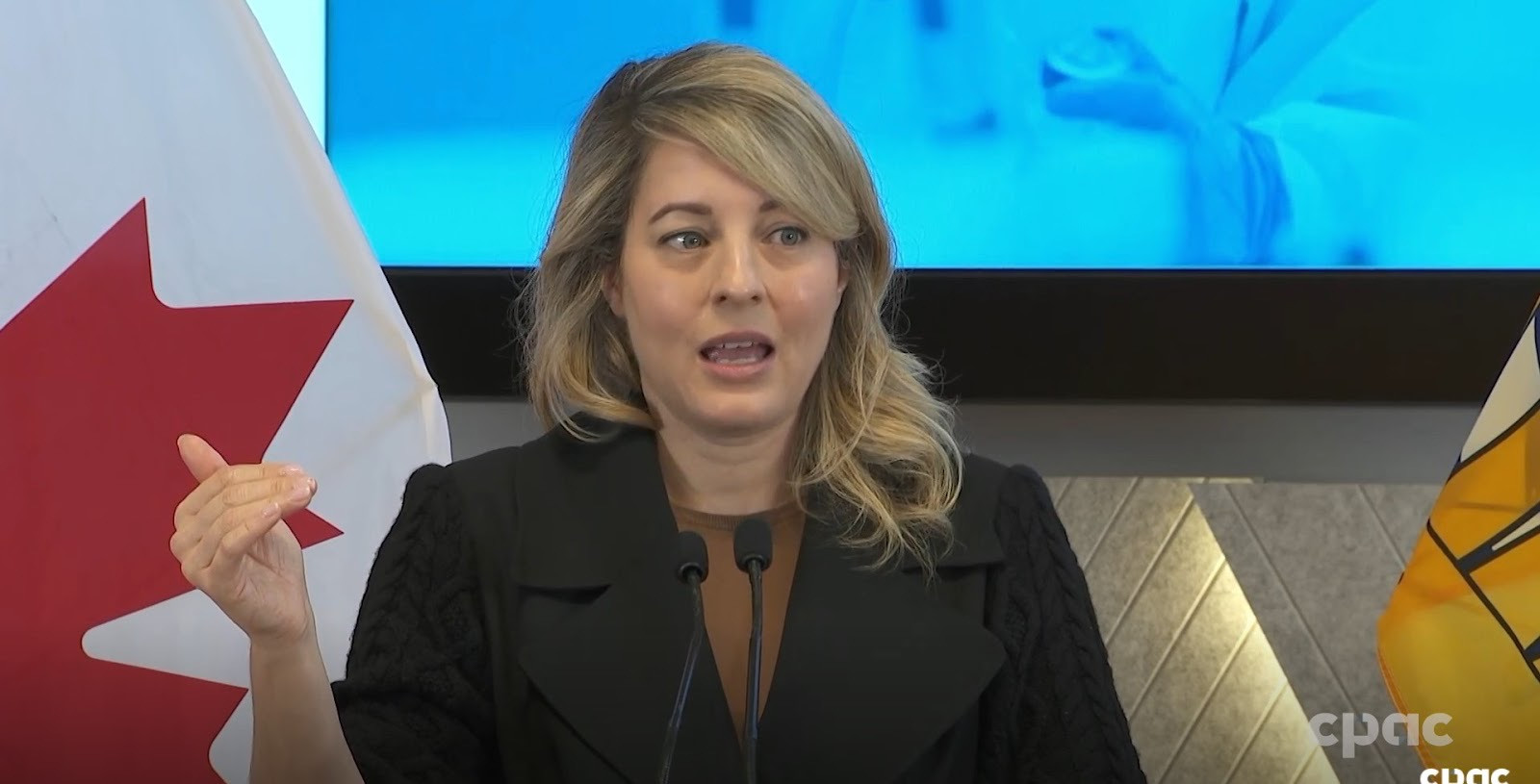
Industry Minister Melanie Joly shot down the Stellantis proposal during a press conference in Vancouver Thursday.
(Government of Canada)
Joly also reiterated that, under its binding funding agreement with Stellantis, the federal government has made clear it will recover taxpayer money if reasonable production under the contract is not brought back to the Brampton plant.
The 2022 deal for as much as $529 million from Canadian taxpayers was supposed to ensure the Brampton plant would remain open until at least 2035, unless it is simply not viable for Stellantis to keep production at the facility running.
Conditions created by U.S. President Donald Trump, who has threatened companies like Stellantis with crippling tariffs if they do not shift auto production to America, could force Stellantis out of the contract with the federal government.
Officials in Ottawa have said they will recover every cent of funding if Stellantis pulls out, or does not meet employment and production terms laid out in the deal.
A sticking point between Stellantis and Unifor is the protection of union jobs. Some 3,000 workers have been impacted by the yearlong shutdown, which was supposed to be a temporary retooling to make way for production of a new generation of Jeep Compass models including hybrid and electric versions that were set to be built in Brampton under the deal.
Trump’s chaotic leadership changed everything.
To avoid his threatened tariffs, Stellantis upended the Brampton strategy and shifted production of the Jeep Compass to a facility in Illinois.
Now, union members are worried that earlier claims by Stellantis of finding a viable alternative to keep workers employed in Brampton were little more than lip service.
The Chinese EV proposal came weeks after Prime Minister Mark Carney signed a deal with China in January to initially allow 49,000 Chinese-made electric vehicles back into the Canadian market with a tariff rate of 6.1 percent, down from the previously imposed 100 percent, after Chinese EVs had first been introduced in Canada. The “new strategic partnership” with China has been criticized by auto experts, calling the deal “problematic” for Canadian autoworkers due to the lack of support for the domestic supply chain, with most of the parts already assembled before they arrive here.
The proposal by Stellantis rejected by the Liberal government would have been a partnership with Leapmotor, a Chinese-based manufacturer that uses "knock-down assembly kits,” with parts shipped from China to avoid U.S. tariffs and keep labour costs down, as reported by The Globe and Mail. Stellantis, which owns auto brands including Chrysler, Jeep, Fiat, Dodge, Ram and Maserati, has a major ownership stake in Leapmotor International.
Stellantis had not publicly confirmed the plan, which had already come under fire from Unifor.
“It would decimate our auto industry,” said Vito Beato, President of Brampton’s Unifor Local 1285. He said it would add a "fraction" of operations at the Brampton plant, leaving thousands of employees at the plant and others in the local supply chain out of work.
In an interview with The Pointer, he said the federal government should not allow this type of shell production platform in Canada.
“We have a deal that we agreed upon, which is the investment and the product; this (proposal) is not acceptable.”
“It is a knock-down system. It is not manufacturing.”
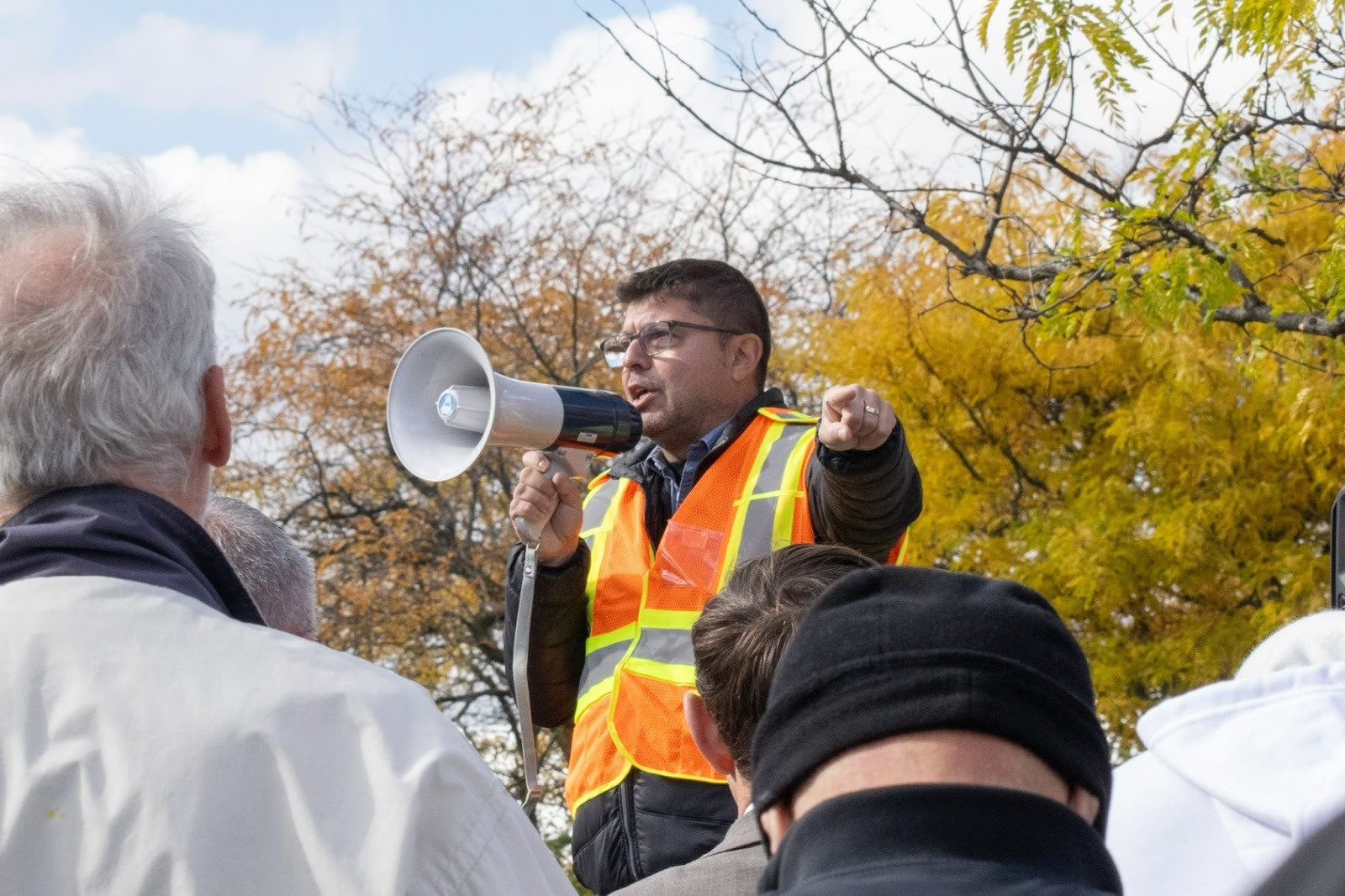
Vito Beato, president of Unifor Local 1285, strongly opposes the proposal to assemble Chinese EVs at the Brampton plant, warning it would do little to support existing jobs.
(Alexis Wright/The Pointer)
He said Stellantis previously agreed that 3,000 union members and all the part suppliers would be back to work.
“We have a trade department. We have a supplier base. All of that will be gone,” Beato warned.
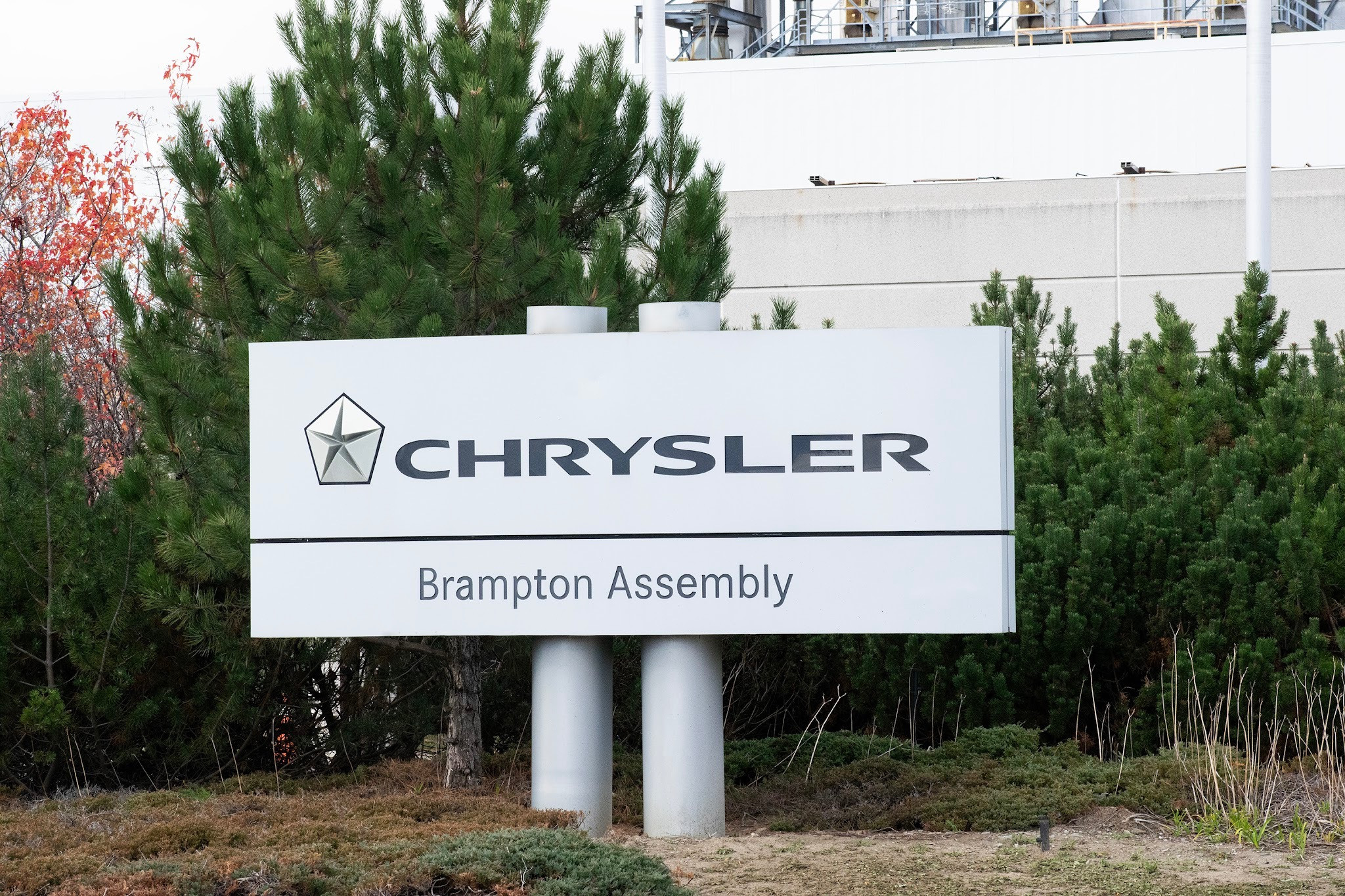
The Stellantis auto assembly in Brampton employs approximately 3,000 workers. A fraction of that number would have been required to assemble the EV kits from China.
(Alexis Wright/The Pointer files)
The plant at 2000 Williams Parkway where thousands of workers had been employed before the layoff in February last year, was supposed to be operational after the scheduled eight-week pause to reconfigure and retool the space for the new generation of Jeeps.
That was before Trump disrupted the lives of thousands of Brampton families.
The news of the move to Illinois sent shockwaves through the entire Canadian auto sector.
Beato told The Pointer at the time that the company announced the decision through a robocall, which angered his members.
Unifor members have since made several efforts to pressure Stellantis to resume operations, hosting a "Protect Canadian Jobs” rally outside the idled facility to show solidarity with laid off workers.

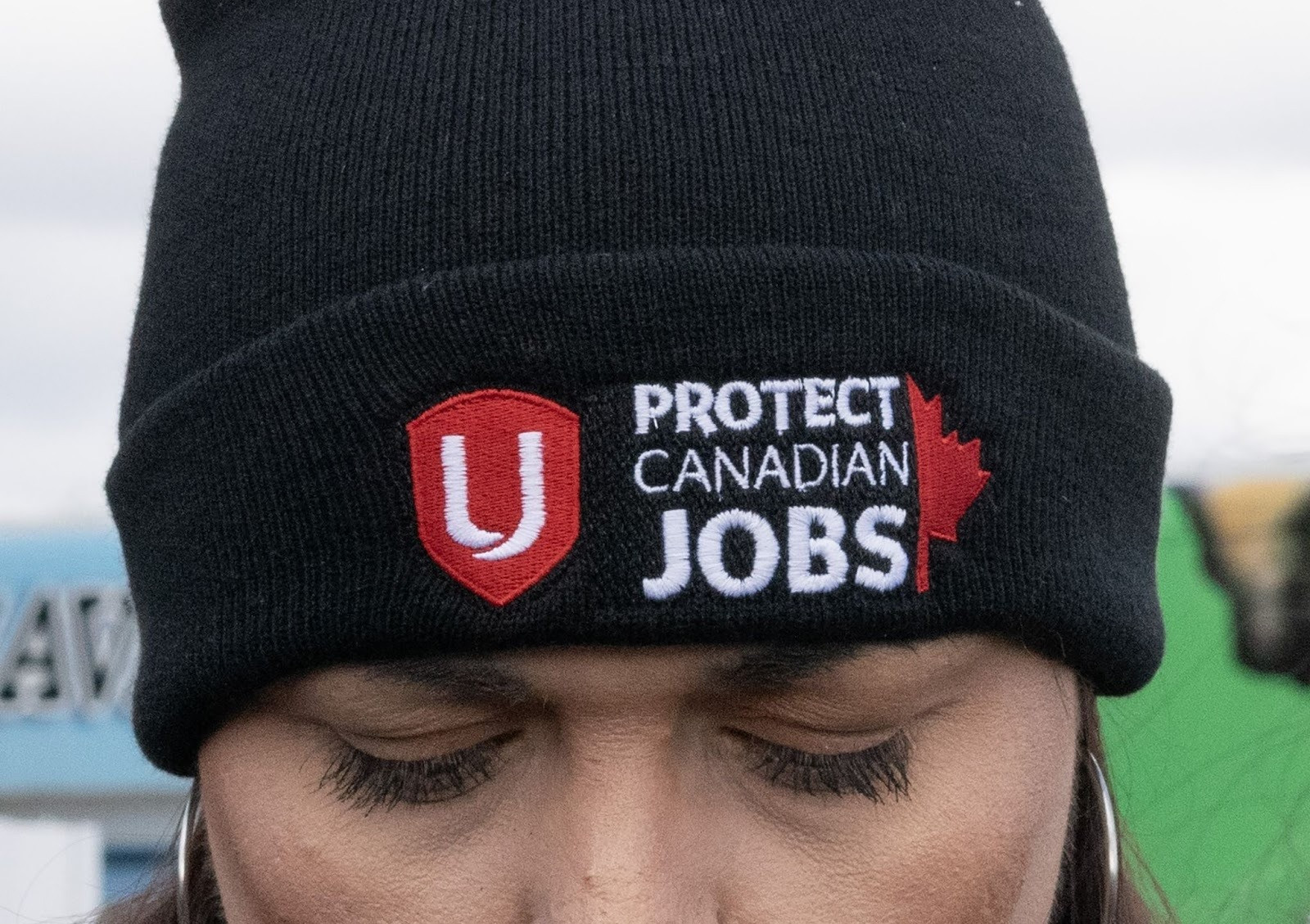
During a rally outside the Brampton Assembly in October, several workers shared how the turmoil caused by the indefinite shutdown has impacted their lives. "The uncertainty is stressful and affects more than just finances; it really impacts your mental health, and unfortunately, not everyone gets the support they need," one worker said.
(Alexis Wright/The Pointer files)
On March 6, Stellantis announced a latest round of layoffs, sidelining 20 non-unionized employees for up to 55 weeks.
Ontario Premier Doug Ford also opposed the Chinese EV plan while speaking to reporters in Texas Thursday after meeting with politicians and business leaders to discuss trade with Ontario.
“We can’t have cheap Chinese parts coming over to be assembled (in Canada).”
Email: [email protected]
At a time when vital public information is needed by everyone, The Pointer has taken down our paywall on all stories to ensure every resident of Brampton, Mississauga and Niagara has access to the facts. For those who are able, we encourage you to consider a subscription. This will help us report on important public interest issues the community needs to know about now more than ever. You can register for a 30-day free trial HERE. Thereafter, The Pointer will charge $10 a month and you can cancel any time right on the website. Thank you
Submit a correction about this story

