
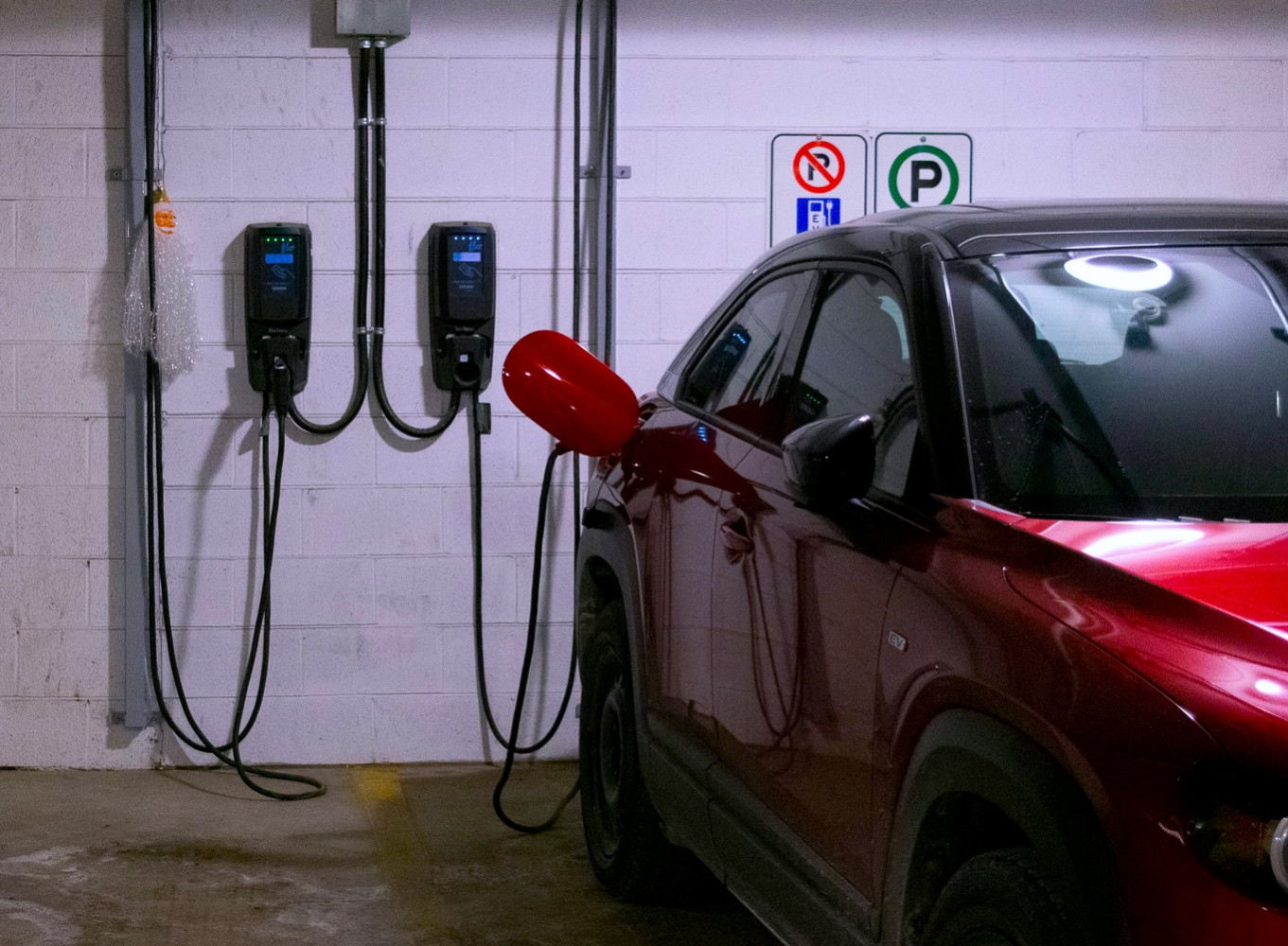
Canadians cautiously optimistic with Carney’s EV plan: rebates make a comeback
“Canada is an auto nation; the auto industry is central to our story,” Prime Minister Mark Carney said, pledging to steer the country decisively toward a future where “EVs are the future”.
The transition is not only a climate imperative but an economic safeguard, the next chapter in Canada’s long automotive legacy.
In 1867, in Stanstead, Quebec, a local watchmaker, Henry Seth Taylor, built what is widely recognized as Canada’s first automobile. The Taylor steam buggy ran on a simple coal-fired boiler mounted onto a carriage frame and wagon wheels.

Built in 1867, the Henry Seth Taylor steam buggy was a coal-fired steam carriage powered by a vertical boiler that drove a piston connected to the rear axle. Weighing about 500 pounds, it could reach speeds of roughly 20 kilometres per hour. The vehicle had thin metal-rimmed wheels instead of rubber tires, no brakes and no reverse gear, and carried water in a small front tank with fuel stored beneath the driver’s seat.
“[It] was a one-off hand-built machine, never intended for mass production, but it proved Canadian-made automobiles are possible,” Carney said.
More than a century later, that possibility has grown into one of the country’s defining industries. Entire communities like Windsor, also known as the Automotive Capital of Canada, and Oshawa, which previously had the slogan “The City that Motovates Canada” were built around assembly lines and supplier networks.
Today, the auto sector remains one of Canada’s largest employers and a pillar of its industrial economy while being the most sensitive to political headwinds.
The sector has also been one of the largest sources of emissions in the country. In 2023, passenger cars alone produced approximately 80 megatonnes of greenhouse gases, about 11 percent of the national total.
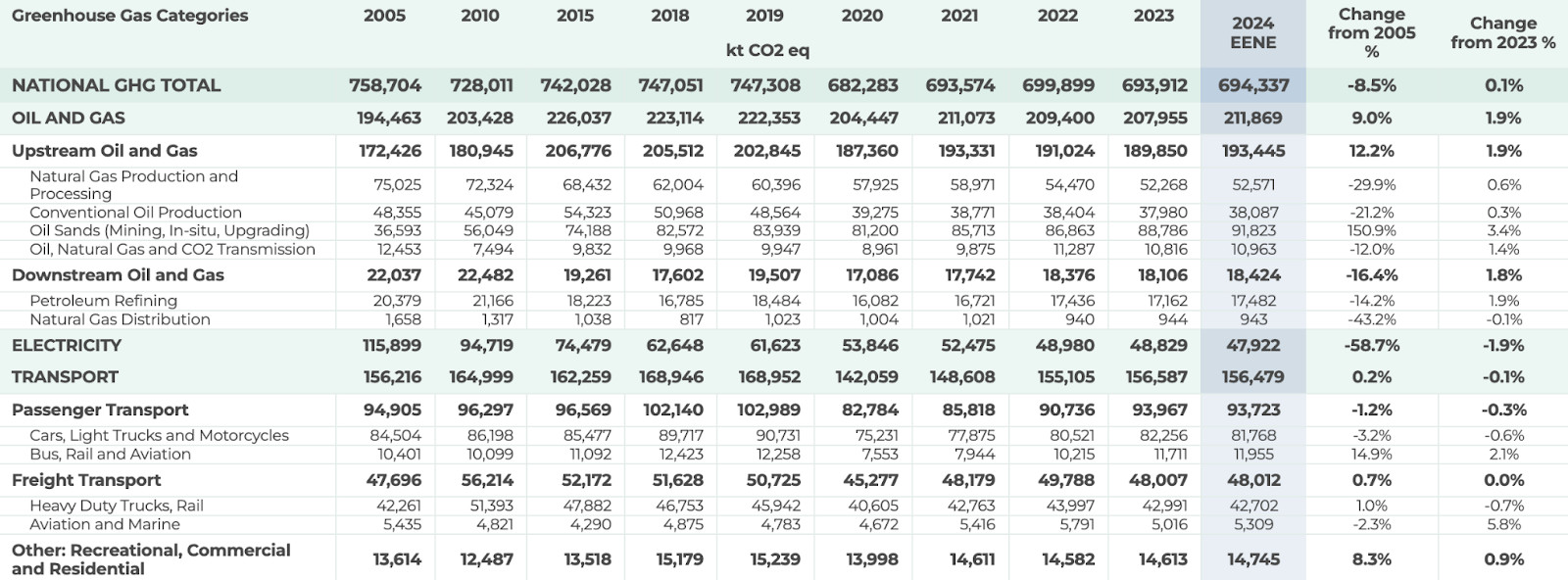
Passenger vehicles continue to be a significant driver of Canada’s greenhouse gas emissions. In 2023, transport was responsible for about 80 megatonnes, contributing to an overall transport sector footprint of about 156 megatonnes. Of the roughly 94 megatonnes linked to passenger transport, the overwhelming share came from cars, light trucks and motorcycles, which alone accounted for nearly 82 megatonnes, far exceeding emissions from buses, rail and aviation combined.
As global markets shift, Canada’s once strong relationship with the U.S. becomes a “serious vulnerability” and with climate pressures intensifying, Carney wants to transform that industrial pillar for a new era that is powered not by combustion engines, but by batteries.
On February 5, the PM shared his vision to position “Canada as a global leader in vehicle electrification and autonomous technologies”, and to build the strongest auto sector in North America as he unveiled his new auto strategy in Woodbridge, Ontario, at Canadian auto parts manufacturer Martinrea Industries.
While some key details remain unclear, Carney confirmed that incentives for buying EVs are back but Canadians can say goodbye to the Trudeau-era sales mandate.
Critics have greeted the announcement positively but caution that it’s best to stay “cautiously optimistic” since the devil often lies in the details.
Branded a “generational” strategy, Ottawa has pledged $3 billion from Ottawa’s Strategic Response Fund and up to $100 million from the Regional Tariff Response Initiative to help the auto industry “adapt, grow and diversify”. Manufacturers of zero-emission technologies will also benefit from a Productivity Super-Deduction and reduced corporate tax rates to spur clean-tech investment.
The renewed federal rebate program, valued at $2.3 billion over five years, will offer up to $5,000 for battery-electric and hydrogen fuel cell vehicles and up to $2,500 for plug-in hybrids. The full rebate amounts are only available this year, starting February 16, after which they will gradually decrease each year until the program wraps up in 2030 to minimize market disruption when incentives end.

Under the renewed federal EV rebate program, Canadians can receive up to $5,000 for battery-electric and hydrogen vehicles and up to $2,500 for plug-in hybrid electric vehicles (PHEVs). The program limits rebates to one per person over its five-year duration and companies can claim up to ten rebates each. Car-sharing companies are eligible for up to 50 rebates per year. Only new electric vehicles qualify and demonstration vehicles with fewer than 10,000 km that have never been registered will also be considered new.
(Government of Canada)
Incentives apply to vehicles priced below $50,000 with exemptions for Canadian-made models and certain EVs from countries with which Canada has free trade agreements. Rebates will not apply to foreign-made cars over $50,000 or vehicles imported under Canada’s recent trade agreement with China which was announced on January 16.
“The final transaction value limit will not apply to EVs manufactured in Canada, which means that for the time being, it will not apply to the Dodge Charger EV and the few Chrysler Pacifica PHEVs that remain at dealerships,” Electric Mobility Canada President and CEO Daniel Breton noted.
While good news for drivers looking to buy an EV, the Carney government delivered some bad news for transit users on February 12 by cutting $5 billion from the Canada Public Transit Fund, reducing its ten-year budget from $30 billion to $25 billion, Minister of Infrastructure and Housing Gregor Robertson confirmed. Cities will still have access to other funds such as the $51-billion Build Communities Strong Fund, applicable for project-based infrastructure.
The plan also earmarks $1.5 billion to expand the EV charging network, which comes as a welcome boost for Canadians, as limited charging infrastructure (including in Ontario) has long been a major barrier for many drivers to make the switch.
Carney said his government will announce a new electricity strategy in the coming weeks, “to double our grid capacity”, which will provide aid to the EV infrastructure demand.
Clean Energy Canada’s clean transportation policy advisor, Denise Lee, who previously supported Carney’s EV deal with China, said the latest announcement sends a “clear signal that EVs are still the long-term future for Canada”.
“The government is doing as much as they can to make sure that EVs remain accessible to the average person,” Lee told The Pointer. “Not only does Carney want Canadians to buy EVs, but he wants Canada to make them.”
One non-profit organization that is “pleasantly surprised” by the funding for EV chargers is Pollution Probe, which in partnership with Natural Resources Canada (NRCan), has been delivering the CHARGED program, a federal initiative that provides up to 50 percent in rebates for the purchase and installation of public EV chargers.
The Government of Canada’s ZEV charging and refuelling infrastructure targets are currently 84,500 chargers and 45 hydrogen stations to be deployed by 2029. As of February last year, Pollution Probe has helped establish over 700 chargers.
“I was surprised that there wasn't more of a focus on addressing Canadians' charging needs in underserved urban areas with multi-unit residential buildings as well as non-urban areas, communities outside of the cities,” Pollution Probe’s Senior Director Steve McCauley told The Pointer.
As a former Director General of the Energy and Transportation Directorate at Environment Canada, that’s not the only concern for him.
The federal government scrapped the previous Electric Vehicle Availability Standard (EVAS) or the sales mandate, which was paused in September last year and would have required automakers to steadily increase EV sales starting in 2026.
In its place, Ottawa promises tougher emissions standards that will cut tailpipe carbon pollution by nearly 57 percent, from 172 grams carbon dioxide equivalent per mile to 74 grams per mile.
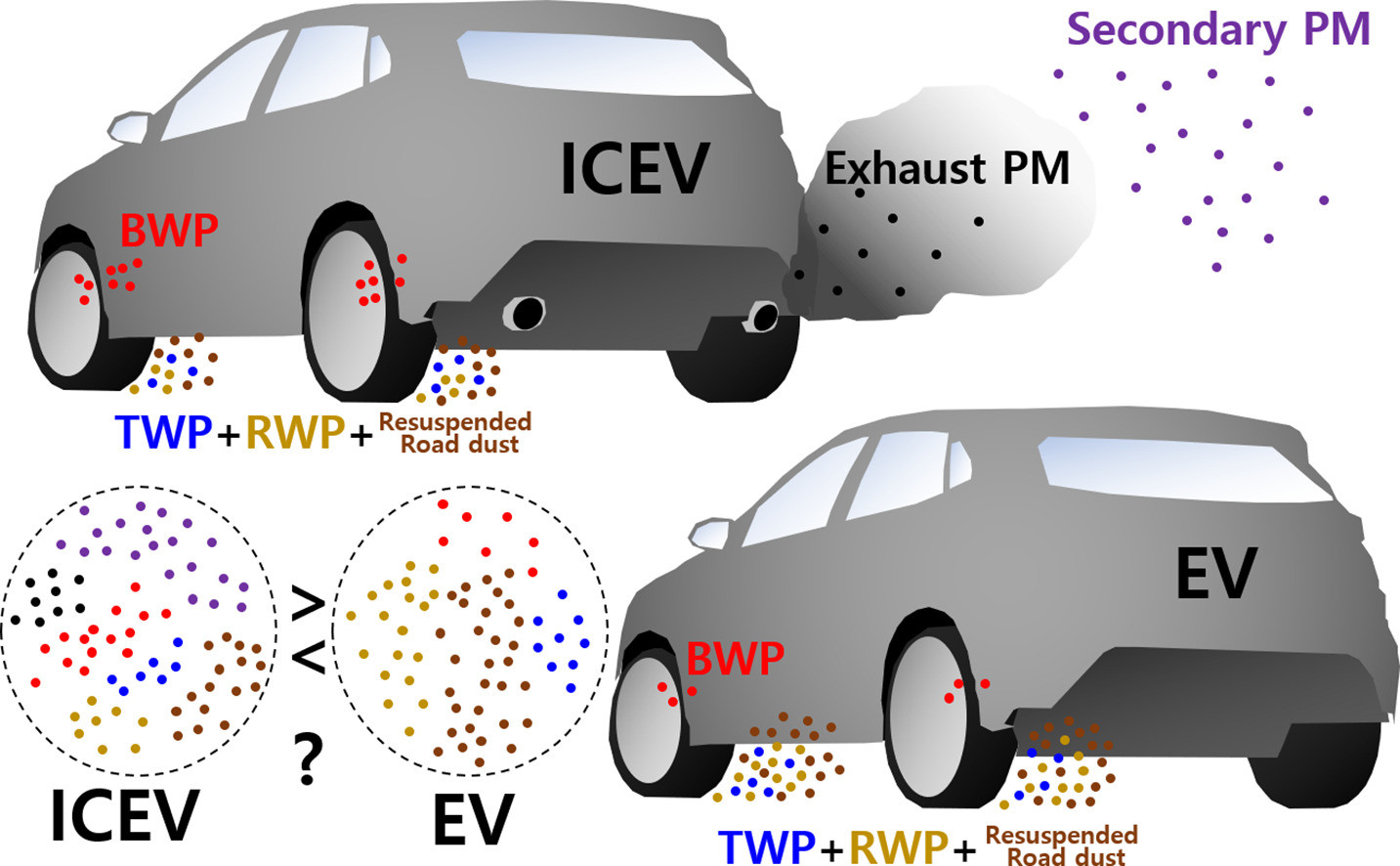
Tailpipe emissions are the pollutants released from a vehicle’s exhaust while it is running including nitrogen oxides (NOx), particulate matter (PM), carbon monoxide (CO) and hydrocarbons (HC), which can harm air quality and human health. Tailpipe emission standards are government regulations that set legal limits on how much of these pollutants a vehicle can release, helping to reduce pollution and protect the environment. A 2022 study found while electric vehicles (EVs) largely avoid exhaust emissions compared with gasoline or diesel internal combustion engine vehicles (ICEVs), they still produce particles from brakes, tires and road wear. Experiments show that, depending on brake type and driving style, EVs can sometimes emit slightly more particles but overall, including fine particulate matter (PM2.5), they produce about half as much as traditional vehicles — further making the case for stronger, continued public transit funding.
It will put Canada on track “to achieve a goal of 75 percent EV sales by 2035 and 90 percent EV sales by 2040,” Carney said.
McCauley explained the government’s promise to make the existing tailpipe emissions standards more stringent matches what the EV sales mandate would have achieved— it’s something he will be watching “very closely”.
He is concerned that pressure from the automotive industry and some provincial leaders including Ford, who urged Carney to “get rid of the EV mandate” and “let the market dictate”, which led to the cancellation of the EV sales mandate, could lead the federal government to weaken the standards itself or its implementation.
“If there is backsliding by the federal government on these emission standards, it will hurt us environmentally and economically,” McCauley warned. “Although climate change is no longer a priority with the Trump administration, it certainly should be a priority for Canada and for the rest of the world, and vehicles are a huge part of that solution.”
A recent Transport & Environment (T&E) analysis of the European Union’s proposal to ease its ban on internal combustion engine vehicles, effectively weakening the carbon reduction target for cars from 100 percent by 2035 to 90 percent found that, under the softer target, roughly 85 percent of new cars sold in 2035 would be battery electric vehicles (BEVs), instead of 100 percent. It will lead to an additional 720 metric tonnes of carbon dioxide equivalent emitted between 2025 and 2050.
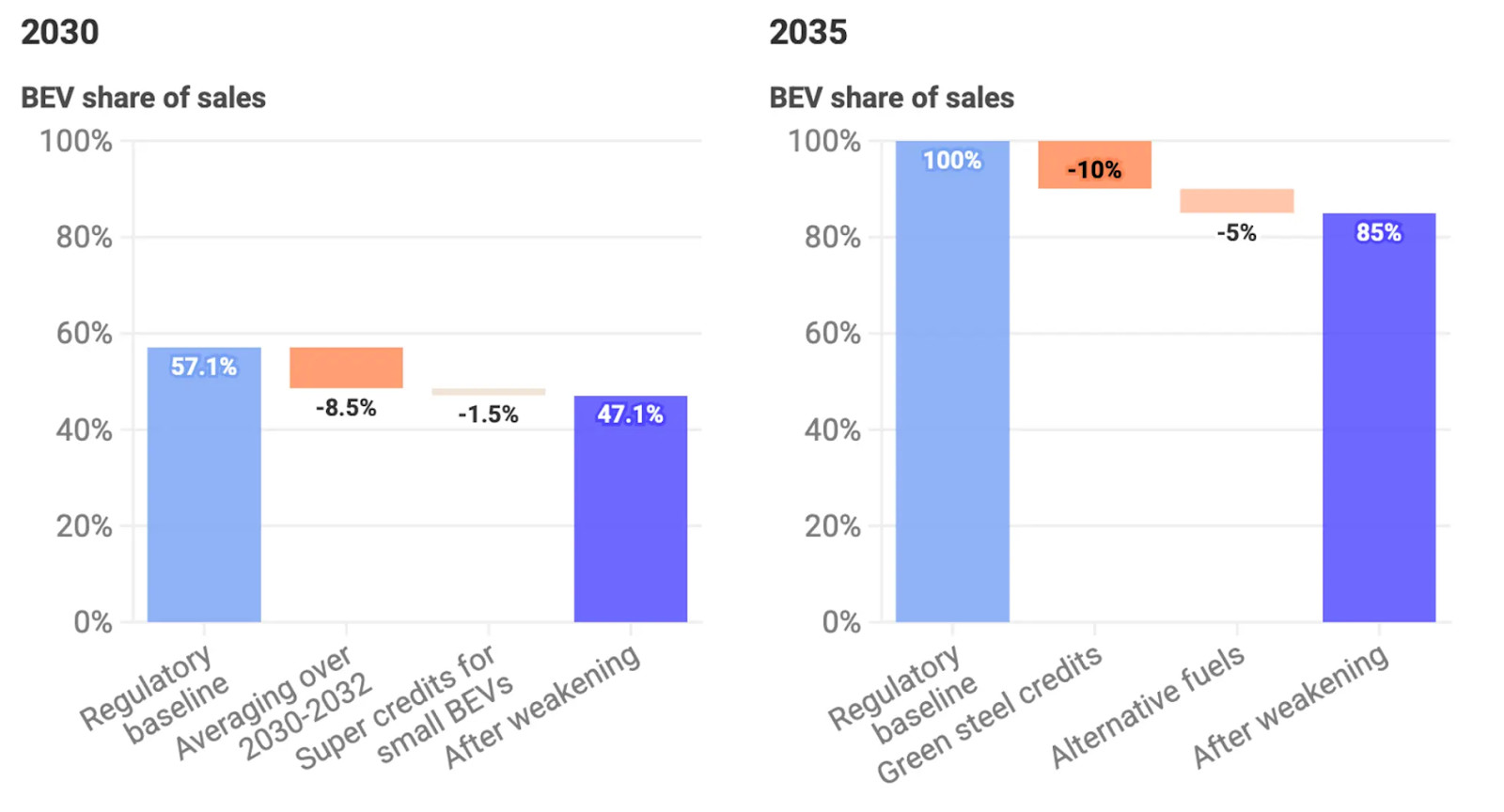
The European Commission’s decision to weaken the 2035 carbon reduction target is projected to lower the share of battery electric vehicles (BEVs) in new car sales by 15 percent in 2035, leading to cars emitting an additional 720 metric tonnes of carbon dioxide equivalent between 2025 and 2050.
(Transport & Environment)
The bigger worry for some experts is the uncertainty weaved though the foundation of Carney’s plan. Depending on how automakers balance their powertrain strategies, BEVs could make up anywhere from 50 percent to 95 percent of new car sales by 2035, a huge range that leaves a lot up in the air, the analysis highlighted.
“This is why regulated EV sales targets, like Canada's EV Availability Standard, better support EV-related investments,” Clean Energy Canada Director of Policy & Strategy Joanna Kyriazis said.
She explained that charging station providers need greater certainty that utilization rates will be high enough to generate a return on investment and electric utilities require more accurate projections to effectively plan for future electricity demand.
“The EV Availability Standard offers this sort of market certainty in a way that tailpipe emission standards alone cannot,” Kyriazis added.
TAF’s Senior Manager of Climate Policy, Evan Wiseman, agreed, noting that the proposed framework looks promising, but its effectiveness will depend largely on the 2035 and 2040 targets the government has.
“Canada is shifting from an availability standard which guaranteed both compliance and vehicle supply to a fleet-wide emissions metric,” he explained. “There’s no guarantee that supply will actually be there when someone goes to buy an EV, which is a key concern for consumers right now.”
Some observers also worry that trade measures and tariffs could risk creating a captive domestic market, where limited cross-border trade forces Canadians to buy locally produced vehicles with fewer choices.
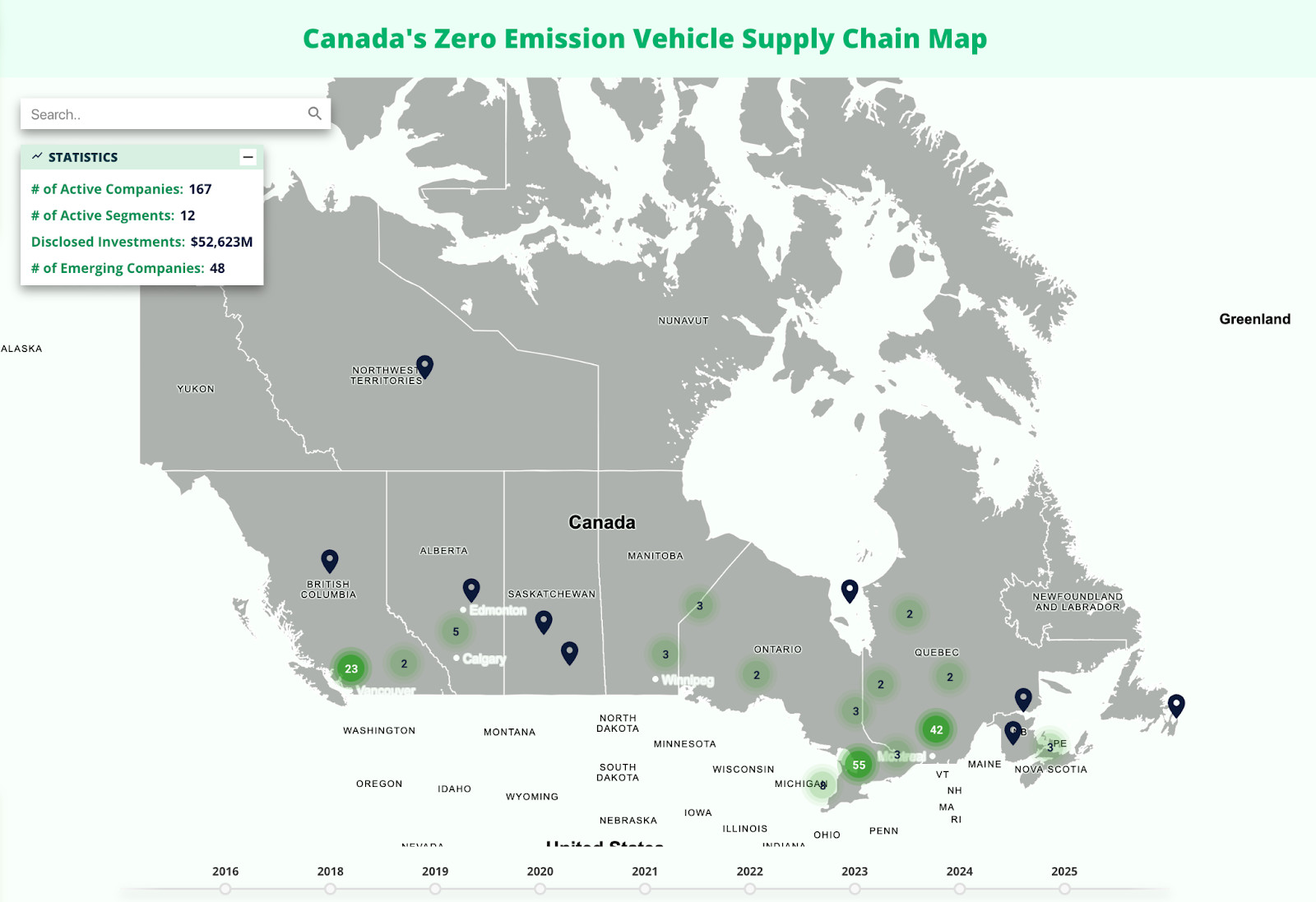
“Canada attracted $50 billion in EV investments over the last few years and is ranked one of the top countries in the world for battery supply chain potential. Yes, Trump’s tariffs and u-turn on EV policy put the Canadian auto industry at risk, but with today’s package and recent efforts to work with other auto partners still committed to EVs—like our friends in South Korea and Germany—Canada has a much better chance of competing in a changing global car market,” Joanna Kyriazis, director of policy and strategy at Clean Energy Canada, said. “Canada broke its EV market in 2025. As 2026 kicks off, we’re en route to fixing it.”
Lee says a lot depends on ongoing Canada-United States-Mexico Agreement (CUSMA) negotiations as well as how counter-tariffs on U.S. auto imports are structured.
“While the federal government has signalled it wants to protect Canadian manufacturers, the long-term impact on exports, EVs shipped to the U.S. or other markets, remains uncertain and tied to broader trade talks,” she noted. “How competitive Canada will be in manufacturing and exporting EVs also remains to be seen, but there is a clear commitment from the government to strengthen those conditions.”
Recent tariff changes affecting Chinese-built vehicles could also improve supply by allowing companies such as General Motors, Tesla and Hyundai to bring more models into Canada. But a deeper regulatory challenge remains.
Canada’s tailpipe emissions and greenhouse gas standards are aligned with the United States and when U.S. rules change, Canada typically adopts them “by reference,” Wiseman noted.
That alignment has created complications for years and Canada’s previous Electric Vehicle Availability Standard worked around it by establishing a separate mechanism to ensure EV supply.
Wiseman warned that if automakers successfully lobby to preserve the by-reference system without removing its constraints, the new framework “isn't going to work”.
“That’s why our coalition is calling on the federal government to promptly consult on and implement ambitious greenhouse gas regulations aligned with the EU vehicle safety and emission regulations. Alignment with EU standards will allow for faster regulation development while expanding access to affordable EVs in Canada,” he added.
The Canadian Medical Association has been sounding the alarm that the climate crisis is a health crisis resulting in deaths and reduced quality of life, projected to cost the Canadian health care system $246 billion per year by the end of the century.
The Atmospheric Fund’s (TAF) recent analysis, based on Health Canada data, showed the EVAS in its original form would result in $90 billion in health benefits for Canadians over the next 25 years, preventing up to 11,000 premature deaths and avoiding 362 megatonnes of carbon emissions and harmful air pollution.
“By replacing EVAS with strengthened vehicle emissions standards, the federal government risks compromising significant health and climate benefits,” Wiseman told The Pointer. “The earlier the [EV] uptake, the more health benefits we see from the shift…cleaning the air just helps keep people safer, live longer, healthier lives.”
Could Canada see the same streets-first takeover of electric vehicles as in China, where gas cars are practically invisible? For now, many Canadians remain unsure. Some love the growl of a gas engine, others worry about running out of battery on trips to cottages or smaller cities without chargers.
Wiseman said increased funding for charging stations will help address range anxiety. TAF is also working to remove outdated regulatory barriers that have limited EV charger installation.
“Many of these are old bylaws from decades ago; they weren’t intended to block EVs but they do,” he said.
With proper funding, municipalities across Canada, including in the Greater Toronto and Hamilton Area, can review and update these rules, making it easier for charging infrastructure to expand. In the Region of Peel, the City of Mississauga has already established itself as a leader in that domain.
The cultural shift will follow as a result of the neighbourhood effect. Seeing others in your area drive EVs, whether it’s a neighbour’s car parked on the street or EVs at local charging stations, will make it more likely for Canadians to consider buying one themselves.
“I’m sure people loved their horses too, before cars. But the reality is, EVs are the superior product. They’ve reached a tipping point already,” Wiseman said.
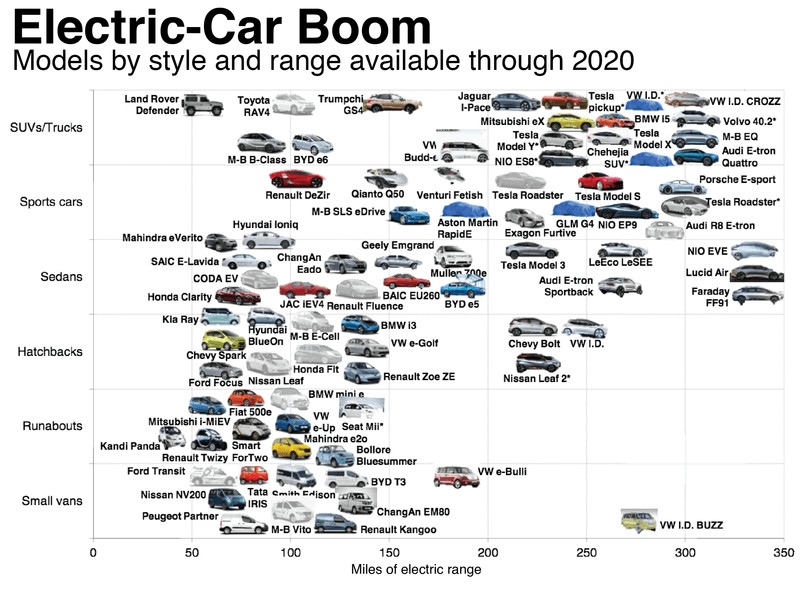
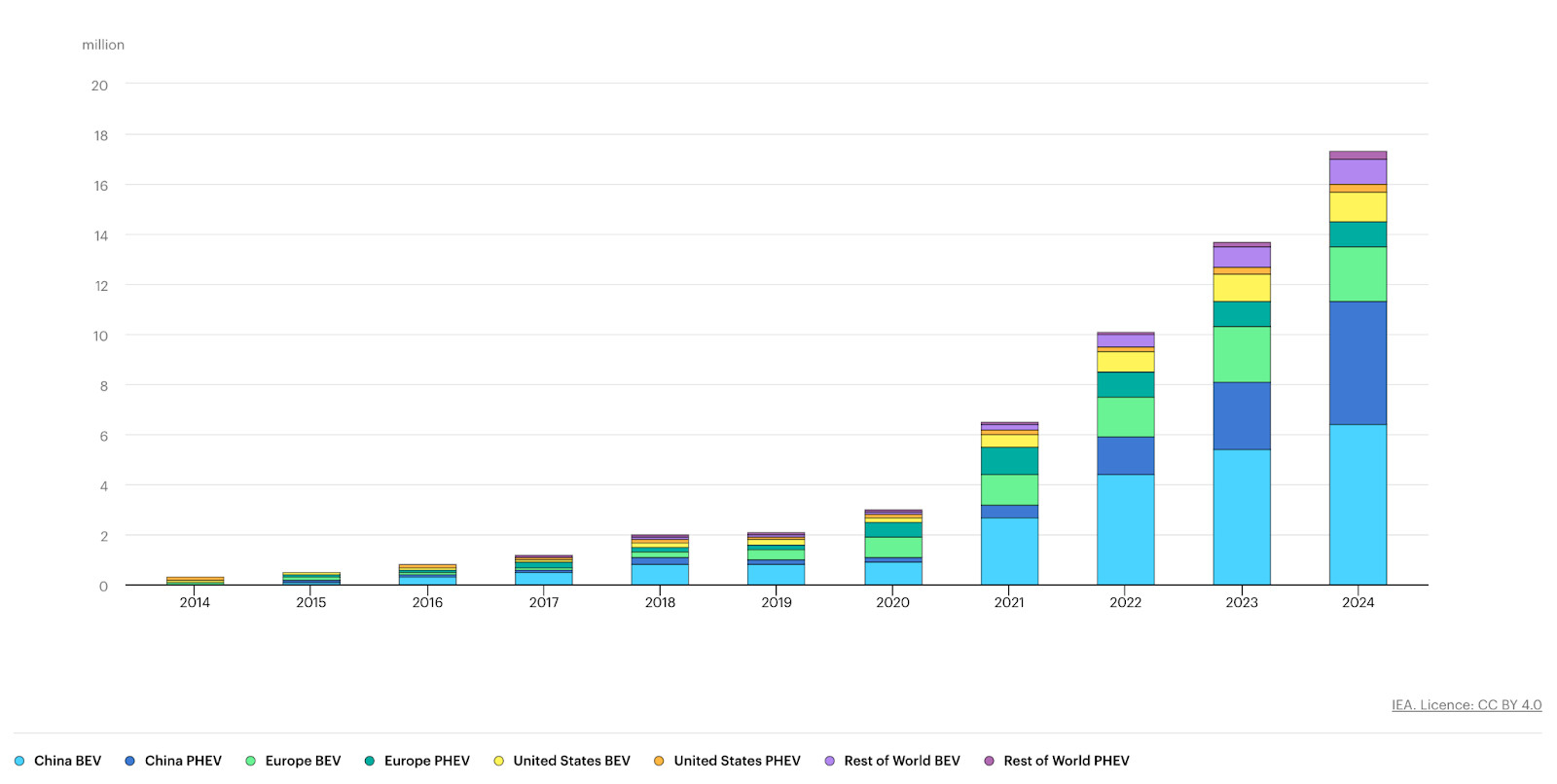
The International Energy Agency (IEA) reported recently that EV sales surpassed 17 million in 2024. China continues to lead by a wide margin, with EVs accounting for roughly half of cars sold there while Europe’s EV market also remains strong. In contrast, North America lags behind in market share growth. As EV sales grow and affordable models multiply, many experts have pointed out that global EV adoption is moving from early niche markets toward mainstream acceptance, especially as long‑term policy and infrastructure investments take center stage.
(Top: Clean Energy Canada, Bottom: International Energy Agency)
EV sales surpassed 17 million in 2024, pushing their share past 20 percent of all new cars sold worldwide for the first time, and were on track to exceed 20 million in 2025 (more than a quarter of global new car sales), according to the International Energy Agency’s 2025 Global EV Outlook.
Polling conducted by Abacus Data on behalf of Clean Energy Canada revealed approximately 45 percent of Canadians were inclined to purchase an EV as their next car with stronger support for EVs among younger, urban residents.
The three major concerns were high costs (58 percent), limited range (52 percent) and poor infrastructure (41 percent) and Ottawa’s latest strategy seems to have addressed each one.
“Carney is not forcing anybody to purchase an EV, but he is creating the conditions for the people who already want one to access one,” Lee said “We’re cautiously optimistic. The targets are promising, but how and when they’re enforced will determine whether Canada catches up or falls further behind.”
Email: [email protected]
At a time when vital public information is needed by everyone, The Pointer has taken down our paywall on all stories to ensure every resident of Brampton, Mississauga and Niagara has access to the facts. For those who are able, we encourage you to consider a subscription. This will help us report on important public interest issues the community needs to know about now more than ever. You can register for a 30-day free trial HERE. Thereafter, The Pointer will charge $10 a month and you can cancel any time right on the website. Thank you
Submit a correction about this story


