
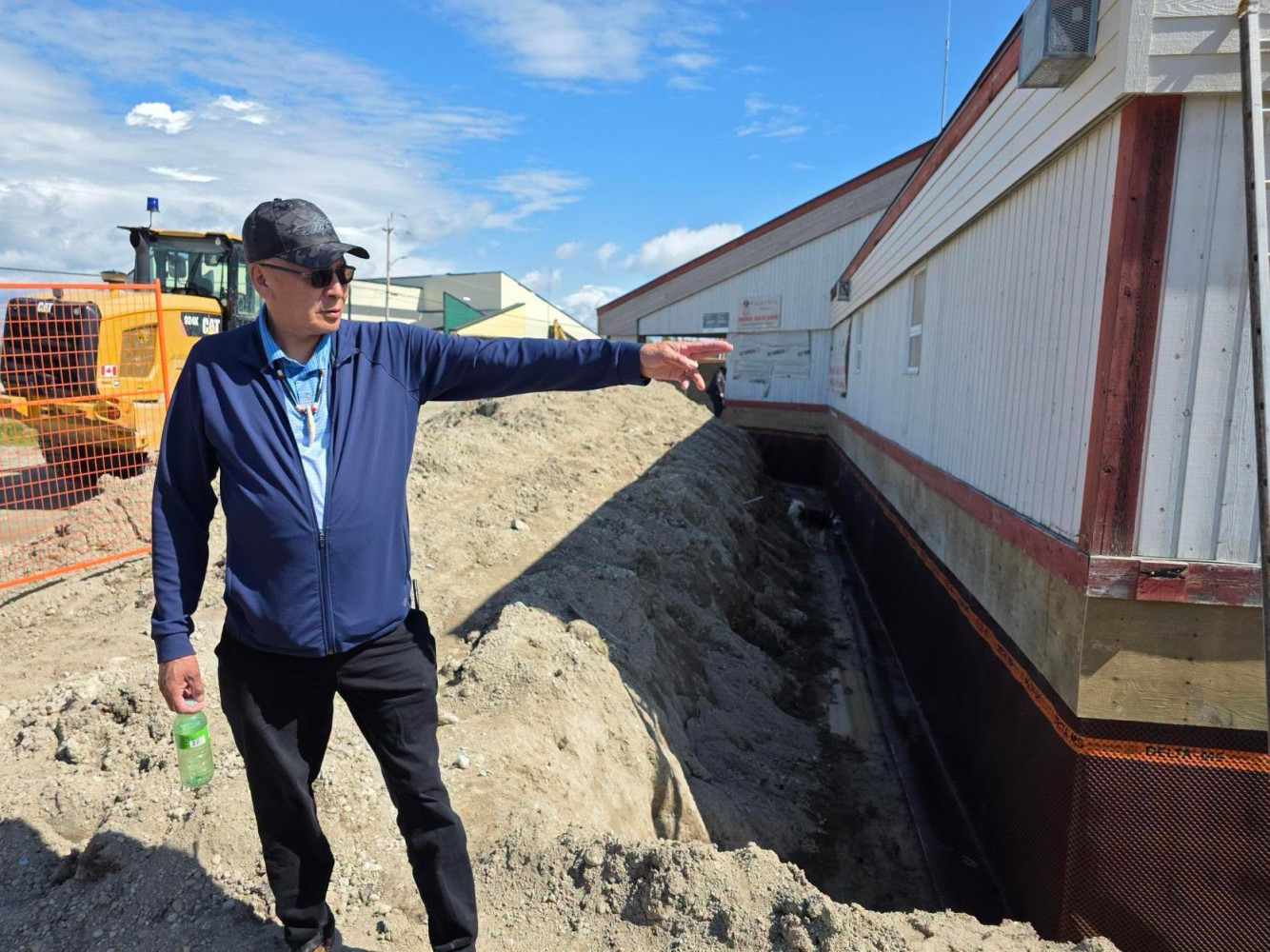
After fleeing wildfires, Neskantaga forced to evacuate again—sewage floods only nursing station
“It makes me feel really angry,” Neskantaga First Nation Chief Gary Quisess told The Pointer after his residents were forced to evacuate for a second time in less than a month due to “failures in essential social infrastructure”—first after wildfires disrupted the vital supply chain that provides critical resources, and then once again after sewage flooded the remote community’s only nursing station.
On July 29, as Quisess watched two flights carrying Neskantaga community members take off from Toronto Pearson International Airport, he sighed, finally allowing himself a moment to absorb the gravity of what his community had endured.
Ten days earlier, he had to make the difficult decision to evacuate the most vulnerable members after raging forest fires miles away disrupted the supply chain delivering clean water, food, medicine and emergency care to the fly-in region.
“Our community was pretty much in panic.”
That panic was fueled by a lack of initial communication from provincial and federal authorities; desperately trying to organize accommodations at a Toronto hotel, watching parents struggle to feed their children the foods they’re used to, and enduring the pain of elders grappling with being separated from their traditional “breathing lands” where nature’s voice isn’t suppressed by the commotion of city life.
Quisess barely had a moment to catch his breath until July 30, when he finally settled back into his home after making sure everyone had returned safely to Neskantaga.
Five days later, Neskantaga Chief and Council declared a state of emergency, triggering another evacuation — this time of more than 200 residents — after a contractor reportedly damaged the septic system beneath the community’s nursing station, causing raw sewage to flood the facility that houses Neskantaga’s only source of health care and emergency services.
“This could have been prevented,” Chief Quisess said.
It is the second time in one year that the community had to evacuate due to emergency closures of its nursing station.
On April 13, the Rachel Bessie Sakanee Memorial Health Centre flooded for the third consecutive year after a sudden thaw sent melting snow into the station’s basement, where failed sump pumps left pooling water to mix with diesel leaking from nearby fuel infrastructure.
A pungent fuel smell lingered around the building and residents shared experiencing symptoms consistent with exposure to environmental contaminants.
It prompted the Chief and Council to declare a state of emergency and order an evacuation the next day, which lasted for three months.
Five weeks later, the health centre was permanently closed after soil testing found fuel in the groundwater beneath the building, making the site unviable as a long-term health facility due to contamination.
The closure left Neskantaga without its only permanent healthcare facility, forcing nurses to move essential equipment into a converted duplex to create a temporary health station as the community called for a new facility to be built.
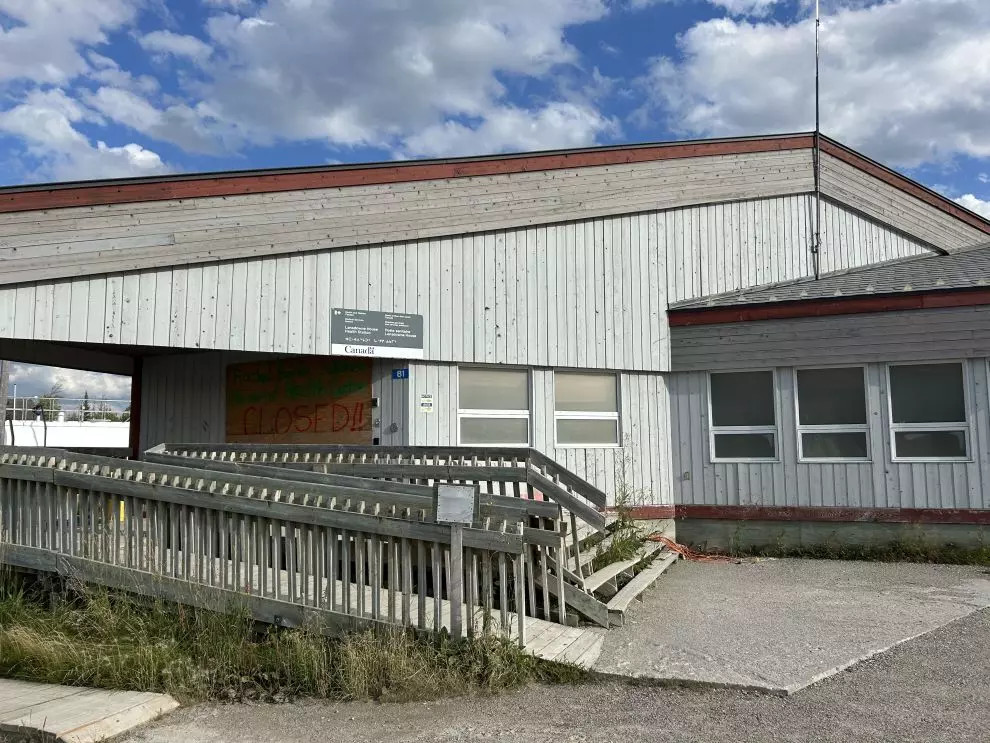
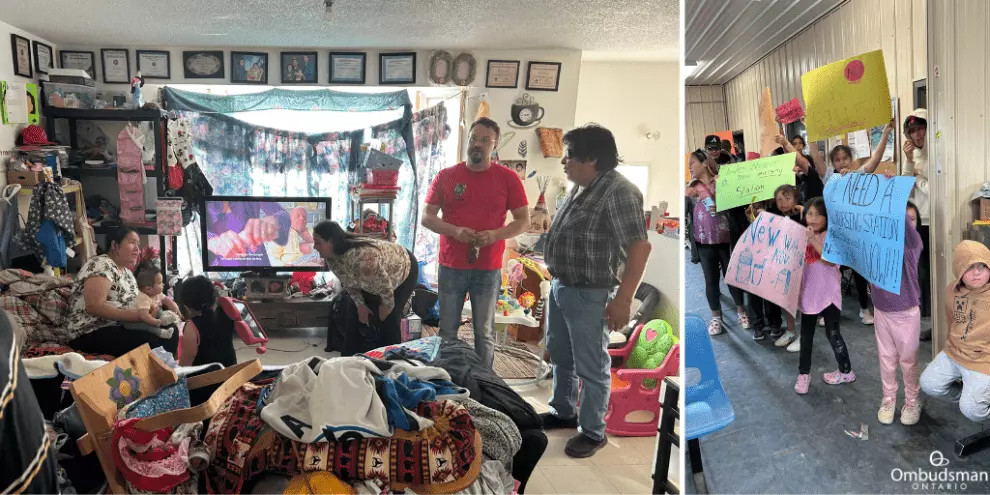
The Rachel Bessie Sakanee Memorial Health Centre was closed for months due to flooding and contamination.
(Ontario Ombudsman)
Ontario Ombudsman Paul Dubé spent more than two days visiting Neskantaga First Nation in September, touring homes and critical infrastructure including the nursing station — much of which he found to be “in disrepair” or “simply not functional”.
“Nursing care is provided in a duplex, which cannot accommodate health professionals or modern telehealth technology,” he observed.
Dubé called on the federal and provincial governments to take “immediate action” to address the unacceptable and unsafe conditions in a community plagued with the longest boil-water advisory (31 years) in Canadian history.
“No community in a country as prosperous as Canada should have to endure what Neskantaga First Nation is facing,” Dubé wrote.
In December, the nursing station was reopened “so that [the] duplex could be offered to two families experiencing homelessness”.
Neskantaga requested the federal government remove and decommission the septic tank, but the “remediation did not happen”.
Instead, a contractor was sent to carry out renovation work at the nursing facility, who began work while the septic tank was full.
Chief Quisess says the contractor was offered use of the local sewage pumping truck before starting their work, but declined.
During one such repair session in late July, as the contractor was at the “already-compromised nursing station” while the community was still repatriating from Toronto, the septic tank spilled into the basement and foundation.
That “human error”, which the community views as “corners being cut”, triggered the second evacuation of the summer on August 4 and members are expected to remain at a Toronto hotel until there is “full remediation of the health care infrastructure”. There are close to 30 people who stayed back to look after the dogs, homes and the community.
“It's probably going to be longer than what we thought before we can go back home,” Chief Quisess said.
“We should have been listened to in the first place when we asked for that septic tank to be decommissioned. Contractors are getting paid big dollar amounts; they should do it properly.”
The Chief continued: “It’s really impacting the lives of our people. When people came out, children were crying, they didn’t want to leave. Elders had tears in their eyes.”
In a statement shared with The Pointer, officials from Indigenous Services Canada (ISC) said they were in “immediate contact” with Neskantaga leadership on the evening of August 3 when the sewage leak at the health facility was identified.
“The contractor involved in the damage to the septic system was hired by the First Nation through funding from ISC,” the statement noted.
“ISC staff arrived in community on August 4, 2026, to work with the First Nation’s contractor to assess the situation at the health facility and discuss next steps. Their assessment will be shared with First Nations leadership and decisions on restoring the facility will be led by the First Nation in discussion with ISC and partners.”
In the meantime, eligible funding is available to the First Nation through the Emergency Management Assistance Program (EMAP) to support the community’s response to and recovery from the emergency, “should the Nation request it”. EMAP would cover “100 percent of eligible costs” including “expenses for accommodation, transportation, food, clothing, security protection costs, mental health and wellness supports, emergency social supports, as well as practices that support cultural continuity,” the ISC statement explained.
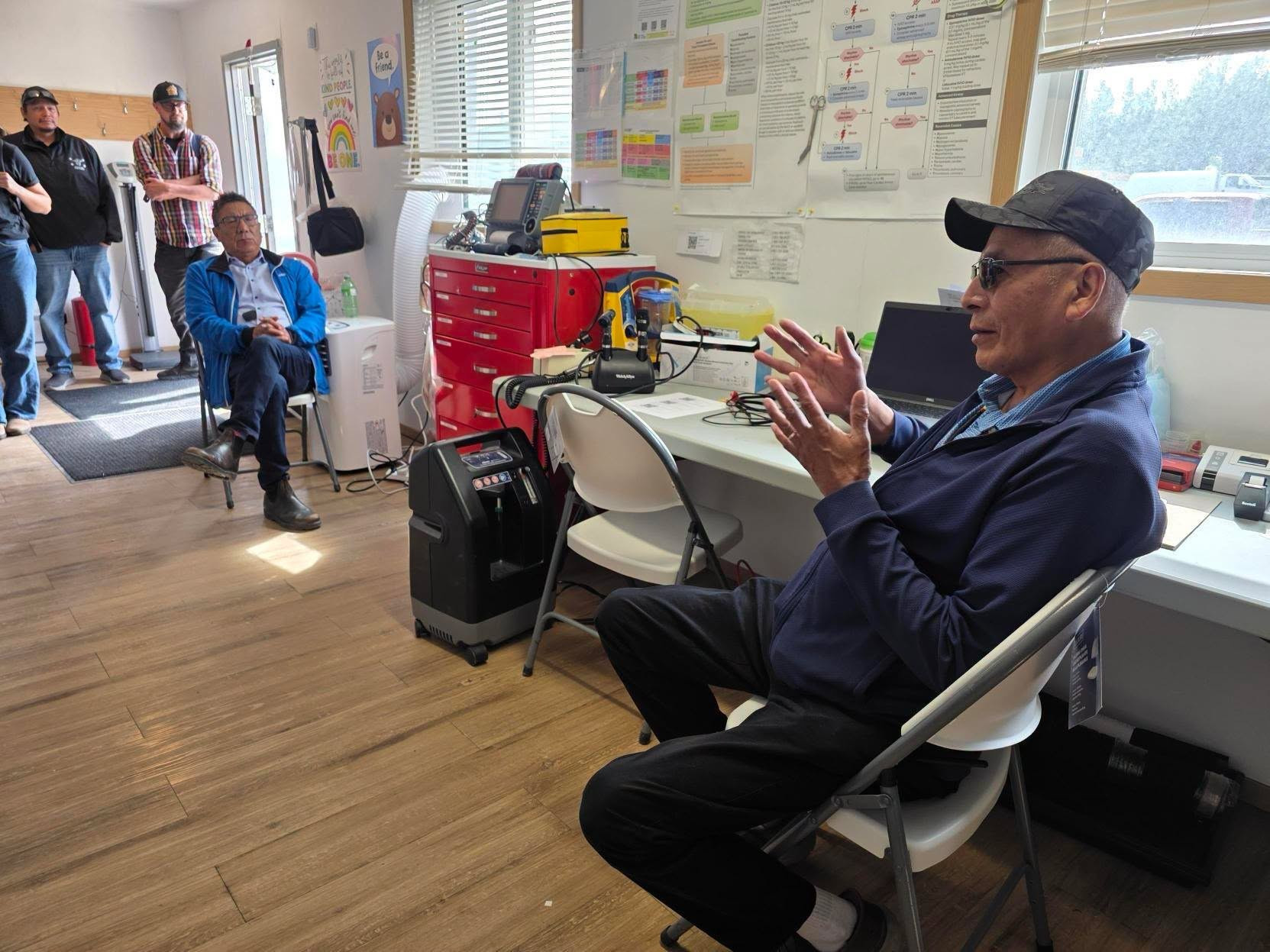
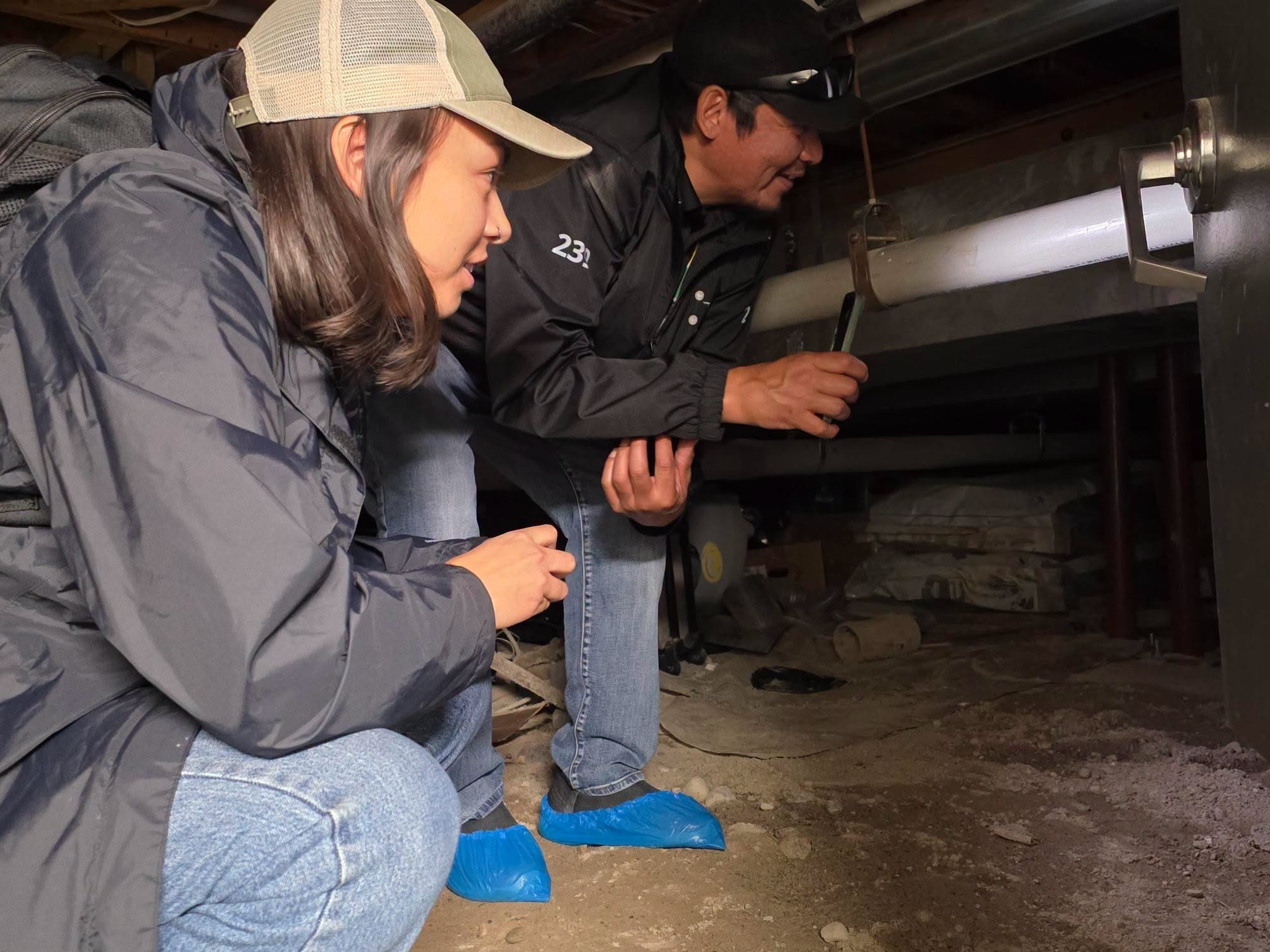
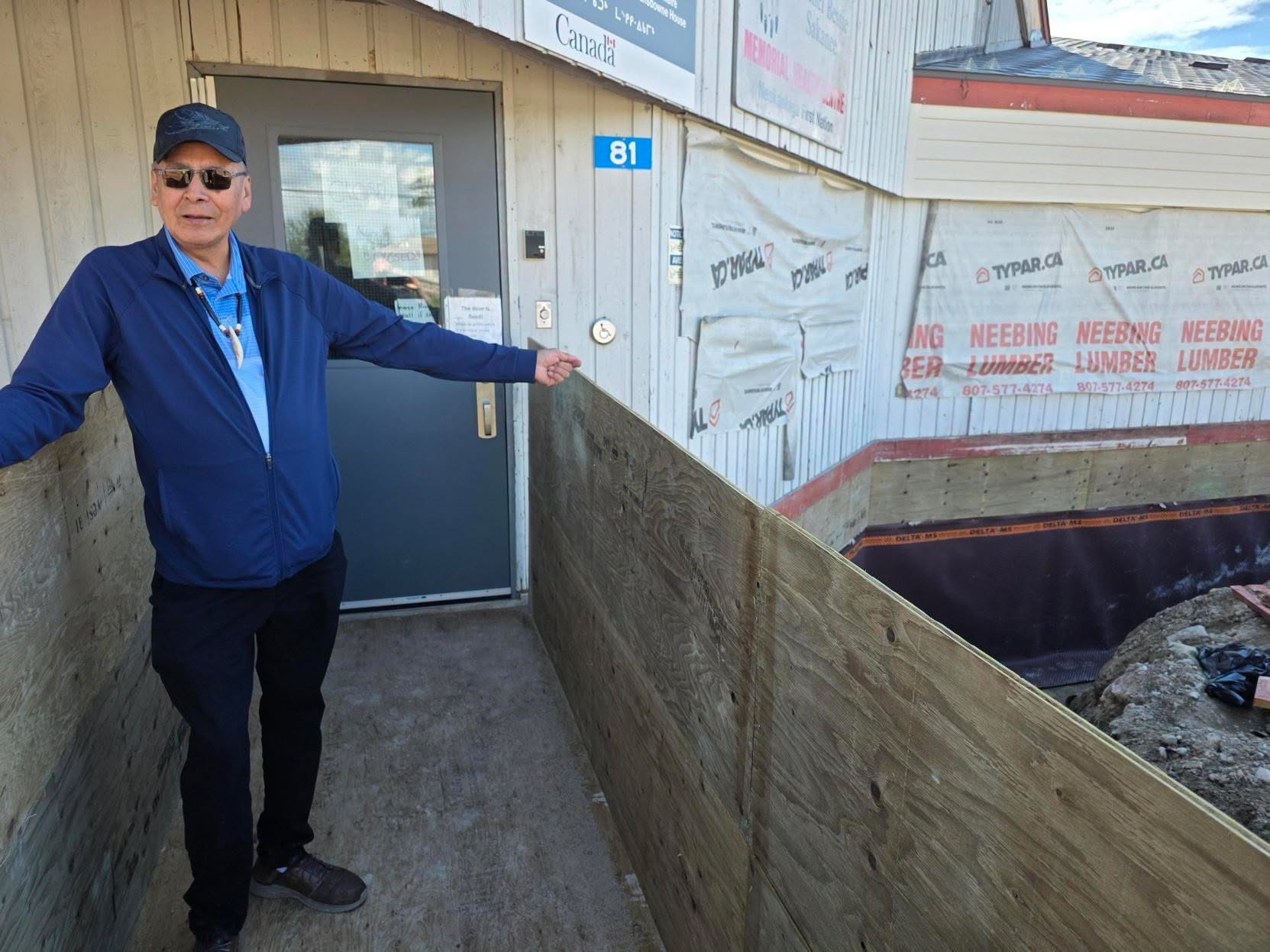
“These evacuations have caused tremendous suffering for community members who want to return to their homes,” Neskantaga Chief Gary Quisess told Grand Chief Alvin Fiddler and Deputy Grand Chief Anna Betty Achneepineskum during their visit on August 10.
(Nishnawbe Aski Nation)
On August 10, Grand Chief Alvin Fiddler and Deputy Grand Chief Anna Betty Achneepineskum visited Neskantaga First Nation to support the community.
“A temporary nursing station has been set up to support members as they return home, but it can only provide basic medical services,” a statement by Nishnawbe Aski Nation, a political organization representing 51 First Nation communities across Treaty 9 and Treaty 5 areas of Northern Ontario, noted.
“A medical aircraft has been placed on standby to evacuate anyone who needs more advanced care.”
On August 11, Chief Quisess travelled to Toronto as well to make accommodations while waiting for the results of environmental soil samples taken from around the facility.
As remediation work is underway to clean up sewage, he is planning to meet with federal officials along with his community leaders and engineering contractors to determine the timeline for repairs to vital infrastructure and the minimal conditions necessary for repatriation. Until then, ISC says there are Ornge services available for medical evacuations.
“It has been a very difficult summer, and Chief and Council are under tremendous pressure to provide answers to their members about when they can go home,” Grand Chief Fiddler said.
“It is difficult to understand how their members are coping, especially the children.”
“Our people are being forced out of our homes again, not because of a natural disaster, but because the infrastructure we depend on has been neglected for years,” Chief Quisess said.
“Canada cannot keep treating First Nations health care as an afterthought while pushing forward mining roads and industrial development on our homelands.”
Email: [email protected]
At a time when vital public information is needed by everyone, The Pointer has taken down our paywall on all stories to ensure every resident of Brampton, Mississauga and Niagara has access to the facts. For those who are able, we encourage you to consider a subscription. This will help us report on important public interest issues the community needs to know about now more than ever. You can register for a 30-day free trial HERE. Thereafter, The Pointer will charge $10 a month and you can cancel any time right on the website. Thank you
Submit a correction about this story

