
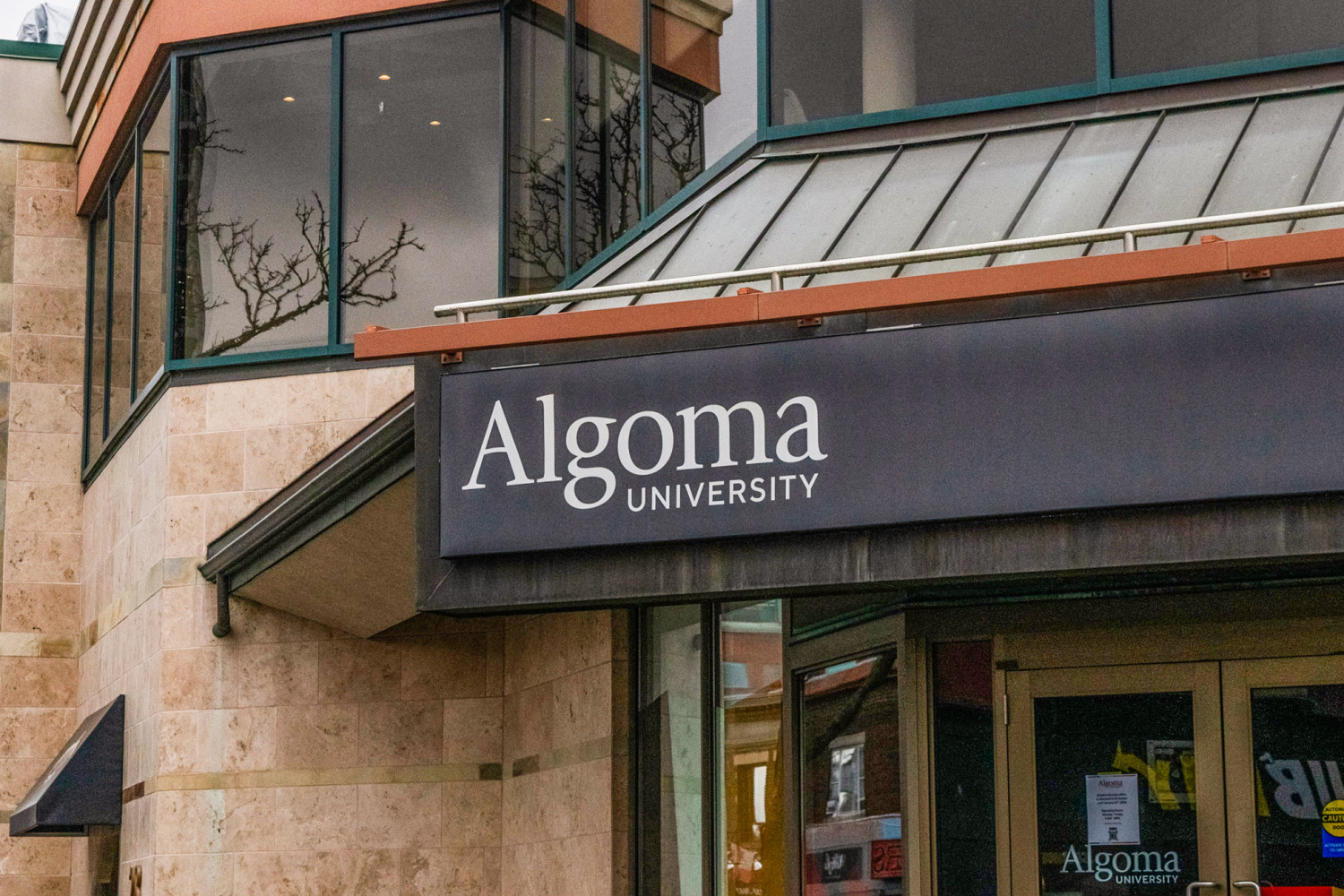
As revenue crisis deepens from loss of international students, Algoma ignores questions about future of Brampton campus
Algoma University is facing a multi-million dollar tuition shortfall, a projected operating deficit of as much as $7.5 million and a funding gap that is expected to grow to as much as $17 million by 2029.
Much of it, the university’s own doing.
In 2022, Ontario’s Auditor General warned that the university had become “economically dependent on international student tuition revenue from students from India”.
The post-secondary institution did little to heed the warning, and instead went full speed ahead with a business plan reliant on the inflated tuition fees charged to international students. They pay more than three-times what their domestic counterparts are charged.
As previously reported by The Pointer, students from India made up approximately 92 percent of Algoma’s 5,400 Brampton students in 2024.
In January 2024, the federal government cracked down on dozens of colleges and universities, including Algoma, that had abused the immigration system, slashing the number of study permits allowed each year, from 543,978 international student permits authorized or confirmed nationwide in 2023, to 305,900 last year.
For 2026/27, 309,670 provincial attestation letters (PALs)—a requirement for obtaining a study permit—will be issued in Canada, according to numbers from the federal government. Of those, 104,780 will be allocated to Ontario’s post secondary institutions—a 42 percent reduction compared to 2025/26.
A breakdown from the Ministry of Colleges, Universities, Research Excellence and Security shows Algoma will receive a total of 1,508 PALs this coming academic year. With an average of approximately 80 percent of PALs resulting in an enrolment, Algoma would see 1,200 international students in September. This represents a loss of approximately 4,000 international students, and an $80 million decline in revenue (they pay $20,000 for two semesters).
After a roughly 50 percent decline in enrolment at the start of the 2025/26 academic year compared to the previous year, from about 9,000 students to 4,500, Algoma warned of a massive decline in revenue. The university had already lost $32 million in revenue as of the end of April 2025 (its fiscal year end) compared to the prior year, before the much more drastic drop in international student enrolment.
The $24 million loss in tuition revenues from 2024 to 2025 is projected to be dwarfed when the latest year-end figures are released, and with an even more dramatic cut to approximately just 1,200 international students next year, the revenue losses could be crippling.
“The sharp decline in international enrolment, down approximately 60% due to federal immigration policy changes and volatility, has led to a fall enrolment of just over 4,500 students across all campuses, roughly half of last year’s total of more than 9,000,” Algoma warned on its website this past November, after the final September enrolment numbers were released.
“Without change, the University is projected to face a $17 million annual funding gap by 2029.”
The estimate by the university could be far short of the eventual gap, with a loss of $80 million in annual international fees compared to the recent highs. Total cash and expected accounts receivable assets had already fallen by $68 million as of April 30, 2025, compared to the previous year.
All of the losses will be significantly amplified when this year’s and next year’s student reductions are felt, financially—the inevitable result of the sudden drop in PALs over two years.
Algoma’s communications department did not respond to questions about the 2026/27 PAL allocations.
According to its website, Algoma is committed to growing its domestic cohort—80 percent of student enrolments this fall were Canadian students—but this has been a “challenge”.
“The current funding model presents a hurdle, as every net new domestic student that Algoma University welcomes above the provincial allocation is unfunded, making it difficult to grow the domestic student population,” the website explains. “Algoma University has been asking the province to increase its current funding allocation (corridor funding). Right now, the way funding is structured works against the University’s plans to grow domestic student enrolment across all campuses. Algoma University raises this issue in every meeting with provincial and municipal officials to keep it at the centre of our advocacy efforts.”
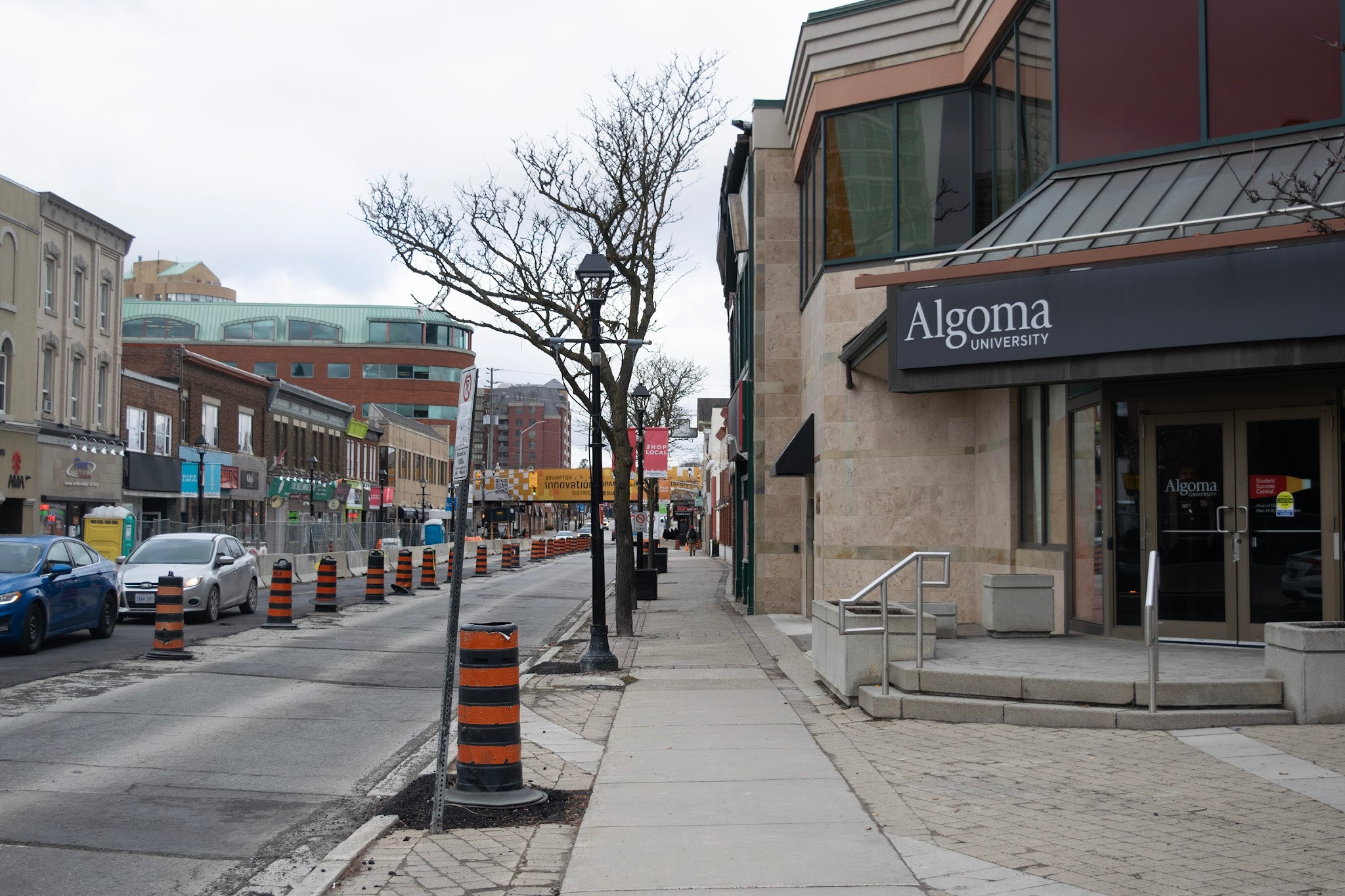
Algoma’s footprint in downtown Brampton remains uncertain after international student numbers were drastically reduced by the federal government. The university had become dependent on their high tuition fees and is now facing dire financial challenges.
(Alexis Wright/The Pointer files)
All of this is happening while the post-secondary institution is without a president to lead it through these difficult times.
The former president, Asima Vezina, who rebuilt Algoma’s entire business model around exploiting the lucrative market of international students, quietly stepped away in February of last year, after faculty called for her to be fired when they passed a no confidence motion against her for putting profits ahead of students.
In November, as a result of the mass loss in international student revenue, Algoma officials conceded that layoffs were “unavoidable”.
In September, 14 administrative positions were eliminated, followed by the layoffs of 25 unionized staff in November. According to Algoma’s website, these staffing cuts were split across the Brampton campus and the university’s main location in Sault Ste. Marie.
University officials have not confirmed future layoffs, but a FAQ section of Algoma’s website explains the institution could still be working through the layoff process detailed in the collective bargaining agreement for unionized staff. This allows for “bumping”, meaning a senior staff member who receives a layoff notice can replace another staffer in a similar or “lower-rated” position.
“Once this process is complete, we will be able to provide further updates,” the Algoma website explains.
In September, Algoma’s interim president, Dr. Sheila Embleton, indicated the layoffs could affect as many as 75 staff members.
According to Alice Ridout, Department Chair of English and History at Algoma and the Vice President of OPSEU Local 685, the Algoma University Faculty Association, many of the questions around Algoma’s future, including the feasibility of the Brampton campus, remain unanswered.
Decisions about the future of Brampton will fall to the new president, she says.
Algoma is in the midst of trying to find the right candidate to replace Vezina. According to a March 26 update on the university’s website from Rob Battisti, Chair of the Board of Governors, and Kate Lamb, Vice-Chair of the Board of Governors, “a thorough review of applicants” has been completed and “the Advisory Group was pleased to receive a number of strong applicants and recently completed interviews.”
“One thing AU is looking for in a new president is a vision—and the ability to manage the logistics of implementing that vision—for Brampton,” Ridout told The Pointer in an emailed statement. “Becoming a multi-campus university was a central goal of our last Strategic Plan and that Plan was extended by the Board until the arrival of the next President. So we won’t see any significant strategic change of direction from the Board until then and I don’t believe we’ll see…larger questions about the future of the Brampton campus meaningfully addressed until the new President arrives.”
With a large footprint in downtown Brampton, whatever happens to Algoma will have ripple effects for the ailing city centre which for years has been anticipating a boost in business from thousands of international university students.
In 2019, City council agreed to contribute $7.3 million to Algoma University’s $34.4-million campus expansion project that would double its student capacity.
In 2022, when there were only a few hundred students, Vezina made the bold proclamation to Brampton Council that the local campus would reach 5,000 students over the next three years. This was two months before the scathing auditor general’s report which showed that while Algoma had used international students to pull itself out of debt, little of that money was going back into improving their learning experience; the lion’s share was going to the main campus in Sault Ste. Marie.
The unsustainable student expansion at the Brampton campus was achieved without “significant capital investments”, the Auditor General concluded in 2022. With almost 5,400 students in Brampton by 2024, the small satellite campus had only 16 classrooms.
The AG’s findings were obvious to anyone who spent time at the Brampton campus.
By 2024, thanks to students from India, mostly Punjab, enrolment at the Brampton campus had far exceeded the main campus in Sault Ste. Marie which had about 2,000 students.
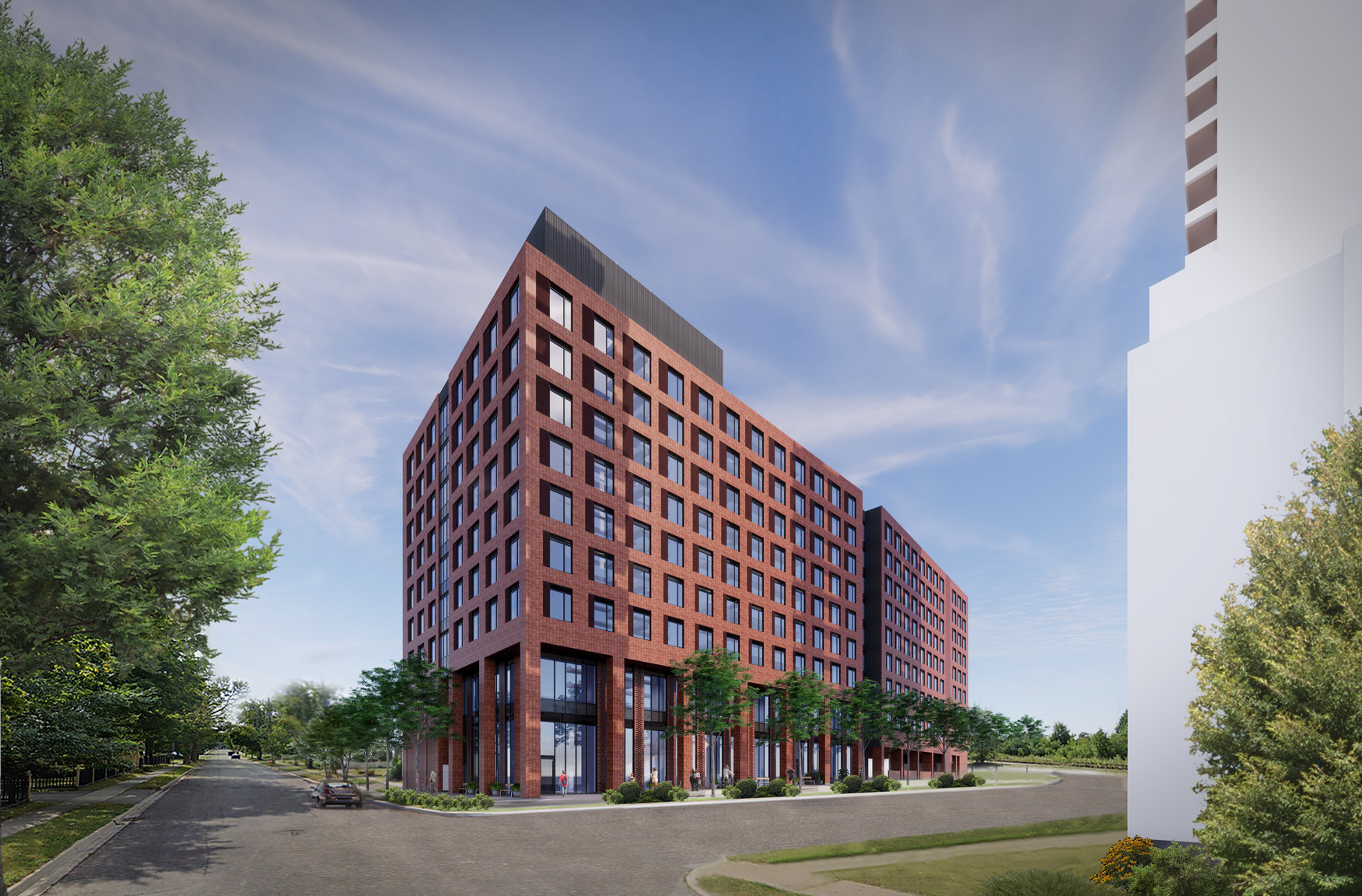
The proposed plan for a new Algoma student residence in Brampton at Park Street and Nelson Street West announced in May of 2024 remains up in the air.
(Algoma University)
The Brampton site was bursting at the seams, as the student body exploded, from approximately 540 who attended in the 2020/21 academic year, to 5,372 in 2024—a nearly 900 percent increase in three years.
The explosion in international student revenue helped balloon the post-secondary institution’s total cash assets, from $5,806,372 in 2016 (when, according to Ontario’s Auditor General, the university was over-burdened by debt) to $227,985,000 in 2023, a 3,800 percent increase in seven years.
Algoma’s communication department did not respond to questions about the future of the Brampton campus, and whether it is at risk of closure due to the drastic drop in international students. Questions about the student residence planned for Brampton were not addressed.
Questions sent to Paul Quesnele, Algoma University Secretary, and interim President Embleton, were not addressed.
Email: [email protected]
At a time when vital public information is needed by everyone, The Pointer has taken down our paywall on all stories to ensure every resident of Brampton, Mississauga and Niagara has access to the facts. For those who are able, we encourage you to consider a subscription. This will help us report on important public interest issues the community needs to know about now more than ever. You can register for a 30-day free trial HERE. Thereafter, The Pointer will charge $10 a month and you can cancel any time right on the website. Thank you
Submit a correction about this story

