
Mississauga rewrites lawn bylaw after court ruling protects naturalized gardens—but keeps limit for grass at 20 cm for most homes
One man. Five years. A fight to defend what most people are taught to tame — the small squares of lawn and garden outside his home.
A recent court victory was followed by compromise inside City Hall, but some on both sides of the manicured lawn debate still are not satisfied.
When Mississauga resident Wolf Ruck received a City notice in 2021 ordering him to cut the “tall grass and weeds” on his property, he could not have predicted it would place him at the centre of a growing movement led by local non-profits advocating for naturalized gardens.
By July 2023, after receiving his fourth Notice of Contravention and watching bylaw officers chop his yard down yet again, Ruck turned to the courts that November, representing himself in a legal battle that would stretch for more than two years.
On January 6, in Ruck v. City of Mississauga, the Ontario Superior Court ruled key parts of the City’s grass and weeds bylaw are unconstitutional. The court found that maintaining a naturalized garden is protected under the Canadian Charter of Rights and Freedoms as a form of expression.
“As an environmentalist, Mr. Ruck has adopted a landscaping form on his property to convey his views about the importance of co-existing with nature, the need for biodiversity and wildlife-friendly naturalization efforts in urban areas, and the value of maintaining harmony with the natural environment,” Justice Michael Doi said in his ruling.
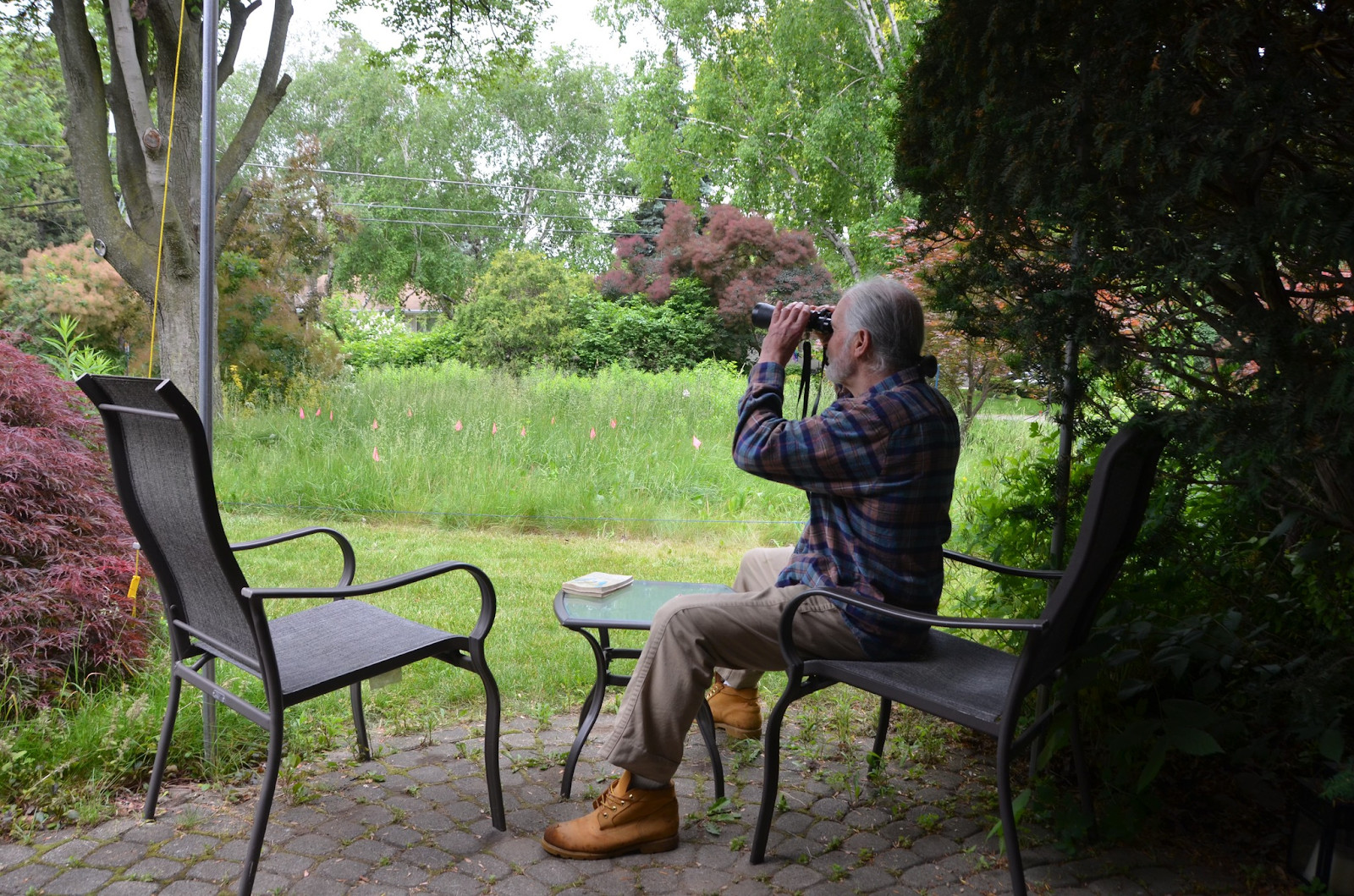
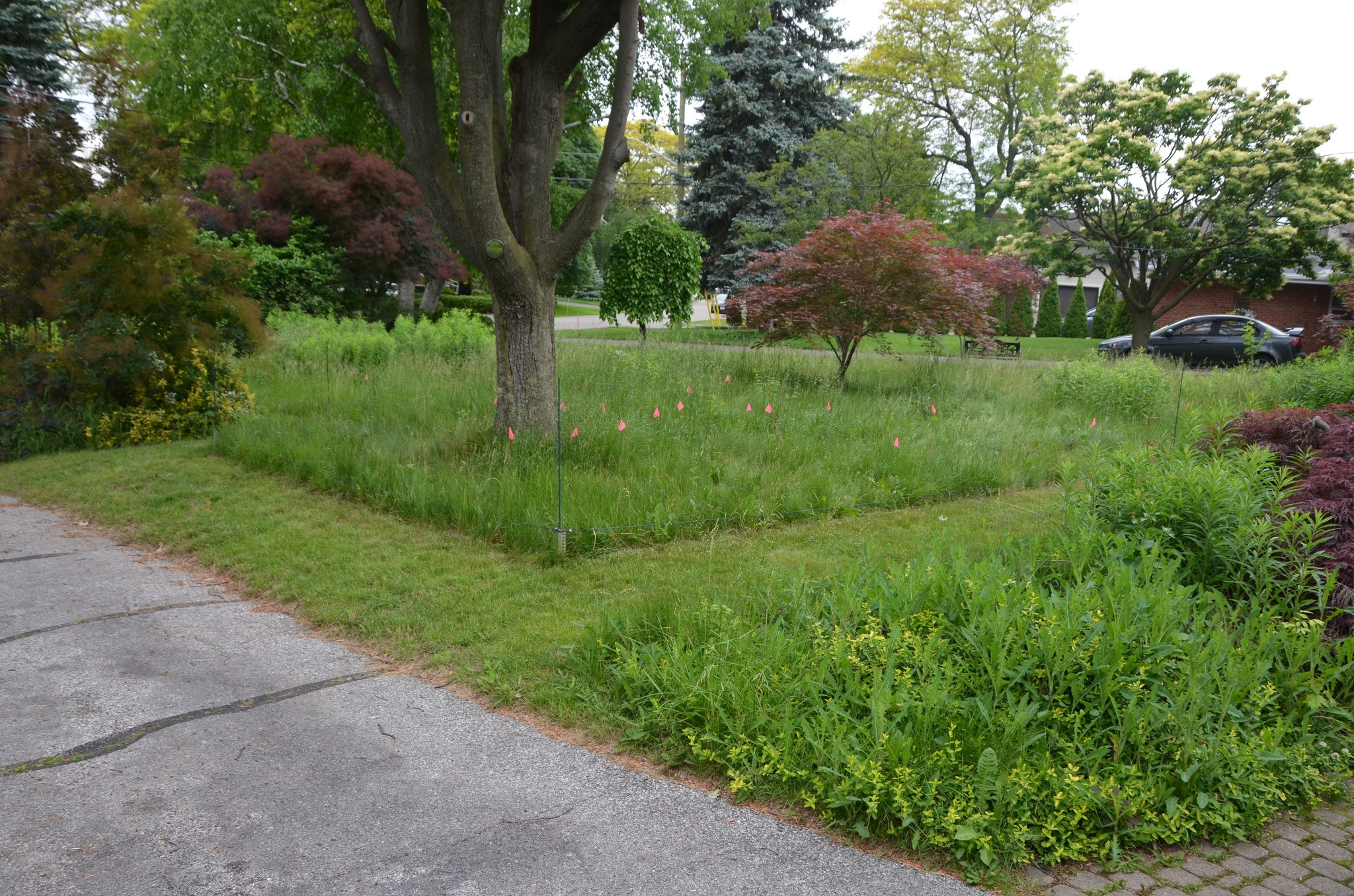
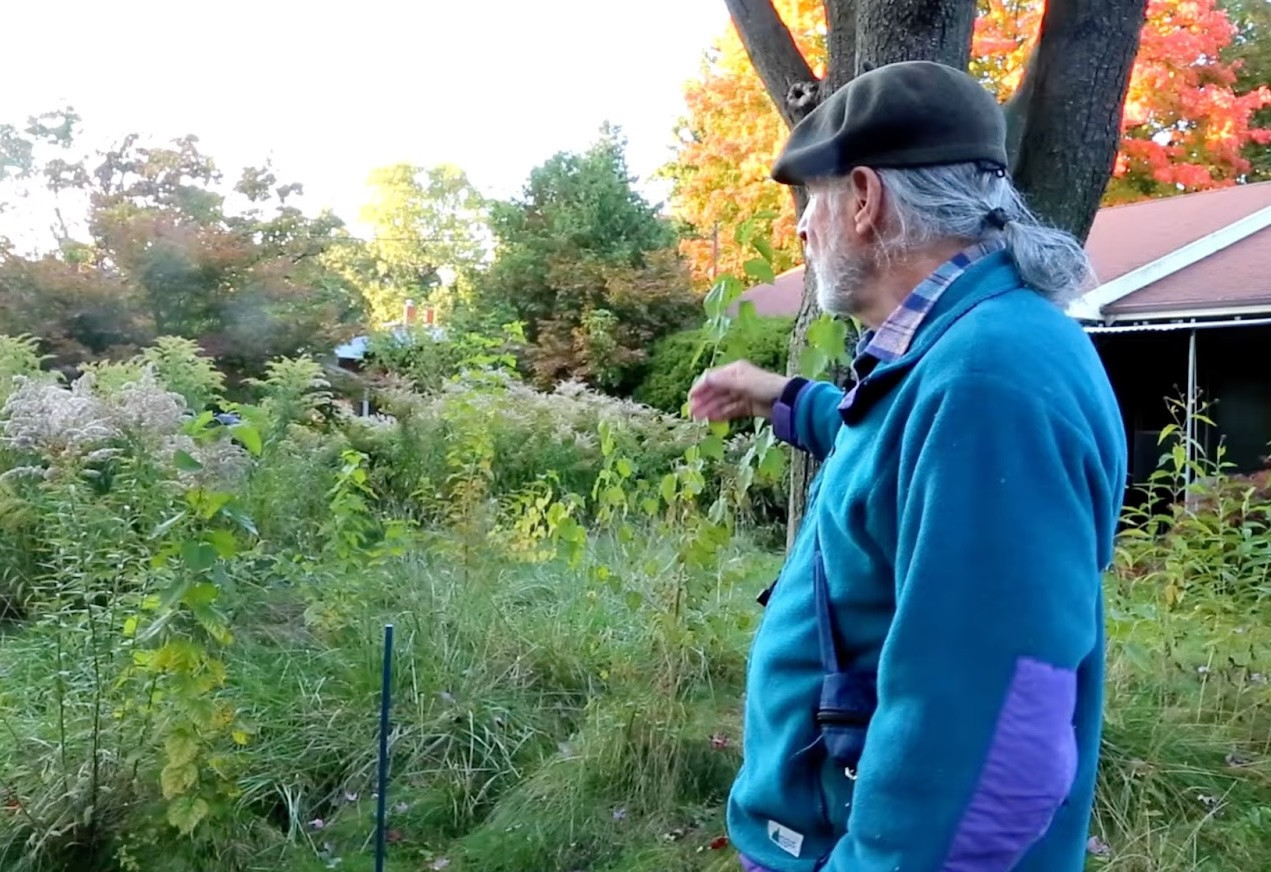
Mississauga resident Wolf Ruck’s naturalized yard in 2023.
(Lorraine Johnson)
Applying the Charter’s Section 1 analysis — which allows governments to limit rights only where they can demonstrate that the restriction is reasonable and “demonstrably justified in a free and democratic society” — the court found the City failed to justify its lawn restrictions. While Mississauga argued the bylaw addressed safety, property standards and neighbourhood aesthetics, the limits were not minimally impairing.
Justice Doi struck down Section 5 of the City’s bylaw, which caps grass height at 20 centimetres and Section 6, which bans listed nuisance weeds, finding the City failed to justify the limits. The City’s goals on public health, safety and neighbourhood standards were legitimate, but it failed to provide any evidence that the specific restrictions it imposed were necessary or minimally impairing.
“It is not sufficient for a municipality to say, ‘we are doing what everyone else is doing,’” Justice Doi cited from a recent Ontario decision.
While the court sided with some of Ruck’s arguments, it denied his $2.46 million damages claim, concluding the enforcement actions were procedurally fair. The City was ordered to remove enforcement charges from Ruck’s tax bill and the unconstitutional provisions were declared of no force or effect.
“It was a partial win but it is still a win for the urban rewilding movement,” Ruck said.
In April, he filed for another notice of appeal, seeking to challenge the ruling that fell short on damages: “Without damages, there’s little deterrent. Municipalities can continue enforcing bylaws that may infringe on Charter rights, knowing most people don’t have the resources to take them to court. That’s the reality.”
Shortly after the court decision, the City of Mississauga started reaching out to naturalization experts to consult on a new bylaw. A group of seven academics, environmental organizations and conservation biologists was formed including cultivation activist Lorraine Johnson and Blooming Boulevards Board Chair and Founding President Jeanne McRight.
On March 17, a staff report recommended scrapping the old bylaw entirely and replacing it with a more narrowly defined one that focused only on what could be justified under Charter scrutiny: human health and safety.
It wasn’t easy.
“There are long-standing ways of thinking that change is difficult,” McRight told The Pointer.
“But this one was especially challenging because there’s a strong emotional component in how people view their yards and their property.
“Maintaining a neat lawn is deeply ingrained.”
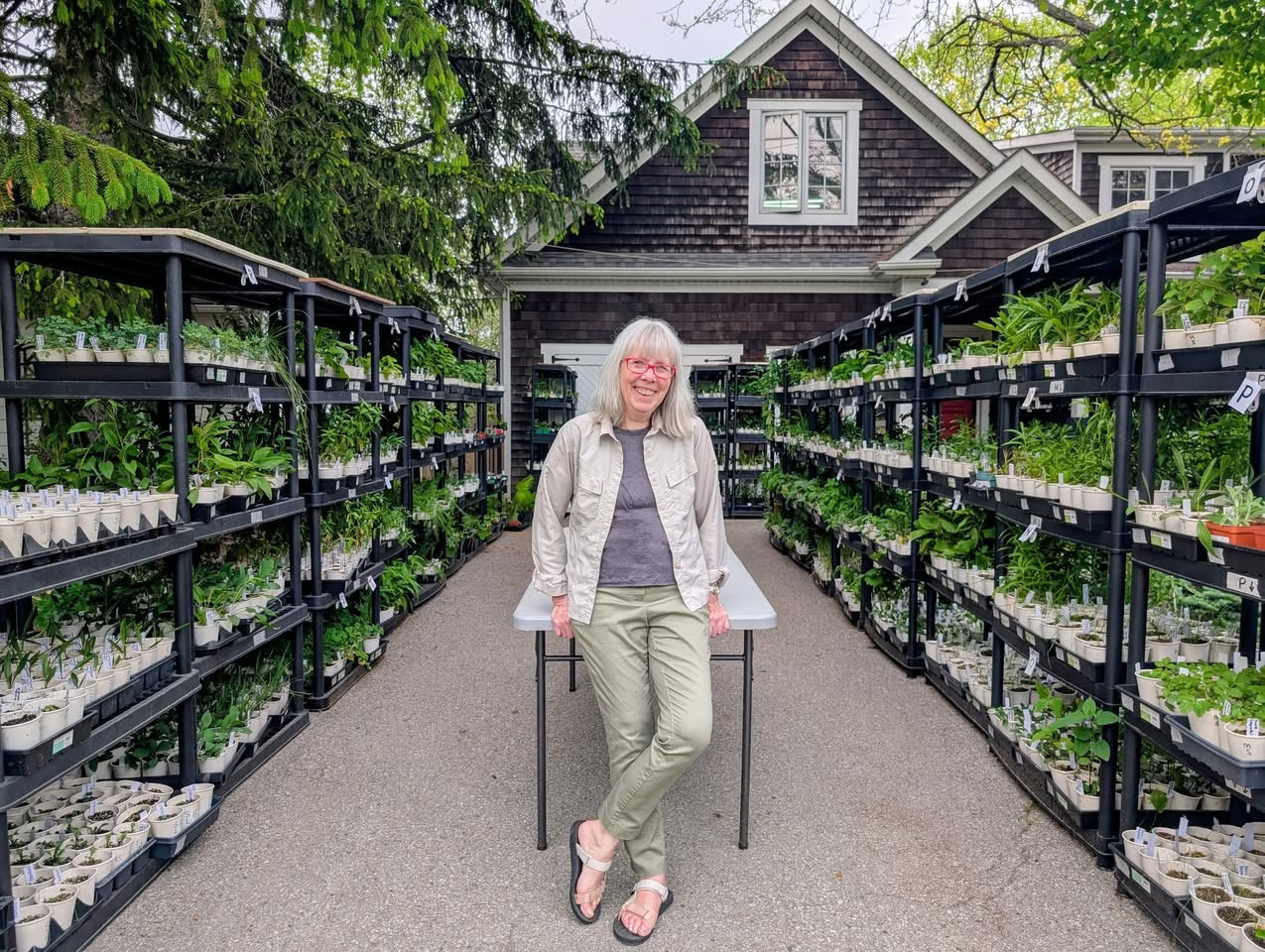
Blooming Boulevards Board Chair and Founding President Jeanne McRight has been working to normalize naturalized planting by offering free native plants, workshops and support to residents, including those in apartment towers who garden on balconies and in raised beds.
(Erin Kobayashi/Ontario Nature)
Less than a month later, staff came back with a new Turfgrass and Prohibited Plant Species By-law which noted the Superior Court’s decision “does not preclude municipalities from regulating vegetation. Rather, it affirms that regulation must be clearly defined, evidence-based, and narrowly tailored to address municipal objectives.”
Johnson, who has advised on bylaw reforms in Toronto, Kingston and nationally through campaigns with the Canadian Society of Landscape Architects, the Canadian Wildlife Federation, the David Suzuki Foundation and Toronto Metropolitan University’s Ecological Design Lab, praised the model for its “clarity”.
“Mississauga will be a model for other municipalities,” she said while asking Council to vote in favour.
The latest framework introduced a key distinction: not all grass is treated the same. Only a conventional turfgrass mowed lawn (not a naturalized garden) must be maintained at or below 20 centimetres. Everything else (including naturalized gardens) falls largely outside that requirement.
McRight clarified that turfgrass supports traffic and grazing in Europe but “here in North America, it has almost no ecological function.” Native grasses, on the other hand, support biodiversity and provide habitat for pollinators.
If a violation is found, residents may receive a $305 fine and will have seven days to comply. If they don’t, the City can fix the property and charge the cost plus fees to the owner’s tax bill. Re-inspection fees range from $400 to $1,200 for repeated inspections.
Habitat gardener and ecology expert Karen Barnes worries “the 20 centimetre height limit on grasses would hinder the transition from lawns into meadows”.
Grasses are an “integral part in meadowscapes” and limiting their height would restrict common practices in rewilding and ecological restoration.
“The 20 centimetre height limit on grass is precisely what was struck down in the most recent court case, Ruck versus Mississauga,” Barnes said during her presentation at council’s General Committee meeting on April 8.
“It appears as if the City is attempting to write the bylaw into the bylaw, the very provision that was recently struck down in [the] Superior Court.
“This would infringe on residents' constitutional rights to freedom of expression, particularly the act of naturalization through passive restoration.”
Ruck had been ordered to cut “everything” to 20 centimetres or less because “people get allergic”.
But Barnes notes mowing does not prevent allergies — it can worsen them by increasing airborne pollen concentrations and breaking pollen into smaller particles that penetrate deeper into airways. It also stirs up dust, mold spores and pollutants, which can attach to pollen and increase its allergenic potential.
On the other hand, trees are not cut to prevent allergens when they are the most common sources.
A 2022 Nature study estimates that around 30 percent of the general population is affected by tree pollen at some point, with specific allergens like birch pollen impacting up to 16 percent of people.
“Yet we don't cut down birch trees, maple trees or oak trees for bent allergies,” Barnes said.
“A 20 centimetre height limit on turfgrass is arbitrary and inconsistent with society's approach to other plant allergies.”
The City replaced its broad noxious weeds category with a tight list of five prohibited plant species such as giant hogweed, poison ivy, poison hemlock, wild parsnip and poison sumac, chosen specifically for their “significant risks to human health”.
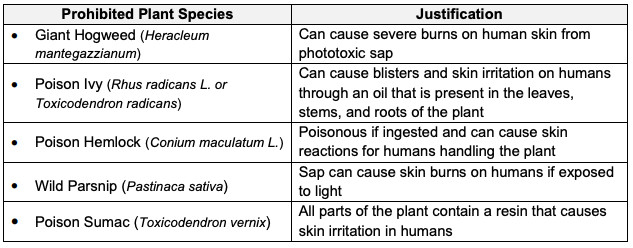
The City of Mississauga has prohibited five plant species from being grown in naturalized gardens due to their health risks.
(City of Mississauga)
Councillor Dipika Damerla raised concerns about reducing the number of prohibited noxious weeds from 25 to five. She noted that some plants now allowed, such as the dog-strangling vine, can pose risks to monarch butterflies, be toxic to deer and suppress native plants. Damerla wondered whether ecological concerns were balanced with the court-mandated focus on human health.
Johnson explained that most species on the provincial noxious weed list exist for agricultural purposes under the Weed Control Act and apply only to agricultural or horticultural areas, not urban settings — that distinction allows municipalities to focus on plants that pose a clear risk to human health or safety.
The five species selected for prohibition represent the most significant human health risks while expanding the list further would increase enforcement complexity and make compliance more difficult. Officers would be required to identify dozens of species and experts often disagree on which plants merit regulation.
Johnson noted that “municipal lands themselves are, in most cases, the source of the problem of invasive plants” which then spread to private properties. This reinforces the need for a targeted approach, keeping the list of prohibited plants lean and focused on the most harmful species.
She recommended, in line with the staff report, that reviewing the list regularly with regional ecologists and updating it as new information becomes available to ensure that enforcement remains evidence-based, manageable and defensible.
Damerla then asked if the impacts on pets were considered in deciding which plants to prohibit.
City staff confirmed that animal health was taken into account but the challenge of applying it in practice was a major hurdle. Many common garden plants, such as lilies, are toxic to various animals, including cats, dogs, birds, and even bats. Extending the prohibited list to cover all species with potential pet risks would have made enforcement “very unwieldy”.
Barnes argued that frequent mowing is detrimental to the health and safety of residents as well as the environment.
Running a typical gas-powered lawnmower for one hour produces as many emissions as driving a car 480 kilometres, according to Environment and Climate Change Canada — contributing to air pollution by releasing carbon dioxide, carbon monoxide, nitrogen oxides, volatile organic compounds and particulate matter, linked to respiratory disease, cardiovascular issues, cancer and premature death.
Noise pollution from mowers and leaf blowers can exceed 100 decibels, putting operators and nearby residents at risk of hearing loss. It also poses direct physical hazards through lacerations, fractures and amputations.
As a result, more than a quarter of Ontario residents support a gas lawnmower ban, a 2025 survey revealed.
Barnes reminded that the City of Mississauga declared a climate emergency in 2019 and promoting frequent mowing goes against municipal climate goals.
Council stuck to the 20 centimetre limit for traditionally manicured lawns and voted unanimously in favour of the new bylaw that allows others to grow naturalized gardens on their yards.
Ruck is “really encouraged” by the move after spending endless hours fighting the old bylaw.
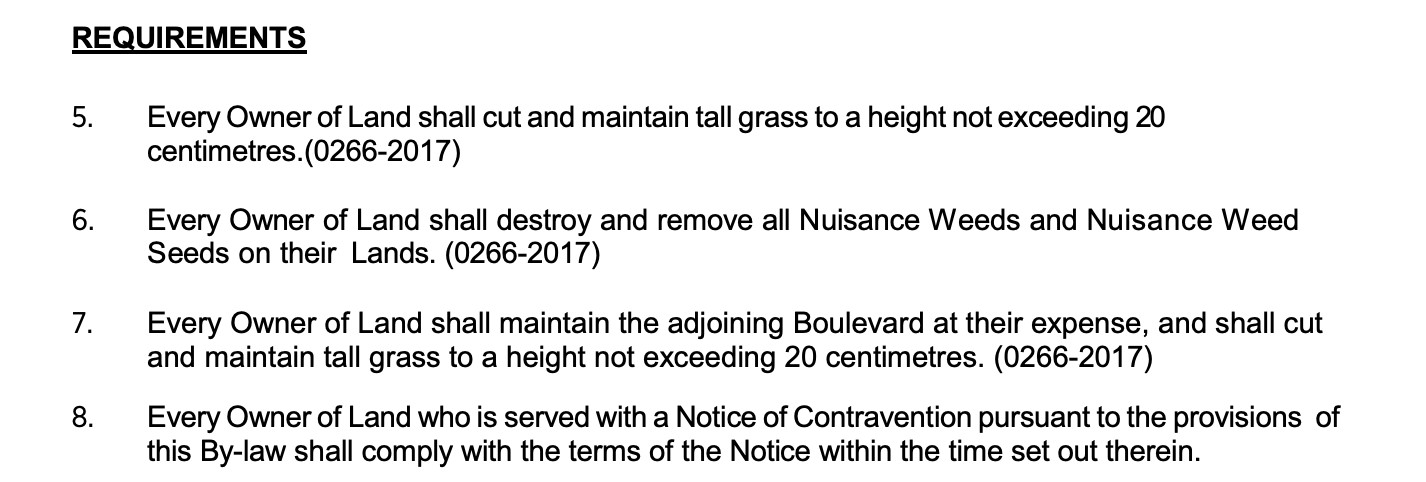
Mississauga’s old ‘Tall Grass and Nuisance Weeds’ By-law 125-2017 is not in effect anymore.
(City of Mississauga)
“This is an incremental step. People need time to adjust to naturalized landscaping, and gradual changes help with acceptance. The bylaw isn’t perfect but it’s some progress,” McRight said.
“Our goal is to create and link habitats with plants that are pollen and nectar-rich to support insects. Everything in nature exists as part of a community and humans are part of it too.”
She sees supporting ecosystems through naturalized landscaping as “buying time for plants and insects to adapt to current and future stresses from climate change.”
The rollout of the new bylaw will rely heavily on education and outreach through strategic communications, on-site conversations with bylaw officers and the distribution of clear, visual materials to help residents understand permitted naturalization practices and avoid violations.
Johnson envisions these small steps of resilience as preparing the City “to be more resilient” in the face of climate change: “This is an opportunity to connect naturalized gardens with climate action, action to prevent biodiversity loss.”
Email: [email protected]
At a time when vital public information is needed by everyone, The Pointer has taken down our paywall on all stories to ensure every resident of Brampton, Mississauga and Niagara has access to the facts. For those who are able, we encourage you to consider a subscription. This will help us report on important public interest issues the community needs to know about now more than ever. You can register for a 30-day free trial HERE. Thereafter, The Pointer will charge $10 a month and you can cancel any time right on the website. Thank you
Submit a correction about this story

