
Ontario woman’s 1,300 bags of garbage tell a story of pollution, climate change and the Great Lakes
Grand Bend resident Lynn Tremain stood at the edge of Pinery Provincial Park, gazing out over Lake Huron as its endless blue steadied her racing thoughts. The rhythm of the waves grounded her, each crest and crash a reminder of why she loves this place she has called home for half a century.
“I love being at the lake,” she told The Pointer.
That sense of calm was quickly submerged under what she saw next.
A monarch butterfly lay on the sand, wings outstretched in delicate brilliance on a perfect sunny day. For a moment, it looked like a canvas set against the shoreline, a scene painted by Mother Nature. But when it folded its wings, the beautiful butterfly was perched on… a cigarette butt.
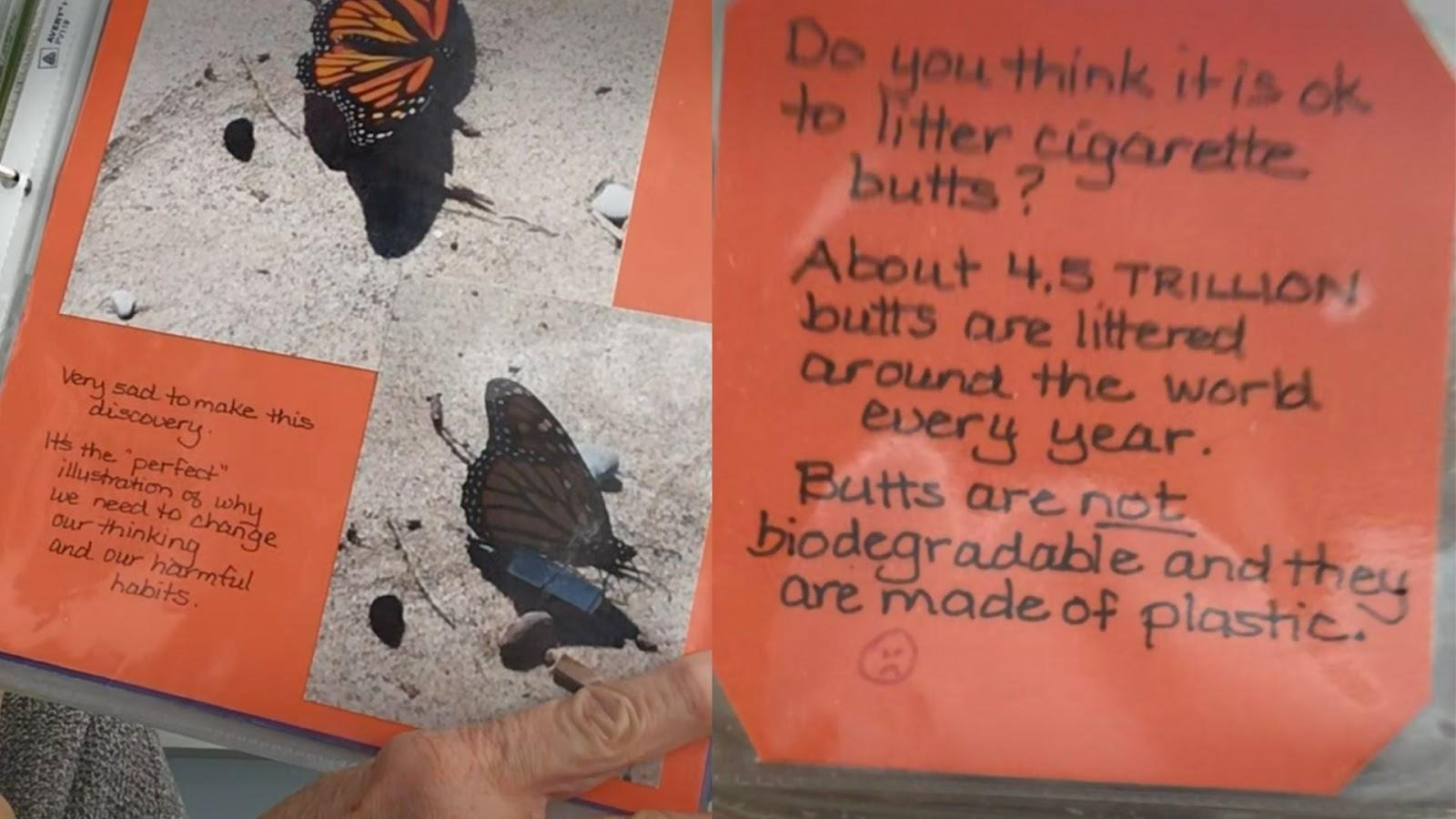
Cigarette butts are made of plastic‑based filters (cellulose acetate) that do not biodegrade in natural environments and can take many years, often a decade or more, to break down.
(Captured on call with Lynn Tremain)
She soon realized cigarette filters were just one part of a bigger problem: the “throwaway” culture.
“The problem is there is no ‘away’,” she said.
Canadians generate an average of 2.33 kilograms of waste per person every day, roughly 851 kilograms a year, placing the country among the highest waste producers globally. Less than 10 percent is recycled while over 175 thousand tonnes is exported to countries like the U.S., India, Thailand and Malaysia.
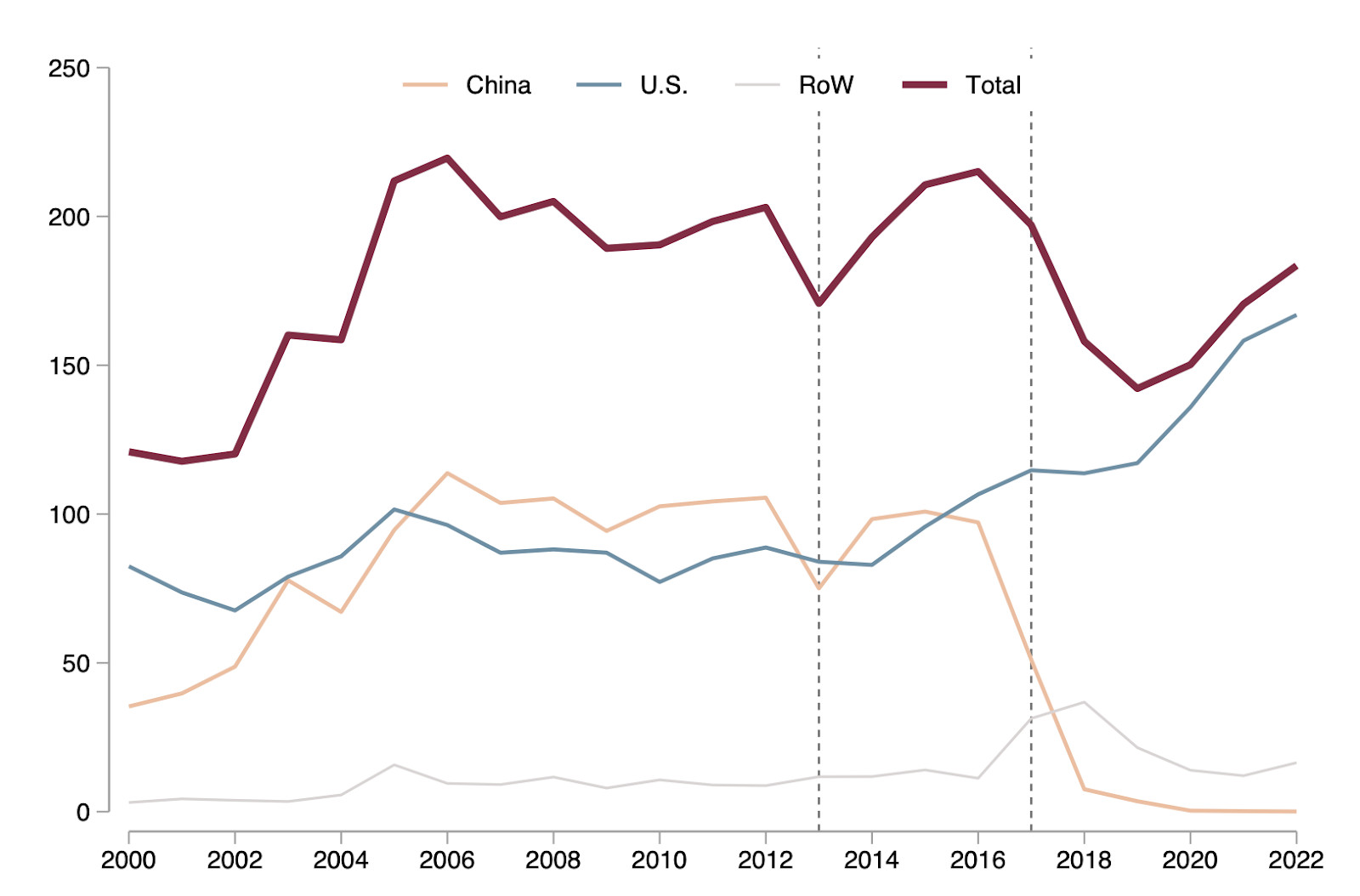
After China’s 2018 ban on plastic waste imports, Canada’s exports fell from about 210,000 tonnes before 2017 to around 150,000 tonnes between 2018 and 2020. The United States now receives 91 percent of Canadian plastic waste exports, up from less than 50 percent in 2016. Provincially, British Columbia cut exports by nearly 70 percent between 2016 and 2022 while Ontario’s exports fell about five percent. In 2019 alone, Canada exported 142,000 tonnes of plastic waste but imported 166,000 tonnes, mostly from the U.S..
(CIRANO)
“The rest still ends up somewhere” within our country, Lynn noted.
In March 2021, when many Ontarians turned to online grocery pickup during the pandemic, she was one of them. Soon, she watched unwanted single-use plastic, which she had long avoided using, stack up in her home.
“I was horrified by that,” she recalled.
The International Solid Waste Association estimated that single-use plastic consumption increased by 250 to 300 percent during the pandemic.
The next month was Earth Month. So, she made a simple commitment: pick up one bag of garbage a day in April to show her “love and gratitude to this beautiful lake [Huron] that enhances the life of each of us”.
The one-month pledge never ended.
Nearly five years later, she has collected more than 1,300 bags of garbage (as of February 19) from the shores of Lake Huron with no plans to stop anytime soon.
“I cannot stop now. It’s meditative…I'm cleaning up the beach but I'm also cleaning the rubbish out of my head,” Lynn said.
“Despite the frustration of finding garbage every time, being at the lake for extended periods of time is a privilege and a joy.”
Even through snowy, crisp winters, she longs for the spring and summer months when she spends four or more times a week collecting trash. Each outing often stretched to three hours or more, especially after a busy summer day when picnickers have left the beach.
“I can’t leave,” she laughed.
“I tell myself, ‘just to that next tree’ and before I know it, hours have passed.”
In her shed, she keeps neatly assembled bags and boxes of the garbage she collects by type and colour: bottle caps, water bottles, beer cans, sand toys, hair elastics, shotgun wads, vaping containers, fishing net floats, latex balloons, ribbons and discarded toys.
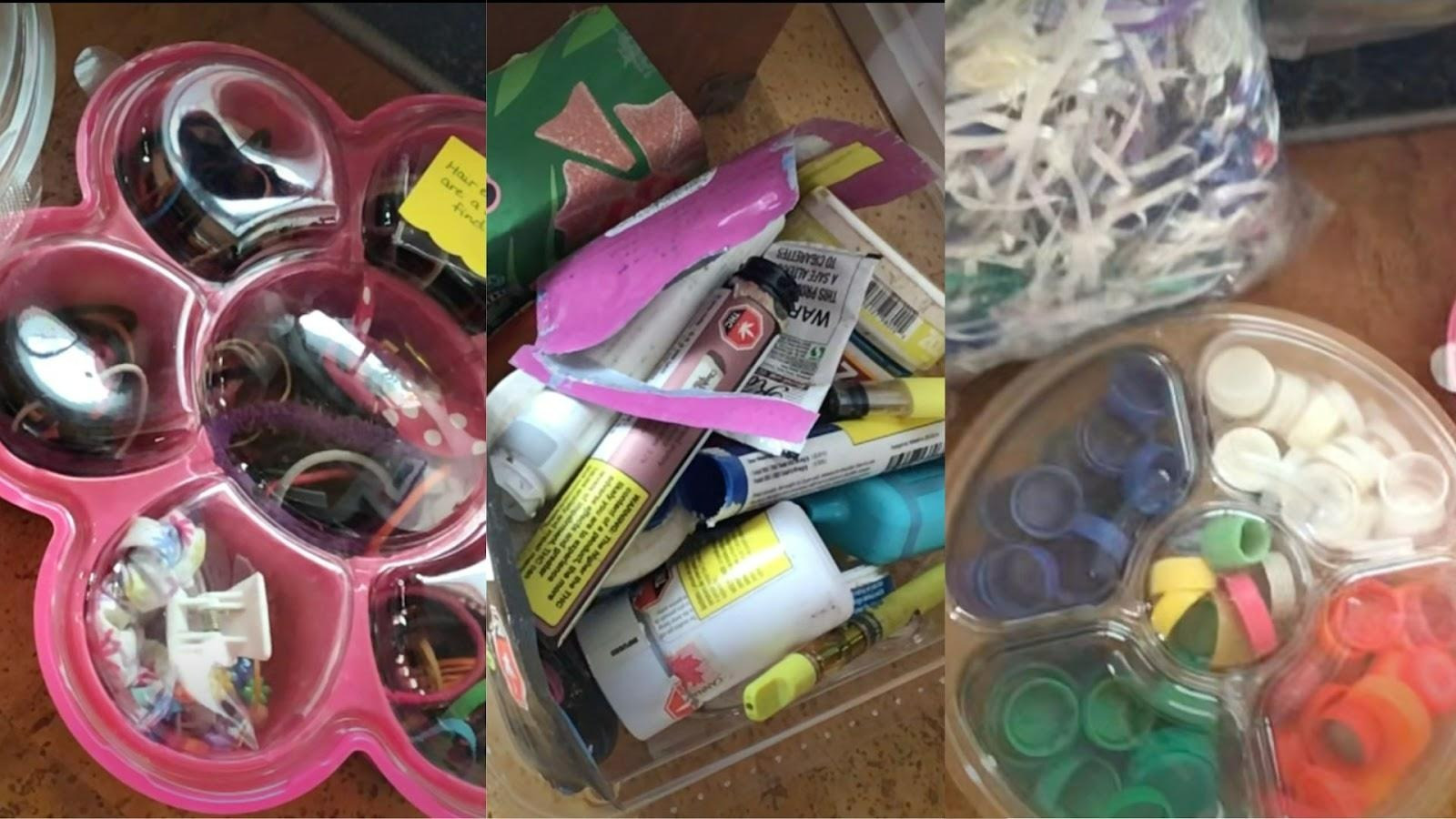
Grand Bend resident Lynn Tremain sorts the things she collects by type and colour to make it easier to use the items for education and art projects.
(Captured on call with Lynn Tremain)
Lynn, who was a teacher most of her life, has turned her collections into educational tools, taking items to schools and community events to teach children about environmental responsibility. She not only donates her collection to kids and artists but also collaborates with them to transform debris into visual art pieces.
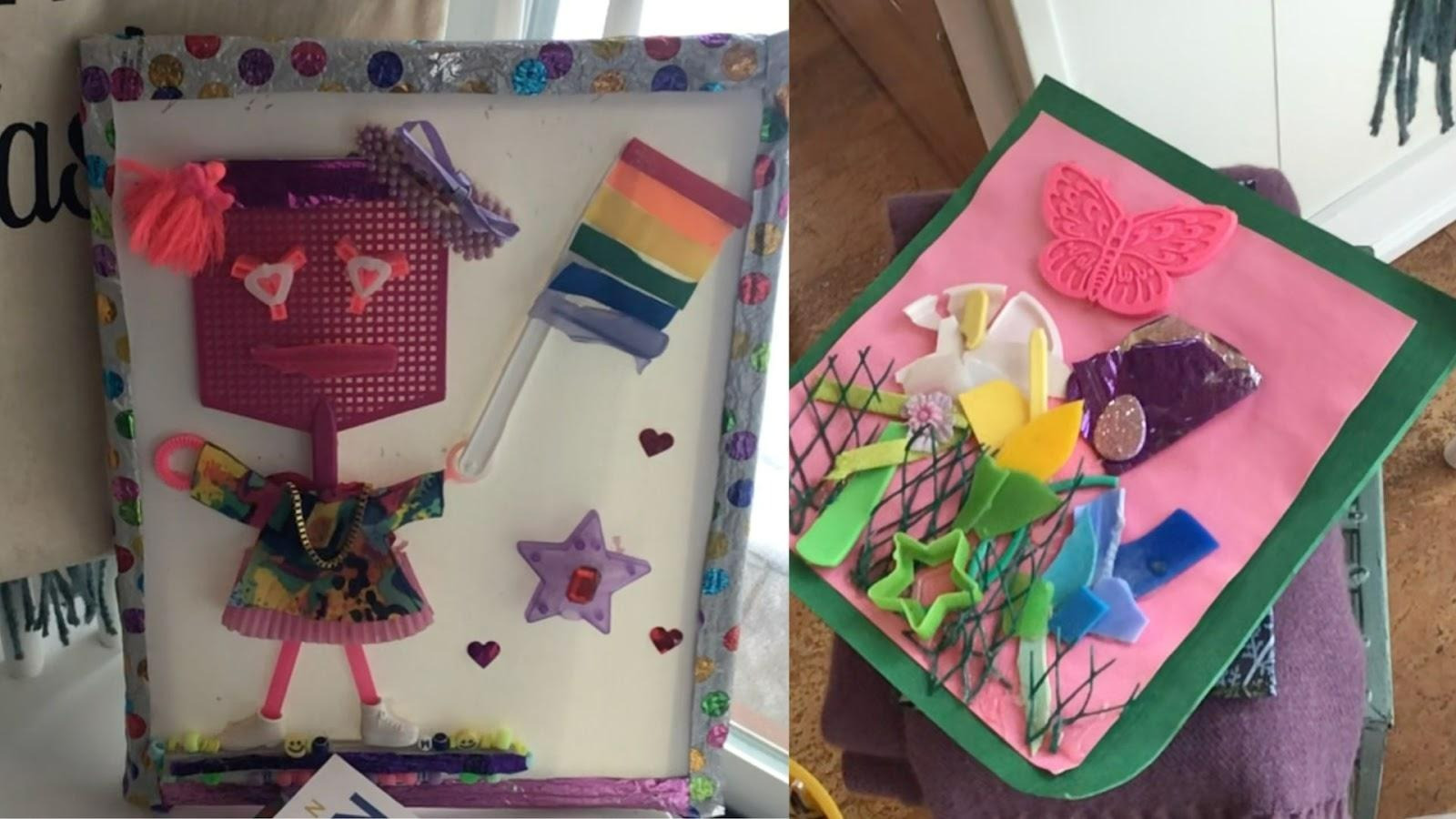
Artwork made by Lynn Tremain using the items she found while garbage picking.
(Captured on call with Lynn Tremain)
“Even garbage can be beautiful if you look at it carefully,” she said.
Not for animals.
Through her work, Lynn has observed the direct consequences of pollution on wildlife. Last year, she was deeply involved in turtle rescues and remembers transporting a live musk turtle and several dead turtles to conservation researchers, along with birds killed by entanglement or ingestion of plastic.
“It’s preventable, but it keeps happening,” she added.
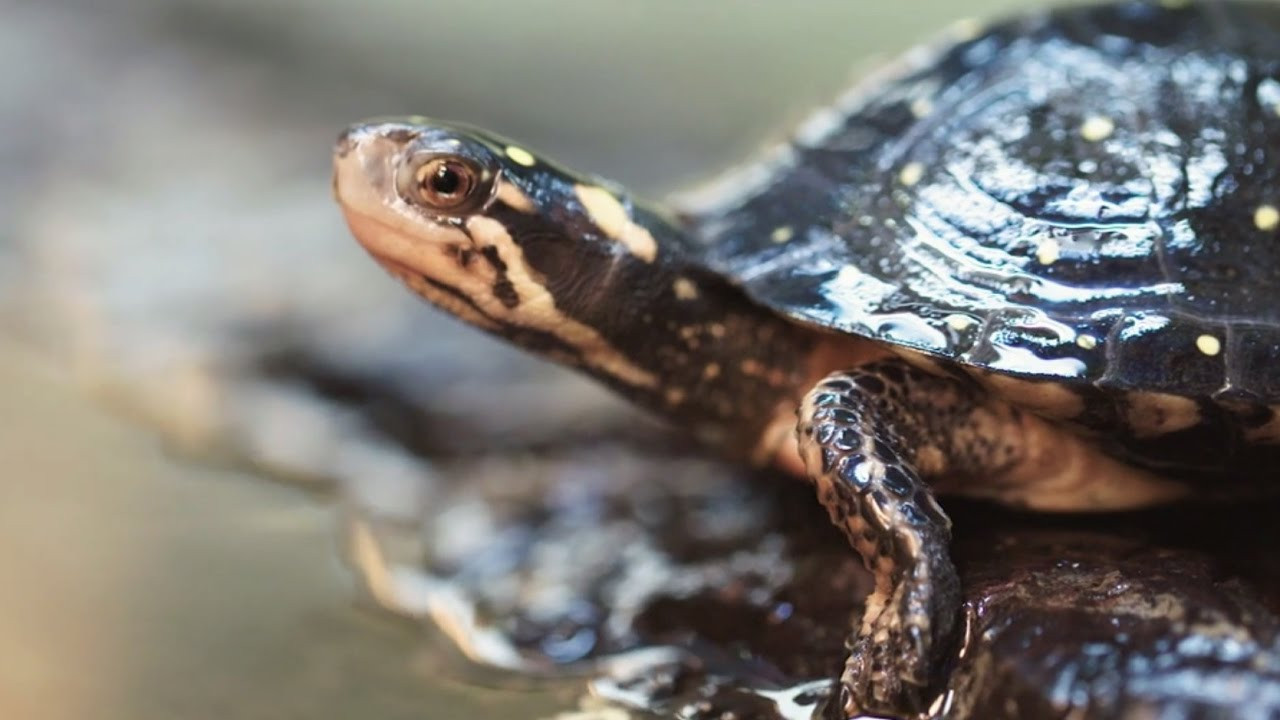
Lynn Tremain has been working with local research groups, including the Lake Huron Coastal Centre, documenting wildlife deaths and reporting findings. “It’s becoming citizen science in a way,” she told The Pointer. “Every dead bird or turtle I document helps someone else understand what’s happening.”
(Lake Huron Coastal Centre)
The most common finding for her has been Tim Hortons cups “everywhere”, which she admits is not the company’s fault but the “culture of convenience”.
“I usually find the Tim Hortons cups, but mostly just the plastic lining. The paper is gone, but that thin plastic stays stuck inside,” Lynn said, sharing that she has stopped purchasing coffee cups since.
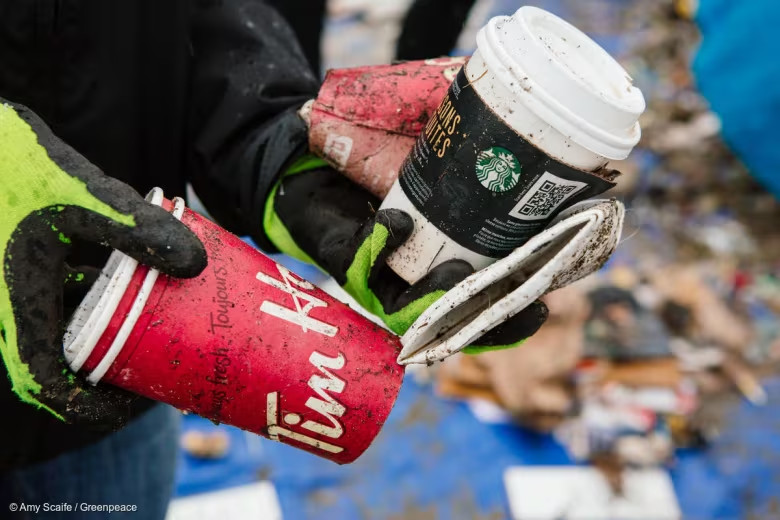
Disposable coffee cups lined with polyethylene (PE) or polylactic acid (PLA) can leach thousands of microplastic particles and associated chemical contaminants into hot drinks, with studies showing up to around 25,000 particles released into a single cup within minutes of contact with hot liquid. The tiny plastics and chemicals including phthalates and endocrine-disrupting compounds can be ingested when people drink from these cups, potentially accumulating in the body and interfering with the endocrine system, causing hormone disruption, inflammation and other stress responses at the cellular level. Microplastics are also linked to oxidative stress, immune changes and carry toxic additives that have been associated in research with reproductive issues and organ effects. In some seabirds, microplastics have been linked to gut dysbiosis and other sub-lethal damage while whales may ingest millions of pieces daily through their prey. On land, microplastics have been found in the feces of wild mammals as a result of widespread exposure across ecosystems.
(Greenpeace)
She tucks them carefully into her collection, one by one, knowing each tiny piece removed is one less threat to birds and turtles that mistake it for food.
“Microplastics”, five millimetres or smaller, continue to worry her since they “break down into even smaller fragments and enter into our ecosystem”.
Picking up garbage led her to discover nurdles, tiny lentil-sized pellets used to make plastic items like toothbrushes.
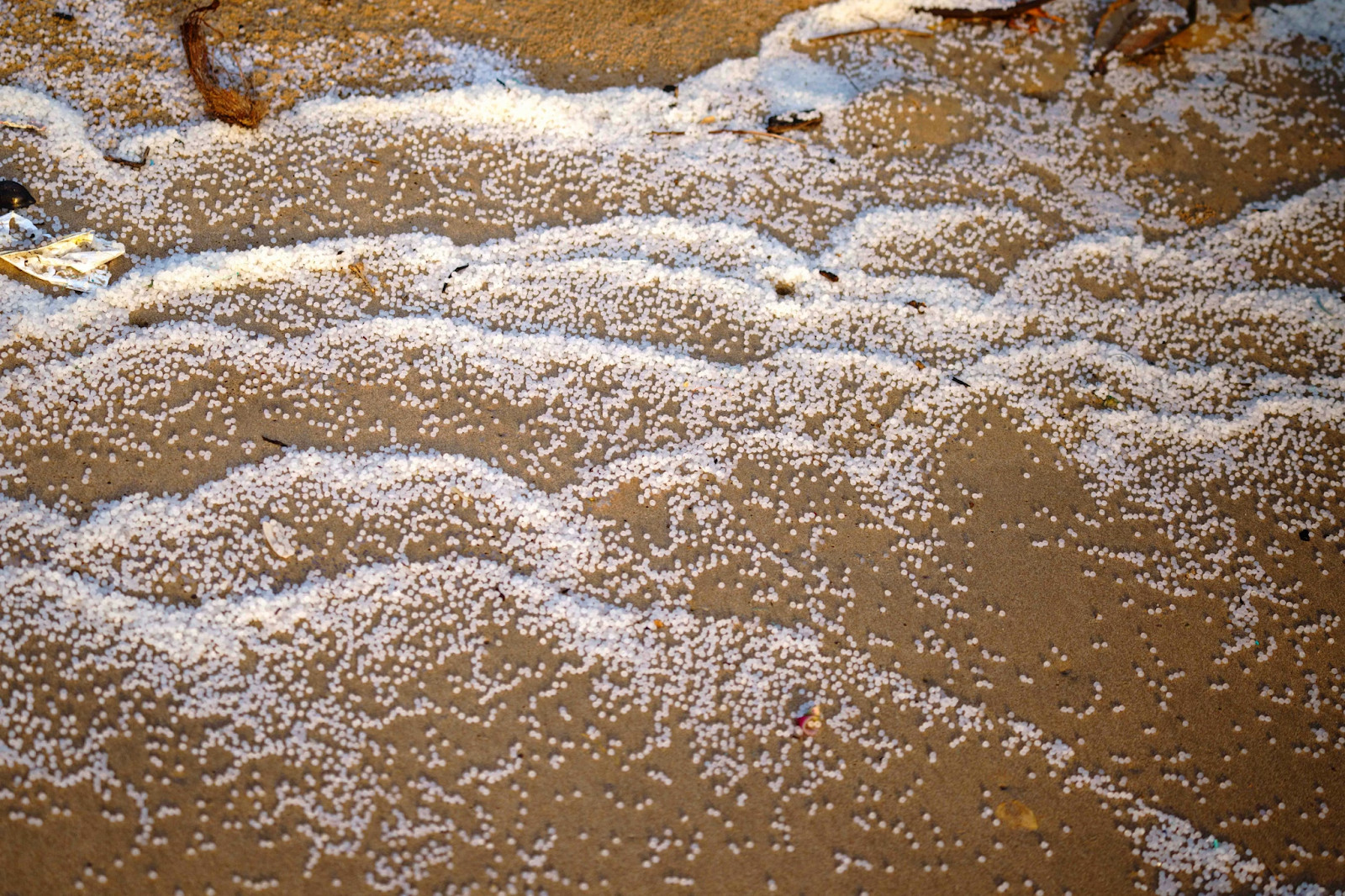
Nurdles are the second-largest source of primary microplastic pollution globally. These tiny, lentil-sized plastic pellets are the raw material used to make nearly all plastic products and trillions are produced each year. An estimated 230,000 to 250,000 tonnes enter the oceans annually due to spills during manufacturing and transport by ships, rail and trucks. Because they do not biodegrade, nurdles persist in the environment, breaking down into smaller nanoplastics, absorbing toxic chemicals and being mistaken for food by marine life such as fish, seabirds and turtles causing injury, starvation and toxic exposure.
(Soren/Unsplash)
“I’d never heard of them before,” she shared as she held a small jar containing about 400 pieces.
While they’re less common on the beach, she has seen them accumulate near piers, carried in by water currents.
The second most common item she has picked up has been helium balloons — ones that brighten up the room when a child is born, when it’s time to pop the question or when it’s a special someone’s birthday.
As the helium escapes, the balloons drift away, often washing up on the shore.
On just 12 kilometres of shoreline, Lynn has picked up more than 2,000 balloons, most from Pinery Provincial Park.
“The Great Lakes’ shoreline is even more expansive…I shudder to think of what’s out there elsewhere,” she wonders.
Every year, an estimated 22 million pounds of plastic enter the Great Lakes, according to the Government of Ontario, making up roughly 80 percent of shoreline litter with lakes Michigan, Erie and Ontario bearing the heaviest burdens.
But the challenges for these pristine waters aren’t limited to plastics. Climate change and heavy urbanization add another layer of stress on the freshwater system that supports over 40 million people and countless ecosystems.
The Great Lakes experienced historically low ice cover during the 2023-2024 winter, with Total Accumulated Ice Coverage (TAC) reaching just 2.5 percent, the lowest on record since the 1970s, as per data gathered by the Canadian Ice Service.
Lakes Superior, Michigan and Huron each set individual record lows while Lakes Erie and Ontario also saw ice far below historical averages.
The season was delayed by persistently warmer-than-normal temperatures, with ice forming more than a month later than usual and melting weeks earlier, leaving the lakes nearly ice-free by late March.
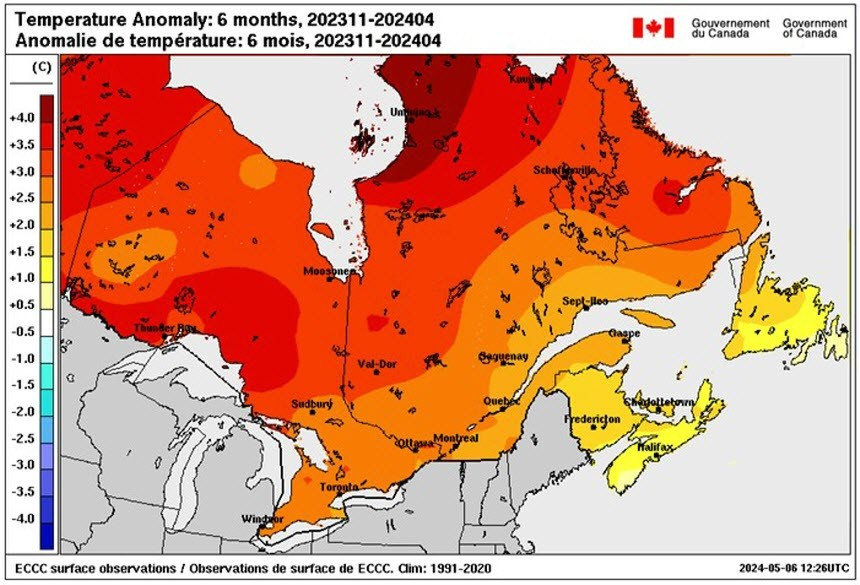
From November 2023 through March 2024, the Great Lakes region experienced significant warmth compared with historical averages. A six-month temperature anomaly showed air temperatures 2 to 2.5 degrees Celsius above normal over the southeastern lakes and 3 to 4 degrees Celsius warmer over the northwestern lakes. December through February (usually the coldest months when most ice normally forms) remained exceptionally warm, delaying ice formation and shaping what would become one of the lowest ice seasons on record.
(Government of Canada)
The following winter (2024-2025) conditions improved a bit with slightly higher ice coverage, though still below average for most of the season. Cold snaps in late January and February temporarily boosted ice, particularly on shallower lakes like Erie and St. Clair, where ice coverage briefly exceeded 90 percent.
But by early April, the Great Lakes were largely ice-free because of consecutive warm winters and shifting seasonal patterns.
In the latest binational State of the Great Lakes report, Canadian and American scientists sounded the alarm that although the Great Lakes remain in overall fair condition, shifting physical factors like warming waters, declining ice cover and changing precipitation patterns are affecting nutrient movement and habitat quality.
They make the case for ongoing basin-wide monitoring and assessment essential to protecting and restoring the ecosystem, which has been under threat due to budget cuts and layoffs on both sides of the border.
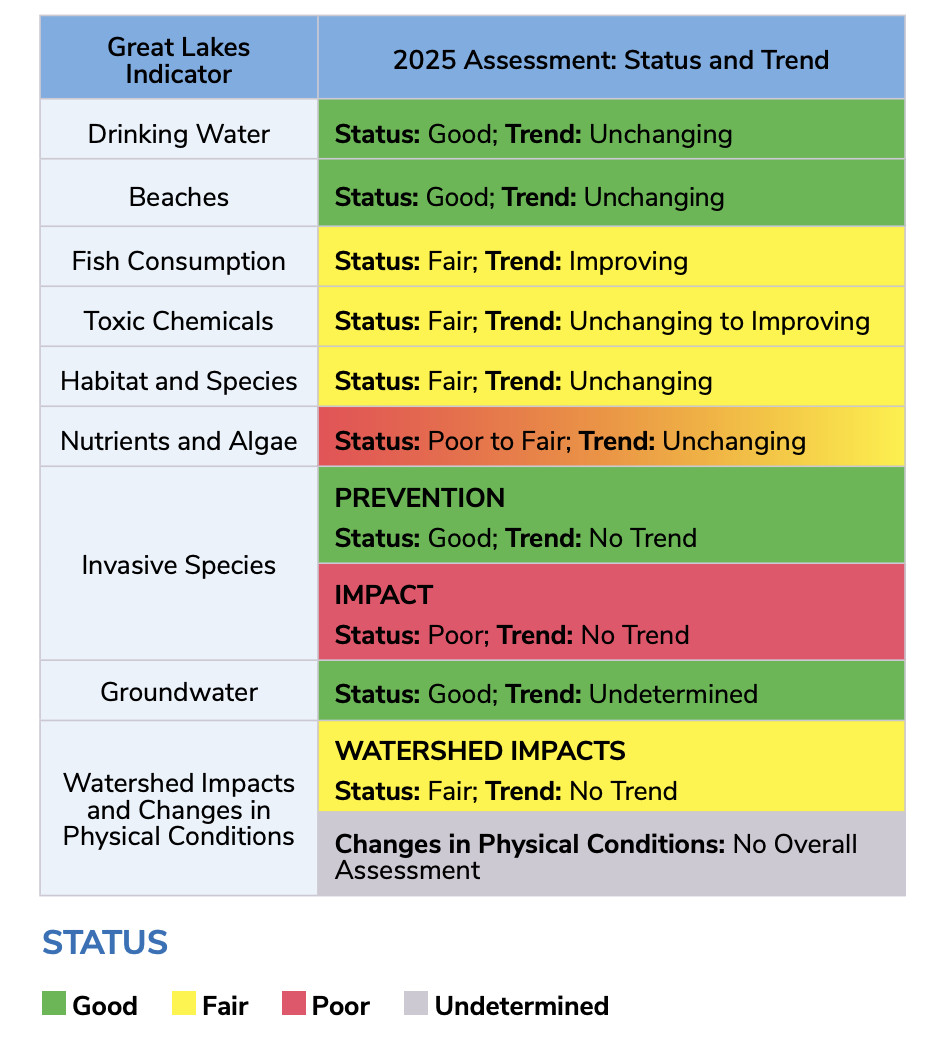
“Overall, the Great Lakes are assessed by the State of the Great Lakes indicators as Fair and the trend is Unchanging. There has been tremendous progress to restore and protect the Great Lakes, including the reduction of toxic chemicals, and a reduction in the establishment of new non-native aquatic species. Some indicators demonstrate that there are still significant challenges, including the impacts of nutrients, especially in Lake Erie and localized areas of the other Great Lakes, and the impacts of invasive species. The coordinated actions of many agencies, organizations, groups and individuals are accelerating efforts to protect and restore the Great Lakes so they can continue to be a reliable source for drinking water, fishing, recreation and other uses that support the region’s economy,” the latest State of the Great Lakes report stated.
(STATE OF THE GREAT LAKES 2025 REPORT)
Scientists found that warming air and water temperatures are altering seasonal cycles that historically regulated ecological stability.
It has extended the length of summer stratification, the period when warm surface water separates from colder deep water, which in turn, reduces vertical mixing, limiting the transfer of oxygen and nutrients between layers of the lake.
The result is a growing imbalance: offshore waters experience declining productivity while nearshore regions become increasingly vulnerable to nutrient overload.
Across lakes bordering Ontario, researchers observed measurable ecological shifts tied to these changing physical conditions. In deeper lakes such as Superior and Huron, longer periods of thermal stratification reduce nutrient circulation and limit plankton growth, weakening the foundation of aquatic food webs.
More frequent intense rainstorms across southern Ontario are increasing runoff into Lakes Erie and Ontario, delivering pulses of sediment, phosphorus and contaminants into already stressed coastal zones.
Warmer water temperatures and longer ice-free seasons also improve survival rates for non-native organisms already established in the lakes.
Zebra and quagga mussels continue to dominate large areas of the lakebed, filtering massive volumes of water and removing plankton essential to native fish populations. Scientists note that invasive mussels have fundamentally altered nutrient cycling across multiple lakes, redirecting energy away from open-water ecosystems toward nearshore and bottom habitats.
This filtration creates unusually clear water, once considered a sign of improvement, but is now viewed as evidence of ecosystem disruption. Energy that once circulated through open-water food webs is redirected to bottom-dwelling species, contributing to declines in prey fish such as alewife and affecting predator species including salmon and lake trout.
Although new invasive species are entering the lakes less frequently than in previous decades, the report stresses that existing invaders continue to reshape ecosystems long after their arrival, making recovery complex and slow. Long-term monitoring shows that ecological responses can take decades, even after management actions are introduced.
Historically, nutrient pollution dominated environmental discussions around the Great Lakes. Today, scientists observe a dual challenge: too many nutrients in some regions and too few in others.
In offshore zones, particularly in Lakes Huron and Michigan, invasive mussels remove phosphorus and plankton faster than natural processes can replenish them. This reduces biological productivity and may limit the growth and survival of fish species dependent on plankton-based food chains. Researchers warn that declining offshore productivity could have cascading impacts on commercial and recreational fisheries if trends continue.
At the same time, declining ice cover alters circulation patterns that once redistributed nutrients throughout the water column, reinforcing the imbalance between deep and shallow ecosystems.
But nearshore waters tell a different tale.
Harmful algal blooms, particularly in Lake Erie, were identified as one of the most visible consequences of climate change interacting with urbanization and agriculture.
More intense rainfall events wash fertilizers, manure and urban stormwater into tributaries that empty into the lakes. These nutrient pulses fuel cyanobacteria blooms capable of producing toxins harmful to humans, pets and wildlife. Scientists emphasize that bloom severity now depends not only on nutrient levels but also on warmer temperatures and shifting precipitation patterns that favour rapid algae growth.
Warmer water accelerates bloom development and prolongs bloom seasons, increasing risks to drinking water systems and coastal economies.
Although governments have implemented phosphorus reduction targets under binational agreements, critics note progress remains uneven across watersheds, with some areas showing improvement while others continue to experience recurring blooms.
Even the most productive ecosystems in the Great Lakes basin, Wetlands, are being squeezed between fluctuating lake levels and expanding shoreline development.
Changing lake levels and stronger storm events are reshaping coastlines faster than many ecosystems can adapt. Increased erosion, sediment transport and infrastructure hardening along urban shorelines are altering natural habitat connectivity, particularly in Lakes Ontario and Erie, where population density is highest.
Agriculture, urban expansion and infrastructure are unavoidable realities but better design can reduce ecological harm.
“We all need food. We all need places to live,” Steven Cooke, the new Commissioner for the Great Lakes Fishery Commission, told The Pointer.
“The key is doing these things differently…letting nature do what it does well, filtering nutrients through wetlands, protecting riparian areas and designing stormwater systems that function more like ecosystems rather than just drains.”
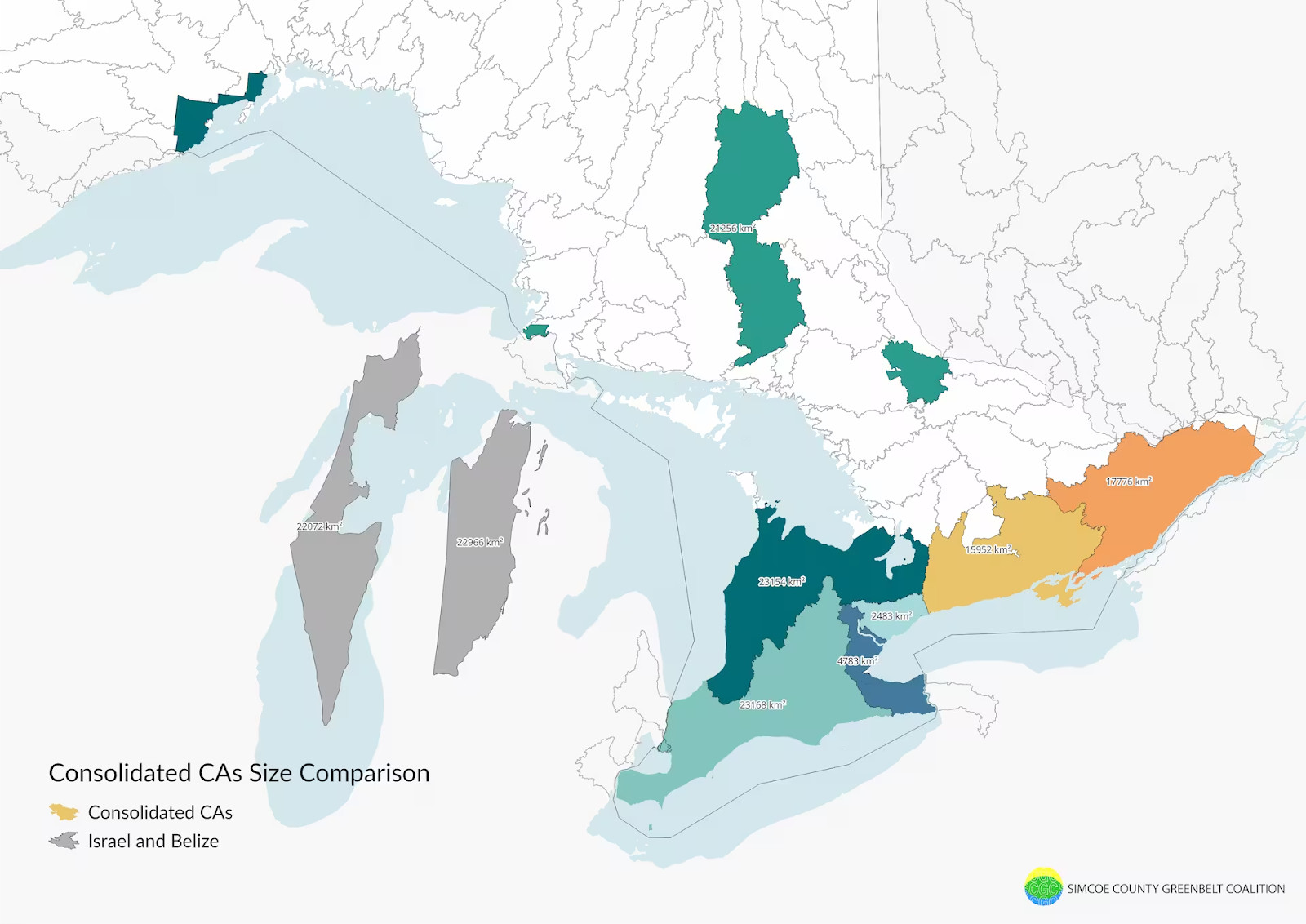
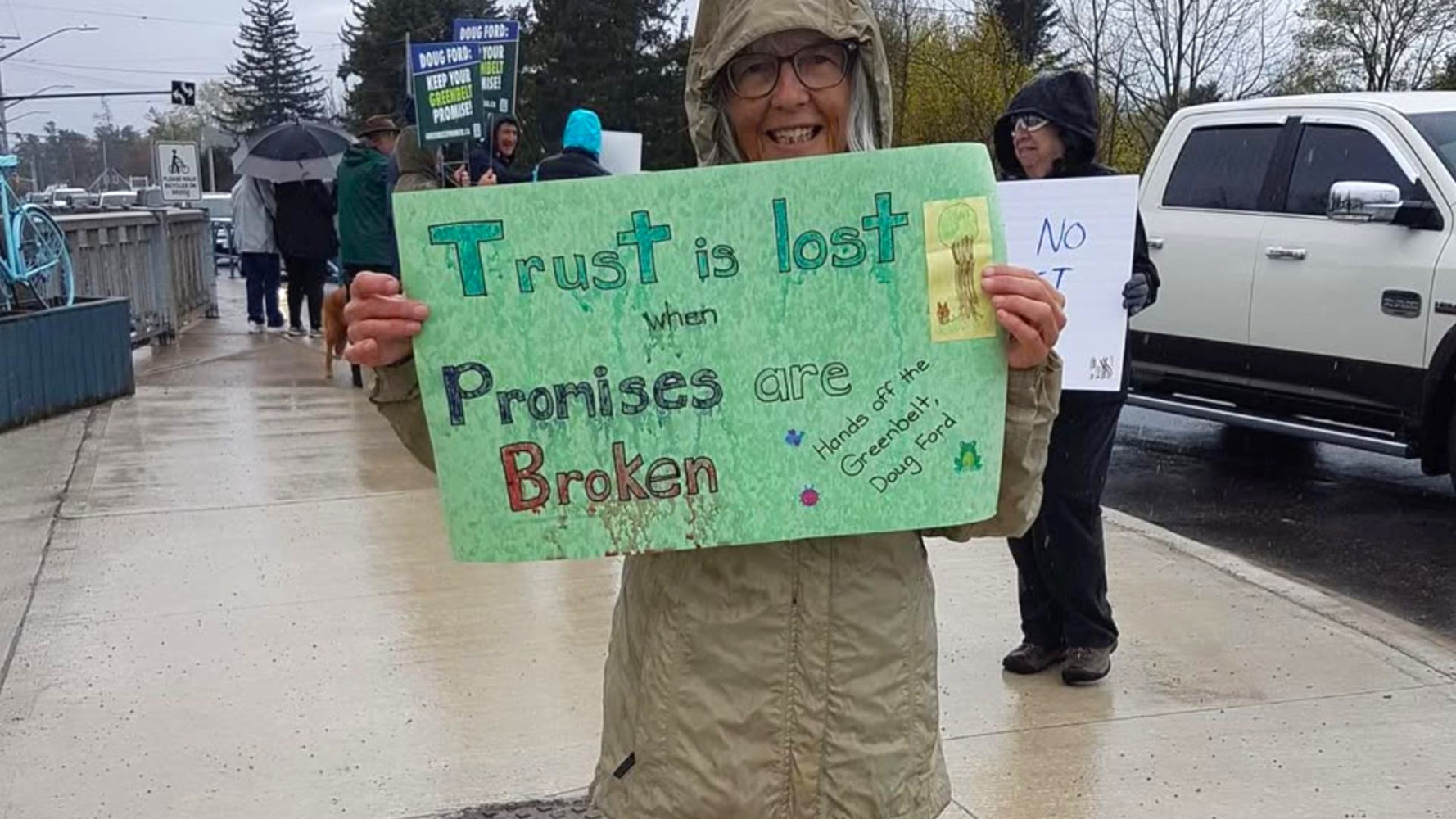
“Some of the proposed consolidated conservation areas are roughly the size of small countries, like Israel and Belize,” a Simcoe County Greenbelt Coalition analysis notes.
(Simcoe County Greenbelt Coalition)
Lynn worries about what such restructuring could mean for local environmental protection, particularly when paired with the expanded provincial powers introduced through Bill 5.
“No one's developing Greenbelt. We tried that, and I'll go to my grave saying there's certain parts of it that you can’t,” Ontario Premier Doug Ford said in a press conference on January 27.
“We're going to enhance programs, we're going to work with communities, and we're going to do what the Conservation Authority was put there to do, make sure we conserve and we watch the watershed.”
At the end, Ford seems to suggest the Ministry of the Environment, Conservation and Parks and Ministry of Natural Resources could do what CAs do. “I think the ministry of natural resources and ministry of environment do one heck of a job”.
“Not a chance - for every CA works closely with their local municipalities to deliver relevant programs and services,” former Chief Administrative Officer of Credit Valley Conservation Authority, Deborah Martin-Downs, said.
“Conservation areas are public lands that offer recreational opportunities to Ontarians. Every community should be so lucky to have nature at their doorstep.”
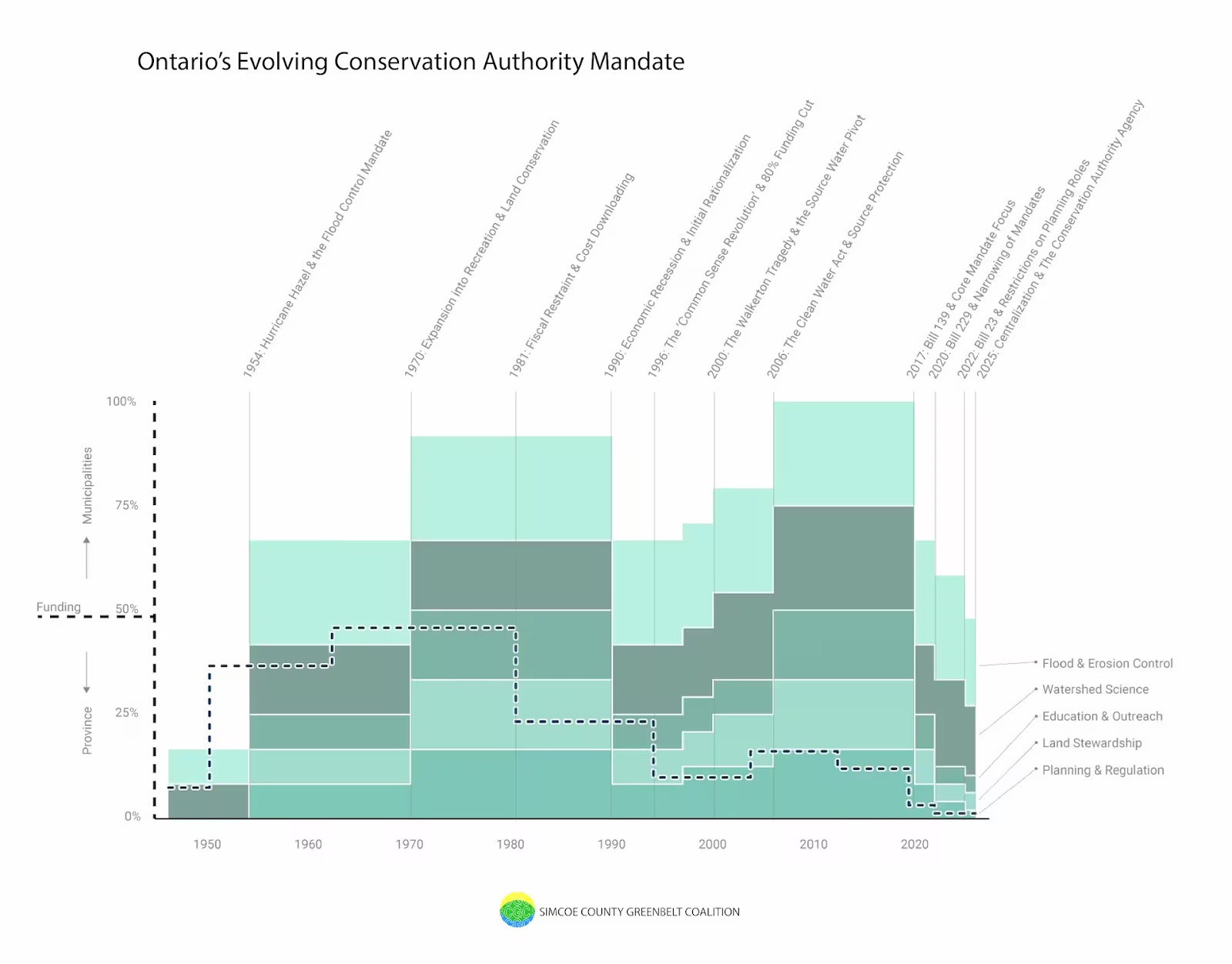
“Between 1960 and 1980, Ontario’s conservation efforts were a partnership between locally rooted conservation authorities, the municipalities participating in them, and the provincial government, with equal funding and growing responsibility. While conservation efforts reached a high in the late 2000s and 2010s, this was largely due to local initiative, with provincial funding continuing the decline toward near-zero started under the Harris government. In the past decade, both regulatory authority and funding have been cut. CAs’ area of responsibility is now at levels not seen since the 60s, and the provincial funding share has reached record, near-zero, lows,” a new report by the Simcoe County Greenbelt Coalition highlighted.
(Simcoe County Greenbelt Coalition)
In February, Ontario Nature started a petition addressed to the environment minister to “re-empower” conservation authorities as the proposed changes “could create conditions under which it is far more likely that critical local knowledge will be excluded from key decisions, leaving communities more exposed to flooding and other environmental harms.”
For Cooke, who calls himself a “product of conservation authorities”, the debate goes beyond governance.
He recalls spending five summers working for the Grand River Conservation Authority as a high school and early university student, helping with stream restoration, environmental education and community outreach.
“That’s where I learned the value of stewardship and science communication,” Cooke told The Pointer.
“Conservation authorities connect communities to their watersheds. They enable good conservation and help the public step up and be part of the solution.”
While acknowledging that organizational improvements may be possible, Cooke cautioned that restructuring must be approached carefully.
“They’re about way more than flood control,” he said.
“They’re masters of stewardship. If we want healthy Great Lakes, we need strong watershed management and conservation authorities play a huge role in making that happen.”
It is important to understand the fundamental science behind how the Great Lakes operate and are protected.
“Watershed health impacts the Great Lakes. Water runs downstream and everything in it runs downstream,” he explained.
“I can look out my window and not see the Great Lakes or even a stream. But if a raindrop falls on someone’s lawn in Toronto, that water becomes part of the Great Lakes basin. What we do on land affects what happens in water, even hundreds of kilometres away.”
He believes environmental policy often focuses too narrowly on conditions within the lakes themselves.
“We tend to think about applying the medicine directly to the Great Lakes,” Cooke said.
“But where we really need to look is upstream, making sure the water flowing into the lakes is as clean as possible.”
The good news is that decades of coordinated Canada–U.S. restoration efforts have led to cleaner waters, recovering habitats and improving conditions for some native species.
For Lynn Tremain, countries may disagree and politics may shift but individual actions still matter.
Inspired by Guelph resident Sarah Christie’s efforts to protect endangered species, she sent books on climate change to government officials including Ford and the provincial environment minister, Todd McCarthy, hoping to spark awareness.
One fine day, while taking in a tangerine sunset, she received an unexpected call. It was McCarthy himself.
“He knew I was a grandma. I told him about my grandchild and why the future matters. I think every little push helps,” she said.
“I’m doing this for the future. For the young people who shouldn’t have to worry about a polluted world…when I look at young people like Sophia Mathur who have to fight the government in court, I don’t think it’s fair. They deserve to live a healthy, happy life.”
She knows one person collecting garbage along a shoreline will not single-handedly save the Great Lakes. But she will keep returning to the water again and again, guided by a story shared across many Indigenous traditions: a hummingbird flying back and forth to a raging forest fire, carrying only a single drop of water in its beak. When the other animals laughed and asked how such a tiny act could matter, the hummingbird simply replied, “I am doing what I can.”
Email: [email protected]
At a time when vital public information is needed by everyone, The Pointer has taken down our paywall on all stories to ensure every resident of Brampton, Mississauga and Niagara has access to the facts. For those who are able, we encourage you to consider a subscription. This will help us report on important public interest issues the community needs to know about now more than ever. You can register for a 30-day free trial HERE. Thereafter, The Pointer will charge $10 a month and you can cancel any time right on the website. Thank you
Submit a correction about this story

