

Ontario’s alarming erosion of environmental protection and the public trust
The Ontario Headwaters Institute notes that Bill 140 may represent the latest and perhaps most dangerous pinnacle in years of the Doug Ford PC government’s obsession with omnibus bills, against significant public opposition to such an approach to legislation.
These bills self-present as chaos rather than a platform for thorough discourse, in an arena of minimal effort at public consultation, constrained discussion at committee, and an apparent lack of engagement with First Nation rights holders.
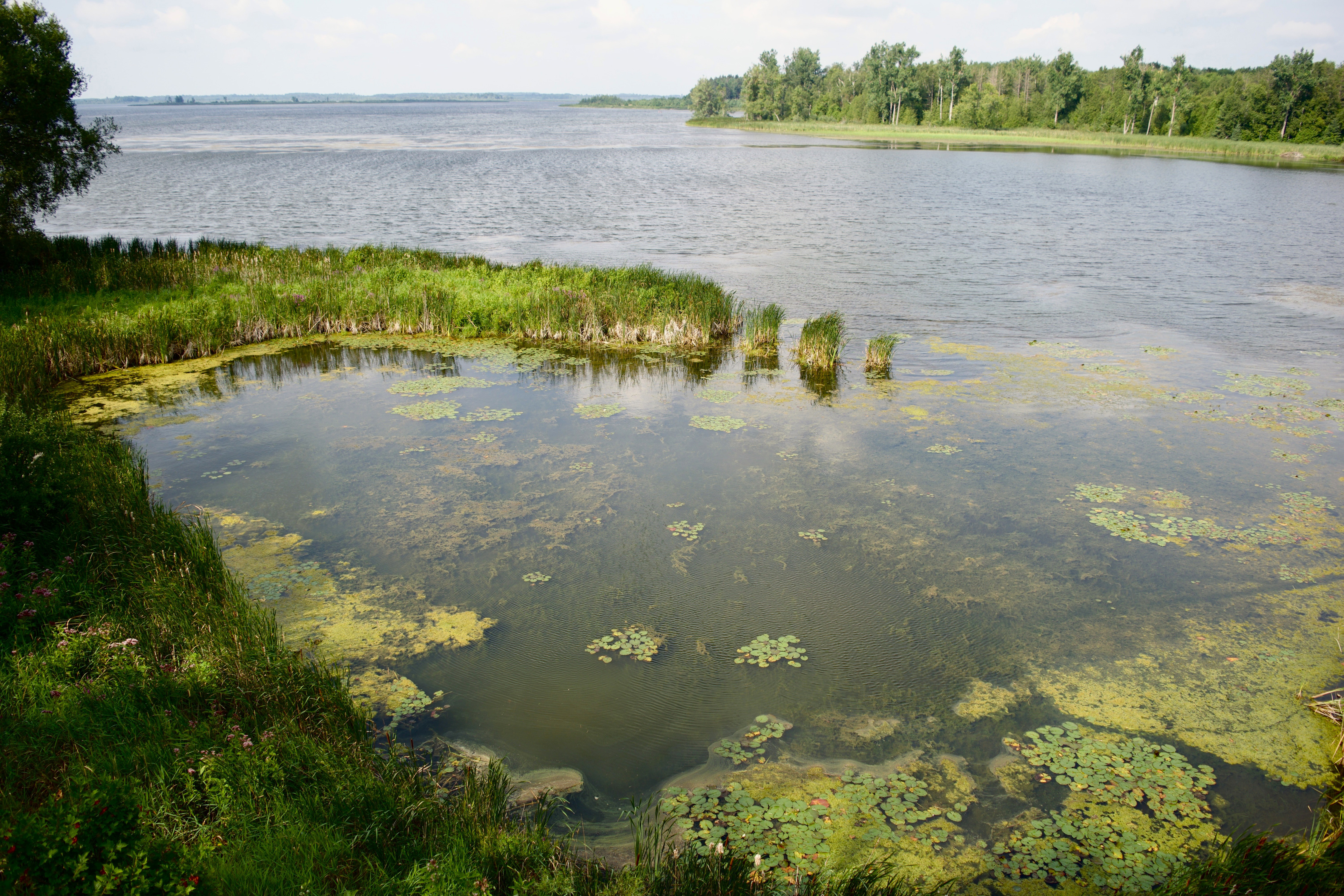
Luther Marsh just north of the West GTA. (Alexis Wright/The Pointer)
They also embody the government’s penchant for Orwellian double-speak about “stream-lining” regulations. Rather than stream-lining, Bill 140 in fact abolishes ministry duties, obstructs the right of Ontarians to know what is going on, and abandons well-trod pathways for public appeals and requests to review, as described below.
We also note that it is fundamentally hypocritical and ironic that the ERO posting on this issue from the Ministry of Red Tape Reduction, 026-1114, is for information purposes only. While this ministry is a key driver of “stream-lining”, it operates as a black box of government hubris that, as far as we know, has never solicited public input on stream-lining.
Here are three reasons the bill should be withdrawn.
First, removing the requirement of ministries subscribed under the Environmental Bill of Rights to articulate and adhere to a Statement of Environmental Values (SEV) is a fundamental betrayal of the need for purpose and accountability in the government’s duty to manage our natural resources and honour the public trust.
Given the need for expanded development in Ontario due to various recent actions of the United States, one would think that the government would seek to increase public confidence in how ministries value the environment rather than to remove the foundation provided by the SEVs.
Indeed, removing the requirement for ministry Statements of Environmental Values undermines any reasonable public expectation that both normal and urgently-needed development, such as those in Special Economic Zones, will be grounded on sound environmental foundations to protect future generations.
Second, changes to a broad range of environment protocols, such as those detailed in the submissions from the Canadian Environmental Law Association, shut important windows of information historically available to the public.
For example, bill 140 exempts classes of proposals that might impact the environment from being posted on the Environmental Registry of Ontario, reduces the obligations of the posting ministry in how it must consider the posting and any public comments on it, and proposes a new Ontario Regulatory Registry (that has not yet been established!) that prevents comments from the Auditor General.
This latter measure appears to add a degree of malice to the government’s previous action to transfer the duties of the independent Office of the Environmental Commissioner to the Office of the Auditor General by now effectively outlawing a significant portion of the auditor’s valued insights.
Third, and finally, Bill 140 slams the door on the current rights of Ontarians to appeal government actions or to request a review of perceived inadequate or under-performing environmental laws, regulations, programs, or decisions.
Over the years, these avenues have provided meaningful insight and resulted in constructive changes to Ontario’s environmental landscape. Preventing future constructive participation by the public indicates how much the government fears the weakness of its own plans, which of course Bill 140 already shrouds in secrecy, with reduced accountability.
Clearly, Bill 140 proposes a massive abandonment of core environmental responsibility and accountability while violating the public trust.
We strongly call for Bill 140 to be withdrawn.
Andrew McCammon is Executive Director of The Ontario Headwaters Institute
Submit a correction about this story

