
Owners of historic Mississauga lakeside home oppose City Hall move to designate it as heritage property
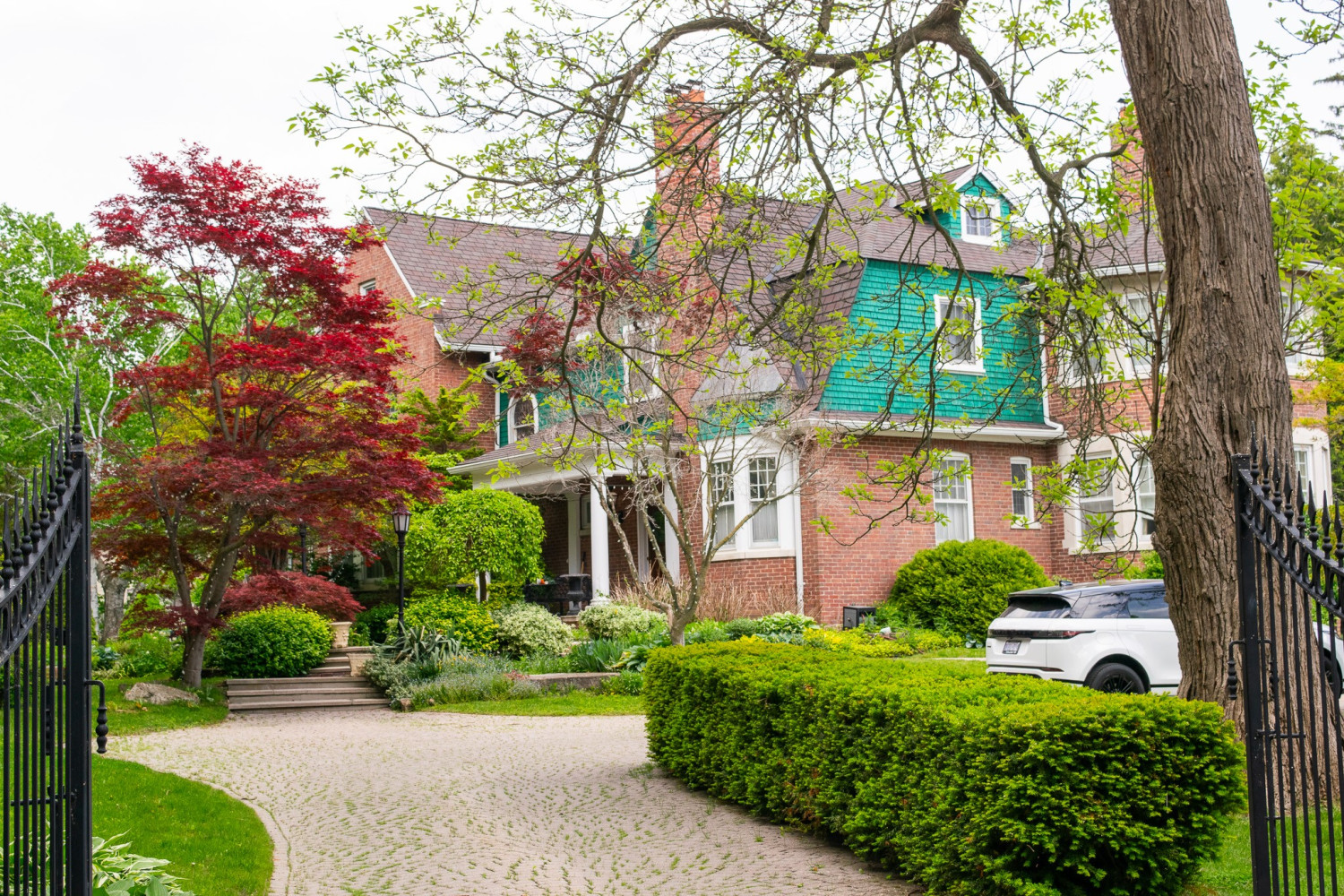
Drawn by the summer scent of flowers drifting in the wind down the street, visitors to this west Port Credit enclave can’t help being transported to another time, when the simple majesty of the home that sprawls across the verdant property at 20 Ben Machree Drive opened an early chapter in the story of the area’s long history.
About 200 years after the Mississaugas first arrived along the northern shores of what we now call Lake Ontario, the house, built in 1910, was an early representation of British influence on the architecture of the area.
Following the War of 1812, the harbour now known as Port Credit gradually emerged as a trading post for the Mississaugas, Europeans and Jamaican settlers. By 1847 most of the Mississaugas had left, the growing village began to take shape and in 1909 it became an independent municipality.
That was a year before a Toronto clothing manufacturer named Andrew M. Hobberlin, who had purchased a 2.29-acre property along the waterfront, commissioned famed architect Edward J. Lennox–designer of many of Toronto’s most recognizable landmarks including Old City Hall and Casa Loma–to create the summer home that still rises gracefully above Lake Ontario’s calming waters near the western edge of Port Credit.
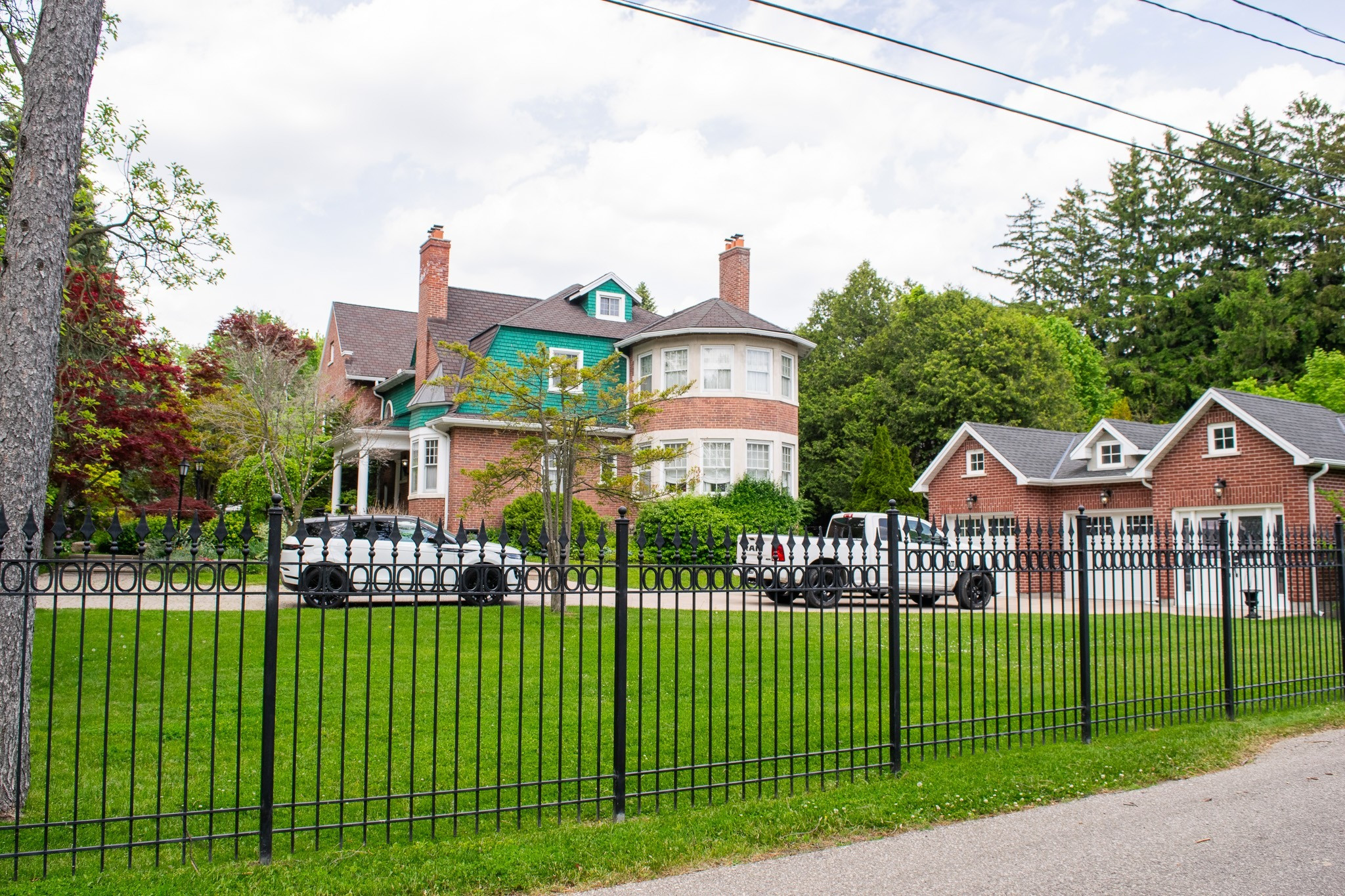
(Alexis Wright/The Pointer)
Now, the couple that has lived there for years and hopes to pass the enchanting house down to their family for generations, is concerned about the decision by City of Mississauga officials to designate their home as a heritage property.
Its magical, fairy tale-effect on passersby transports visitors back in time.
But the decision to preserve it does not rest with the owners.
“Council, ultimately is the decision maker on all things heritage,” John Dunlop, an archaeologist for over 20 years who works with the City of Mississauga’s Heritage Advisory Committee, told The Pointer. He is also the manager of Indigenous relations and says municipal officials have been working with the owners back and forth to attach the heritage designation title for three years.
In a March 10 report from the Heritage Committee, the property was described as an important part of the community that had been a centre for fundraising events and the care of veterans during and after World War l. Lennox’s Romanesque Revival style brought him recognition and homes like the one that still stands in Port Credit, with its more rounded Queen Anne-style features, became architectural landmarks that still serve as important historical representations of turn of the century Canada. In Mississauga, the home’s unique character has particular significance, as one of the small number of architectural representations of the period that merits designation under the Ontario Heritage Act (OHA).
The Pointer visited the home, hoping to speak with the owners who object to the heritage designation for several reasons. They did not come to the door during several attempts.
They submitted a letter of objection to the City on May 8. They have lived in the home for more than 50 years and have maintained the integrity of the property and its character without any municipal intervention. If designated a heritage property, they fear mandatory requirements to use only heritage materials for any future restorations. It could pose a significant financial burden. They also expressed concerns about an increase to their insurance, and the possible restriction of future buyers, even though they hope to pass the property down to their family members.
They also said the property is not a rare example of the architecture in the surrounding area.
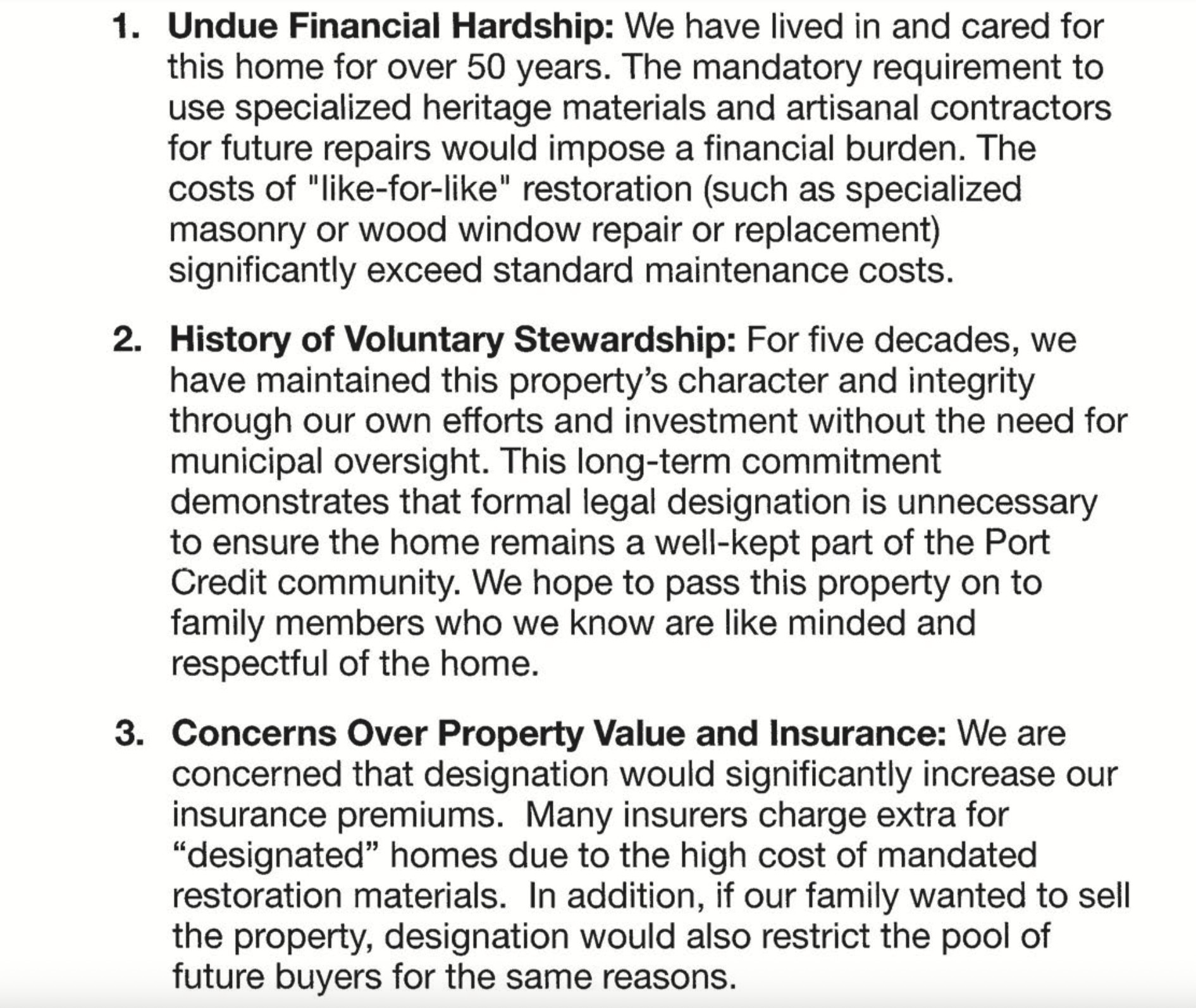
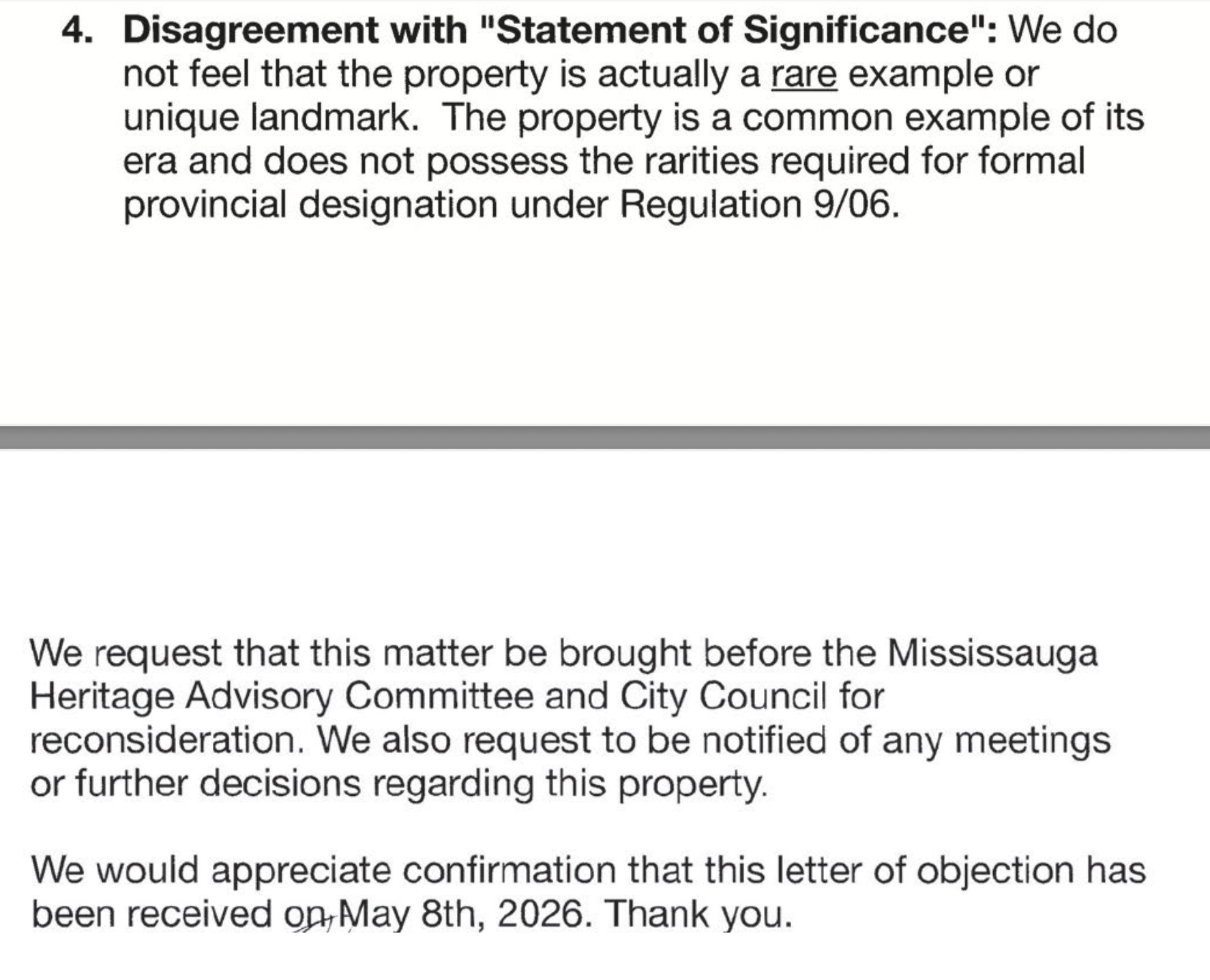
The letter submitted to the City of Mississauga by the owners of 20 Ben Machree Drive, objecting to the decision to designate the home as a heritage property.
(City of Mississauga)
According to Dunlop, while many think some insurance companies consider heritage designations as akin to a museum where no changes can occur, that is not the case. Under the Insurance Board of Canada, providers can not charge more if a property is given a heritage designation.
He explained that City council and the Heritage Committee allow owners to make changes to materials in a designated property, such as shingles, electrical features and flooring as long as they do not substantially change the character of the home. If owners want to make significant changes like adding an extension or the removal of a wall, they must seek the committee’s approval beforehand.
The Pointer asked almost a dozen residents and locals in the area if they agreed with the owners, that a heritage designation should not be imposed, or if they side with the City. Some expressed worries that the move could bring increased traffic to their slow, idyllic neighbourhood, which already attracts thousands of visitors in the summer. They had conflicting feelings about the City’s ability to designate the property against the current owners’ wishes. One neighbour down the street said a heritage designation previously discouraged her and her husband from buying a house. Others said they are not opposed to the designation.
Council members agree the property has been well maintained, but want the designation under the OHA to ensure its long-term protection through subsequent ownership.
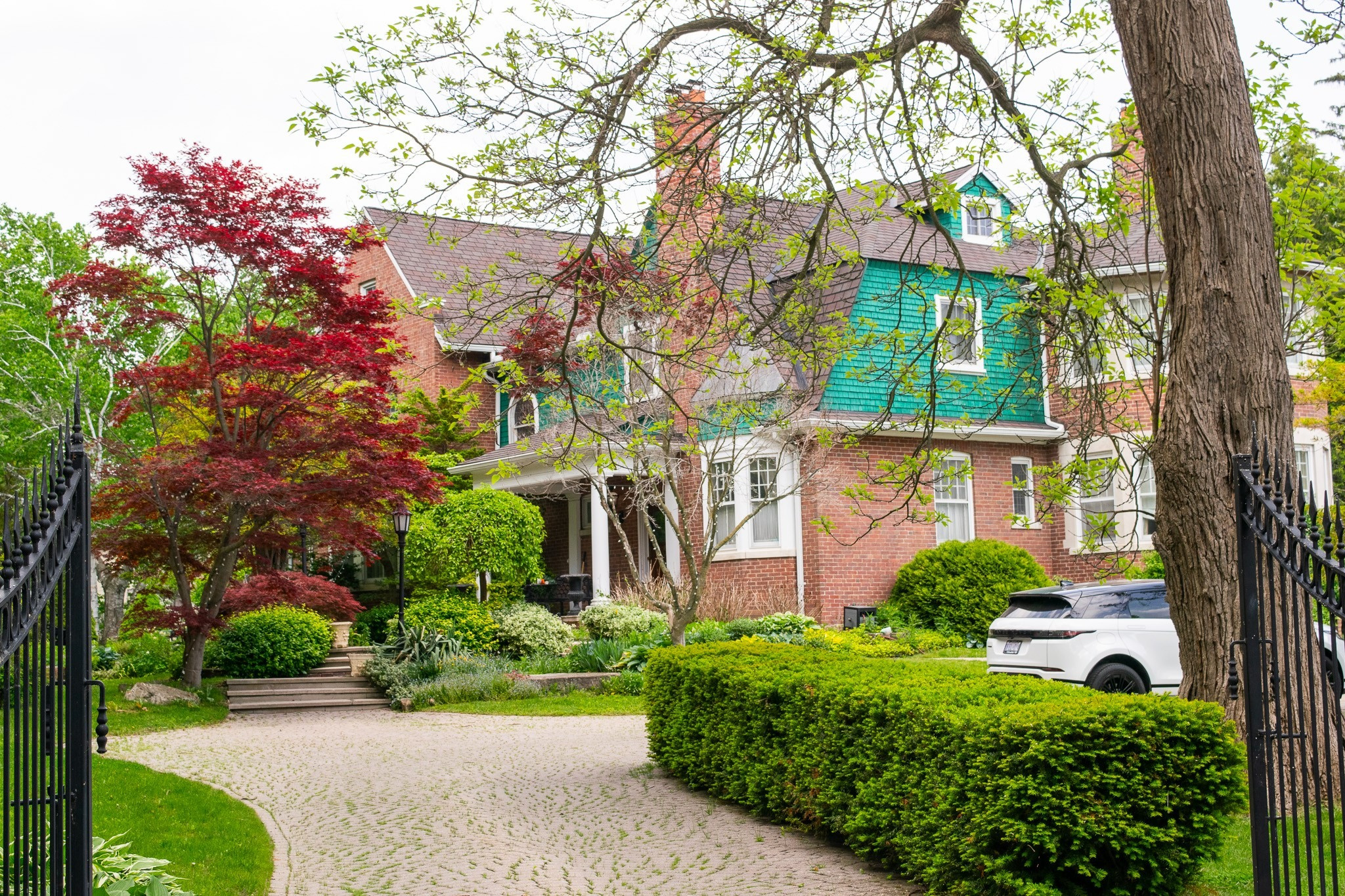
(Alexis Wright/The Pointer)
Due to the More Homes Built Faster Act pushed through by the PC government at Queen’s Park, homes that do not get a heritage designation by the end of 2026 could be torn down to make way for new housing. Dunlop said that if Council rejects the designation the matter can never be brought forward for a heritage consideration for the property again.
Under OHA criteria, properties must contain at least two of the requirements before they can be designated as a heritage site, including their unique design, historical and contextual value related to rare examples or representations of specific architectural styles and craftsmanship. They can also be associated with significant people, events and community history, or can contribute to an understanding of local culture, and can also receive a heritage designation for reflecting the work of notable designers and builders. Collectively, the requirements, which make up what is preserved, help define a district’s character, they maintain important historical connections and serve as recognizable landmarks within a community.
Lennox designed more than 70 buildings in Toronto, many of which still stand. He is credited for creating a distinct architectural design, found predominantly in the city’s Annex neighbourhood, including churches, banks, mausoleums, hotels and prominent houses. He is more widely known for the West Wing of the Ontario Legislative Building, The Omni King Edward Hotel, Old City Hall and Casa Loma.
The original owners of the house, Hobberlin and his wife, were well known for their community support during and after World War I, after he founded a Toronto-based clothing company called House of Hobberlin, which produced fashionable dress wear for men, before part of the Toronto factory was converted to manufacture uniforms for Canadian military officers stationed overseas. Mrs. Hobberlin was one of the founders of Peel Memorial Hospital in Brampton, and she kept the doors of their own residence open to wounded soldiers during and shortly after the war ended. Following the end of the First World War when soldiers returned home, the Hobberlins arranged a parade for veterans that ended on the Machree estate where a garden party was held for all the soldiers and their families.
The Mississauga street where the home stands is called Ben Machree Drive, which is Scottish for “Within My Heart” and is believed to be a reference to the name given to the Hobberlin estate.
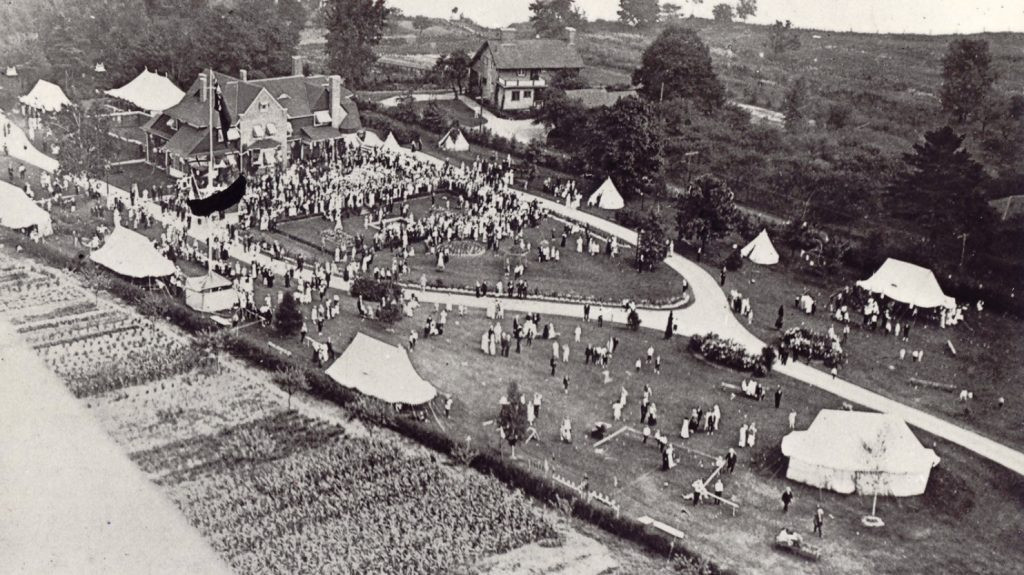
A photo of the celebration the Hobberlins threw, at what is now known as 20 Ben Machree Drive in Mississauga, for military service members and their family following the end of the First World War.
(Heritage Mississauga)
A Council vote on the heritage designation is expected at the meeting tomorrow, June 10 at 9:30 a.m., and residents can tune in virtually to follow the decision, and find out if the owners’ objection is successful.
Email: [email protected]
At a time when vital public information is needed by everyone, The Pointer has taken down our paywall on all stories to ensure every resident of Brampton, Mississauga and Niagara has access to the facts. For those who are able, we encourage you to consider a subscription. This will help us report on important public interest issues the community needs to know about now more than ever. You can register for a 30-day free trial HERE. Thereafter, The Pointer will charge $10 a month and you can cancel any time right on the website. Thank you
Submit a correction about this story

