
‘We’re not going away’: Erin residents still waiting for Canada's first municipal effluent cooling system to protect Credit River
When Belfountain resident Ann Seymour was a child, her “lovely parents” would pile the entire family in the car for weekend adventures along the green canopies of Niagara Escarpment following a giddy anticipation that lingered all week long. It was a time for the family to be one, happy and carefree.
Their favourite destination?
The West Credit River that wound down through the escarpment to the Forks of the Credit, merging with the Credit River.
“Unbeknownst to me, I had no idea that the West Credit River would later become an integral part of my life,” Seymour told The Pointer.
Bordering the rivers is the scenic Forks of the Credit Road, a well-known scenic drive traversing stretches of “near wilderness close to the Greater Toronto Area”.
During one family outing, the Seymours visited Belfountain Conservation Area, nestled along the West Credit River, “a truly special place” where she fondly remembers the swing bridge, grotto, fountain and forested trails.
“At one point along our walk, I put my hands into the river – the water was surprisingly clear and cool,” she reminisced.
“It is unique, special, and an enchanting place where one can experience and feel nature.”
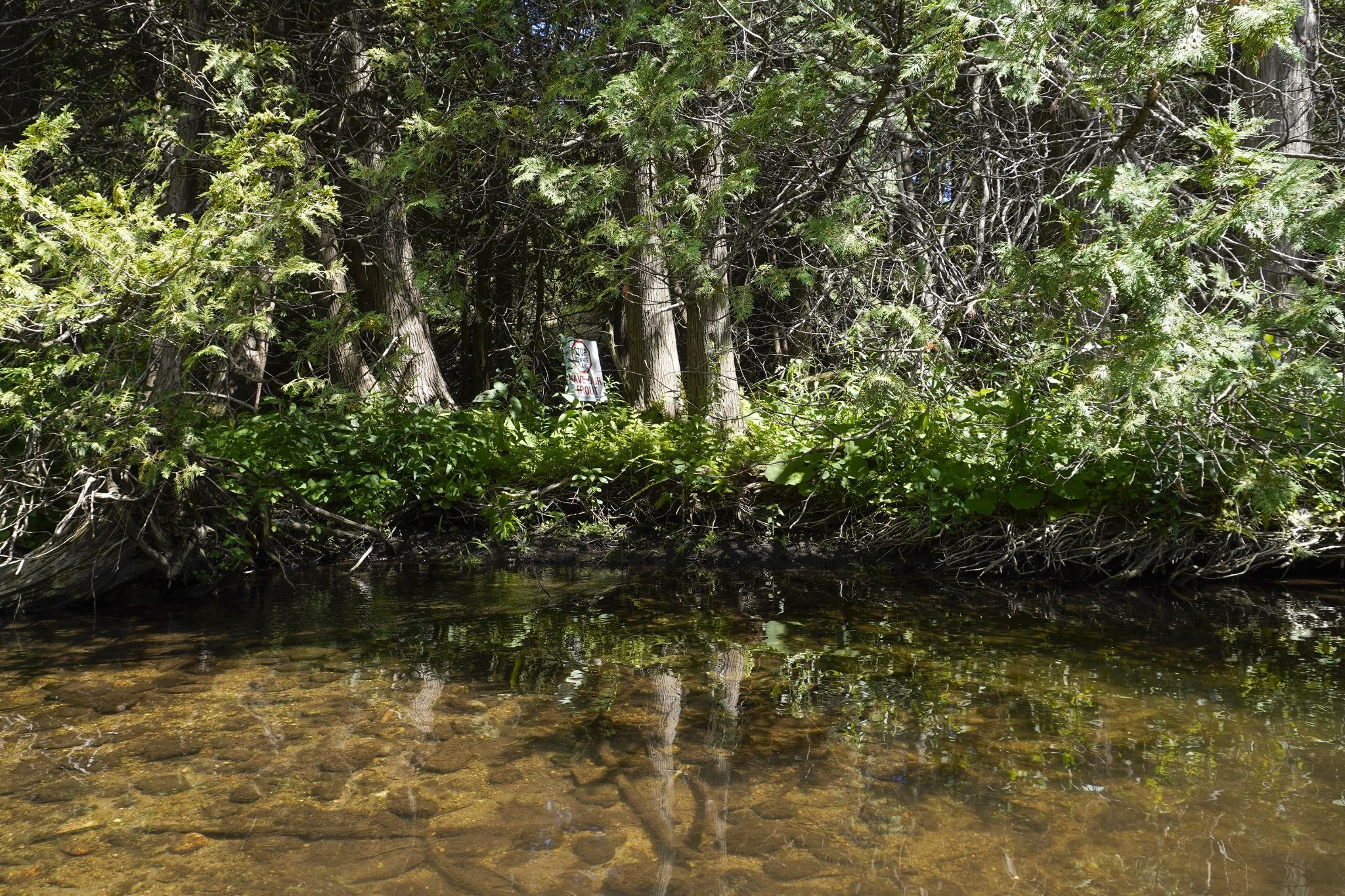
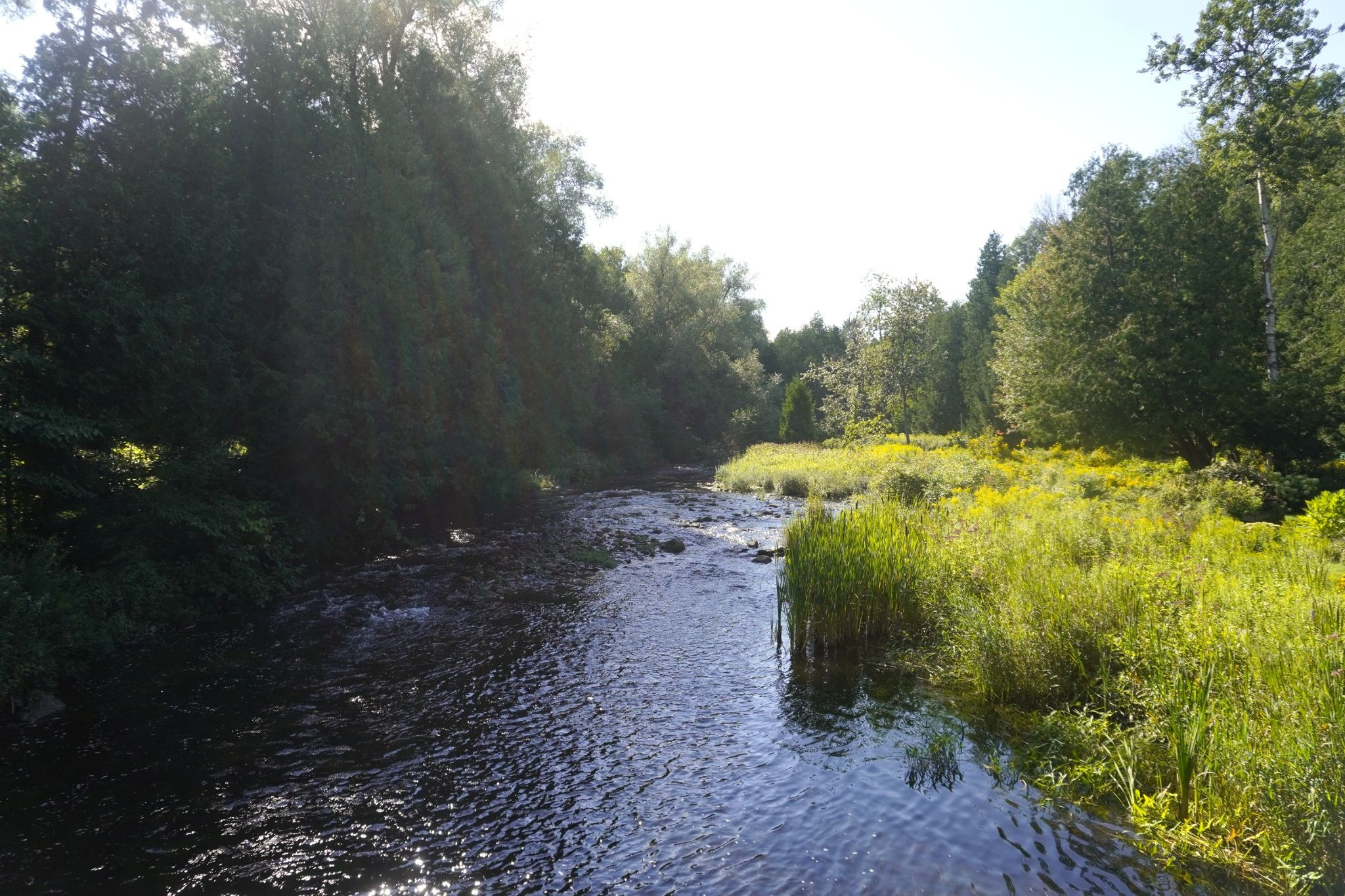
The Credit River near Erin, where Ann Seymour lives, is under threat, after local officials and a developer behind a new subdivision pushed for a water treatment plant that will release effluent into the pristine waters.
(Alexis Wright/The Pointer)
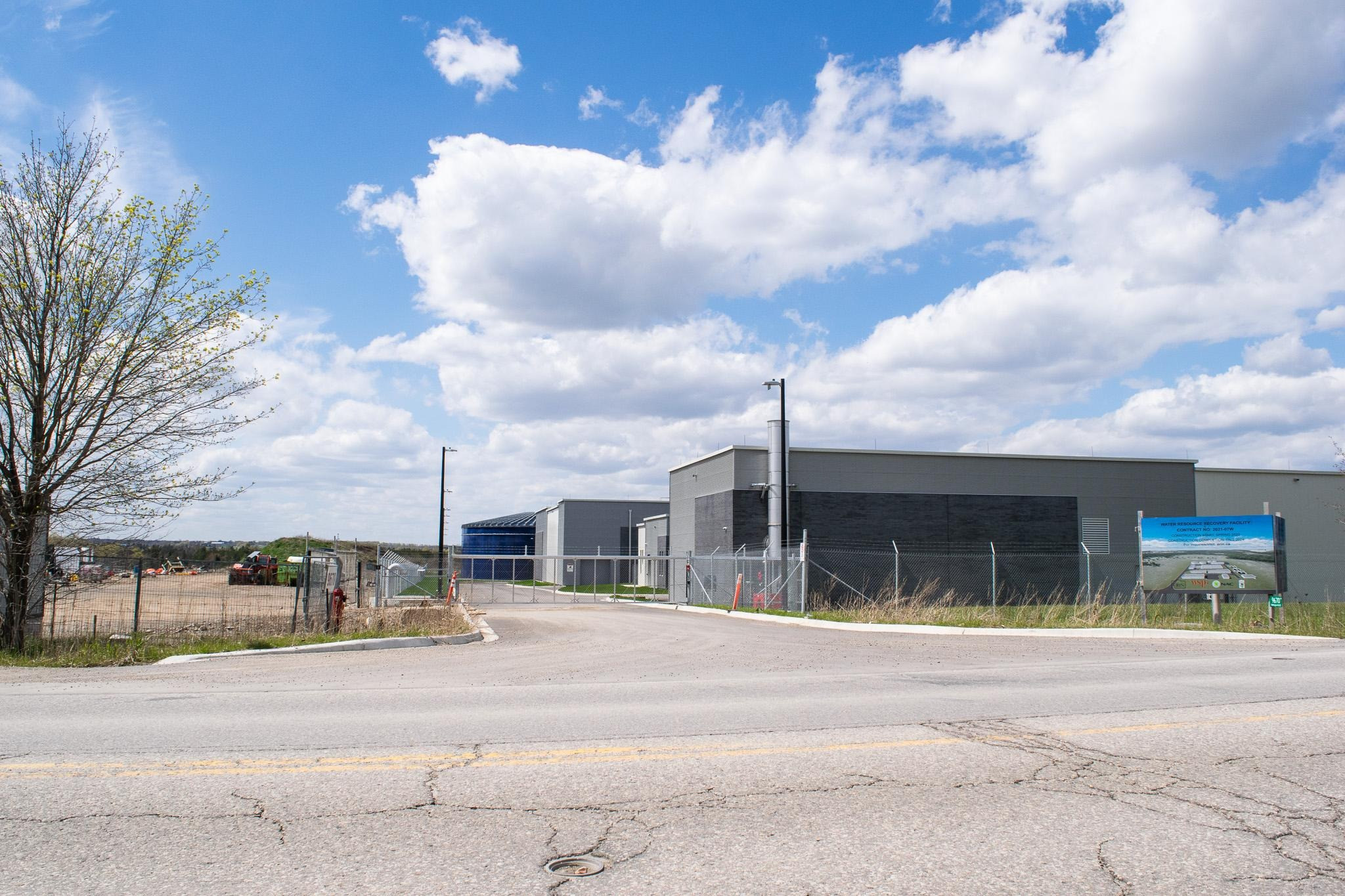
The new water treatment facility in Erin.
(Alexis Wright/The Pointer)
Decades later, with wisdom, grey locks and responsibilities on her shoulders, Seymour would find herself at the center of a fight to protect those same cold waters that are the lifeline of Brook Trout and the delicate ecosystem they rely on from the 7.2 million litres of effluent that would be dumped every day from a wastewater treatment facility less than five kilometres from her house.
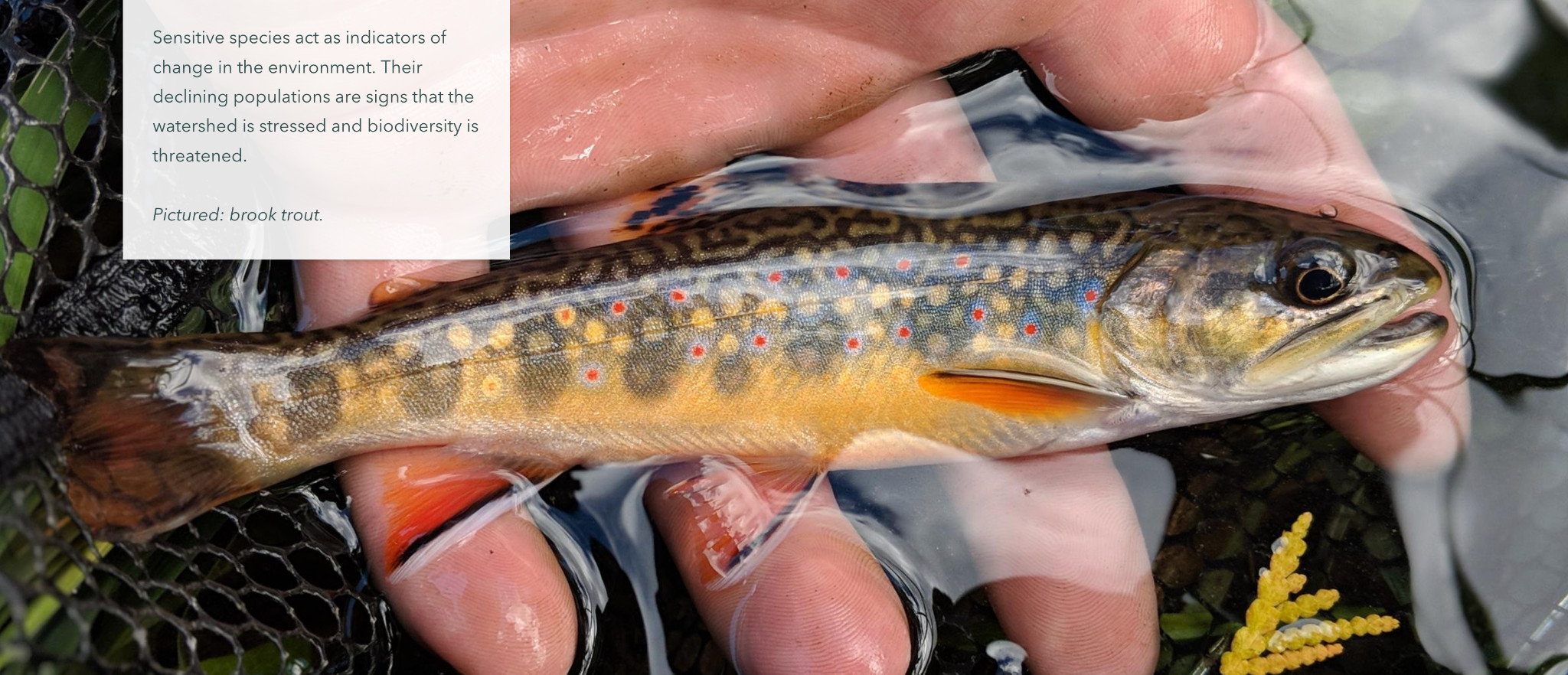
Brook trout are considered a highly sensitive, “canary in the coal mine” species, serving as a critical bioindicator of cold and clean water ecosystems, and are the only native salmonid in many Ontario streams. However, in the past decade, they have been experiencing decline due to climate change, urbanization and land use changes, invasive species and habitat degradation, requiring precise, cold groundwater-fed habitats with temperatures less than 19 to 20 degrees Celsius.
In 2018, while waiting in line at a grocery store, she started chatting with a stranger and mid-conversation, he casually asked, “Do you know about the wastewater treatment plant?”
“No,” she responded, perplexed.
That simple exchange changed her life entirely…
“After that, I threw myself into the story.”
Night after night after work, Seymour buried herself in stacks of environmental assessments, technical studies and binders filled with thousands of pages tied to the Town of Erin’s proposed wastewater treatment plant, a local project years in the making that residents fear could permanently alter the West Credit River.
In 1995, a draft environmental study for sewage works in Erin Village was first prepared but never finalized. Nearly two decades later, the Town revived the idea as provincial growth pressures mounted. In 2011, Erin’s Servicing and Settlement Master Plan (SSMP) identified the West Credit River as a highly sensitive watercourse where water quality degradation beyond provincial standards would not be accepted.
By 2014, the SSMP recommended moving forward with a municipal wastewater system to support future population growth in Erin and Hillsburgh with an Assimilative Capacity Study concluding the West Credit River could support a serviced population of roughly 6,000 residents.
“It is suspected that the lack of full municipal services in the villages may be a contributing factor to the low rates of develop and growth,” a consultant from B.M. Ross wrote in the Town’s SSMP in 2014.
The same studies warned the river’s fragile cold-water ecosystem, one of the last self-sustaining Brook Trout habitats in southern Ontario, would require strict environmental protections. Consultants recommended the Ministry of the Environment, Conservation and Parks (MECP) impose a maximum effluent temperature limit of 19 degrees Celsius with a target objective of 17 degrees Celsius to prevent the treated wastewater discharge from warming the river and threatening the sensitive trout population.
In April 2016, the Town formally launched the Environmental Assessment process for the wastewater servicing project. A year later, the Assimilative Capacity Study for the West Credit River was revisited by Hutchinson & Ainley Consultants: the updated study initially retained the MECP’s recommended safeguards to protect the river’s cold-water ecosystem but those temperature protections were removed from the study’s final conclusion section without much explanation or comment.
In May 2018, a Notice of Completion was issued for public review. By then, Seymour had immersed herself knee-deep into research and a month later, she sent a Part II order request or a “bump-up request” on June 15 alongside two more requests to MECP asking the province to elevate the project to a more rigorous environmental review process.
All three requests were denied by August 2019.
Former Progressive Conservative environment minister Jeff Yurek said an individual environmental assessment was “not required” and the Town had “demonstrated that it has planned and developed” the project “in accordance with the provisions of the Municipal Class Environmental Assessment.
“I am satisfied that the purpose of the Act, “the betterment of the people of the whole or any part of Ontario by providing for the protection, conservation and wise management in Ontario of the environment,” has been met for this project,” Yurek wrote in his letter to Seymore on August 29, 2019.
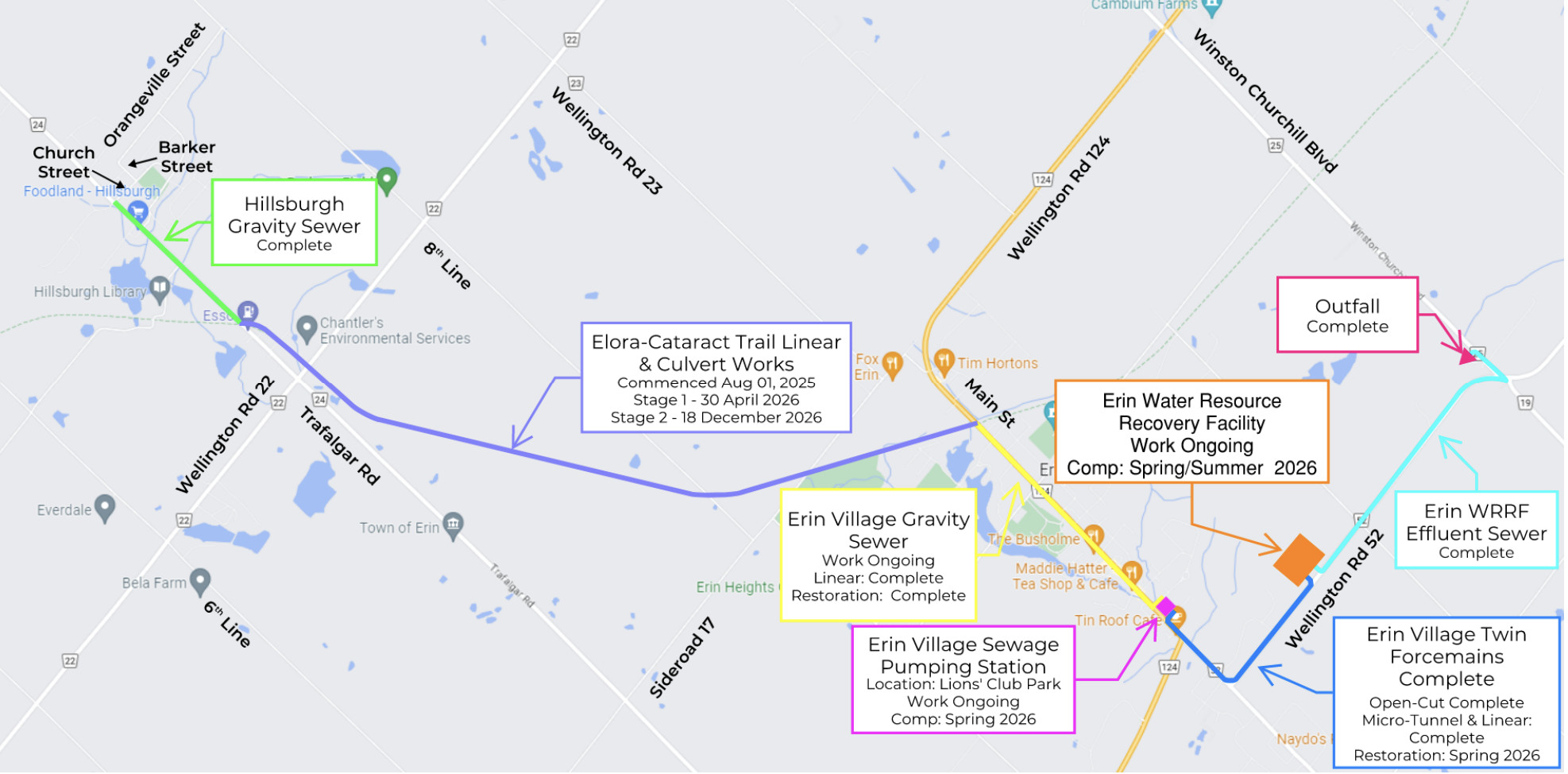
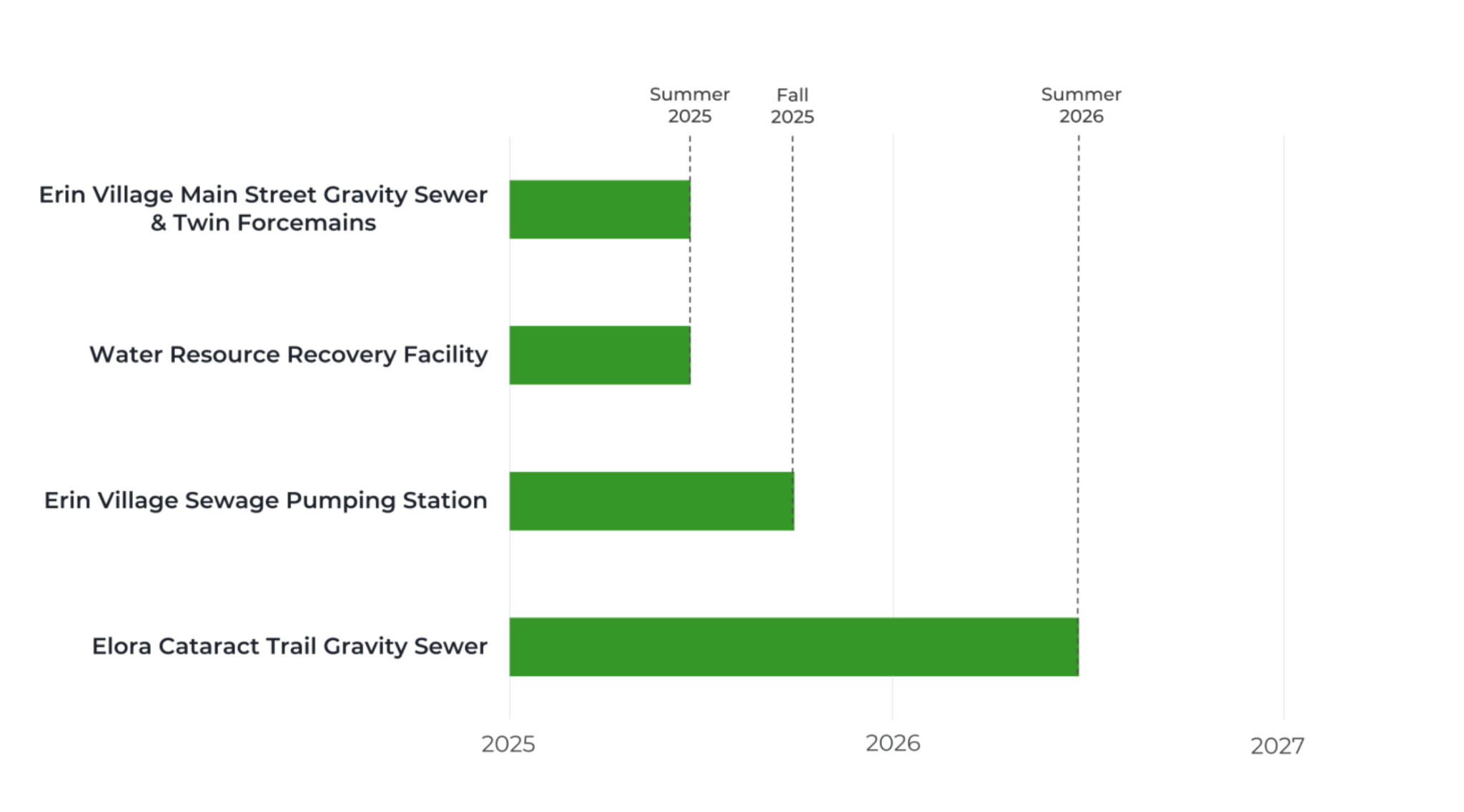
The Town of Erin recently reported that work on the Erin Water Resource Recovery Facility remains underway and the overall completion is now anticipated by the end of spring or summer 2026. The Town described the project as one designed to meet “one of the strictest discharge requirements in North America” and will include Canada’s first municipal effluent cooling system aimed at protecting the cold-water habitat of the West Credit River. The gravity sewer installation and microtunneling work along Main Street in Erin Village have been completed including maintenance holes and twin forcemain installation and only restoration work on Water Street remains for spring. Work along the Elora Cataract Trail including gravity sewer installation, culvert upgrades and linear works connecting the future Hillsburgh and Erin Village wastewater systems is still ongoing. The presentation noted tree removals were conducted and approximately 20,000 replacement trees are planned across the trail corridor and other properties.
(WSP)
What alarmed Seymour and other concerned residents was how dramatically the project appeared to expand over time. While early studies assessed a serviced population of roughly 6,000 people, the estimated wastewater capacity had increased by 300 percent by 2019 to accommodate a projected population of nearly 19,000 residents, fuelling fears of the plant being designed for large-scale development.
The warning signs galvanized residents into organized opposition leading to the creation of the West Credit River Watch (WCRW) Facebook group in November 2019 to challenge the project and raise awareness about its ecological risks. Within a year, citizen advocacy groups like the Belfountain Community Organization, West Credit River Watch, Trout Unlimited Canada, the Izaak Walton Fly Fishing Club and the Ontario Rivers Alliance eventually formed the Coalition for the West Credit River.
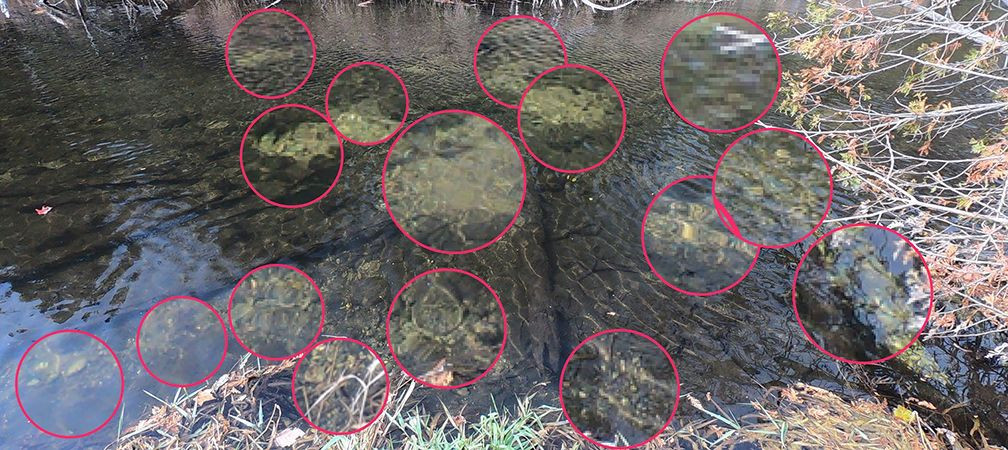
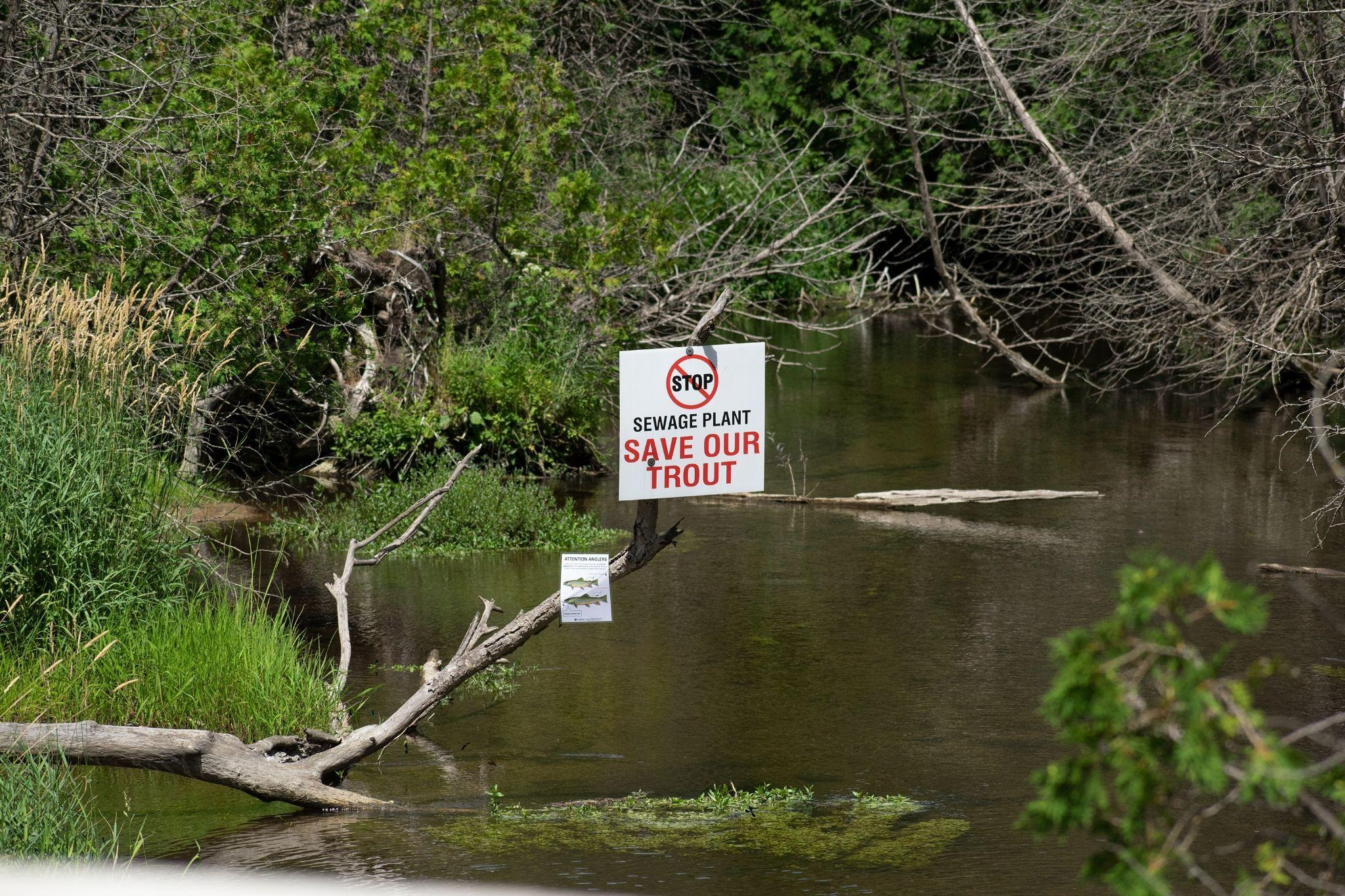
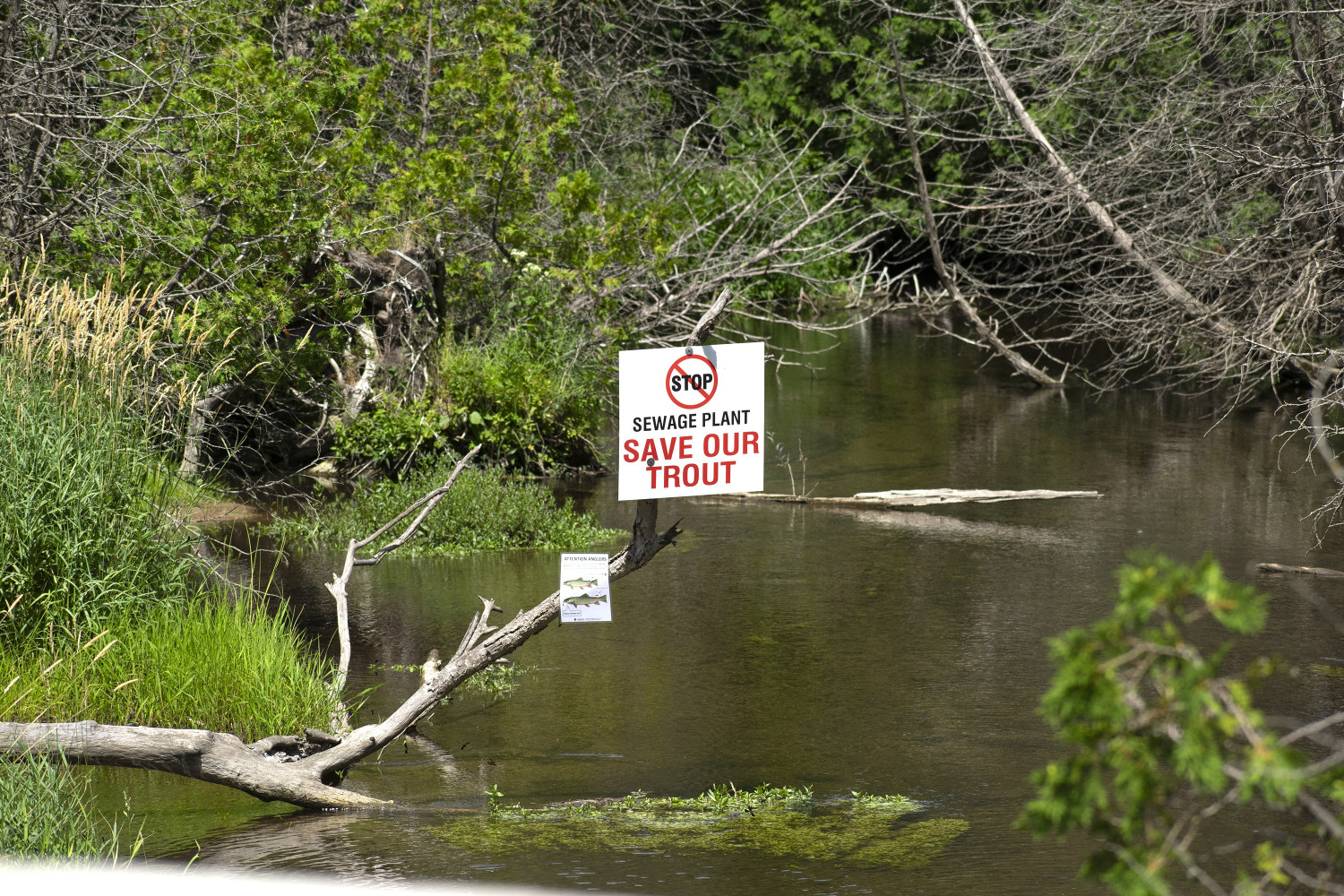
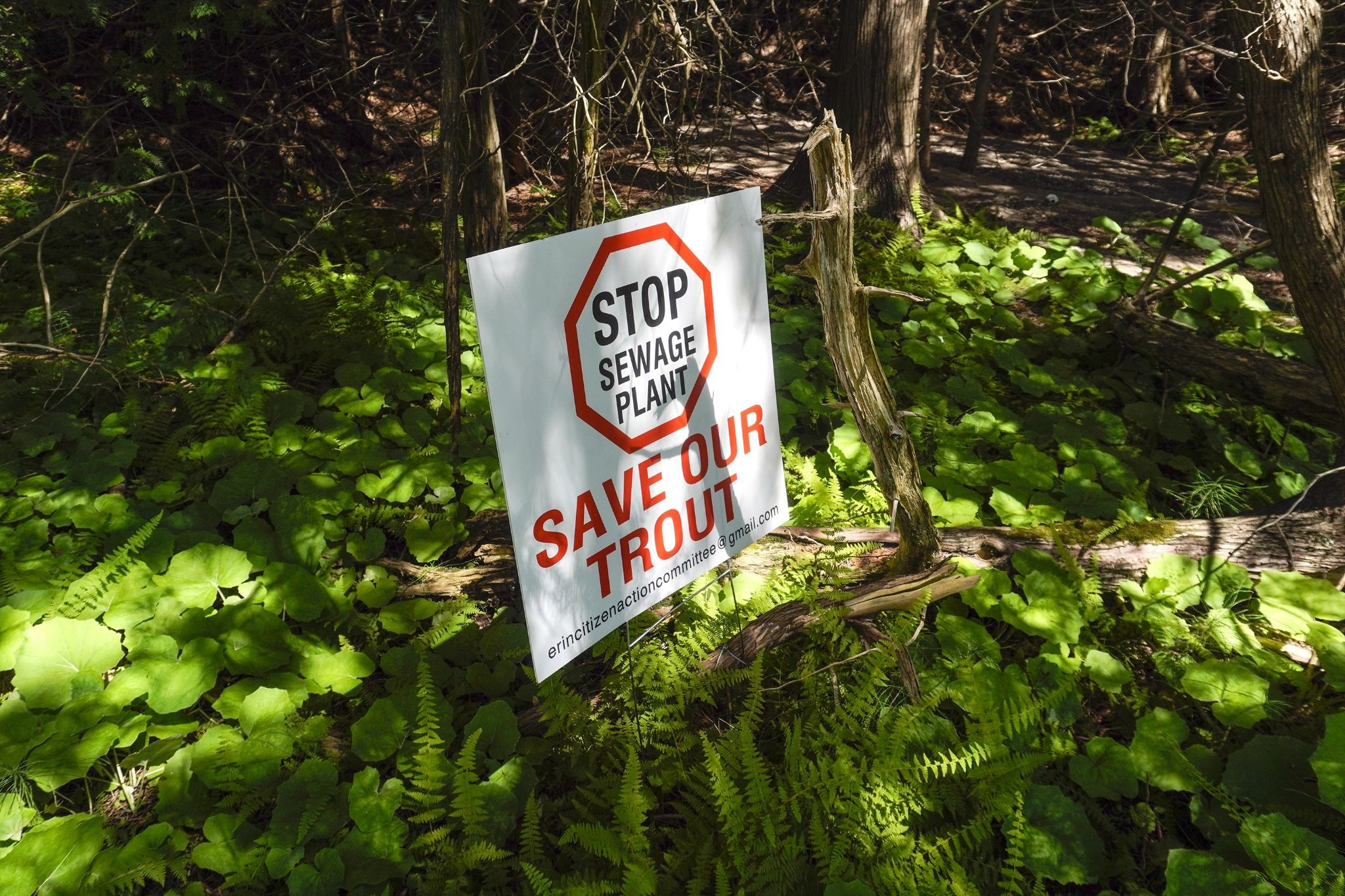
In the first photo, brook trout redds or nests were spotted in the West Credit River’s cold waters that hold more oxygen. Experts from the Credit Valley Conservation have noted that groundwater upwellings keep streams cool in summer, providing favourable conditions for brook trout spawning. In the second picture, residents installed signage once the threat to the brook trout population was identified as part of the wastewater treatment facility in Erin.
(Top: Steve Noakes, Below: Alexis Wright/The Pointer)
But a lot happened during that period…
In March 2020, the Town of Erin was awarded by the Canadian Association of Journalists’ as the most secretive municipality in Canada following disputes over several Freedom of Information requests, turning down media interviews, under Caledon’s current Chief Administrative Officer Nathan Hyder, and closed-door council decisions.
In December 2019, council approved additional plots of lands for future development tied to the proposed wastewater system in a closed-session meeting, agreeing the proposal would move ahead regardless of whether provincial or federal funding was secured.
By May 2020, Erin council approved a $1.5 million contract for WSP Canada to move ahead with the plant’s design.
A month later, the Ontario Rivers Alliance submitted concerns about the project to the Town, MECP, the Ministry of Natural Resources and Forestry (MNRF) and the Department of Fisheries and Oceans, backed by Trout Unlimited Canada, the Izaak Walton Fly Fishing Club, the Belfountain Community Organization and WCRW.
Soon, protest signs reading “Save Our Trout” began popping up across Erin and Belfountain as residents warned the planned discharge of treated effluent into the West Credit River could warm the cold-water stream and threaten Brook Trout spawning grounds downstream.
By October, the Town had drafted agreements for ten developers to front-end development charges to finance the wastewater facility, estimated to cost roughly $120 million back then, solidifying suspicions among residents about the project being driven by development interests.
The Town maintained that the wastewater treatment facility was necessary, given the “aging” septic tanks most residents use currently, which, in some cases, is also causing natural degradation to the Greenbelt land. These systems are owned by the individual property owners and allow for waste to be collected in a holding tank, which can be used for 15 to 40 years and needs to be pumped out every three to five years to a nearby WWTF.
On the Town’s website, it stated the only people benefitting from the WWTF would be those living directly inside the Villages of Erin and Hillsburgh, who will likely shoulder much of the costs that future residents and the developers who profit from the homes they build will be spared, as much of the system is expected to be online by then.
On November 26, 2020, West Credit River Watch and Belfountain Community Organization joined forces with several similar organizations to protect the river and formed the Coalition for the West Credit River (CWCR).
On February 25th, 2021, CWCR submitted a request to the federal environment minister to review the Erin Wastewater Treatment Plant under the Impact Assessment Act. The group argued the municipal environmental assessment failed to adequately address risks to sensitive Brook Trout habitat, endangered Redside Dace, reintroduced Atlantic Salmon populations, protected natural areas including the Forks of the Credit Provincial Park and Niagara Escarpment Biosphere Reserve, as well as the cumulative impacts of climate change, population growth, groundwater use and what residents described as inadequate public consultation.
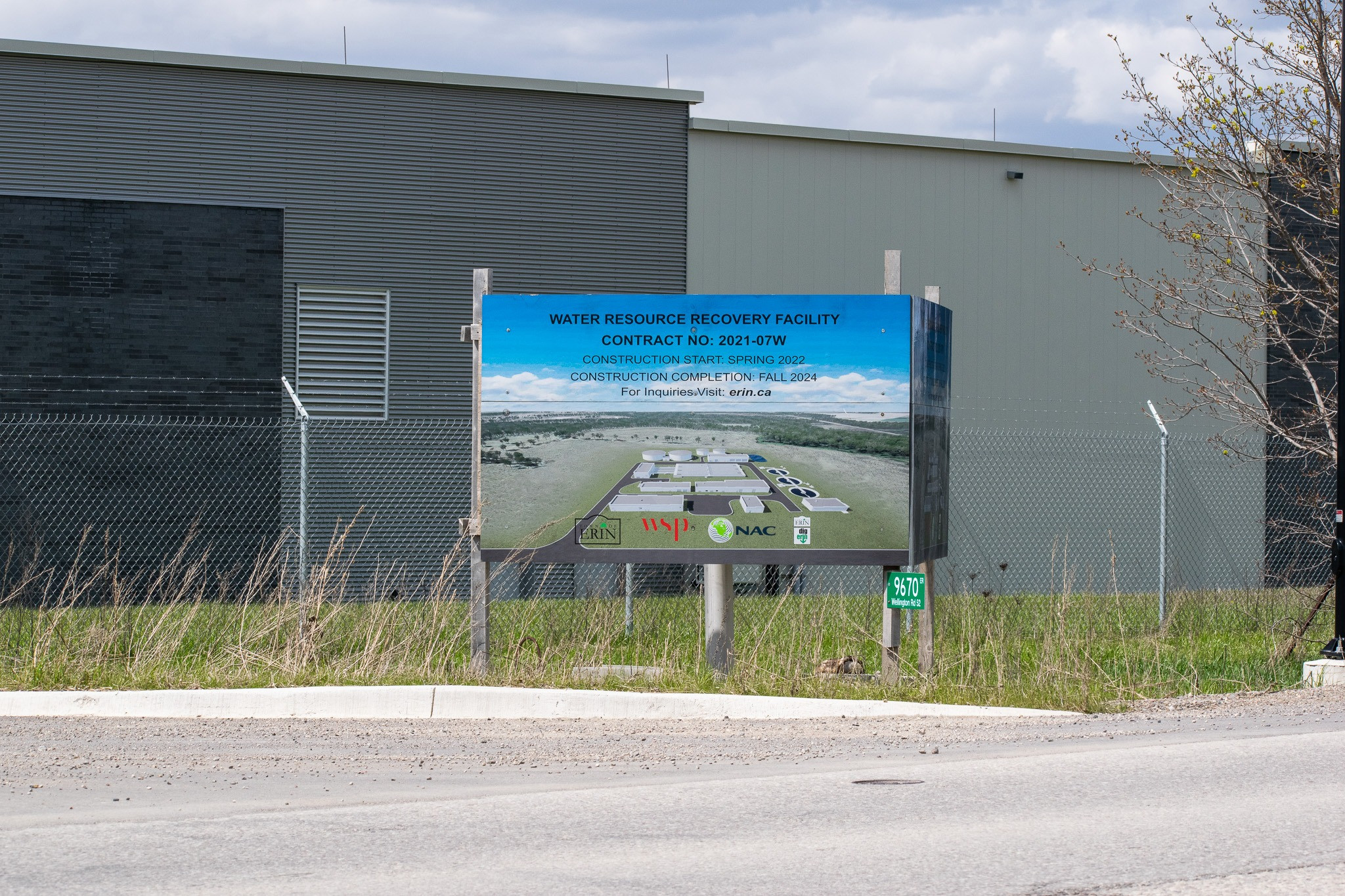
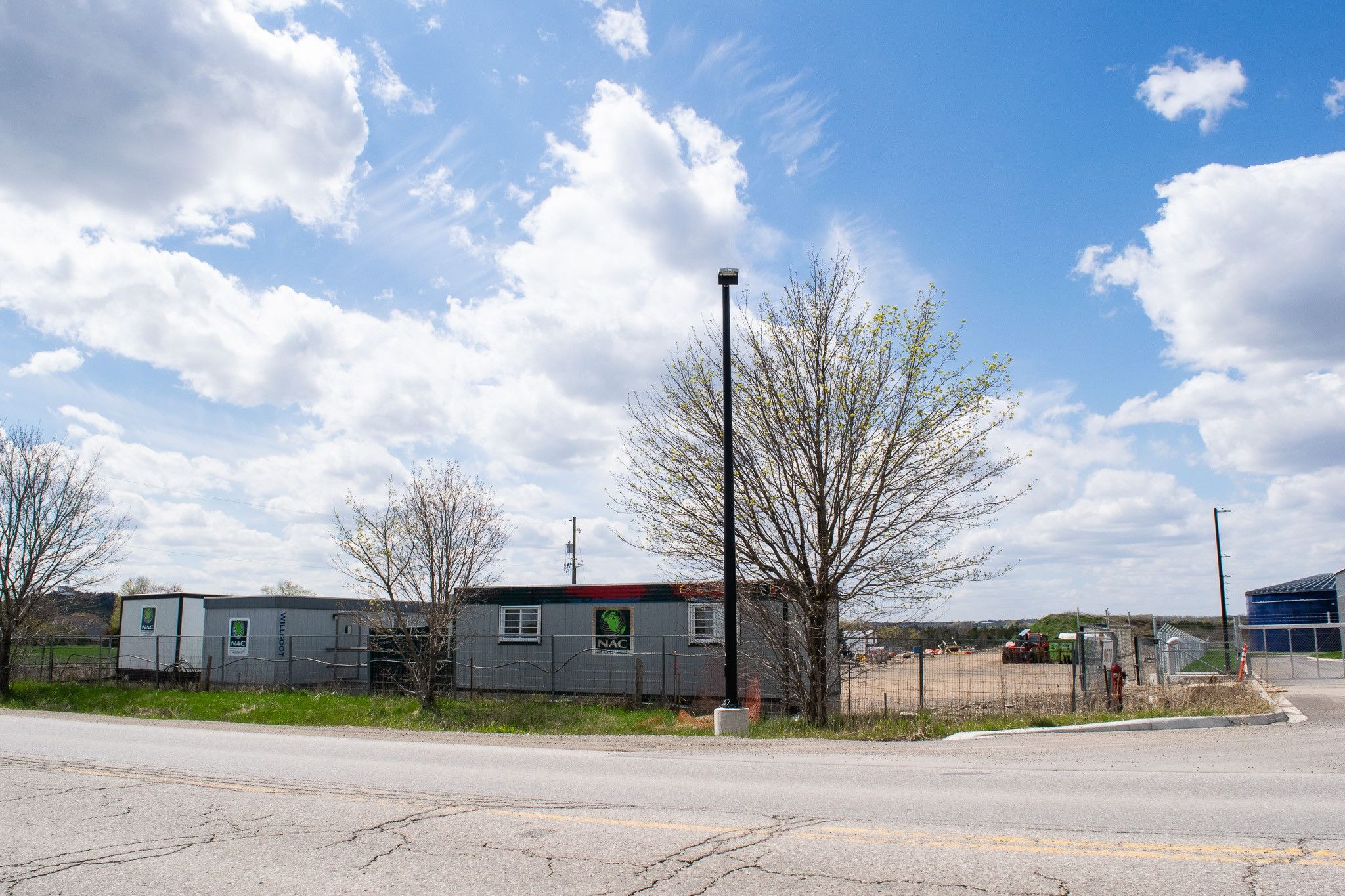
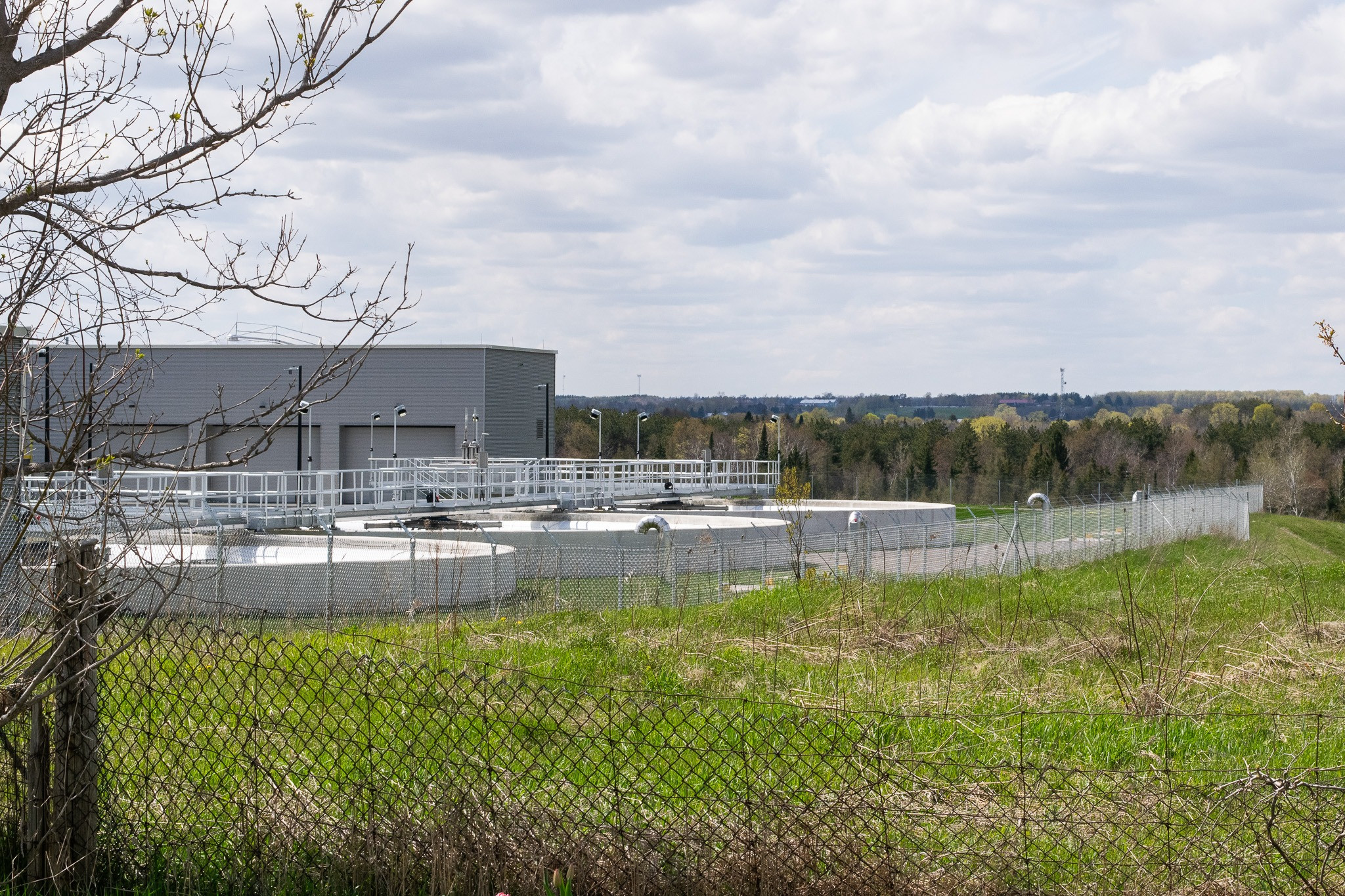
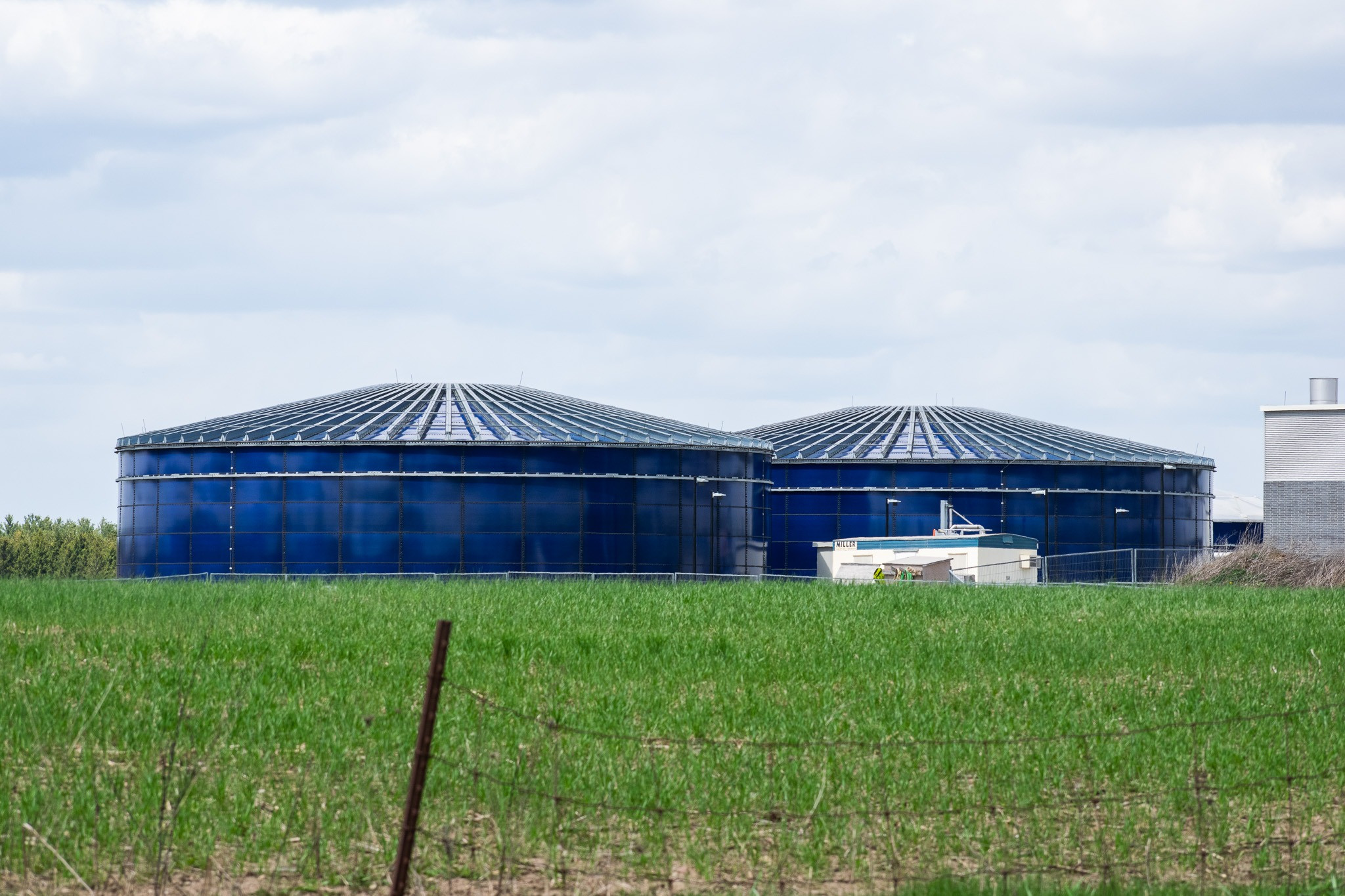
Major work currently in progress at the facility includes interior finishing work, SCADA system installation, low-flow modification works, operator orientation and equipment testing.
(Alexis Wright/The Pointer)
But the request was denied after the Impact Assessment Agency concluded that any potential adverse effects could be adequately managed through existing provincial oversight mechanisms including the Environmental Compliance Approval issued by MECP.
The decision was puzzling to those fighting the battle because MNRF documents predict that climate change will likely reduce the number of Ontario watersheds with brook trout by 50 to 60 percent by 2050.
But the coalition received a “list of directions from the ECCC that supported a chiller or cooling system”, Seymour said.
When crews from North America Construction Ltd. broke ground on the new wastewater treatment facility in April 2022, critics shifted their efforts toward ensuring the cooling system would ultimately be installed.
In a presentation earlier this year, on April 21, staff acknowledged that there was “a risk that the cooling system may not be ready in time and the Town is exploring schedule mitigation options”.
On May 11, CWCR members finally secured a meeting with the Town, Councillor Bridget Ryan and WSP’s design, construction and project teams after years of requesting one.
Freshwater Conservation Canada (FCC), formerly known as Trout Unlimited Canada (TUC), Greg Clark chapter secretary, John Monczka, described the exchange as constructive but key questions about the source of project delays remained only partially answered.
“I did not get a definitive answer, which I wouldn’t have expected to,” Monczka told The Pointer. But he was provided some explanations pointing to “equipment supply issues”, “construction challenges” and ongoing technical refinements rather than a single clear cause.
In an email to The Pointer, the Town’s Director of Infrastructure Services and Town Engineer, Brian Kavanagh, said the primary reason for the delay is the “inherent complexity of the system requirements and the associated engineering and procurement timelines”.
“In particular, the cooling solution relies on specialized heat exchanger equipment, which has extended manufacturing and delivery lead times due to its custom design and fabrication requirements,” Kavanagh said.
“As is often the case with technically specialized infrastructure components, sequencing design finalization, procurement, fabrication, and installation must be carefully coordinated to ensure system compatibility and long-term performance. This coordination has been the principal driver of the current schedule.”
The project’s funding, estimated to cost $200 million, is “not a contributing factor to the delay” despite the evolving scope of work.
“I have to take them at their word on that,” Monczka said.
The Town of Erin’s website mentions more than $180 million has been raised from the development community to fund the wastewater treatment plant and trunk lines, with developers covering growth-related costs including $7,000 per single detached unit in Erin and $10,000 per unit in Hillsburgh in addition to development charges.
“Extra costs, such as those associated with unforeseeable
underground conditions and those required to meet conservation authority or Ministry of Environment, Conservation and Parks permit requirements, are being managed diligently to contain costs and minimize associated financial liabilities for developers,” a 2024 Town report acknowledged.
Final costs will, however, vary depending on federal and provincial government funding and property-specific factors and Council continues to advocate for additional support to reduce the burden on households.
Currently, no cooling equipment has yet been installed on site, and timelines remain uncertain, even as commissioning discussions continue to shift. From the conversation, his understanding is that the cooling equipment supplier might “not [be] the easiest vendor to work with”.
Following the coalition’s request for information on the amendment package to be submitted to MECP covering the requirement to install a cooling system and the associated approvals for project changes, Monczka said officials indicated they were targetting a roughly 16-week window to secure final approval and have the cooling system in place.
In his experience as a former Senior Environmental Specialist at Hydro One, Monczka said that while timelines are being provided, similar projections in his past work were treated as firm commitments backed by contractual penalties, which may not necessarily apply in this case.
“My sense is 16 weeks is going to be another case of an over promise and under deliver,” he added.
“It’s a bit of a moving target”.
Kavanagh said the Town remains “confident” in the overall delivery of the project and bringing the cooling system online “as efficiently as possible, given the technical and supply chain considerations involved”.
But climate change does not care about technical delays.
Environment and Climate Change Canada has already predicted this summer to be the hottest on record, which rings alarm bells for advocates concerned about the Town’s request to MECP to temporarily operate the new wastewater treatment plant without the required effluent cooling system.
“There has been no decision made in terms of letting them run the plant without a cooling system,” Monczka noted.
He asked Town officials if there were any contingencies in place if temperatures rose above the 19 degrees Celsius threshold during extreme heat events. He was told that one option could be temporary on-site storage during peak conditions, given low flows and available plant capacity.
But he questioned how effective that approach might be in practice since holding large volumes of warm effluent could risk creating a “heat sink” effect rather than preventing thermal impacts.
A CWCR analysis of effluent temperature data from multiple southern Ontario wastewater treatment plants found a consistent relationship between rising air temperatures and rising effluent temperatures, especially during extended periods of heat.
When average daily air temperatures increase, effluent temperatures tend to follow, often lagging behind but continuing to climb over consecutive hot days as treatment systems are exposed to ambient conditions that warm up. This cycle is reinforced by processes within wastewater treatment systems where effluent is exposed to air and sunlight during aeration and storage, making it vulnerable to external temperature swings.
The Town and WSP previously provided reassurance that the treated effluent would be cooled to 19 degrees Celsius as deemed suitable by the EA as well as directions by MECP. The province also required additional monitoring to be completed before the cooling system’s final design can move ahead.
The Pointer reached out to MECP to ask if the ministry had received the final design but did not receive a response by the time of publication.
Previously, CVC said it was satisfied with the mitigation measures intended to protect the Brook Trout population.
“Credit Valley Conservation’s (CVC) regulatory role with Erin Water Resource Recovery Facility is scoped to review impacts to natural hazards such as flooding and erosion,” a recent statement shared with The Pointer noted.
“CVC has issued the required permits for the construction of the Water Resource Recovery Facility and associated infrastructure.”
Questions are still swirling around how the system would operate in practice: at times, the cooling system would not run unless temperature exceedances were detected, meaning effluent above the 19-degree threshold could still find its way into the West Credit River.
Why does it matter if the water gets a bit hotter?
While many Ontarians love summer, brook trout don’t love what a warming planet does to the scientific makeup of water. In healthy summer conditions of roughly 14 to 16 degrees Celsius, dissolved oxygen levels are typically near saturation (around ten to 11 ppm) supporting both survival and reproduction. But as temperatures increase, oxygen availability drops and the metabolic demand of trout rises, opening a narrow window for thermal tolerance.
The Town’s sewage plant proposes to discharge effluent at 4 ppm dissolved oxygen into the West Credit River, creating an oxygen-depleted plume that could extend several hundred metres downstream into Brook Trout nursery habitat, despite federal guidelines recommending a target of 9.5 ppm to protect cold-water aquatic life under local conditions.
Another stressor for fish dependent on cold waters is ammonia which increases toxicity with both temperature and pH (potential of Hydrogen) with the more harmful unionized form becoming prevalent under warmer conditions, increasing risks of gill damage and chronic physiological stress in fish.
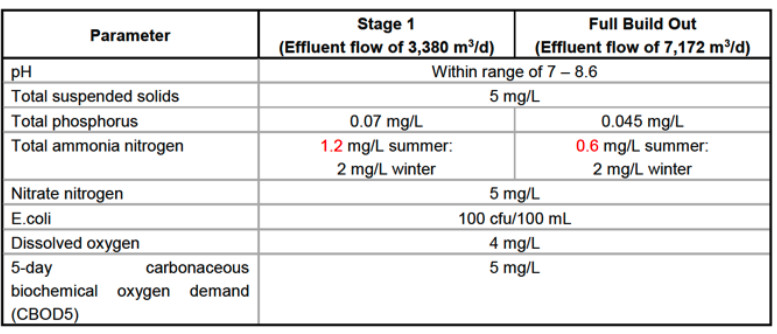
Modelling cited in earlier assessments of the wastewater treatment facility suggested portions of the river could experience ammonia concentrations exceeding recommended thresholds, particularly within and downstream of the effluent plume, where sensitive habitat for species such as both the Brook Trout and Redside Dace is located.
The Canadian Council of Ministers of the Environment has also identified chloride as a toxic substance to aquatic life with long-term exposure of 120 (mg Cl- /L) and short-term exposure of 640 (mg Cl- /L) recommended for freshwater systems.
The Assimilative Capacity Study for the WWTF used data from similar wastewater plants to estimate chloride levels for the proposed facility with average effluent concentrations around 396 milligrams per litre (mg/L). The modelling showed once this effluent mixes with the West Credit River, chloride levels could range from about 121 mg/L in early phases to 180 mg/L at full build-out, depending on flow conditions, which means levels could be at or above the long-term safe guideline of 120 mg/L, even though they would remain below the short-term acute limit.
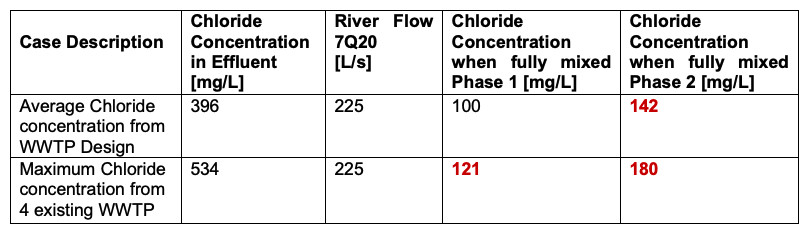
In parts of the West Credit River near the discharge, chloride levels could stay above 120 mg/L or what is considered safe for long periods of time, in turn, stressing aquatic insects and other organisms that Brook Trout and Redside Dace depend on for survival.
(Ontario Rivers Alliance)
A recent study conducted by University of Waterloo researchers also found fish living downstream of wastewater treatment plants are accumulating antidepressants, opioids and other drugs like fentanyl and methadone in their bodies despite the wastewater being treated beforehand, which in the long run may alter their behaviour, reproduction and development.
“Fish are exposed to and can accumulate these novel drugs when exposed to even well-treated wastewater,” Dr. Mark Servos, a professor in the Department of Biology and a researcher at the Water Institute, said.
“Because wastewater treatment plants are not designed to remove pharmaceuticals, aquatic organisms are likely exposed to these chemicals downstream of most communities where these drugs are prescribed or used illicitly.”
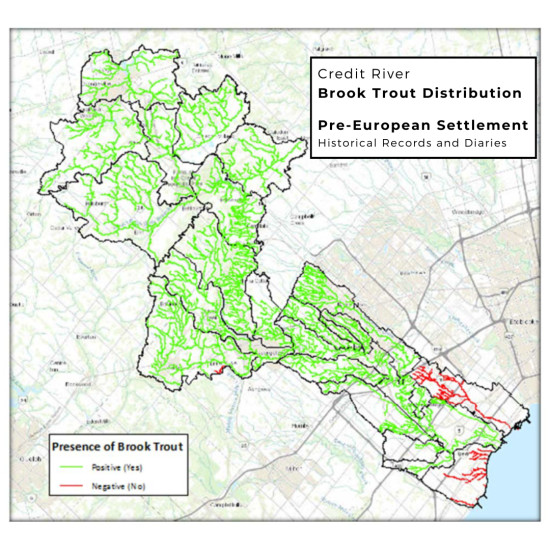
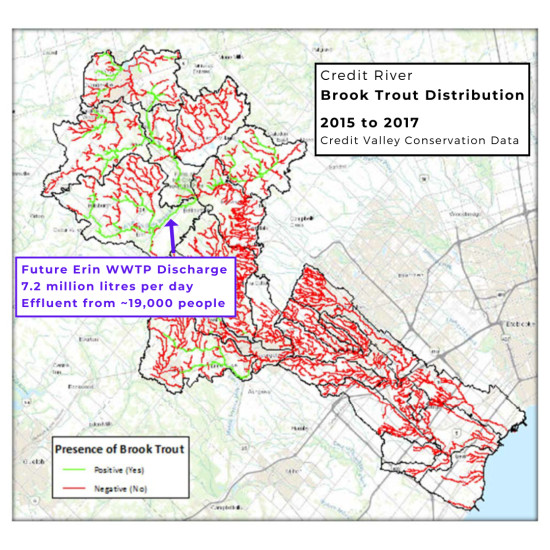
Brook trout populations have declined by more than 53 percent throughout the Credit River Watershed since 1999. At some stream monitoring sites, it is 80 percent—a declining trend being recorded across Ontario.
(Maps compiled by Trout Unlimited Canada/Coalition for the West Credit River)
Monczka has raised the issue with a fisheries director in Burlington whose jurisdiction includes the area, noting that the Fisheries Act could be triggered if there is an impact on fish habitat. While the Act is often associated with contaminants like heavy metals or hydrocarbons, it also includes water temperature as a potential “deleterious substance”.
The subsection 36(3) prohibition of the Fisheries Act does not require visible fish kills for enforcement but only the potential for harm, so action can be taken before damage becomes obvious: “For a potential violation, it is not necessary for the deposit to cause deleterious effects in fish that inhabit the receiving waters or for the receiving water to become deleterious itself. The deleterious substance needs only to have been deposited and made its way into water frequented by fish, or be deposited in a place under any conditions where it may enter water frequented by fish.”
How much can the Credit River take? How long do human influences get to dictate the Brook Trout’s survival and adaptability?
Brook trout populations in southern Ontario have dropped by 80 percent over the past 70 years, largely due to unchecked urban development. Under the PC government, projects like Highway 413 and the Ontario Place megaspa have only worsened conditions.
One of the most contentious elements of the application involves the discharge of up to 500 million litres of groundwater. This water would be pumped out of the quarry site, where it naturally seeps in as excavation extends below the water table and dumped into a series of holding ponds on the Osprey Valley Golf property, eventually flowing into the Credit River.
Originally, CBM proposed routing the water through a pipeline across CVC lands but that plan was rejected. Their new scheme shifts the burden downstream by using surface ponds to temporarily store the excess water.
When cold groundwater is pumped into surface ponds and sits exposed for days or weeks, its temperature rises rapidly, especially in spring and summer. This now-warm, sediment-laden water is then released into the river, potentially raising water temperatures and disrupting the delicate thermal balance brook trout require.
“A state-of-the-art design may not be required everywhere, but we should not be destroying the last remaining healthy subwatershed for expediency”, retired MNRF fisheries biologist and renowned fisheries advocate in southern Ontario, Jack Imhof, said.
Monczka, a resident of Scarborough, found out about the WWTF after he took up fly fishing in retirement and joined Freshwater Conservation Canada for some restoration work along the Upper Credit River, one of the few remaining stretches of cold-water habitat in southern Ontario that still supports a native, self-sustaining brook trout population.
“Within about an hour to an hour and a half of six million people, you’ve got a place where the fish are doing what they’ve been doing for almost 10,000 years since the glaciers retreated,” he said
Once a week during the summer and fall, he often travels to Erin to see Seymour and grab an apple fritter at Holtom's Bakery.
“And I feel better,” he said, a smile finding its way on his face as he imagined standing in the warmth of the green and blue expanse.
“It’s a special place. It’s my home water.”
Even as answers remain unanswered and frustration tugs around, both Monczka and Seymour are determined to continue pushing forward to protect the community and the natural world that brings the “charm” to Erin.
“We’re not going away.”
Email: [email protected]
At a time when vital public information is needed by everyone, The Pointer has taken down our paywall on all stories to ensure every resident of Brampton, Mississauga and Niagara has access to the facts. For those who are able, we encourage you to consider a subscription. This will help us report on important public interest issues the community needs to know about now more than ever. You can register for a 30-day free trial HERE. Thereafter, The Pointer will charge $10 a month and you can cancel any time right on the website. Thank you
Submit a correction about this story

