
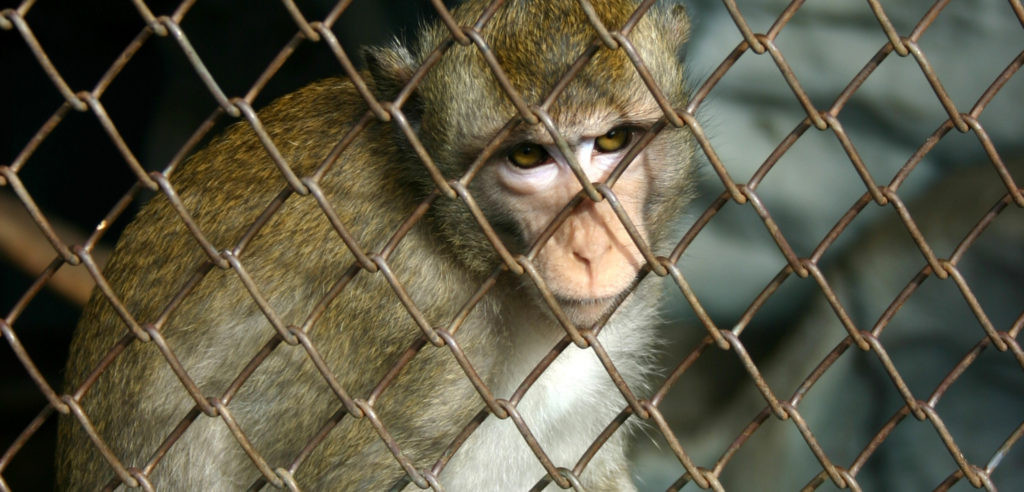
‘Cannot believe COVID-like outbreaks don’t happen far more often’: Canada’s role in animal trade driving pandemic risks
British Columbia conservation biologist Chris Shepherd has spent more than three decades, oftentimes undercover, inside wildlife markets across the globe.
The gruesome sights he has witnessed make it hard to believe that “outbreaks like COVID don't happen far more often”.
In the early 90s, Shepherd had just completed high school, unaware of the world he was about to step into, when he decided to travel to Southeast Asia. It was a decision that came to him intuitively; he had grown up loving animals and nature, in a distinctively Canadian way. Part of his passion can be traced back to Judy Mills.
As a 10-year-old, he remembers reading an article by Mills in the magazine Ranger Rick about sun bears being killed for food and traditional medicine.
“It really bothered me, really upset me as a kid that this was happening,” Shepherd told The Pointer.
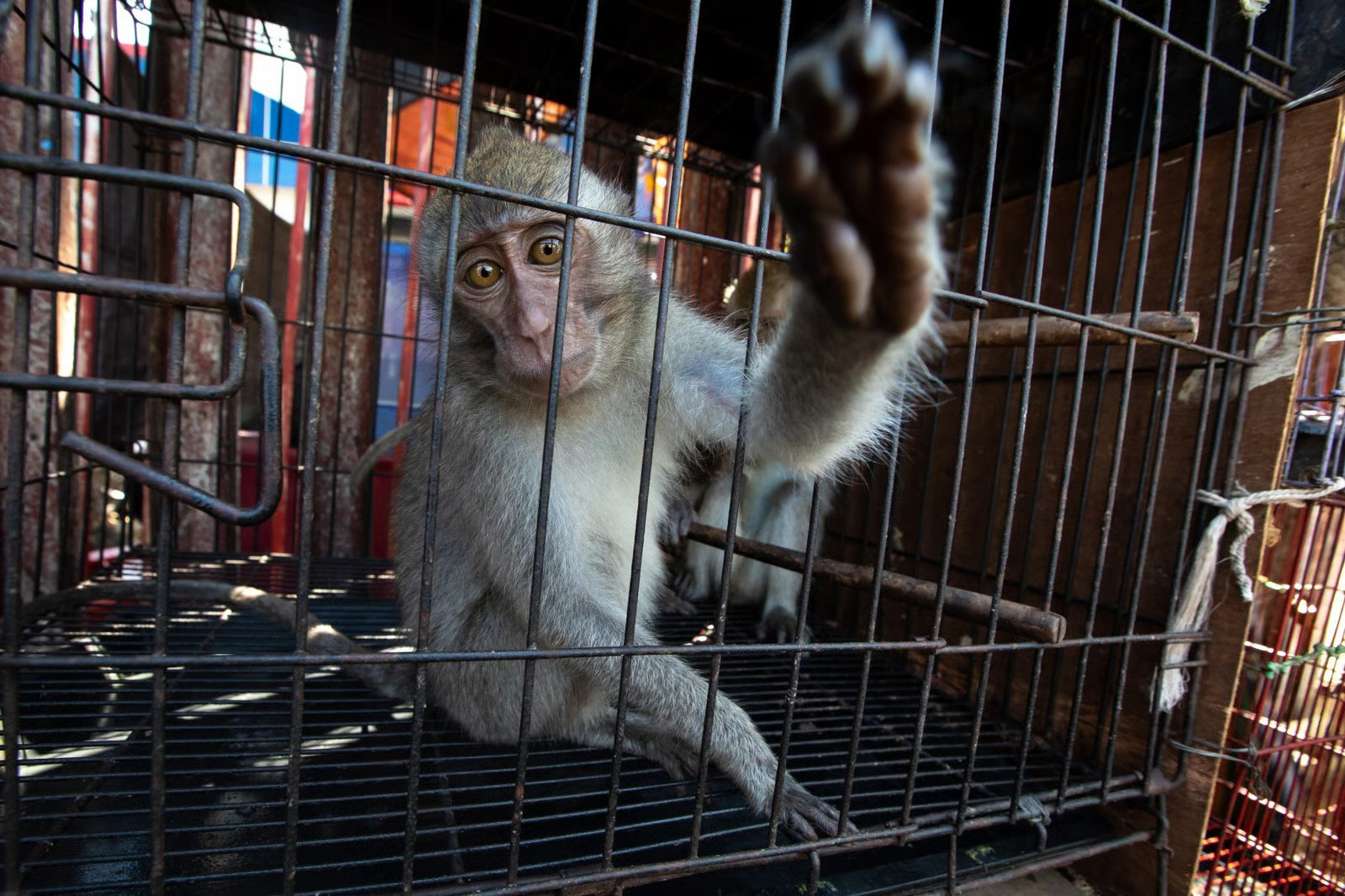
Various species of monkeys are sold to people around the world (often illegally) who either keep them as pets or use them to make money as entertainment.
Soon after, he began reading about the ivory trade, slowly understanding the global scale of wildlife exploitation. “I knew I wanted to do something to help animals. I knew I wanted to do something to tackle illegal trade.”
But the nightmare that had been encapsulated in just words came to life when he landed in Indonesia.
“When you get to looking there, you don't have to scratch the surface very hard to get into it all,” Shepherd learned.
In busy markets and tourist-lined streets, stalls display rows of animal remains from primate skulls stacked like curios, polished shells and carved coral bracelets catching the light, to teeth and bones repurposed as souvenirs. Vendors call out to passersby, many of them tourists, assuring them these items can be taken home without trouble.
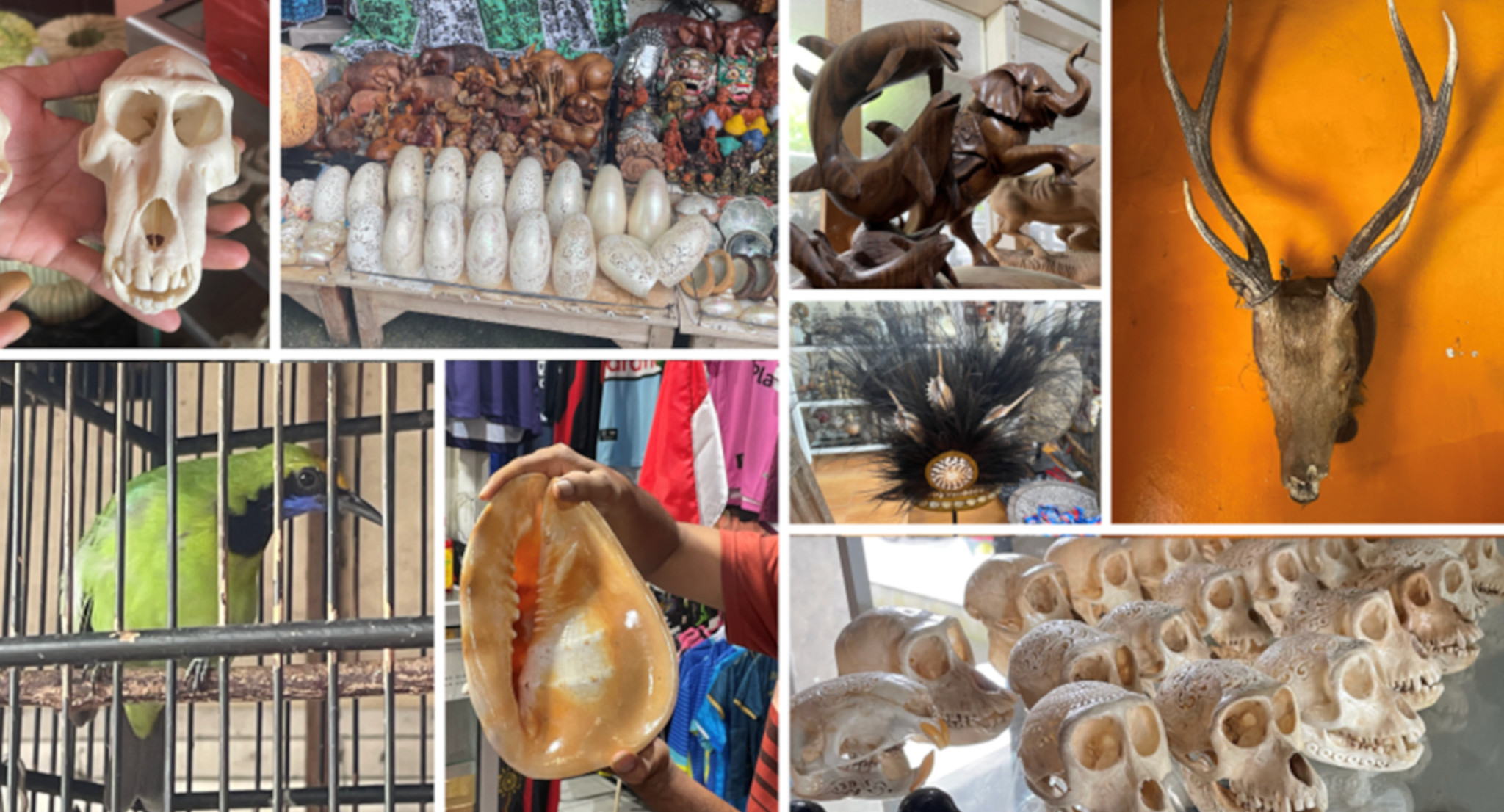
In Indonesia’s wildlife trade networks, endangered species are openly sold alongside everyday souvenirs such as primate skulls, shells, carved bone and exotic woods displayed in tourist-facing shops. Live birds and fish are packed into crowded cages in wet markets.
(Vincent Nijman, I Nyoman Aji Duranegara Payuse and Jessica Chavez/ The Revelator: An Initiative of the Center for Biological Diversity)
Not too far away, in separate animal markets (also called bird markets), cages are packed tightly with live birds, small mammals, reptiles and fish, some sourced from across the archipelago, their calls blending into a constant, restless noise.
The trade moves seamlessly between the legal and illegal with little distinction visible to the untrained eye, creating a system where endangered and protected species are bought and sold openly, embedded within the rhythm of everyday commerce.
“It’s a nightmare,” Shepherd said.
“It's a huge issue involving millions of animals and it's just driving many towards extinction.”
Illegal wildlife trade is the fourth most lucrative criminal activity in the world, just behind the trafficking of drugs, humans and arms.
“The rate of poaching is such, that a number of iconic and lesser-known species risk being wiped out over the next decade—and we will all bear responsibility for those losses,” Yury Fedotov, former Executive Director of the United Nations Office on Drugs and Crime (UNODC), said in 2014 during the 23rd session of the Commission on Crime Prevention and Criminal Justice revealing wildlife crime was worth USD $8 to $10 billion annually.
Wildlife has always been part of trade. People have long exchanged meat, fur and other animal products. “But over the last few decades, the wildlife trade has gone through the roof for a few reasons: it’s become socially popular to keep rare animals,” Shepherd said.
“The exotic pet trade right now, it's never been as large as it is now.”
Another driver is the consumption of unusual or even illegal wildlife products or “exotic meat” is seen by some as a display of wealth or prestige.
“Some people feel that it improves their social status if they can eat something rare or eat something illegal, to show that they're above the law or to show that they're wealthy.”
There are two major enablers behind this growth: global transportation and the internet.
Animals can now be ordered internationally and delivered within days, while online platforms from social media groups to dedicated websites have made wildlife trade easier to access than ever before.
“You could order something from Indonesia today, and it'll be here in a few days,” Shepherd said, grunting at the absurdity.
“You don't even have to be in the right groups or know the right people.”
These are some of the shocking lessons he learned while conducting undercover market surveys across Asia where he focused on documenting what was being traded, where it was coming from and going to, which species were involved and the prices being paid — ultimately, using that information to help strengthen enforcement efforts.
In many cases, up to 50 percent of animals are dead within 24 hours of capture while many take their last breaths during transit.
But what goes around, comes around.
A new Yale University study found the global wildlife trade is not only driving species toward extinction but quietly increasing the risk of infectious diseases spilling over from animals to humans.
“Wildlife trade has been affecting our health much faster and for much longer than we thought,” Colin Carlson, assistant professor of epidemiology at the Yale School of Public Health and a co-author of the paper, said.
“The conditions that sparked the COVID-19 pandemic exist all over the world.”
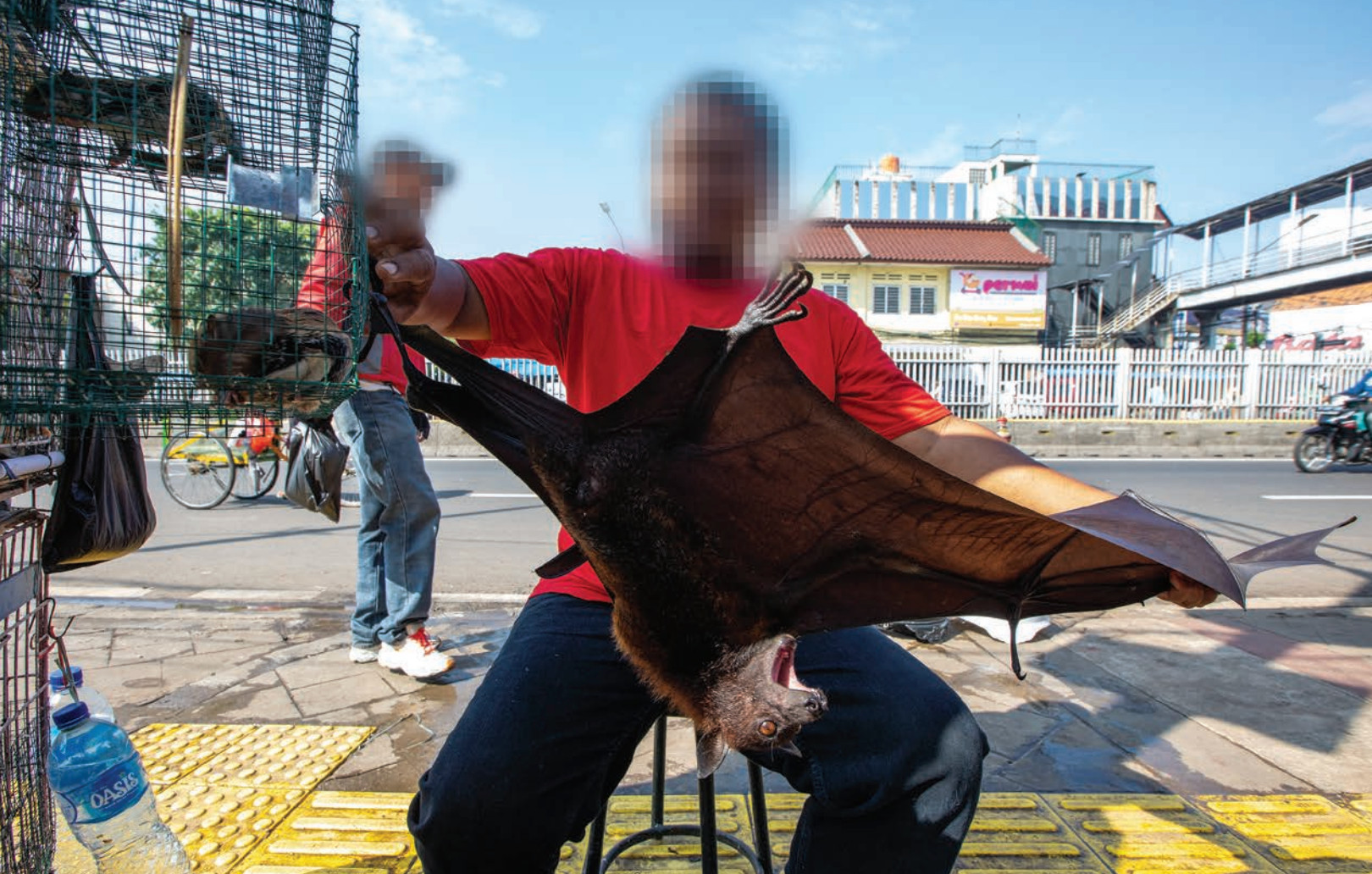
A 2021 joint study from the World Health Organization (WHO) and China stated that transmission of SARS-CoV-2 or coronavirus (COVID-19) from bats to humans most likely occurred through another animal. The investigators detailed four scenarios by which the virus could have emerged: bats through another animal (very likely), direct spread from bats to humans (likely), cold-chain food products (possible but not likely) and laboratory leak (extremely unlikely).
(World Animal Protection)
When animals move through trade networks and markets over time, there are more opportunities for them to carry and transmit viruses, bacteria and other pathogens to people.
The study estimated every ten years a species is involved in the wildlife trade, it shares on average one new pathogen with humans and 41 percent of traded mammals are known to carry diseases that can infect people, compared with about six percent of non-traded species.
In many of the meat markets, Shepherd noticed animals are slaughtered directly on pavement with no refrigeration, the meat left exposed in layers of dried blood and waste from previous days before being sold with no health inspection. Cages are stacked in chaotic columns with chickens at the bottom, primates above them and fruit bats on top, allowing waste to fall through each layer as animals are sold for food.
“You go to a big bird market, there's birds from all over the world in these places, their stress levels are very high, so their vulnerability, their immune systems are very low,” he shared.
“They're bringing with them all the diseases, all the viruses, all the parasites from wherever they've come from, and they're all being put into these markets where the diseases and pathogens are shared and then they're being sold back out to the public all around the world.”
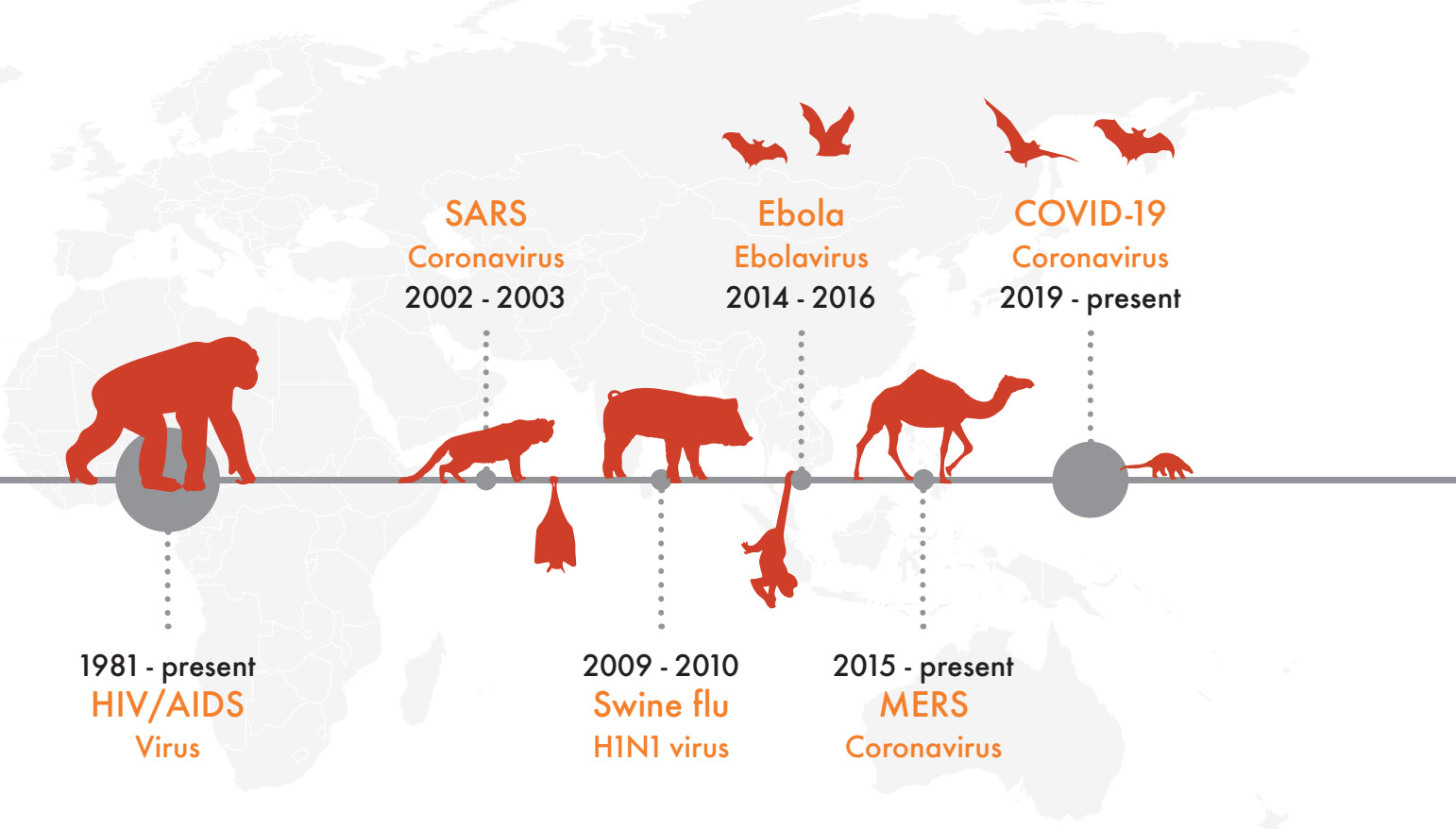
A 2021 report by the World Animal Protection revealed 89 percent of Canadians believe the wildlife trade threatens human health and can cause pandemics.
(World Animal Protection)
Last year, the World Health Organization (WHO) member states, including Canada, adopted the Pandemic Agreement at the 78th World Health Assembly to improve cooperation, preparedness and response and ensure faster, more equitable access to vaccines and the required tools during future health crises to avoid the mistakes made during the coronavirus pandemic that has so far taken over seven million lives globally. Negotiations have been ongoing since May.
Wildlife Conservation Society Canada’s President and Senior Scientist, Justina Ray, cautioned climate change as well as land use changes (ecosystem degradation) are reshaping ecological systems in ways that can directly influence how diseases emerge and spread, compounding any spread initiated by the horrific conditions of the wildlife trade.
“Climate change creates novel conditions in and of themselves,” Ray said, explaining that shifting temperatures and habitats can allow “certain viruses [to] live in different areas fostered by climate change,” creating opportunities for pathogens to pop up in places they have not been seen before.
She pointed to Lyme disease in Canada as a clear example of this process, where warming conditions have allowed host species and disease vectors to expand their range, thereby increasing both the geographic spread and frequency of cases.
A Public Health Agency of Canada investigation into a multi-province Salmonella outbreak between 2022 and 2024 linked 76 confirmed cases across eight provinces, including 34 in Ontario alone, to exposure from snakes and feeder rodents, including some infections in people who never directly handled the animals but lived in the same homes.
Health officials found the outbreak strain in samples taken from reptiles, their enclosures and feeder rodents — underscoring how easily the bacteria can spread through shared environments and contaminated surfaces.
“It's not about the wild animals, per se, and the viruses that they have, but it's about the human activities that expand risky contact with wildlife and habitats,” Ray reiterated.
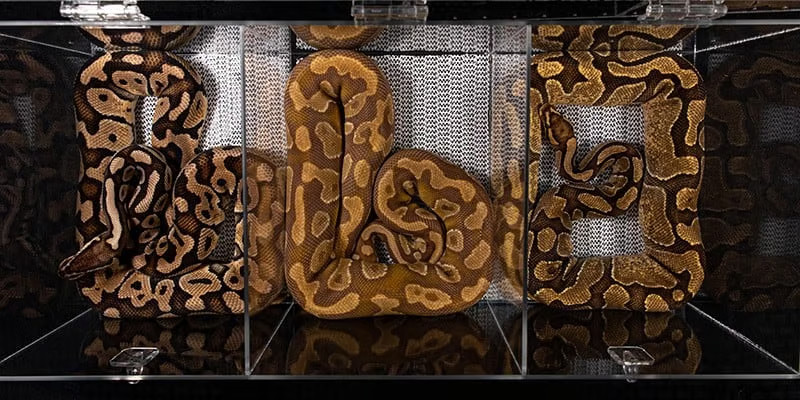
A recent Public Health Ontario study found a rise in Salmonella infections between 2015 and 2022 linked to contact with pet reptiles as their popularity increased. Lizards and snakes were the most common sources, with young children under five especially affected due to closer contact and weaker immune systems. Officials warned that reptiles can carry Salmonella without showing symptoms, allowing bacteria to spread through handling, surfaces and feeding materials.
(Aaron Gekoski/World Animal Protection)
Buyers often have no way of knowing what pathogens an animal may be carrying. It can impact either human populations or native wildlife (potentially introducing viruses that could devastate local ecosystems) and in some cases, both.
“Whether they've come from an illegal source or a legal source, whether they've come from a country that has strict health and quarantine procedures or one that does not, the permits look the same,” he said.
With every year Shepherd stared into the ugly face of illegal wildlife trade, it solidified his determination to change the system.
“Now that I'd seen what it looks like, I couldn't do anything else. I could never turn my back on it,” he resolved.
After 25 long years in Asia, he returned home to Canada in 2017, settling down in Big Lake Ranch, a tranquil, rural pocket in British Columbia’s Central Cariboo, east of Williams Lake, far from the crowded markets and frontline fieldwork that had defined most of his life.
He wanted to channel decades of observation and field experience into quantifiable action by pushing for firmer policies and legislation to prevent the overexploitation and trade of threatened species. Part of it was to challenge the widespread misinformation and scams around wildlife trade including the idea that commercial wildlife trade can be sustainable despite the term being widely used by industry and other stakeholders by conducting awareness campaigns and workshops. On April 30, the day he chatted with The Pointer, Shepherd had been up since 3 a.m., giving presentations or joining calls for the cause.
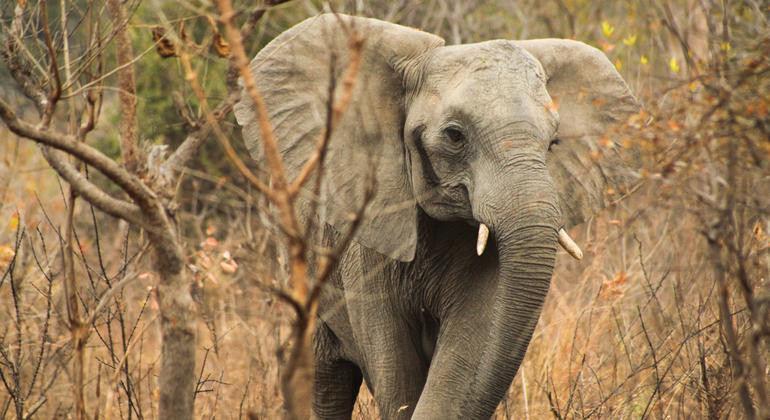
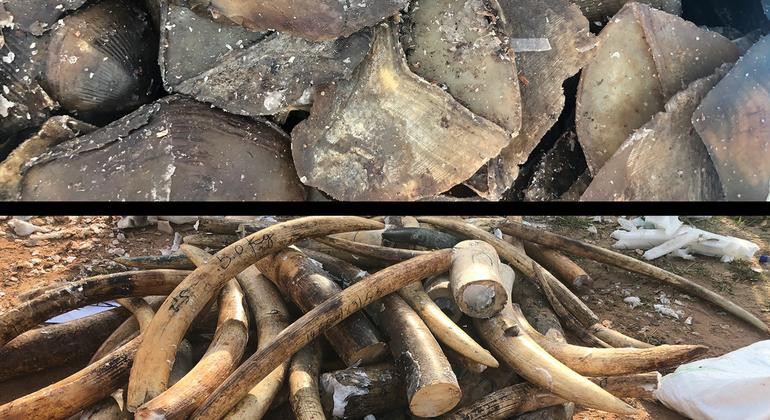
Container shipping is the most common method of transporting illicit wildlife but only about two percent of the millions of containers shipped each year are inspected by authorities, according to the United Nations Office on Drugs and Crime (UNODC). In picture: A shipment from the Democratic Republic of the Congo to Vietnam that concealed 423 kg of pangolin scales and 762 pieces of ivory inside timber logs was seized during one of the checks and represented the killing of more than 325 endangered elephants and hundreds of pangolins had it not been intercepted.
(Top: Tamara Tschentscher/ United Nations Development Programme, Bottom: David Dongo/Uganda Revenue Authority)
He assumed his work would remain central to Southeast Asia but being closer to home came with swallowing a tougher pill: “Canada is often part of the problem and not part of the solution.”
“Wildlife trade in Canada, for a long time now, has gone under the radar,” Shepherd, who is also a senior conservation advocate with the Center for Biological Diversity, noted.
“There is a lot of wildlife trade in Canada that involves illegally or unsustainably sourced species, wildlife coming into Canada, wildlife being exported from Canada,” often with weak oversight.
Over 1.8 million wild animals (51 percent birds, 28 percent reptiles, 19 percent amphibians and two percent mammals) were imported into Canada between 2014 and 2020, involving many species imported without adequate permits or pathogen screening, according to World Animal Protection Canada's 2021 report.
Animals were imported from 79 different countries: 46 percent from North America, 17 percent from Asia, 14 percent from Europe and 13 percent from Africa. Out of these, 49 percent of species were imported for the pet trade, 40 percent for farming, two percent for biomedical research, and less than one percent for zoos and entertainment purposes.
A recent Center for Biological Diversity report found Canada is a major player in the global reptile trade and may be contributing to the import of species, some of which are highly endangered, including highly sought-after monitor lizards.
Between 2011 and 2021, more than 14,000 live monitor lizards across 31 species were imported into the country, placing it among the world’s largest importers alongside the United States and the European Union. Many of these animals were declared as wild-caught, raising concerns about sustainability and the possibility of illegal sourcing, particularly from regions such as Southeast Asia.
A major contributing factor is that the national list of protected species largely excludes non-native animals: this means species that are threatened or declining in their countries of origin can still be freely imported and sold in Canada.
“If species are being sourced illegally in their countries of origin, and threatened by trade; if trade is the primary driver pushing them towards extinction, why are we allowing their sale in Canada?,” Shepherd questioned.
Critics blame loopholes in enforcement, limited verification of permits and weak import checks for allowing endangered species to enter the country under questionable circumstances, often labelled as captive-bred despite originating in the wild.
“We need a list of non-native species that are protected in Canada or banned from trade in Canada,” he added. This is similar to the Endangered Species Act in the USA.
In 1975, Ottawa signed the Convention on International Trade in Endangered Species of Wild Fauna and Flora (CITES), an international agreement to regulate or in some cases, prohibit trade in specific species of wild animals and plants as well as their respective parts and derivatives. The Wild Animal and Plant Protection and Regulation of International and Interprovincial Trade Act (WAPPRIITA) is the Canadian federal law through which Canada meets its obligations to regulate trade in species listed under CITES.
“The purpose of WAPPRIITA is to protect wildlife that may be at risk of exploitation due to illegal trade, and to safeguard Canadian ecosystems from the introduction of species considered to be harmful,” a statement by Environment and Climate Change Canada shared with The Pointer noted.
“When ECCC enforcement officers gather sufficient evidence of alleged violations, they take enforcement action as is appropriate in accordance with ECCC’s Compliance and Enforcement policy for wildlife legislation.”
World Animal Protection’s Wildlife Campaign Manager, Erin Ryan, argues there is no comprehensive approach to monitoring wildlife importations with responsibilities split across multiple agencies and little coordination between them.
The Canadian Food Inspection Agency (CFIA) oversees wild animals linked to food systems or public health risks but only for species specifically listed in federal regulations. Meanwhile, Environment and Climate Change Canada is responsible for enforcing CITES and regulating species considered invasive or otherwise restricted, but again, only for those explicitly listed. Animals outside these lists often receive minimal scrutiny from enforcement officers.
This “complicated system” makes it difficult to distinguish between legal and illegal wildlife trade, especially since much of it operates through legitimate channels. Border agents are tasked with screening everything from vehicles to wildlife, not species experts, which can make accurate identification challenging in real time.
On August 7 last year, an Ontario resident was fined $5,000 for illegally importing a protected Asian water monitor lizard from the U.S. after it was found the woman had lied to border officers, claiming the reptile was a “smaller ackie monitor” instead of the large Varanus salvator species, which can reach two metres, violating Canadian protection laws.
“Imagine the difficulty of being a border agent who's supposed to know all of these things, and having to suddenly become a species expert as well,” Ryan said.
“Canada doesn't have a very robust structure for tracking this, so we don't even have a full understanding of the problem.”
Much of the information is still paper-based and difficult to access, making it hard to quantify the scale of imports even after years of access-to-information requests.
World Animal Protection has been calling for the development of a “nature intelligence system”, an AI-supported tool that would help border officials flag high-risk shipments more efficiently by embedding specialist knowledge and identifying patterns of legal and illegal trade like misdeclared species and inconsistencies in documentation.
Ryan highlighted such a system can also help overcome language barriers by reading original invoices and detecting errors that may occur during translation, where a species could be incorrectly labelled and slip through enforcement checks.
Prime Minister Mark Carney had hinted during his campaign that he would “champion nature conservation internationally, including by stopping illegal wildlife trade across our borders with modern digital solutions.”
But conservationists are waiting for a concrete announcement on those solutions.
Accountability extends beyond the federal government.
“Provinces have the authority in their jurisdiction to regulate what types of animals can or can't be kept as pets, and I think that's a really good place to start,” Ryan suggested.
British Columbia recently tightened its rules on exotic pets, building on a long-standing ban on the private ownership of large dangerous animals such as lions and tigers.
Under updates to the province’s Controlled Alien Species Regulation of the Wildlife Act, effective May 1, the restrictions now also include smaller exotic wild cats like servals, caracals and ocelots. It prohibits breeding, selling and acquiring these animals going forward while existing owners must obtain permits and are barred from breeding or replacing them.
Ontario does not have such legislation, making it legal to have such dangerous animals as pets.
While physical safety remains a concern, the spread of viruses may be even harder to control. Ultimately, experts are in consensus that the problem needs to be tackled at its earliest stages.
“Wildlife trade is a problem, whether it’s legal or illegal,” Ray said.
“The more opportunities we provide for this so-called interface between humans and these animals, and the opportunities for exchange of viruses and so forth, the bigger chance we have of pathogen spillover, which can under the right conditions, turn into significant disease outbreaks, if not pandemics.”
And so, given what is already known, “the answer here is prevention of source”.
Email: [email protected]
At a time when vital public information is needed by everyone, The Pointer has taken down our paywall on all stories to ensure every resident of Brampton, Mississauga and Niagara has access to the facts. For those who are able, we encourage you to consider a subscription. This will help us report on important public interest issues the community needs to know about now more than ever. You can register for a 30-day free trial HERE. Thereafter, The Pointer will charge $10 a month and you can cancel any time right on the website. Thank you
Submit a correction about this story

