
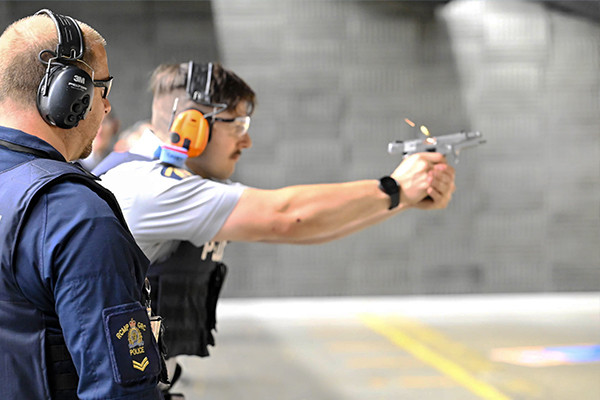
Organization responsible for gun licensing in Ontario rife with nepotism, conflict of interest—compromising public safety, whistleblowers allege
The organization responsible for training instructors and individuals seeking to obtain a legal gun license in Ontario is facing serious allegations that the Board of Directors responsible for running the not-for-profit is rife with nepotism, conflicts of interest and decision-making that prioritizes their own businesses rather than promoting public safety in the province.
Every year, approximately 50,000 firearms licenses are issued in Ontario. To obtain a licence, legal gun owners must pass a training course created by the RCMP and administered by instructors certified by the Firearm Safety Education Service of Ontario (FSESO).
There are approximately 250 instructors across the province.
Documents shared with The Pointer reveal a culture among FSESO’s Board of Directors that promotes from within, strictly limits new instructors in the province despite a growing demand for firearms training, and has provided or created high-paying positions which are given to Board members themselves, or those with connections to the Board.
The majority of Board members are also instructors.
Whistleblowers from across Ontario who spoke with The Pointer said having a Board whose members prioritize their own businesses over providing the best firearms safety training for Ontarians, creates a real risk to public safety.
The Pointer is not naming the individuals, who fear reprisal from the organization.
FSESO was founded in 1993. The organization operates under a Memorandum of Understanding (MOU) signed with the Solicitor General of Ontario and the Chief Firearms Officer (CFO). The CFO, Steven Thompson, is solely responsible for ensuring FSESO operates within the terms of the MOU, something he has failed to do, whistleblowers allege.
The existing MOU is up for renewal at meeting with the Solicitor General planned for March 23.
The Pointer sent a detailed list of questions to the FSESO Board of Directors, the Solicitor General and the CFO.
A spokesperson for the Solicitor General acknowledged the questions and asked for additional time to respond beyond The Pointer’s initial deadline. The Pointer offered a short extension, but no response was received ahead of publication.
The FSESO Board and the CFO did not respond.
The Board of directors is currently made up of six instructors: Board President Tony Cooper, Secretary Lynn Coughlin, Vice President Mark Bocy, Treasurer Richard O’Neill, Steve Connolly and Eric Stousis.
Two independent directors round out the Board: Tom Tumilty and Yeugenia Kazantseva. Tumilty is currently in the process of becoming a licensed instructor.
Legal experts and FSESO members have repeatedly told the organization that board members who are also instructors themselves, creates a significant conflict of interest.
According to the MOU: “FSESO agrees to manage the selection process of new Instructors and to recommend Instructors to be designated by the CFO.”
This means board members have the power to decide which instructors are recommended for approval, and within which regions of the province. Board members are making decisions about instructors who could potentially become their direct competition under the system for training.
In firearms training, there is money to be made.
With approximately 50,000 licenses issued each year in Ontario, a typical instructor charges about $380 per student and can teach a maximum of 12 students at a time. In a typical weekend, with a full class, instructors could make more than $4,500. Accounting for overhead costs and the price of the physical exams from the RCMP ($50), instructors could earn nearly $90,000 annually just by working on weekends. Some instructors teach both on weekends and during the week, earning as much as $400,000 annually, whistleblowers told The Pointer.
Expanding the number of instructors in Ontario would provide more options for those looking to take the course, something that sources say is desperately needed to meet the demand for gun licenses in the province and provide the best possible training to the diverse population.
They believe board members are in a clear conflict, motivated to limit expansion, despite growing demand, due to the impact on their own income.
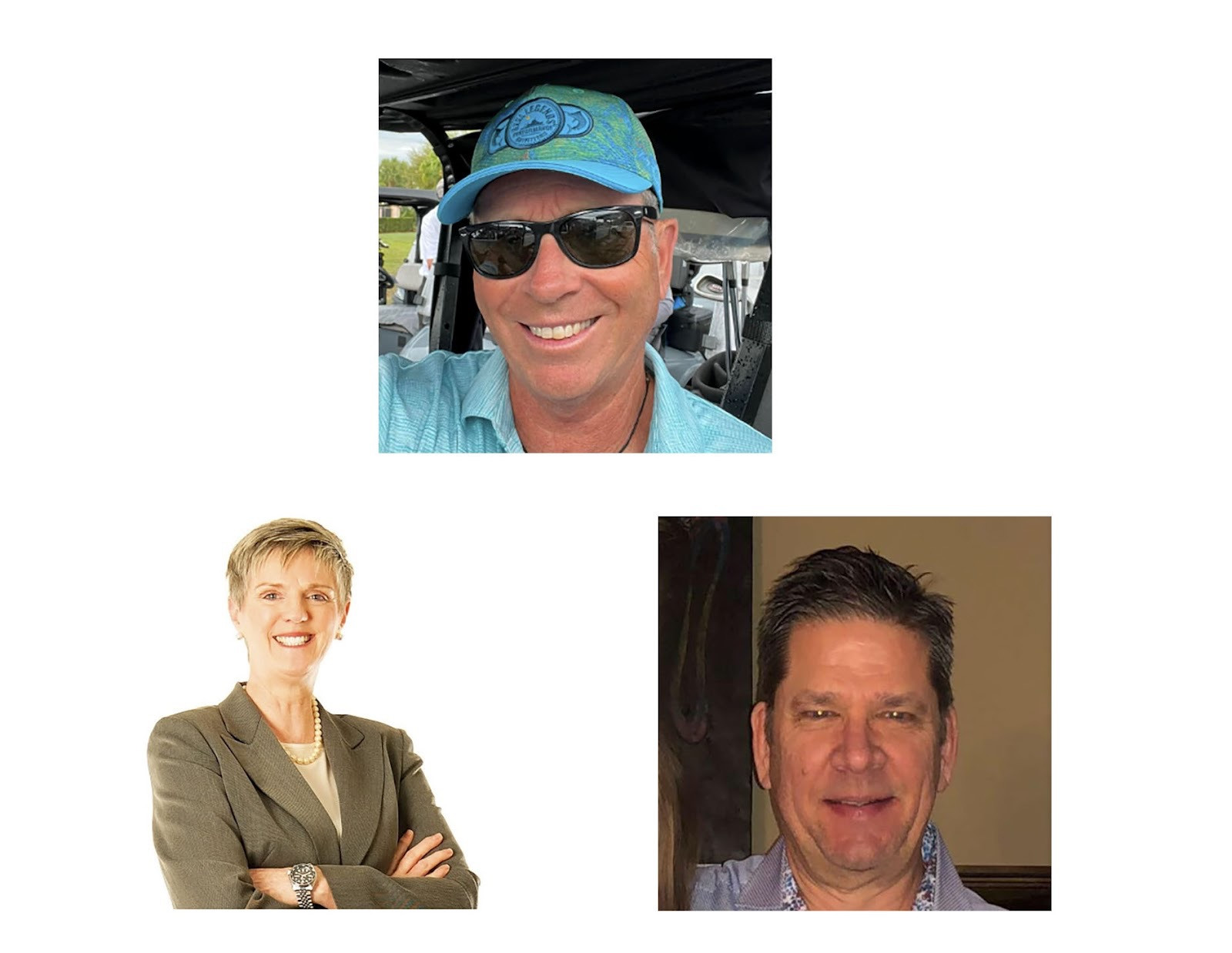
(Clockwise from top): President of the Board of Directors of the Firearm Safety Education Service (FSESO) Tony Cooper; Vice-President Mark Bocy and Secretary Lynn Coughlin.
This is not the first time the potential conflict has been brought to the Board.
In 2017, an individual who was not a member of FSESO “questioned a number of factors within our organization to which surrounded human rights and allegations the Board was in conflict. FSESO had to take formal action because it was heading towards a Human Rights complaint,” minutes from the 2018 annual general meeting reveal.
At the time, the Board was composed entirely of instructors.
The allegations, which are not detailed in the minutes, were reviewed by three different legal experts.
“Based on 3 legal opinions, it was concluded the FSESO was in conflict based on Board decisions regardless of the issue raised by the non-member,” the minutes detail.
“The main concern is that the Board is entirely comprised of members that are instructors that could make decisions that would benefit the membership and themselves,” Kellie Beasley, with law firm HGR Graham, told the Board, according to the minutes. “Any decisions made with respect to the training program could potentially cause a conflict.”
According to the minutes, the conflict issue had been raised “as far back as 2008”.
The CFO at the time made it clear if the Board did not change its structure to a 50/50 split of instructors and non-instructors, the MOU would be terminated, as legal experts said any other composition “would not address the conflict of interest”, putting them in violation of the agreement with the Ontario government.
The Board voted in 2018 to change the structure to a 50/50 split.
According to the MOU: “The FSESO will avoid any conflict of interest in the performance of its obligations under this MOU. The FSESO will disclose to the Crown without delay any actual or potential conflict of interest that arises during the performance of its obligations and comply with any requirement prescribed by the Crown to resolve any conflict of interest.”
After initial compliance, this has since not been followed.
The 50/50 structure remained in place until 2022 when all but one of the independent directors resigned due to problems within the organization. The new Board that took over was made up of seven instructors and two independent directors.
Since then, the Board has slowly clawed back control, reverting to a structure that centralizes power among the Board members who are instructors.
In 2024, the FSESO bylaws were officially changed to create a governance structure of six instructor directors and two independent directors, blatantly ignoring the MOU and previous legal opinions and statements from the former CFO.
In June 2025, the bylaws were changed again, preventing any independent members from service as president, vice-president, secretary, treasurer, or becoming part of the Board’s executive committee.
While the issues with Board governance have been raised by members since then, Board member Lynn Coughlin ought to be well aware of the concerns of the Ontario government in 2018 as she is the only current member who was on the board at that time.
Whistleblowers also question just how independent one of the “independent” directors really is. Tom Tumilty was appointed to one of the independent positions in 2022. Tumilty was a close associate of two now-former Board members, David Eagleson and Art Hawes, both of whom were on the board at the time. The appointment was done without opening the position up to anyone else. Tumilty is also currently in the process of becoming a licensed instructor.
Since the changes to the governance structure, the whistleblowers allege the issues of nepotism and questionable contracts have accelerated. It led to the resignation of one independent Board member, Steve Garrett, who left in December.
In a scathing resignation letter shared with FSESO members, Garrett claimed the Board is “riddled” with conflicts of interest.
“The board claims open and good dialogue from all members; I have yet to see it as most directors are influenced (to) follow the lead of the president. That is a very scary situation for an organization that oversees public firearms training and is operational for public interest,” Garrett wrote. “At times like this, I would encourage the membership to come together collectively and take control of this organization from the board. I have seen emails from and spoken to members with different viewpoints. There are three common themes among all: a) members want to teach the course in peace, b) members want a long-term strong organization, and c) members want the board directors to act in the best interest of the organization. What I have seen in the last two months from the board is the exact opposite.”
Garrett claimed continuing to serve as a Board member “would mean sacrificing my principles of integrity, watching this organization crumble due to decisions made by certain board members in leadership positions who together hold a majority vote.”
He continued: “Although I cannot discuss exact specifics due to a confidentiality agreement that I was required to sign by the President, the agreement does not automatically bind me to breach my fiduciary duty as a director. The main purpose of the confidentiality agreement I can see is to silence directors so that no one can tell the truth or be a whistleblower, while those who hold the majority on the board can continue making decisions for their own possible benefit….The board has absolute power over instructors, as per our governing documents and bylaws that were written by the board directors themselves. This becomes a major concern because board directors are also instructors. Think about it! Boards should be free of conflicts, real or perceived and should operate with utmost integrity!”
Garrett claimed that “Reprisal from the board is a very real fact”, and the Board had a history of punishing those who spoke out, and downplaying complaints filed against them.
“I can confirm that if a complaint is made against an
instructor or if an instructor is to be investigated, the investigation will start in a timely manner. However, when complaints are made against board directors or their close associates, the board will either deem the complaint vexatious or frivolous, or they can create an ad hoc accountability committee composed of their own associates. It could happen to you.”
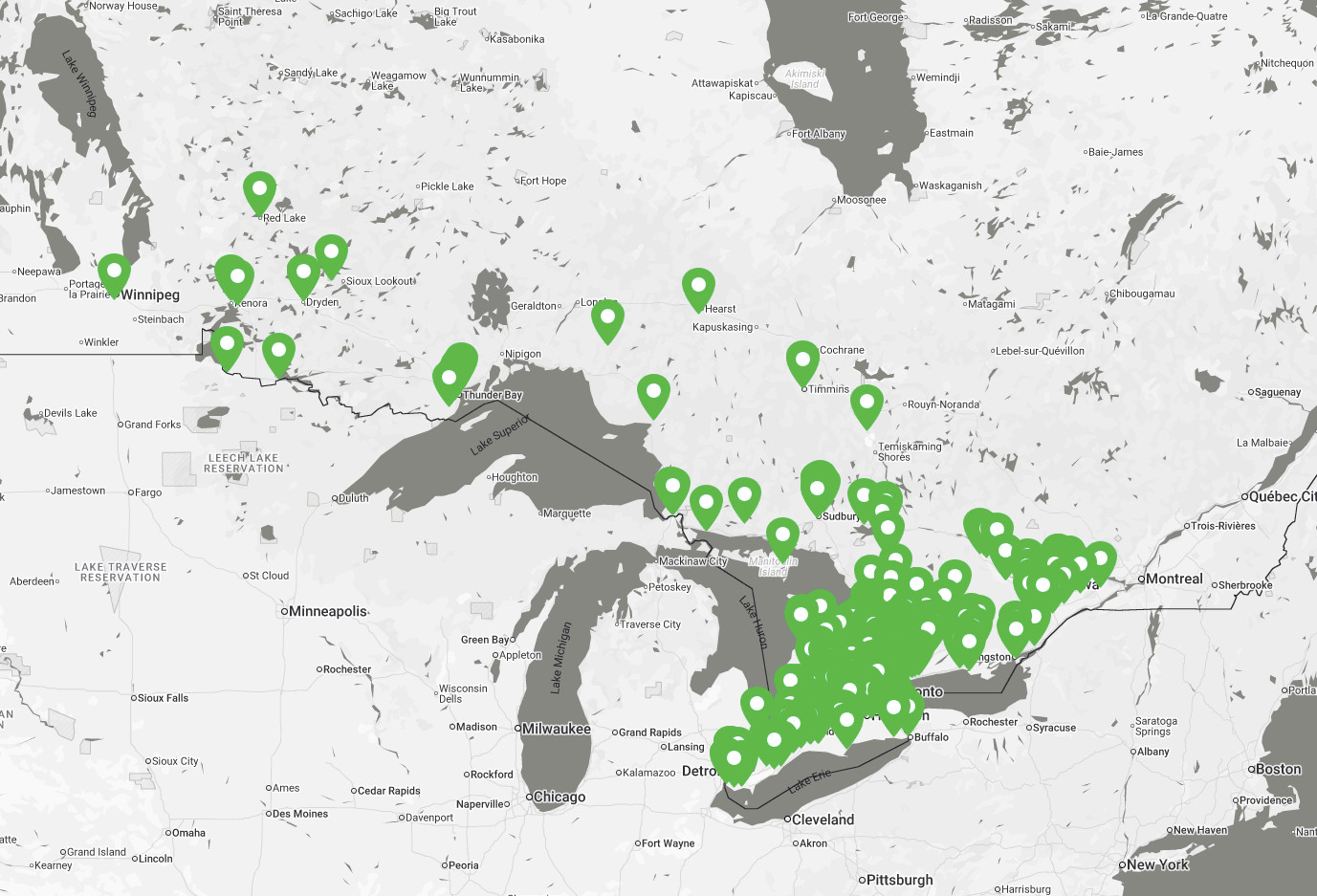
The Firearm Safety Education Service of Ontario (FSESO) has approximately 250 licensed instructors providing firearms training across Ontario.
(FSESO)
Whistleblowers pointed to several problematic hirings and appointments that raise questions about the objectivity of the Board.
One such allegation surrounds the position of Chief Instructor. In 2022, Gerry Courtemanche was serving as President of the Board.
According to whistleblowers, Courtemanche allegedly created the job description for the role of Chief Instructor, and then applied for the position himself. The Board handed him the job.
The Board denies this claim. In minutes of a special Board meeting from May of last year when concerns about how Courtemanche got the position were raised, Board officials claimed there was nothing wrong with the hiring process.
According to an explanation provided by Board President Tony Cooper during the meeting, Courtemanche provided the board with “former descriptions of the Chief Instructor position and requested the Board to create a job description. He declared his conflict and made no further comment.”
The Board explained that because Courtemanche held the same position prior to it being eliminated in 2021, and “there was the immediate need for the role”, he was appointed to the position.
Questions have also been raised about the creation of the position of Professional Accountability Officer at the FSESO. The job was given to David Eagleson in October of 2022. Eagleson, a former instructor, was appointed as an independent director in April of that year.
A chief function of the Professional Accountability Officer role is investigating and auditing licensed instructors. Whistleblowers claim the hiring was done in a closed door meeting. In that same meeting, the contract for the investigative work was given to Eagleson’s own company, Enigma Investigative Solutions.
According to information from whistleblowers, the FSESO previously spent approximately $13,000 a year on these investigations. The first year Eagleson’s company handled the work, the costs spiked to approximately $90,000.
When this came to light in 2024, the contract with Enigma was terminated. Eagleson is now suing the FSESO alleging breach of contract. The lawsuit is ongoing.
With the MOU set for renewal at meeting between the FSESO and Solicitor General on Monday, March 23, The Pointer asked the Chief Firearms Officer, and the Ministry of the Solicitor General if they would consider any changes to the agreement before renewing it: critics have called for a return to the 50/50 Board structure, and potentially a provincial appointee on the Board, similar to what the government has done with other non-profit boards.
A spokesperson for the Solicitor General acknowledged the questions and asked for additional time to respond. A short extension was offered, but no response was received ahead of publication.
Email: [email protected]
At a time when vital public information is needed by everyone, The Pointer has taken down our paywall on all stories to ensure every resident of Brampton, Mississauga and Niagara has access to the facts. For those who are able, we encourage you to consider a subscription. This will help us report on important public interest issues the community needs to know about now more than ever. You can register for a 30-day free trial HERE. Thereafter, The Pointer will charge $10 a month and you can cancel any time right on the website. Thank you
Submit a correction about this story

