
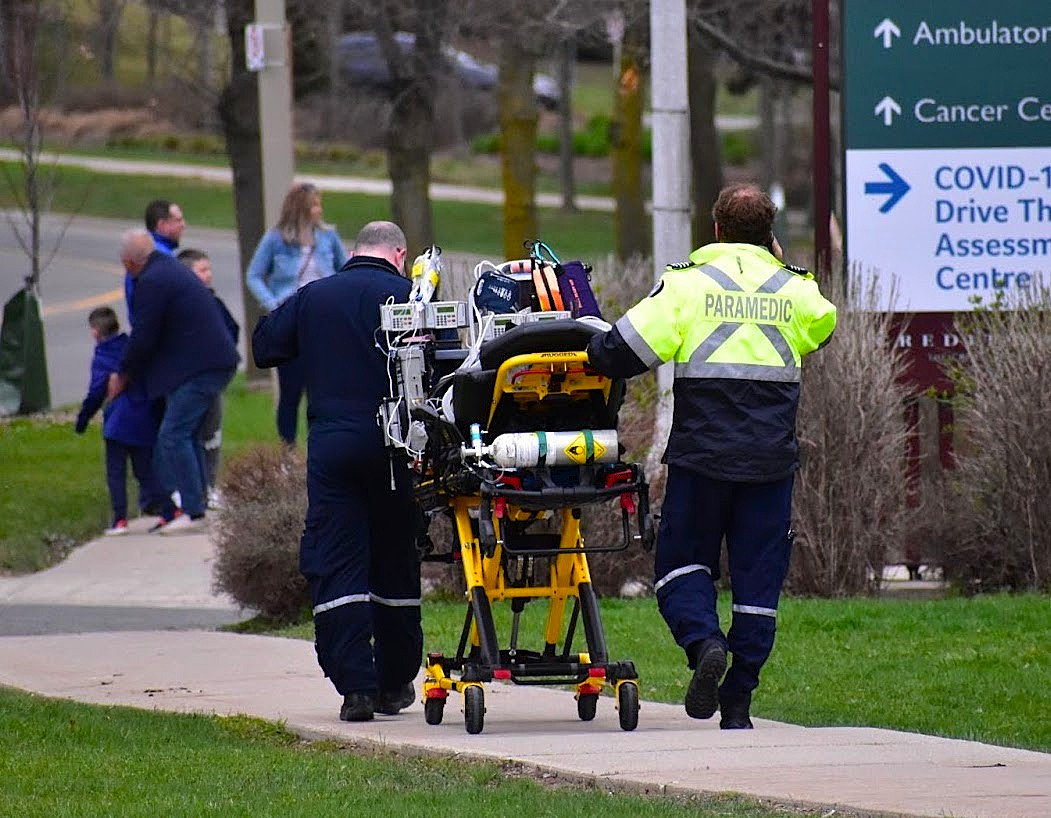
Peel’s rapid demographic shifts spark significant investments in the paramedic sector
From the booming high-rise market in Mississauga to continued residential growth across Caledon’s transforming rural expanses, and the difficulties of managing Brampton’s chaotic housing sector, keeping residents in Peel safe involves unique challenges for the paramedics dispatched round the clock on emergency calls.
An aging population, along with the ongoing rapid increase in the number of residents moving into Peel, place additional pressure on the women and men responsible for keeping people safe.
The push for more density in Mississauga with tall residential buildings dominating large precincts in the increasingly urbanized city, means paramedics have to get to residents high above the ground, sometimes thirty or forty floors, when someone is in acute distress, and every second is critical; in Caledon, seniors who live in hard to access corners, or other rural residents in need of emergency attention during a massive snow storm, can’t afford any wasted time when a life is at stake; and in Brampton, thousands of unregistered illegal apartments don’t have proper stairs, doorways are blocked and units lack ventilation, making it hard for paramedics trying to navigate these spaces when someone is facing a critical health scare.
This year’s Peel budget includes a significant increase of 13.8 percent for paramedic services with a net operating budget of $127.6 million in 2026 (compared to $112 million in 2025), and plans to spend $161.4 million by 2029. This year’s operating budget will support 43 new full-time employees, for a total of 862.4 staff, which will rise to 1044.4 in three years.
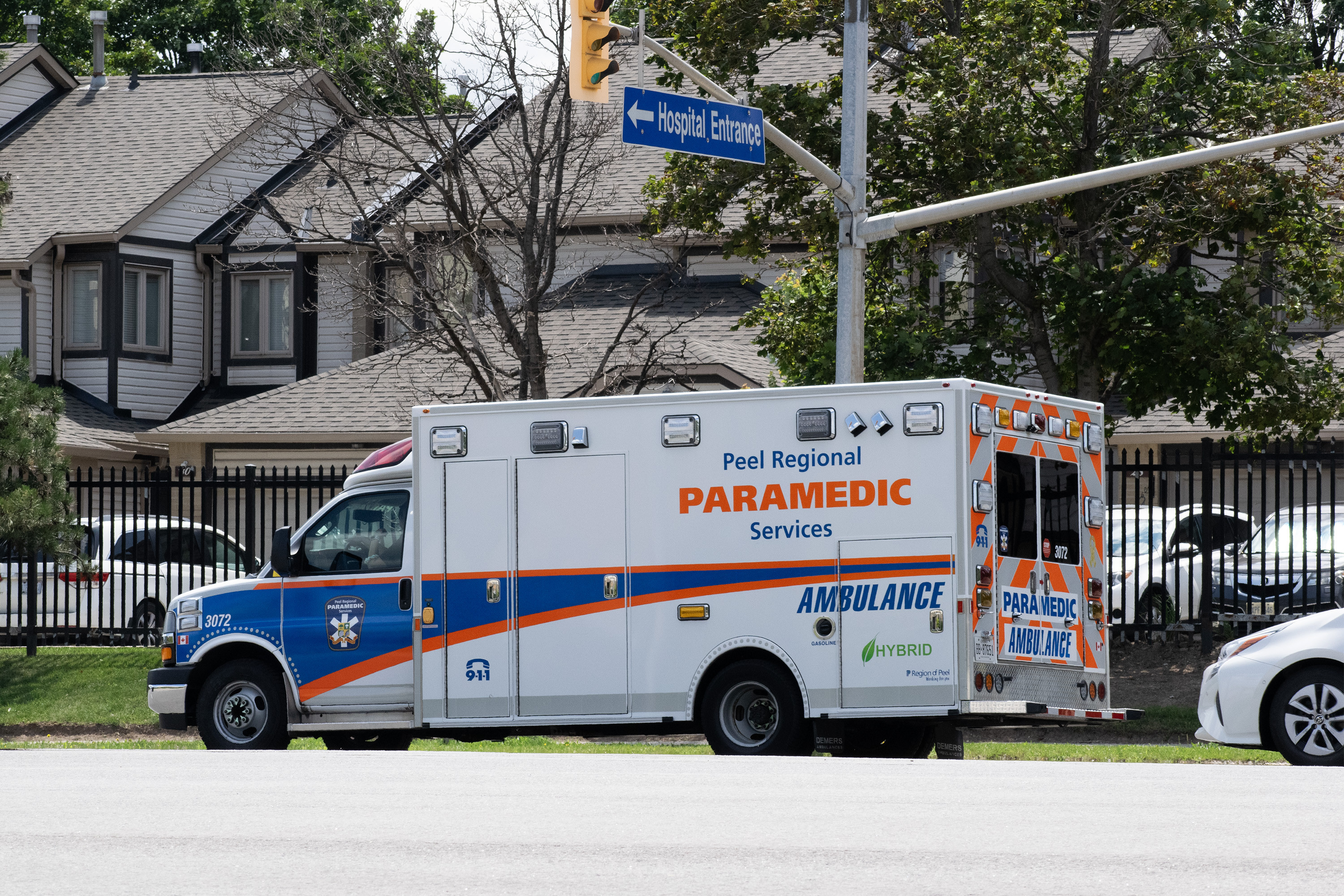
Peel's population exploded from about 250,000 residents in 1970 to approximately 1.7 million today. This has put enormous pressure on paramedics throughout the region.
(Alexis Wright/The Pointer)
To get infrastructure caught up to Peel’s population, the capital budget of $38 million for 2026 will be followed by a planned $92 million for capital costs next year, before dropping down drastically to $9.6 million in 2028 and only $2.8 million in 2029, according to the current four-year budget plan. One new ambulance fleet will be added this year along with service equipment.
From the allocated budget, the region is planning a fifth reporting facility for paramedics, known as the Docksteader station, in north Brampton, which is expected to open in 2027 to meet the growing service demand.
According to Peel Paramedic Services, 44 percent of the patients who received services last year were 65 or older, and demand will escalate as the population ages.
The top five common reasons that paramedics are called, including immediate problems with breathing, require a quick response from the first responders due to the serious health consequences.
Regional councillors heard late last year when the 2026 budget was being dealt with, that in 2024, paramedics responded to 148,718 calls, and due to understaffing, 13 ambulances were off the road with the service being short as many as 23 ambulances to meet demand.
According to the report by paramedics, call volumes in 2025 increased 3.2 percent compared to 2024. First responders answered 420 calls on average a day in 2025 compared with 407 the year before.
Peel paramedics continue to respond to 97 percent of emergency calls in the region, while the remaining 3 percent of non-emergency calls are being responded to by neighbouring service providers due to the proximity of their vehicles.
“Population growth and population aging are contributing directly to increasing call demand, rising patient acuity/complexity, and health system pressures,” the report highlighted.
"These factors collectively intensify the pressure on staff and the service to maintain emergency coverage and provide out-of-hospital care, all while adhering to council-approved and provincially mandated response times."
Hospital offload delays add another layer of uncertainty for paramedics, when frontline hospital staff cannot receive and process patients so ambulances can be back on the road within 30 minutes as wait times in emergency rooms, bed shortages and a lack of staff continue to plague the province’s healthcare system under the PC government.
Peel Paramedic Services data show that in 2024, total paramedic time lost to offload delays across all three hospitals in the region reached 63,640 hours, about 14 ambulances off the road each day.
A report from the Metamorphosis Network published in 2024 showed Peel was underfunded by approximately $868 million annually for public services by the provincial government (including paramedics).
The 2026 budget for Peel Paramedic Services is structured to bridge a one-year gap in previously committed provincial support for new staffing. Due to the PC government’s inability to meet its pledge to help cover additional staff in the most recent collective bargaining agreement, after negotiations were settled, about $4.6 million to support the new hires will instead have to come out of Peel Region reserve accounts.
“I don’t really think that is sustainable,” Dave Wakely, president of Peel Paramedic Union OPSEU/SEFPO Local 277, told The Pointer. “The province agreed to pay 50 percent of the paramedic costs, but they don’t do that. The paramedic services are on the hook for the first year, and ultimately that falls onto the municipal taxpayers.”
He expressed frustration over the Doug Ford PC government’s repeated failure to properly fund services in Peel, where the population has rapidly increased over the last few decades under provincial policies, without adequate funding to support the massive growth Peel has experienced.
Peel’s population was about 250,000 in 1970, according to the Region, and is projected to reach 2,000,000 in a little more than a decade. The 2026 estimate is about 1.7 million residents.
“That is not only in Peel but also in the whole province. The Ford government really needs to dedicate serious energy to addressing the funding gaps,” Wakely said.
For too long, he said paramedics have been advocating for equal pay parity compared to other first responders–the police and fire services. Wakely last year told local elected representatives in Peel that paramedics are earning $20,000 to $30,000 less than what police and fire employees make.

Dave Wakely, President of Peel Paramedic Union OPSEU/SEFPO Local 277, addressed council last year on the urgent need for fair pay, improved benefits and mental health support for paramedics.
(Region of Peel)
Primary care paramedics in Peel, on average, earned approximately $95,000, nearly $19,000 less than a 1st Class Peel Police Constable and below the earnings of a 1st Class Firefighter in both Brampton and Mississauga. The gap grows when you consider the available benefits. Unlike other first responders, paramedics receive no retention or seniority pay, no off-duty opportunities and perks like shift premiums are not what police officers enjoy. Their health, long-term disability and retirement benefits are a fraction of what police and fire receive, according to the union.
"Paramedics face the same dangers as every other emergency responder, but we often lack the protections found for other 911 services," Wakely told councillors last year.
After working over a year without a contract, the paramedics' union reached a tentative agreement with the region in July, achieving a significant salary boost and increases for full-time workers and extended mental health coverage for temporary or part-time employees, but retention pay for senior paramedics was not part of the deal.
Wakely told The Pointer last year that while the agreement reduced the compensation gap with other services in half, still more needs to be done, as other key areas are left underfunded.
Peel Region is planning to invest an additional $254.5 million over the next ten years in the paramedic sector, including:
- $96.4 million for new ambulances and replacement of vehicles reaching the end of their useful life.
- $83.8 million for growth-related satellite and reporting stations.
- $49.6 million for equipment replacements in line with safety standards and regulations, as well as new equipment tied to growth.
- $16.0 million for major facility maintenance for existing in-service reporting and satellite stations.
- $6.7 million for various information technology initiatives, including the replacement of ambulance computers.
- $2.0 million for advancement of a strategic technology roadmap.
Wakely welcomed the budget increases for paramedics, which support the addition of new staff, saying that it will ease pressures on the system.
“I think it’s a good step towards making sure that we have enough paramedics….. I am extremely hopeful that we will be able to aggressively recruit new paramedics and keep the existing ones.”
Email: [email protected]
At a time when vital public information is needed by everyone, The Pointer has taken down our paywall on all stories to ensure every resident of Brampton, Mississauga and Niagara has access to the facts. For those who are able, we encourage you to consider a subscription. This will help us report on important public interest issues the community needs to know about now more than ever. You can register for a 30-day free trial HERE. Thereafter, The Pointer will charge $10 a month and you can cancel any time right on the website. Thank you
Submit a correction about this story

