
Peel council approves 2026 budget with cut to critical infrastructure fund despite warnings from staff
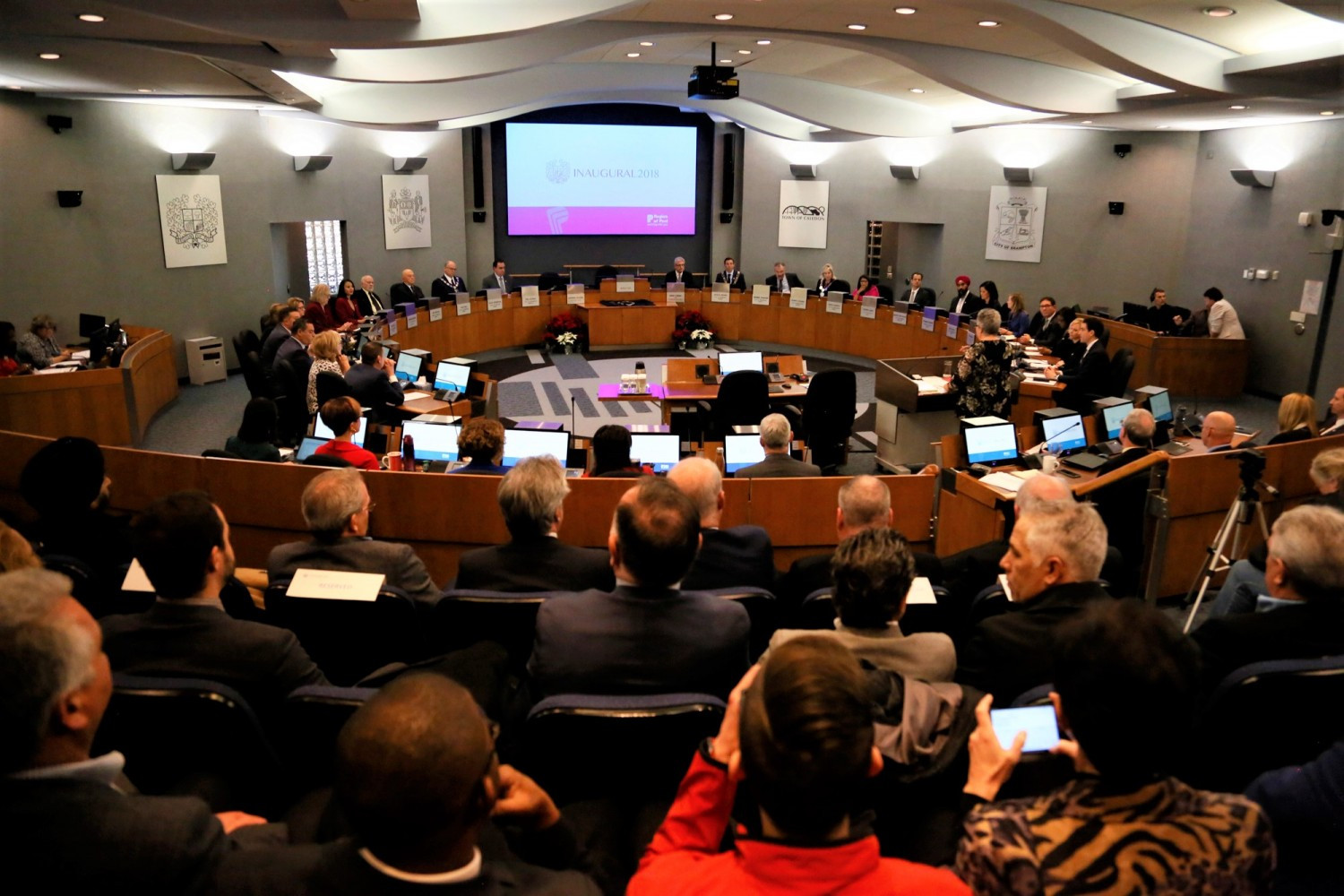
Through numerous delegations during the weeks of budget discussions inside Peel council chambers, residents made it clear to their local councillors that the proposed 4.2 percent increase to the Region’s share of the property tax bill in 2026, along with a 7.8 percent utility rate hike, were too much for home and business owners already struggling to make ends meet.
The proposed increases included an 11.5 percent increase for the Peel Regional Police—marking a more than 80 percent increase to the force’s budget in just five years.
"Ongoing large tax increases are not sustainable and must stop. The region and the police must find efficiencies and ways to trim their budgets," Sue Shanly, Chair of the Mississauga Residents' Association Network (MIRANET) said during the November 27 Peel budget meeting. "Whilst we have always supported an effective and efficient regional police force, it is difficult to understand the necessity of an over 80 percent increase in the police budget in the past five years, from 2020 to 2025. While residents of Mississauga are struggling."
In meetings throughout December, regional councillors debated ways to pull down the proposed tax increase. None had any impact on the Peel Police budget, which was approved with an 11.5 percent increase (when combining the operating and capital budgets).
This pattern has been consistent since last year, when, despite concerns raised by residents and multiple councillors over the 23.3 percent (or $144 million) hike the police requested in the 2024 budget, which was eventually approved, many of them labelled the request as “unsustainable” and “ludicrous”.
Instead of trying to find savings in the police budget, councillors targeted a levy collected from residents to fund maintenance and repair projects for critical infrastructure.
During the December 11 meeting, council narrowly passed a motion moved by Mississauga Councillor Dipika Damerla, seconded by Mississauga Councillor Martin Reid, to reduce the infrastructure levy by 0.5 percent, cutting the amount to be collected from residents for these crucial projects by $8.4 million.
“It’s just an attempt to balance the long-term needs…(with) what our residents are saying to us,” Damerla said.
The proposal was not supported by staff who told councillors the additional funding is required to maintain the state of existing infrastructure.
“This really goes to our state of good repair. I would strongly discourage the reduction to this,” Davinder Valeri, Peel’s Chief Financial Officer and the Commissioner of Corporate Services, said. She added that the 1 percent increase proposed was low to begin with. “Our capital side…we are significantly underfunded.”
She made it clear to councillors the $8.4 million was already earmarked for infrastructure that is in need of repair in 2026.
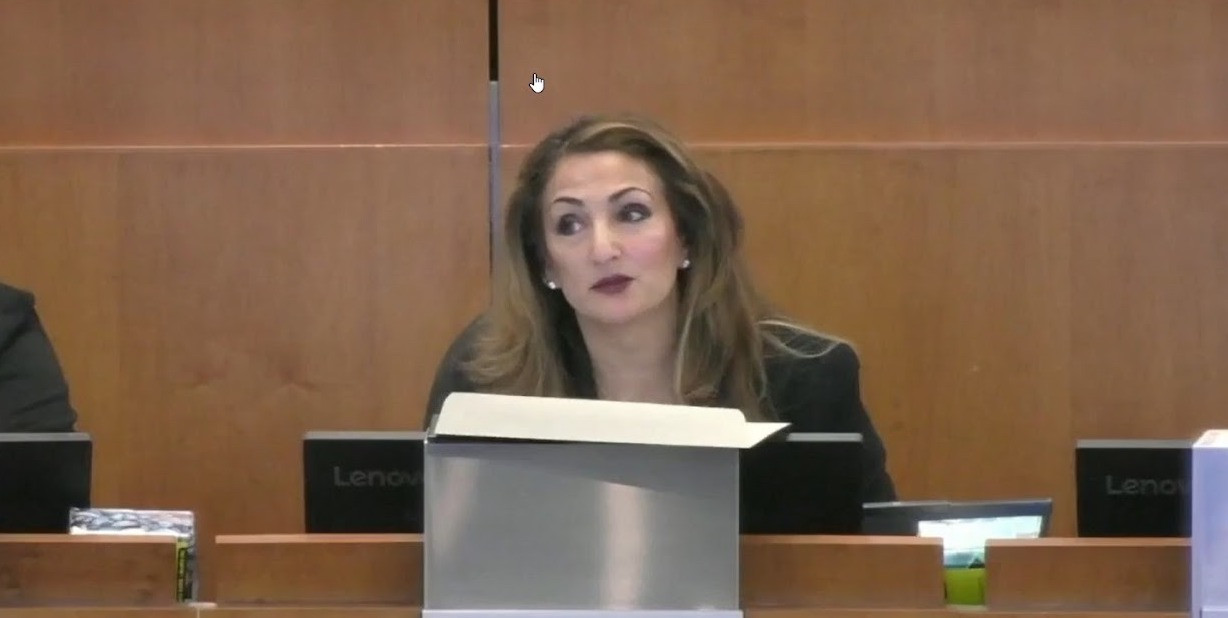
During the December 11 meeting, Davinder Valeri, Peel’s Chief Financial Officer and the Commissioner of Corporate Services, told the council that cutting the infrastructure levy would affect long-term infrastructure projects.
(Region of Peel)
Brampton Councillor Gurpartap Singh Toor refused to support the proposal due to the unknown impact it could have on future capital projects. The motion was also opposed by Brampton Councillor Michael Palleschi.
"I don't know what kind of projects will be delayed, whether they are in Brampton, my city, or my area. I wouldn't be happy about this without understanding the specific impacts of these delays," Toor said during the meeting.
The motion passed with a 13-11 vote divided mostly down municipal lines with all Mississauga councillors and Brampton Councillor Pat Fortini in favour, and the remaining Brampton and Caledon councillors voting against.

The Peel Police budget remains one of the largest components of Peel Region’s 2026 budget, with council approving an 11.5 percent increase, after an 80 percent increase over the past five years.
(Peel Regional Police)
The infrastructure levy reduction was in addition to a number of “cost containment measures” made by staff throughout the 2026 budget process which reduced or eliminated certain programs and services—approximately $7 million in savings.
These measures included: removing the My Home Second Units (MHSU) program with a total budget of $1.27 million, from the 2026 Housing Support budget. The MHSU was an initiative designed by Peel to provide loans of up to $20,000 to assist homeowners in renovating their secondary units. According to the staff report it “did not meet the objective of creating affordable stock”.
Other cuts highlighted in the report include: the removal of an in-person and online prenatal education program ($150K); a reduction in Peel’s Family and Intimate Partner Violence campaign ($25K); $130,000 in repairs and maintenance at the Seniors Health and Wellness Village building have been deferred; “grants for sustainability” have been reduced by $152,000.
With the last minute motions from council, the Region’s tax increase for 2026 was reduced from the original 4.2 percent to 3.36.
This tax increase only applies to the portion of the property tax bill controlled by the Peel Region government; an average household in Peel with an assessed property value of $580,400 will pay an additional $213. The final average property tax hike will be higher after all three lower-tier municipalities individually pass their own budgets for 2026, then blend their hikes with the Region’s.
Peel’s budget includes approximately $4.3 billion in operational spending and a $3 billion capital budget.
These investments include:
-The hiring of 40 paramedics to deal with growing challenges from increasing call volumes and staffing shortages. In 2024, the service responded to 148,718 calls, and 13 ambulances reportedly were off the road routinely due to understaffing, and when the demand was for 27 ambulances, only four were responding.
-Approximately $103 million in capital for repairs at Peel Living, and another $3.3 million for sustainable wraparound care at the Seniors Health and Wellness Village at Peel Manor. In 2024 3,277 seniors were on waitlists for admission into Peel’s five long-term care homes and 607 individuals were waiting for Adult Day Services. The demand is expected to rise in the coming years, as one in five Peel residents will be over the age of 65 by 2041.
-To support the affordable housing stock owned by the Region, $170 million in State of Good Repair projects are planned for 2026, including: $53.5 million for structures (roof, windows, kitchen, bathrooms, paving, fencing and playgrounds); $23 million for interior and in-suite investments; $6.5 million for “site investments”; $2.3 million for sub-structures (foundation and underground parking); and $84.3 million for elevators, plumbing, heating and cooling systems, electric panels, fire systems, lighting and generators, low carbon initiatives.
It’s unclear how this budget will resolve Peel’s housing crisis. According to the region’s own statistics, 91,000 households in Peel are in core housing needs, and the region needs a staggering $50 billion over 10 years to meet the growing housing needs. In its 2024 report, the Region has mentioned the $11.5 billion gap just to cover the infrastructure needed to hit the provincial housing target of 246,000 new units across Peel by 2031.
At a time when issues like unaffordability and the housing crisis are at their peak and when the social services sector in the region is severely underfunded and demanding long-term and sustainable investments, residents who spoke to council shared their belief that this slight reduction in property taxes, with the police budget once again being dramatically increased, will not do enough to meet the ongoing crisis.
Mike Harris, a Mississauga resident and the representative of the Applewood Hills and Heights Residents’ Association, spoke to The Pointer after the slight reduction.
“It is unacceptable. It’s still too high.”
Email: [email protected]
At a time when vital public information is needed by everyone, The Pointer has taken down our paywall on all stories to ensure every resident of Brampton, Mississauga and Niagara has access to the facts. For those who are able, we encourage you to consider a subscription. This will help us report on important public interest issues the community needs to know about now more than ever. You can register for a 30-day free trial HERE. Thereafter, The Pointer will charge $10 a month and you can cancel any time right on the website. Thank you
Submit a correction about this story

